

Executive Overview
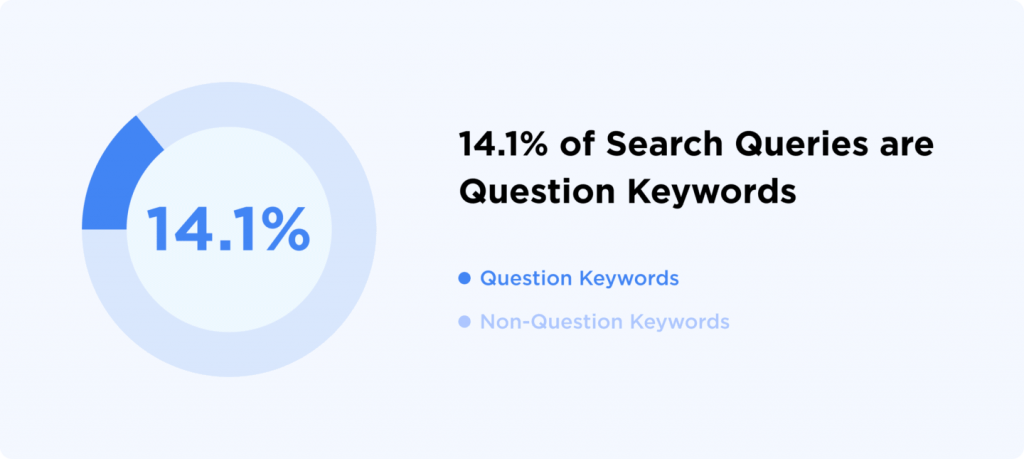
In the modern digital ecosystem, human curiosity is the primary engine driving organic search traffic. Every single day, billions of individuals turn to search engines and online forums not merely to browse, but to seek concrete resolutions to urgent, real-world problems. Recent data reveals a staggering reality: question-based queries account for roughly 14.1% of all Google searches. When contextualized against an average of 3.5 billion daily global searches, this translates to an astounding 490 million inquiries processed every twenty-four hours.
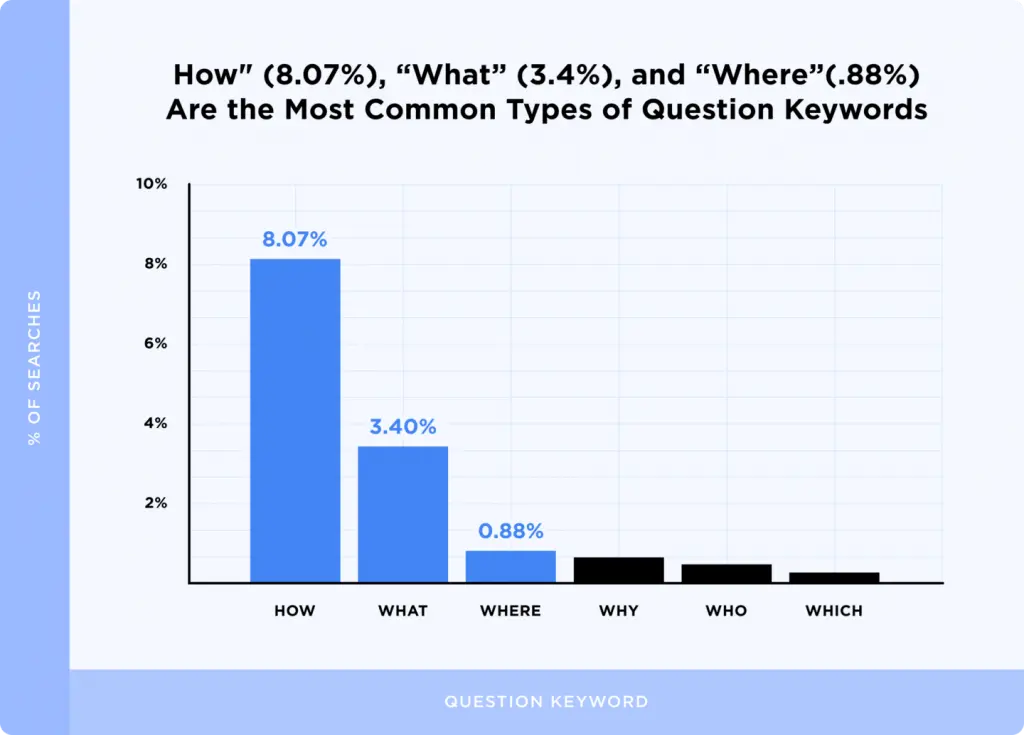
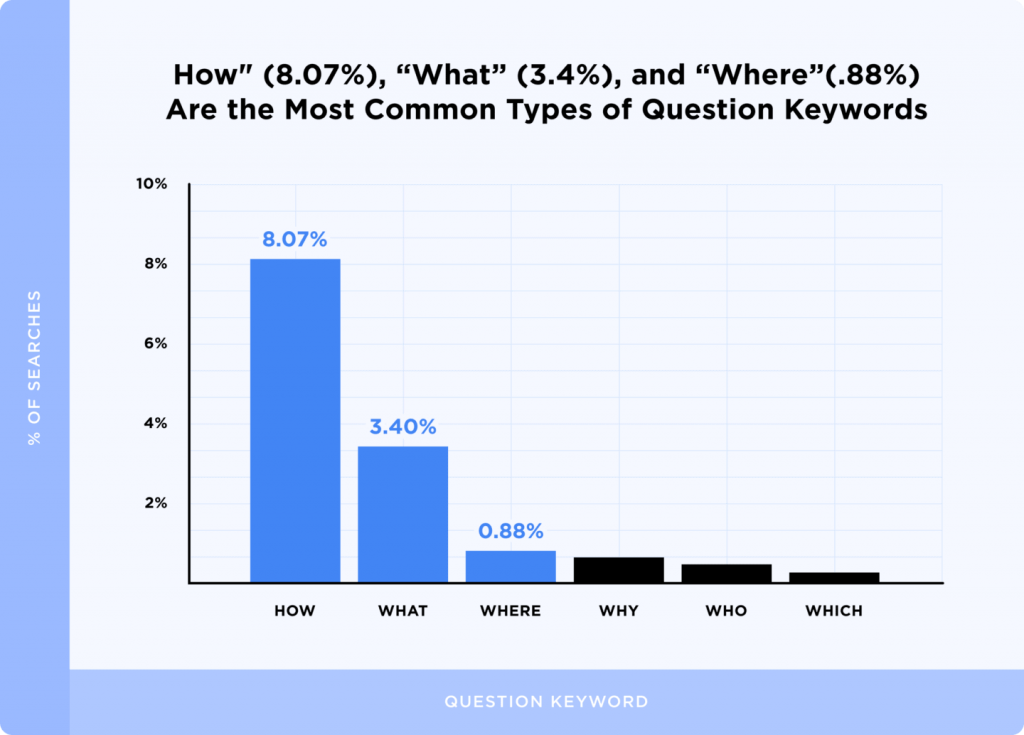
An analytical breakdown of these search queries demonstrates that interrogative modifiers dominate user behavior. Specifically, terms beginning with "how" command 8.07% of the search landscape, while "what" queries make up an additional 3.4%. These inquiries are predominantly structured as long-tail keywords, a trend accelerated by the explosive adoption of voice-activated search assistants across mobile devices and smart speakers.
For digital marketers, content creators, and enterprise SEO strategists, this behavior represents an unprecedented commercial window. By proactively identifying and answering these specific inquiries, brands can intercept high-intent traffic, build immediate trust, and seamlessly position their products, services, or affiliate offerings as the definitive solution. This comprehensive report explores the strategic value of question-based keywords and outlines four actionable, scalable methodologies to unearth low-competition search opportunities that can transform your organic visibility.
Detailed Chronology: The Evolution of Search Intent and Query Optimization
To understand why question-based keyword optimization has become paramount, one must examine the chronological shift in how search engine algorithms interpret user intent.
Phase One: The Era of Keyword String Matching (Early 2000s)
In the formative years of search engine optimization, algorithms relied on rigid, exact-match keyword strings. Content creators stuffed pages with disjointed phrases like "best CRM software" or "cheap coffee grinder." User queries mirrored this mechanical syntax, forcing searchers to truncate their natural language into robotic commands.

Phase Two: Semantic Search and the Rise of Natural Language (2013–2015)
The introduction of Google’s Hummingbird algorithm marked a pivotal turning point. For the first time, search engines moved beyond isolated keywords to comprehend semantic context and conversational phrasing. Algorithms began analyzing the intent behind a query rather than just scanning for matching words. This paved the way for longer, multi-word inquiries that closely resembled human speech patterns.

Phase Three: The Voice Search Boom and Mobile Dominance (2016–2020)
With the proliferation of smartphones and smart home devices (such as Amazon Alexa and Google Home), voice search usage skyrocketed. Users stopped typing abbreviated phrases and began asking full, grammatical questions. Queries transformed from "CRM database maintenance" to "How do I maintain a clean CRM database?" Search engines adapted by prioritizing direct, concise answers, frequently displaying them in zero-position featured snippets.

Phase Four: The Modern AI and Intent-Driven Landscape (2021–Present)
Today, search algorithms are further refined by advanced machine learning models designed to evaluate searcher intent with hyper-precision. Modern SEO requires moving away from broad, high-volume head terms and pivoting toward long-tail, question-based keywords. These queries yield exceptional return on investment because they capture users at the exact moment of decision-making or problem-solving.

Supporting Context & Metrics: Why Question Keywords Are a Strategic Goldmine
Investing resources into question-based optimization offers two distinct advantages that traditional head-term optimization often fails to deliver: exceptionally high user intent and remarkably low keyword competition.

1. Exceptional User Intent
When an internet user enters a question into a search engine, they are rarely browsing out of casual curiosity. Instead, they are actively experiencing a pain point and seeking an immediate, actionable answer.
- High Urgency: The searcher wants to resolve a bottleneck—whether figuring out how to integrate a Customer Relationship Management (CRM) platform with an Enterprise Resource Planning (ERP) system or learning how to properly roast coffee beans.
- Commercial Insertion: By providing a thorough, authoritative answer, brands earn the reader’s trust. This creates a natural pathway to introduce a product, software subscription, or affiliate service as the ultimate tool to solve their problem.
2. Lower Keyword Competition
Because question queries are typically long-tail phrases, they face significantly less direct competition than broad head terms.
- Reduced Barrier to Entry: In many cases, these terms exhibit low keyword difficulty (KD) scores.
- Streamlined Content Requirements: Unlike hyper-competitive head terms that demand exhaustive, 5,000-word guides and extensive backlink campaigns, many question-based keywords can be ranked on the first page of search engine results pages (SERPs) with concise, laser-focused content and minimal external link building.
4 Scalable Frameworks to Unearth Question-Based Keywords
Uncovering profitable, low-competition questions at scale requires systematic processes rather than manual guesswork. Below are four battle-tested methodologies utilizing industry-standard tools like Semrush, SEO Minion, Reddit, and Quora.

Framework 1: Leveraging Dedicated Question-Based Keyword Reports
Most enterprise-grade SEO platforms feature automated report filters designed specifically to extract interrogative queries from seed topics.
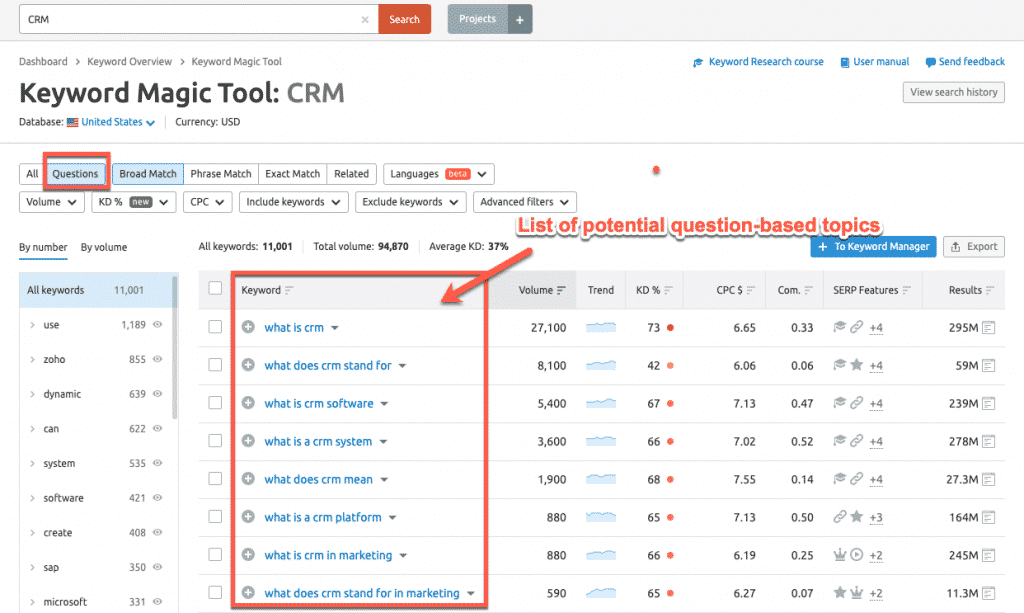
- Executing the Search: Navigate to an SEO tool like Semrush, input a broad seed topic relevant to your niche (e.g., "CRM"), and access the Keyword Magic or Keyword Overview tool.
- Filtering for Questions: Apply the built-in "Questions" filter. The platform will instantly generate a comprehensive list of interrogative variations associated with your seed topic.
- Analyzing the Data Hierarchy:
- Top of the Report: Typically displays high-volume, highly competitive broad questions (e.g., "What is a CRM?").
- Deep into the Report: Scrolling further down reveals hyper-specific, low-competition long-tail queries (e.g., "Can a CRM be integrated with an ERP?" or "What features should I look for in a CRM database?").
- Strategic Application: Create dedicated support pages or blog posts targeting these specific sub-topics, aligning your product’s capabilities directly with the user’s workflow requirements. Utilize advanced intent and grouping filters to instantly isolate high-commercial-intent keywords.
Framework 2: Mining the "People Also Ask" (PAA) SERP Feature
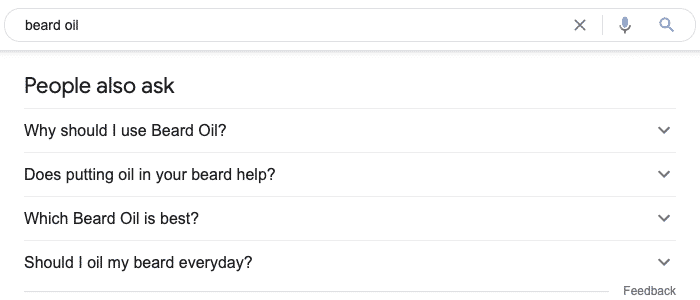
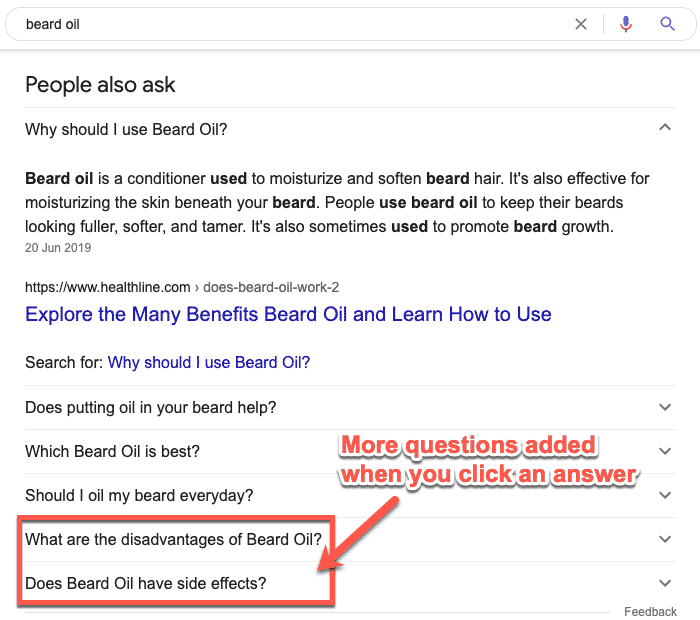
Google’s "People Also Ask" boxes are direct conduits to active user inquiries. However, manually expanding and copying these boxes for multiple seed terms is inefficient.
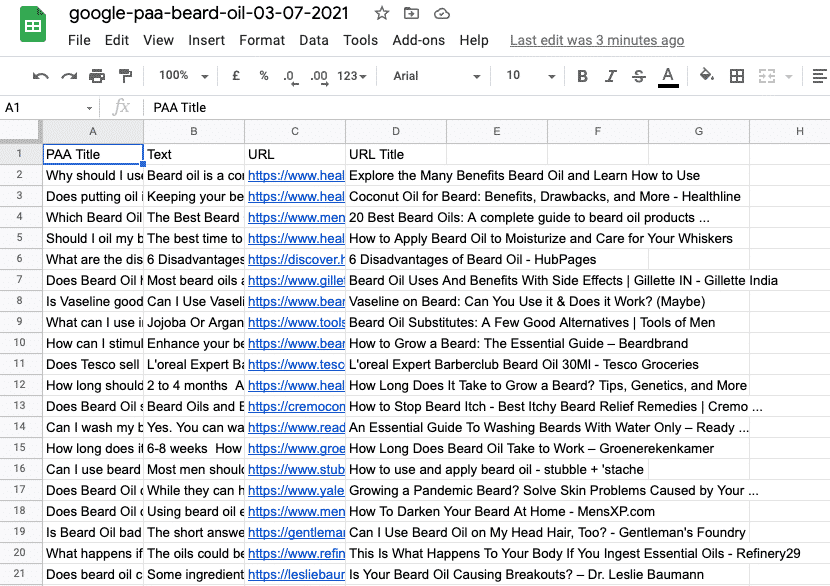
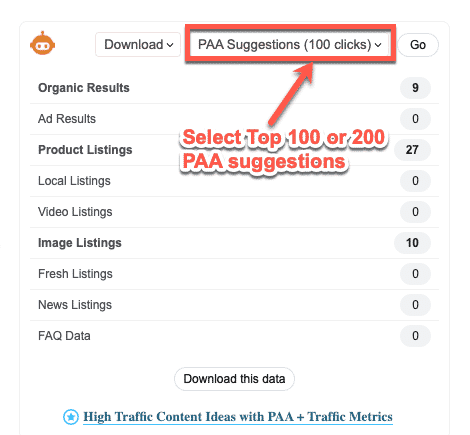
- Installing Automation: Equip your browser with SEO Minion, a free Chrome extension widely recommended by top SEO practitioners.
- Executing the Export: Type your target seed keyword into Google. Locate the SEO Minion widget on the SERP, select the "All Organic Results" dropdown, and configure it to export a robust batch of records (such as the top 100 or 200 PAA results).
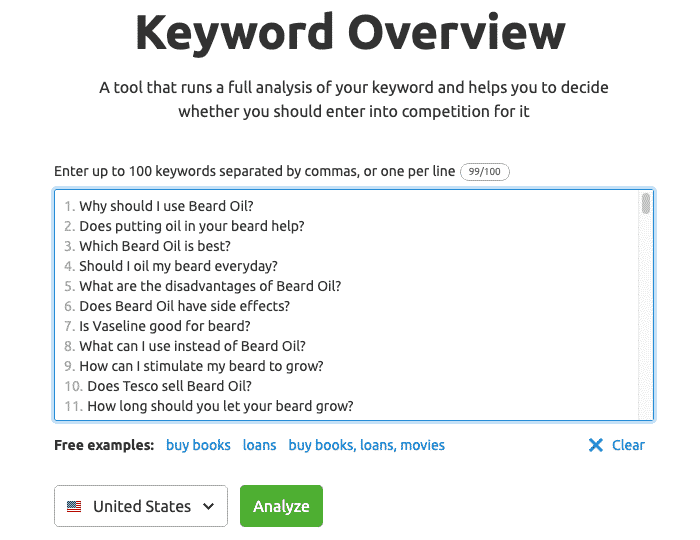
- Data Processing: Download the generated CSV file, copy the primary title column containing the questions, and paste them in bulk into the Semrush Keyword Overview tool.
- Filtering for Viable Targets: Analyze the batch for search volume and keyword difficulty metrics. While every 100 extracted questions may yield only a handful of prime commercial targets, running this process across multiple seed terms yields a rich, low-competition content backlog.
Framework 3: Tapping into Niche-Specific Subreddits
Online communities like Reddit are living focus groups where real people articulate their exact frustrations, technical challenges, and product comparisons.
- Identifying Subreddits: Search for subreddits dedicated to your niche, industry pain points, or competitor ecosystem (e.g., the
r/CRMsubreddit). - Organic Research Extraction: Plug the specific subreddit URL into Semrush’s Organic Research report, ensuring the subfolder parameter is selected.
- Layering Advanced Filters: Refine the data set by setting parameters such as a minimum search volume (e.g., volume $ge$ 20) and a word count filter (e.g., word count > 2) to weed out single-word brand mentions.
- Discovering Unique Angles: Analyze the resulting keyword list for low-competition opportunities. For example, you might uncover comparative terms like "HubSpot vs Salesforce" or highly specific, high-intent queries like "HIPAA compliant CRM" or "best CRM for contractors." If a major competitor falls short in a specific compliance area, you can leverage that gap as a core product differentiator.
Framework 4: Mining High-Traffic Quora Threads
Quora is a massive question-and-answer repository that frequently ranks prominently in organic search results for niche informational queries.

- Targeted Organic Research: Input Quora’s domain into Semrush’s Organic Research report. Apply advanced filters combining your core niche topic with interrogative modifiers (e.g., "beard oil" + "how" or "beard oil" + "best").
- Identifying Green-Tier Opportunities: Scroll through the filtered keyword report to identify low-competition questions marked by green keyword difficulty scores.
- Building the Master List: Click the "+" icon next to relevant terms to add them directly to your master keyword manager. Export the consolidated list, integrate the topics into your editorial content calendar, and assign comprehensive briefs to your writing team.
Future Outlook: The Next Frontier of Intent Optimization
As search engines evolve into conversational, AI-driven answer engines, the mechanics of SEO will continue to shift away from static matching and toward deep contextual relevance. Voice search adoption will only accelerate, solidifying the dominance of natural language, long-tail queries.

Marketers who rely solely on high-volume head terms risk becoming invisible in a landscape where users expect immediate, precise answers to complex questions. By systematically implementing the four frameworks outlined in this report—utilizing dedicated SEO tools, SERP feature extraction, community mining on Reddit, and forum analysis on Quora—organizations can build a resilient, future-proof content strategy.

Ultimately, winning in the modern search environment is not about shouting the loudest; it is about listening closest to the questions your audience is asking, and providing the most authoritative, frictionless answers possible.