

The modern entertainment industry operates as an unrelenting apparatus, demanding relentless visibility, non-stop promotional global tours, and a pervasive public profile from its biggest stars. Yet, the rapid acceleration of digital culture, social media saturation, and the inescapable public eye have triggered a psychological reckoning among many of Hollywood’s most celebrated talents.
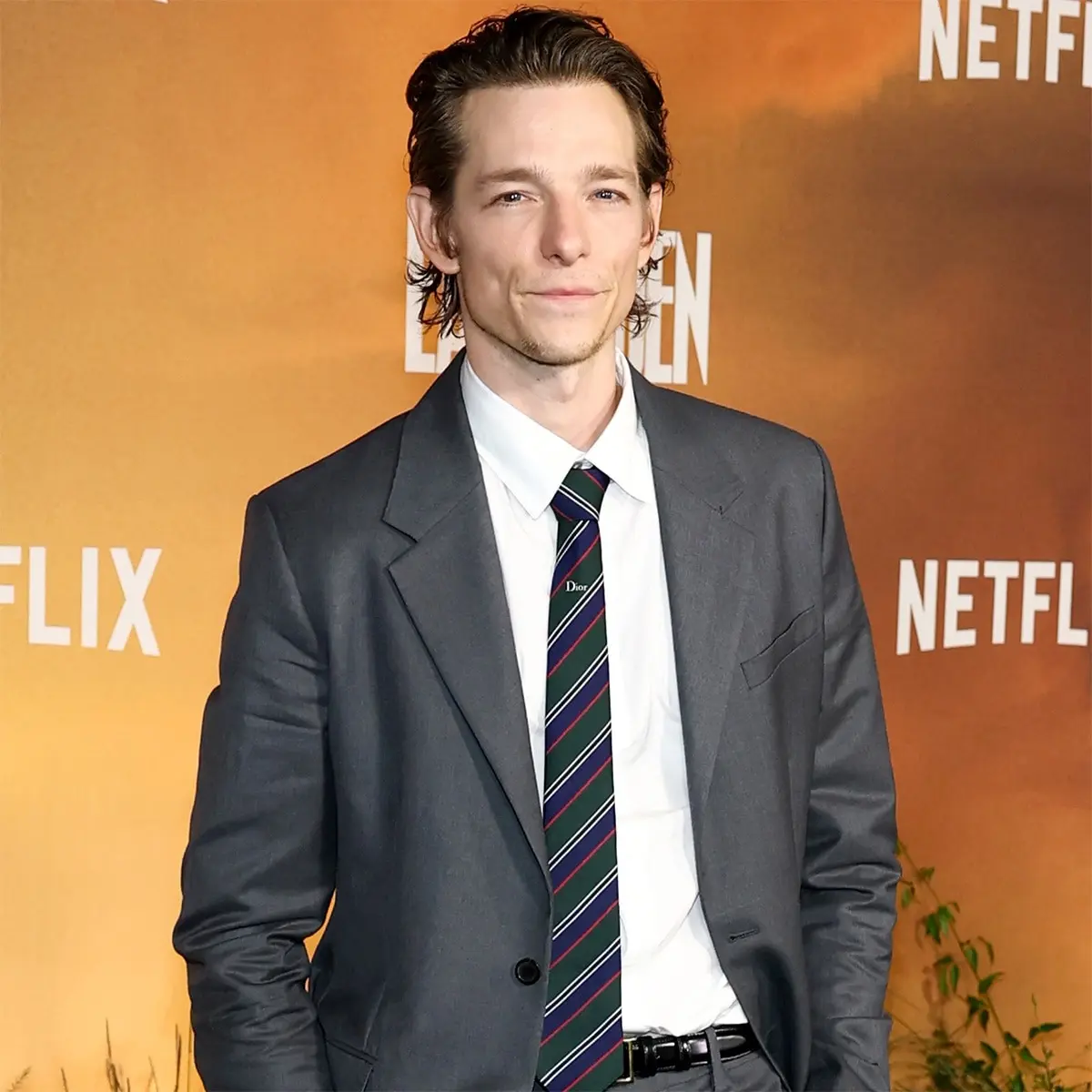
Recently, Challengers breakout star Mike Faist candidly opened up about the profound challenges of sudden international fame following the release of Luca Guadagnino’s 2024 tennis drama. Joining a long lineage of actors, musicians, and public figures who have consciously chosen to step back from the spotlight, Faist’s reflections on anonymity, burnout, and the friction of the public gaze illuminate a wider, systemic crisis within contemporary celebrity culture.
This comprehensive report examines the mounting pressures of modern Hollywood stardom, tracing Mike Faist’s recent confessions alongside a historical and contemporary catalog of artists who traded the relentless machinery of Tinseltown for privacy, creative reclamation, or alternative careers overseas.
Detailed Chronology: The Anatomy of a Breakaway
The phenomenon of Hollywood flight is not new, but the velocity at which young artists experience burnout has accelerated exponentially in the digital age.
2024–2026: The Challengers Phenomenon and Mike Faist’s Recalibration
Following acclaimed turns on Broadway in Dear Evan Hansen and Steven Spielberg’s West Side Story, Mike Faist catapulted into global superstardom with the 2024 release of Challengers, starring alongside Zendaya and Josh O’Connor. However, the exhaustive international press tour and the sudden loss of daily anonymity proved jarring for the 34-year-old actor.
In a candid September interview with GQ, Faist admitted to needing a deliberate break to find his footing. "It became very apparent to me, there’s a moment of just needing to recalibrate probably for myself," he shared. Reflecting on the relentless momentum expected of rising stars, he added, "There’s so much noise in this industry and in the world… I don’t think that I have that kind of stamina. I’m not necessarily a marathon runner."
Facing the prospect of his next major project—Netflix’s high-profile East of Eden miniseries—Faist expressed genuine apprehension regarding the impending return of the public spotlight, noting that stepping into a character is often far easier than navigating the world as himself.
Supporting Context & Metrics: Why Stars Are Leaving Hollywood
Faist’s experience mirrors a broader exodus of talent leaving Los Angeles, abandoning multi-million-dollar film schedules, or altering their career trajectories entirely. Over the past decade, a constellation of major names—ranging from Cameron Diaz and Rick Moranis to Eva Longoria, Richard Gere, and Ellen DeGeneres—have relocated to international locales such as Spain, the United Kingdom, France, and Australia, or sought refuge in rural American enclaves like Indiana and the Hampshire countryside.
The Shift in Global Lifestyles
- Geographic Relocation: Stars like Richard Gere and Alejandra Silva moved their young family to Madrid, Spain, citing a more balanced, bilingual upbringing for their children. Similarly, Christina Milian and her husband Matt Pokora officially settled in Paris, allowing their children to matriculate through the French school system while maintaining a healthy working time zone buffer.
- The Pandemic and Urban Fatigue: Actresses like Eva Longoria have pointed to structural shifts in major metropolitan areas post-pandemic—citing rising urban issues, shifting political landscapes, and changing tax structures—as the tipping point for abandoning traditional Los Angeles bases in favor of split-residence lifestyles in Mexico and Spain.
- Mental Health and Personal Boundaries: For veterans like Josh Hartnett, who relocated to the English countryside with his family, escaping Hollywood was an intentional rejection of a "one-note" lifestyle. "If you’re around people who are constantly talking about the movie business, your life is going to be pretty much one note," Hartnett told People. "I’ve never wanted that."
Official Statements & Personal Revelations
The decision to step back from the relentless machinery of Hollywood is frequently punctuated by deeply personal, revealing statements from the artists themselves.
- Mike Faist on the Loss of Anonymity:
"Before, you’re able to walk outside, you’re able to go to your neighborhood coffee shop, able to chat with your normal person, and you could kind of be whoever you wanted to be… After, it’s like, they point and they say, ‘Oh, you’re the guy.’ You’re like, ‘I guess I’ll wear a hat now.’"
- Lindsay Lohan on Media Intrusion:
Reflecting on her decision to move to Dubai and step away from the center of Los Angeles media scrutiny, Lohan told Bustle: "I feel like some of [my work] got overshadowed by paparazzi… So that’s why I wanted to disappear. I was like, ‘Unless there’s no story here, they’re not going to focus on just my work.’" - Jennette McCurdy on Retiring from Acting:
The iCarly alum opened up on her podcast Empty Inside about the deep-seated friction she felt during her early television career: "My experience with acting is, I’m so ashamed of the parts I’ve done in the past… I resent my career in a lot of ways. I feel so unfulfilled by the roles that I played and felt like it was the most cheesy, embarrassing." - Daniel Day-Lewis on Permanent Retirement (and Eventual Return):
Upon wrapping Paul Thomas Anderson’s Phantom Thread in 2017, the three-time Academy Award winner issued a definitive statement announcing he would "no longer be working as an actor." Though he maintained a strict seven-year hiatus before yielding to a collaboration with his son Ronan on the upcoming 2025 feature Anemone, his initial departure underscored the sheer weight of prestige-level Hollywood production.
Future Outlook: The New Paradigm of Stardom
As the entertainment landscape continues to evolve through streaming platforms, fragmented global audiences, and hyper-accelerated social media cycles, the traditional definition of "movie star" is undergoing a profound mutation.
Artists are increasingly asserting boundaries that prioritize long-term psychological wellbeing over relentless box-office output. Whether through Mike Faist’s deliberate pauses between prestige projects, Jesse Eisenberg’s quiet life in rural Indiana, or Bridgit Mendler’s pivot from Disney Channel stardom to founding a space-satellite startup, the modern creative blueprint is shifting.
The industry is slowly learning that creative longevity requires breathing room. For rising talents attempting to navigate the dizzying heights of global celebrity, stepping back is no longer viewed as a career failure, but rather as an essential mechanism for creative and personal survival.