

Executive Overview
In the modern media landscape, the multi-billion-dollar family entertainment industry relies heavily on complex audience metrics, psychological testing, and focus groups to determine what resonates with young viewers. Yet, amidst the sophisticated algorithms of Hollywood studios, the ultimate litmus test remains remarkably low-tech: the unfiltered, brutally honest critiques of children sitting in their own living rooms.

Originally compiled during a family tradition established in the spring of 2019, a recurring Wednesday night ritual known as "Family Fun Night"—featuring pizza and communal viewing—offers a rare, unvarnished look at how children genuinely process narrative, emotional weight, and cinematic tropes. Revisited here with the benefit of hindsight, this retrospective analysis examines a curated list of ten family films through the candid perspectives of two young brothers, Toby (then eight years old) and Anton (then five years old).

Far from the sanitized praise of traditional trade publications, these juvenile critiques highlight deep truths about children’s media consumption: the unexpected terror of animated death scenes, the pragmatic appreciation for slapstick pranks, and a surprisingly nuanced critique of emotional regulation in contemporary animation. As families navigate holiday breaks and weekend movie marathons, this review serves as both an entertaining cultural artifact and an authoritative guide to the best—and most baffling—elements of modern family cinema.

Detailed Chronology & Critical Breakdown
The cinematic journey of Toby and Anton’s Wednesday night viewings spans a diverse spectrum of genres, ranging from nostalgic live-action comedies to cutting-edge Pixar animation. Below is the comprehensive, chronological examination of the ten films evaluated by the young critics, capturing their unfiltered dialogue and the underlying realities of watching movies with young children.

1. The Parent Trap (1998)
- The Premise: Two identical twins, separated at birth following their parents’ divorce, switch places at a summer camp to reunite their mother and father.
- The Children’s Verdict: A resounding triumph.
- Critical Commentary: For Toby, the appeal lay not just in the antics, but in the aspirational lifestyle of the characters. "If I could have a sister, it would be the girl in Parent Trap," he noted, expressing a particular fascination with the protagonist’s upper-class amenities, including a residential butler and an elaborate secret handshake. So deep was his dedication that Toby even dispatched fan mail to lead actor Dennis Quaid. Five-year-old Anton gravitated toward the visceral humor of the film, highlighting the infamous prank involving a lizard placed upon an unsuspecting adult’s head.
2. Cloudy with a Chance of Meatballs (2009)
- The Premise: An aspiring inventor creates a machine that causes food to fall from the sky, leading to global overabundance and culinary chaos.
- The Children’s Verdict: Highly appetizing and imaginative.
- Critical Commentary: The concept of meteorological gastronomy struck an immediate chord with the brothers. Toby envisioned a steady meteorological diet of rigatoni served with marinara and parmesan cheese, supplemented by a familiarity with the original literary source material. Anton displayed an adventurous culinary palate of his own, expressing a desire for an atmospheric downpour of anchovies—a shared gastronomic preference with his father.
3. Spider-Man: Into the Spider-Verse (2018)
- The Premise: Teenager Miles Morales becomes the new Spider-Man and joins forces with alternate-dimension counterparts to stop a multi-versal threat.
- The Children’s Verdict: Visually stunning, but emotionally hazardous.
- Critical Commentary: While Toby praised the film’s kinetic energy and acrobatic sequences, the viewing experience was marred by unexpected trauma. The early narrative arc features the on-screen death of Peter Parker at the hands of the villainous Kingpin. Toby issued a stark warning to prospective viewers: "I would not recommend watching that movie if you don’t like death scenes. It was so sad. All the people in the movie were crying and covering their mouths. It made me feel sad the next day, too." This critique underscores the fine line family films walk when introducing high-stakes dramatic tension to young minds.
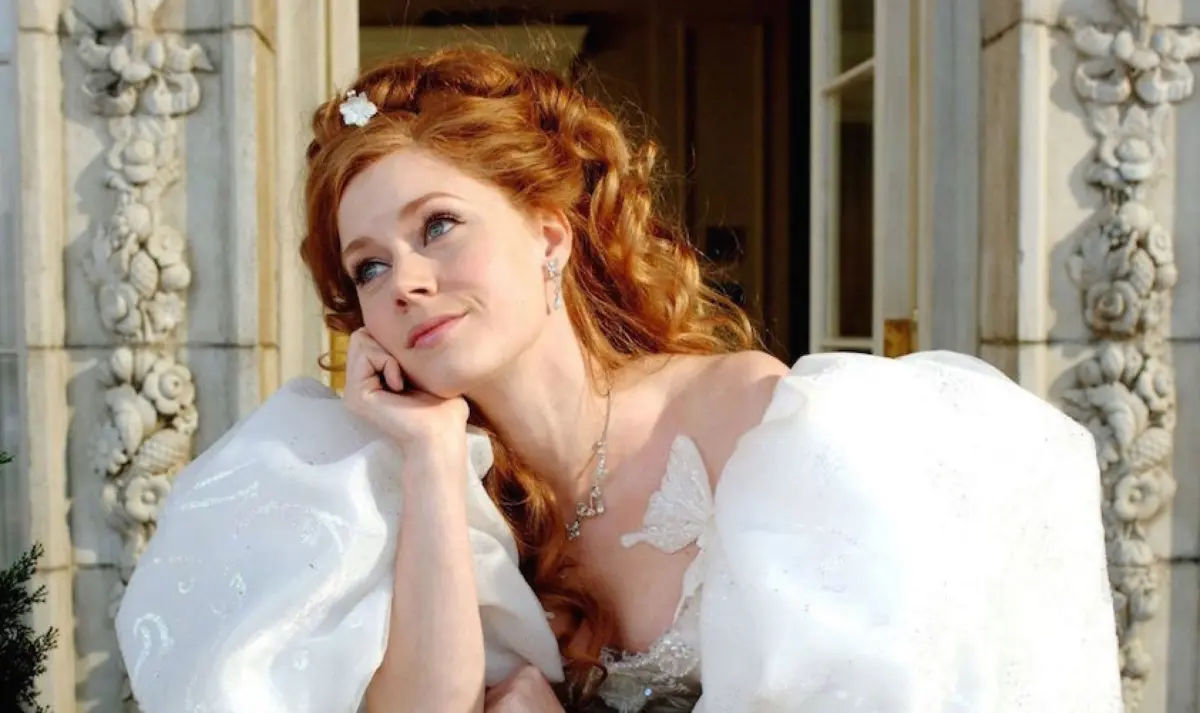
4. Enchanted (2007)
- The Premise: An archetypal animated princess is banished from her magical world by an evil queen and lands in the live-action, cynical reality of modern-day Manhattan.
- The Children’s Verdict: A brilliant blend of grotesque humor and dance.
- Critical Commentary: The juxtaposition of fairy-tale innocence with urban grit delighted the young audience. Toby highlighted a sequence in which New York City wildlife—specifically pigeons, rats, and cockroaches—assist in cleaning an apartment. "It’s funny and gross," he remarked. The film culminated in a physical performance review from Anton, who enthusiastically reenacted the father’s comedic wedding-finale dance.
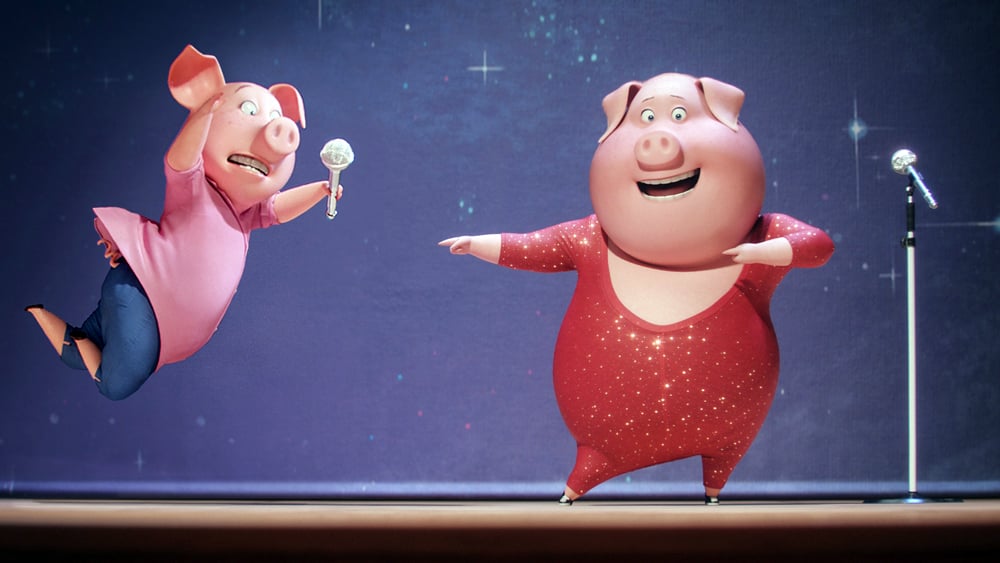
5. Sing (2016)
- The Premise: A koala producer hosts a grand singing competition to save his theater, bringing together a diverse cast of animal contestants with hidden musical talents.
- The Children’s Verdict: A musical masterclass in paternal validation.
- Critical Commentary: The soundtrack proved to be a major selling point, but the emotional core resonated differently. Toby gravitated toward the redemptive family dynamics, specifically highlighting the moment Johnny’s incarcerated father breaks character to express pride in his son. Anton, meanwhile, immersed himself fully in the jukebox aesthetic, citing tracks like "I’m Still Standing" and expressing ambitions to cover classic 1980s pop-rock anthems like "Take on Me."
6. The Sound of Music (1965)
- The Premise: A spirited young Austrian novice is sent to serve as governess to a naval officer’s unruly seven children prior to World War II.
- The Children’s Verdict: Deeply polarized.
- Critical Commentary: The Rodgers and Hammerstein classic received mixed reviews across the sibling demographic. Toby offered a lukewarm appraisal, suggesting that while tolerable, superior cinematic options existed. Anton, however, demonstrated unreserved enthusiasm—punctuated by hiccups—praising the tension of the family’s escape sequence and their musical performance of "Edelweiss," a tune already integrated into the household’s daily repertoire.
7. Inside Out (2015)
- The Premise: Inside the mind of an 11-year-old girl, personified emotions—Joy, Sadness, Fear, Anger, and Disgust—compete for control as she navigates a stressful cross-country move.
- The Children’s Verdict: A subversive dissent against Pixar’s emotional framework.
- Critical Commentary: Eschewing the widespread critical acclaim heaped upon the film by adult reviewers, Toby delivered a surprisingly contrarian analysis. He found the narrative’s central premise unengaging and labeled the embodiment of Joy as persistently annoying. Furthermore, Toby offered a logical critique of the emotional hierarchy: "They say Fear keeps Riley scared, but he actually keeps her safe. They should call him ‘safe.’"
8. Alexander and the Terrible, Horrible, No Good, Very Bad Day (2014)
- The Premise: A young boy experiences a streak of relentless bad luck, culminating in a day where catastrophe spreads to his entire family.
- The Children’s Verdict: Relatable, chaotic slapstick.
- Critical Commentary: The film provided continuous comic relief, anchored by structural failures like a minivan door detaching mid-transit. Beyond the humor, the viewing experience fostered personal identification: Toby noted a striking resemblance between himself and the eldest brother in the film—an observation readily confirmed by Anton.
9. Coco (2017)
- The Premise: An aspiring young musician accidentally travels to the Land of the Dead during Día de los Muertos to find his great-great-grandfather.
- The Children’s Verdict: A life-affirming exploration of mortality.
- Critical Commentary: Addressing the inherent anxieties associated with skeletal imagery, Toby noted that the film quickly subverts expectations of horror in favor of familial warmth. While the adult supervision (the children’s father) succumbed to tearful sentimentality during the screening, Toby viewed the narrative through a lens of comfort, emphasizing the heartwarming concept of posthumous family reunions.
10. Trolls (2016)
- The Premise: Two optimistic and pessimistic trolls must embark on a rescue mission to save their friends from perpetual melancholic predators.
- The Children’s Verdict: A high-tempo manifesto on inner joy.
- Critical Commentary: Bolstered by Justin Timberlake and Anna Kendrick’s pop arrangements, the film delivered a clear philosophical takeaway for Toby. Synthesizing the movie’s moral core, he concluded that happiness is an intrinsic human trait: "Basically, you don’t need to eat a troll to be happy."
Supporting Context & Metrics
Evaluating children’s entertainment requires balancing artistic merit with psychological impact. Industry analysts note that family films generally perform best when they operate on dual levels: providing bright, kinetic slapstick for younger cohorts (ages 3–6) while embedding emotional depth or sophisticated humor for older children and accompanying adults.

| Film Title | Release Year | Primary Appeal (Kids) | Notable Pitfalls / Warnings |
|---|---|---|---|
| The Parent Trap | 1998 | Pranks, luxurious settings, secret handshakes | None reported |
| Cloudy with a Chance of Meatballs | 2009 | Food-based weather, imaginative eating | None reported |
| Spider-Man: Into the Spider-Verse | 2018 | Visual style, action sequences | Intense, upsetting on-screen death scenes |
| Enchanted | 2007 | Gross-out animal helpers, comedic dance | None reported |
| Sing | 2016 | Pop music covers, emotional paternal validation | None reported |
| The Sound of Music | 1965 | Chase sequences, sing-along songs | Paced too slowly for younger viewers |
| Inside Out | 2015 | Conceptual art design | Narrative pacing deemed boring by some children |
| Alexander and the Terrible… | 2014 | High-chaos physical comedy | None reported |
| Coco | 2017 | Musical numbers, comforting view of ancestry | Can induce emotional tears in adult viewers |
| Trolls | 2016 | Upbeat soundtracks, energetic pacing | None reported |
As demonstrated by the metrics above, the threshold for what constitutes a "good" family movie shifts drastically depending on cognitive development. While slapstick mechanics remain universally successful, narrative tragedy—such as that found in Spider-Man—leaves a lingering psychological footprint that studios must navigate carefully.

Future Outlook
As the media consumption habits of Generation Alpha continue to evolve alongside streaming platforms, short-form video, and interactive media, the sanctity of the traditional family movie night remains a resilient cultural anchor. The candid preferences expressed by young viewers in analyses like this provide a vital roadmap for parents and content creators alike.
Looking forward, the pipeline of family entertainment is shifting toward increasingly meta-narratives, cross-platform franchises, and hyper-realistic animation. Yet, the enduring popularity of foundational classics—and the timeless desire for simple rituals like Wednesday night pizza paired with a shared story—suggests that the core ingredients of a successful family film will always remain human connection, shared laughter, and a safe space to process the more complex emotions of growing up. Whether future viewing rosters expand to include PG-rated staples like Freaky Friday or prematurely push into adult cinema, the unvarnished verdict of the living room rug will always be the ultimate authority in children’s entertainment.
