

Executive Overview
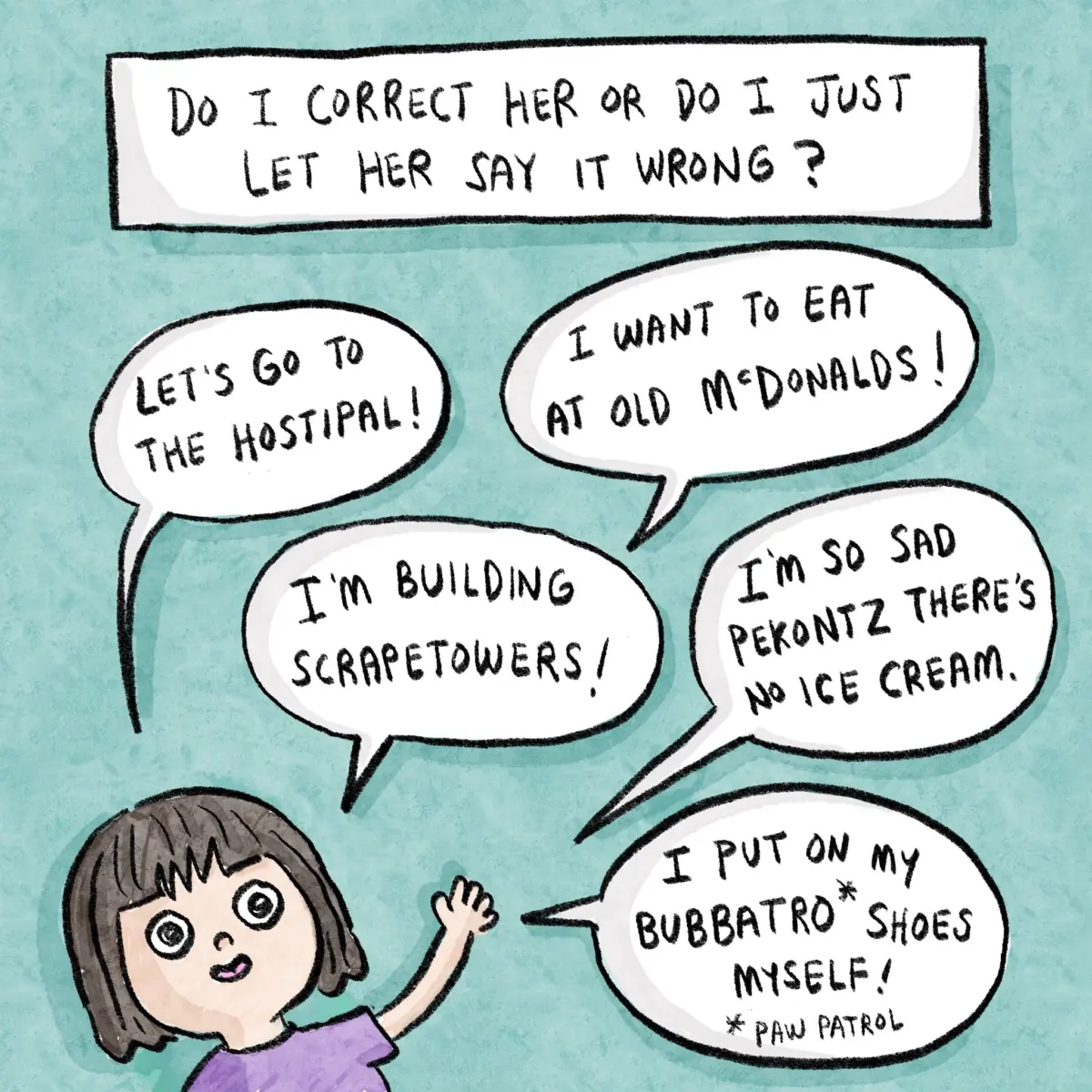
In the realm of modern parenting, few micro-dilemmas are as universally relatable, yet quietly fraught, as the split-second decision parents face when a child mispronounces a word, misinterprets a phrase, or states a delightfully bizarre "fact." Do you correct them and risk crushing their unbridled enthusiasm, or do you let them live in blissful ignorance—and potentially perpetuate the error at the playground?
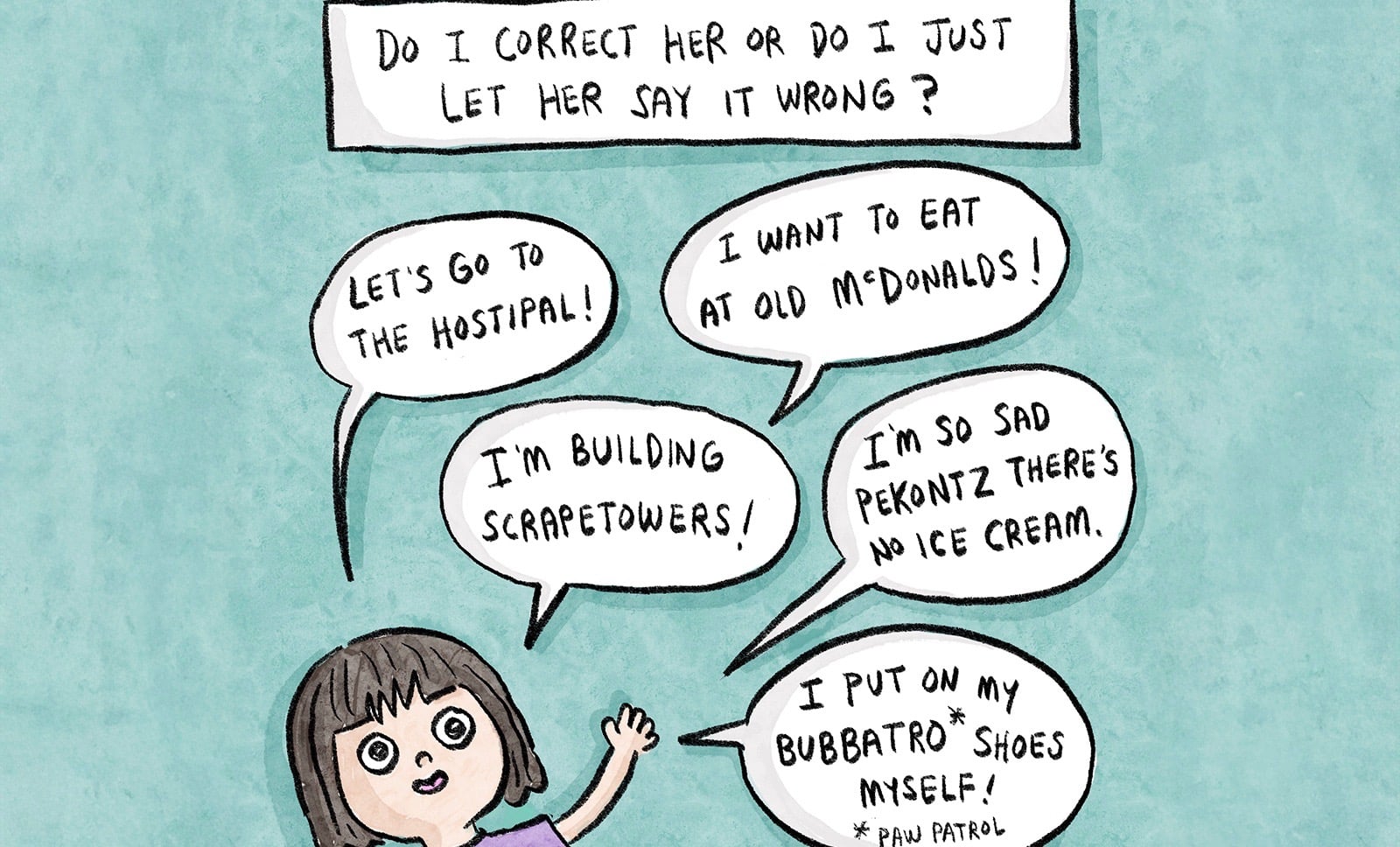
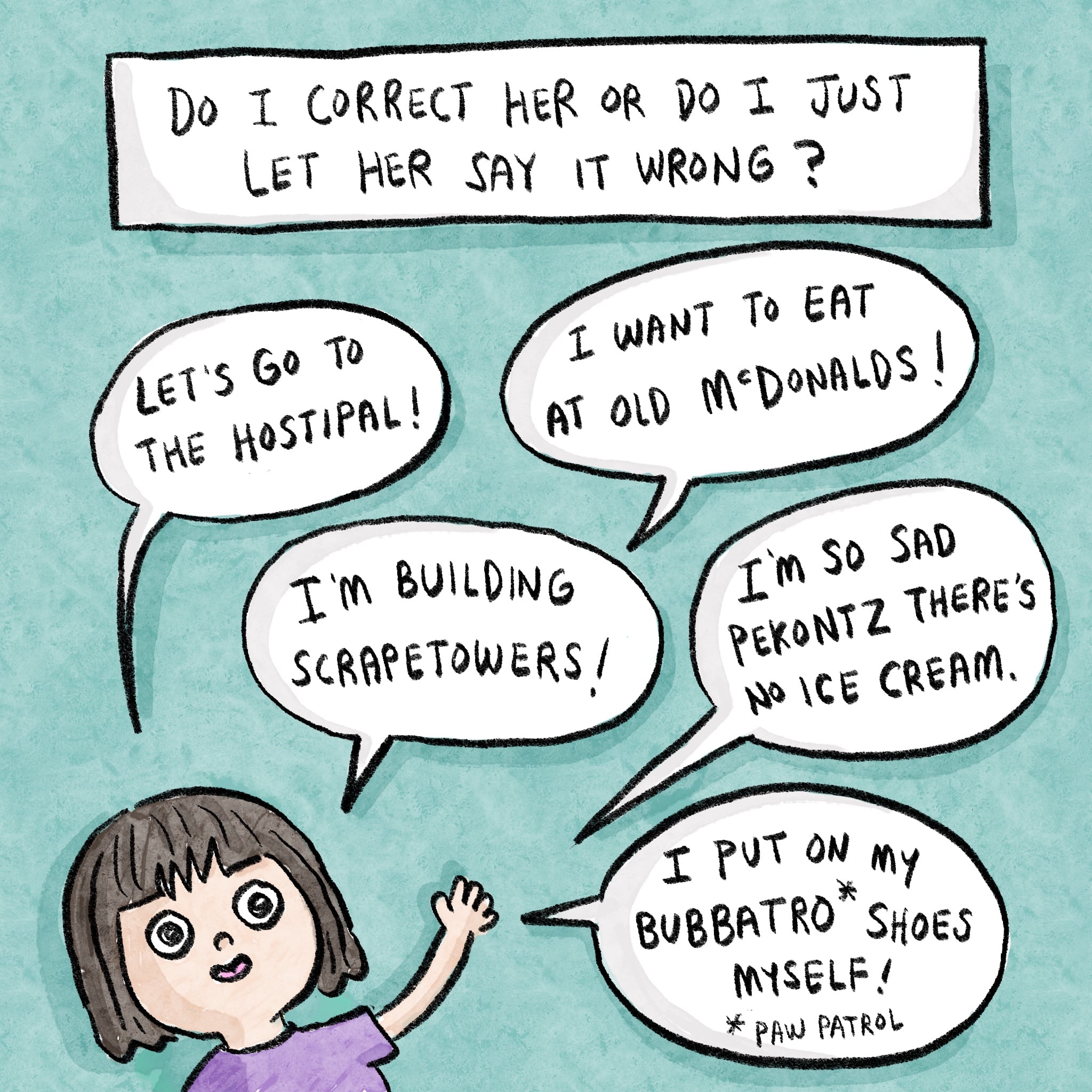
This age-old conundrum is the beating heart of Correcting or Not, the latest thought-provoking and deeply charming comic strip by acclaimed Brooklyn-based author and illustrator Ruth Chan. Published on the popular lifestyle platform Cup of Jo, Chan’s new visual essay captures the microscopic negotiations of daily family life with surgical precision and immense tenderness.
Known for her ability to distill complex emotional topographies—ranging from profound grief and obsessive-compulsive disorder to the fleeting wonder of infancy and the sorrow of losing a pet—into accessible, minimalist illustrations, Chan has once again struck a chord with parents and non-parents alike. This piece not only highlights the quirky, endearing nature of children’s language development but also opens a broader cultural conversation about perfectionism, pedagogy, and the preservation of childhood joy.
Detailed Chronology: The Evolution of Chan’s Illustrative Commentary
To understand the cultural resonance of Correcting or Not, one must trace the trajectory of Ruth Chan’s artistic partnership with Cup of Jo and her broader body of work within contemporary children’s literature.
From the Streets of Brooklyn to the Digital Page
Based in Brooklyn, New York, where she lives and works with her family, Chan has carved out a distinct niche as a chronicler of the human condition viewed through a whimsical yet grounded lens. As a creator of traditionally published children’s books, she spends her professional life obsessing over how young minds interpret visual and verbal stimuli.
Over the past several years, Chan’s collaboration with Cup of Jo has yielded a recurring series of comics that act as emotional weather vanes for modern parenting.
- March 2022: Chan tackled the heavy, delicate subject of grief through a comic that resonated with readers navigating loss.
- May 2022: She offered an intimate look at living with OCD (Obsessive-Compulsive Disorder), destigmatizing mental health struggles within the domestic sphere.
- August 2024: Shifting to the lighter side of developmental psychology, she published Baby Wonder, celebrating the sheer awe infants experience when encountering everyday phenomena for the first time.
- October 2025: She explored the architecture of human connection, dissecting those micro-moments where strangers or loved ones suddenly feel deeply seen.
With the release of Correcting or Not in late 2026, Chan pivots from existential and emotional states to the linguistic minefield of raising small children. The comic systematically breaks down the internal monologue of a caregiver listening to a child boldly assert an incorrect linguistic or factual premise. The chronology of the piece mirrors the split-second internal debate familiar to anyone who has ever raised, taught, or cared for a child: the initial pause, the weighing of educational duty versus emotional preservation, and the ultimate, often hilarious surrender to the child’s alternate universe.
Supporting Context & Metrics: The Science of Child Language Acquisition
While Chan’s work is fundamentally artistic and comedic, it touches upon genuine developmental milestones studied by linguists and psychologists worldwide. Children’s mispronunciations, often affectionately termed "childisms" or cute slips of the tongue, are a vital component of cognitive development.
The Linguistics of "Cute Mispronunciations"
According to developmental psycholinguistics, children do not learn language by rote memorization alone; they actively construct rules. When a child says "foots" instead of "feet," or invents an entirely new vocabulary word for a household object, they are demonstrating an understanding of grammatical rules (applying the plural "s"), even if they haven’t yet mastered the irregularities.

- Overregularization: A common linguistic phase where children apply grammatical rules too broadly (e.g., runned, goed).
- Phonological Simplification: Young children often simplify complex consonant clusters because their vocal tracts and motor planning are still maturing (e.g., saying psgetti instead of spaghetti).
Platforms like Cup of Jo have long tracked these linguistic quirks. In previous reader-favorite segments—such as archives dedicated entirely to funny words kids mispronounce—audiences have flooded comment sections with anecdotes of their children’s semantic inventions. Chan’s Correcting or Not acts as a meta-commentary on these archives, asking the deeper question: When is it our job to fix the map in their heads, and when should we just enjoy the scenery of their imagination?
Official Statements & Creative Insights
Ruth Chan’s artistic philosophy has always centered on empathy, observation, and the validation of everyday experiences. While formal press statements from illustrative projects are often sparse, Chan’s public catalog and essays reveal a creator deeply attuned to the nuances of human vulnerability.
In past reflections on her creative process, Chan has emphasized that her comics are born directly from lived experience and acute observation of the people around her—particularly children, who navigate the world with an unvarnished honesty that adults gradually unlearn. By turning her lens toward the micro-interactions of correction and acceptance, Chan highlights a universal tension: the desire to raise competent, well-informed individuals versus the desire to protect the magical, uncorrected innocence of early childhood.

Industry peers and literary critics have frequently praised Chan’s minimalist aesthetic. Her clean lines and expressive character designs allow readers to project their own children, nieces, nephews, or former selves into the panels. Correcting or Not utilizes this exact visual economy, stripping away extraneous background details to focus entirely on the micro-expression of the child delivering the misstatement and the parent caught in the crosshairs of pedagogy and patience.
Future Outlook: The Enduring Legacy of Relatable Parenting Media
As digital spaces become increasingly saturated with hyper-curated, sanitized depictions of family life, works like Ruth Chan’s Correcting or Not offer a refreshing antidote. They validate the messy, unscripted, and frequently humorous reality of raising the next generation.
What’s Next for Ruth Chan and Cup of Jo?
As Chan continues to split her time between illustrating longer-form children’s literature and contributing these viral vignettes to digital platforms, her influence on contemporary parenting culture continues to expand. Her ability to pivot seamlessly from heavy psychological topics—such as grief and OCD—to lighthearted domestic comedy ensures that her work remains a staple for families navigating every stage of growth.

In the broader cultural landscape, the conversation sparked by Correcting or Not points to a shifting paradigm in parenting. Modern caregivers are increasingly moving away from rigid authoritarian correction toward collaborative, empathetic communication. Whether parents ultimately decide to correct the child who insists that airplanes hatch from eggs or choose to let sleeping dogs lie, Chan’s comic ensures that they feel seen, understood, and deeply amused in the process.
Ultimately, Correcting or Not does not provide a definitive rulebook. Instead, it offers something far more valuable: a mirror reflecting the shared absurdity and profound sweetness of talking to little humans who are rapidly figuring out the world—one wonderfully wrong word at a time.
