

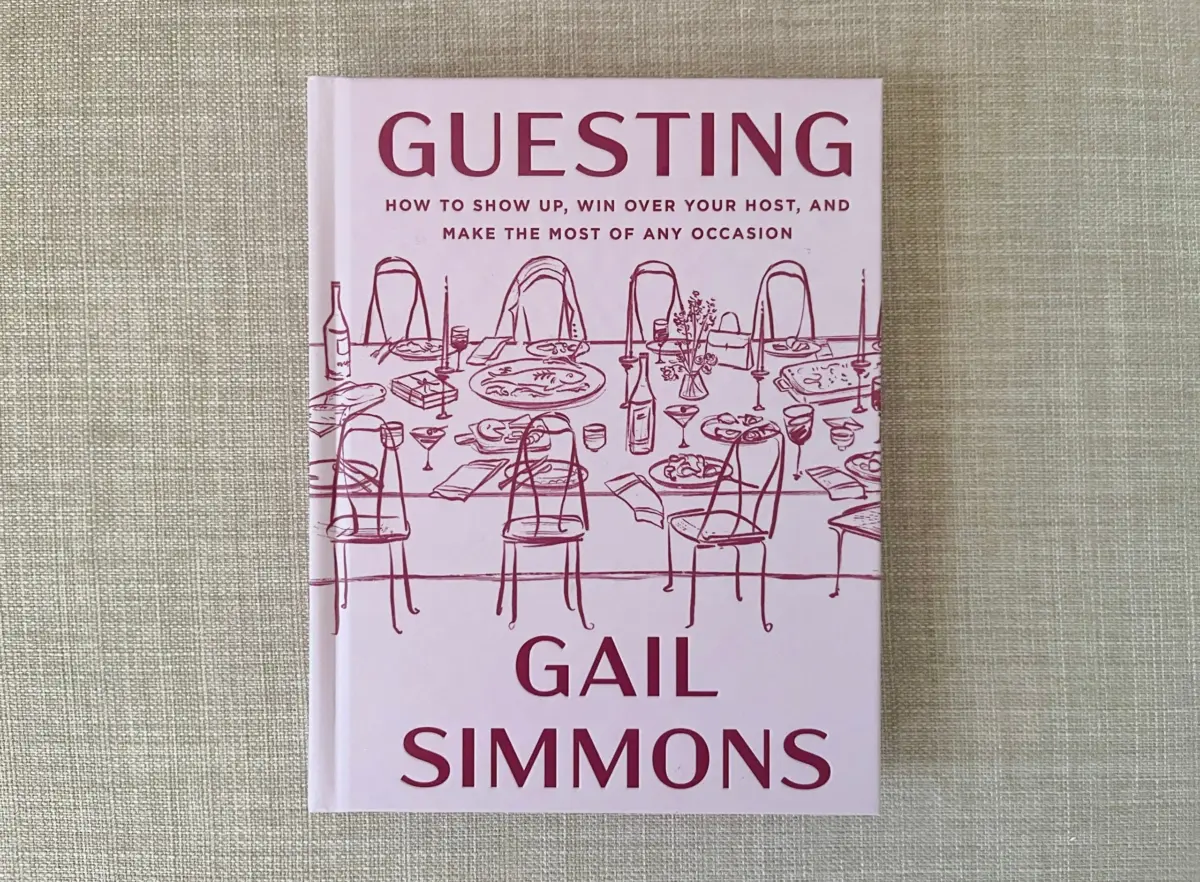
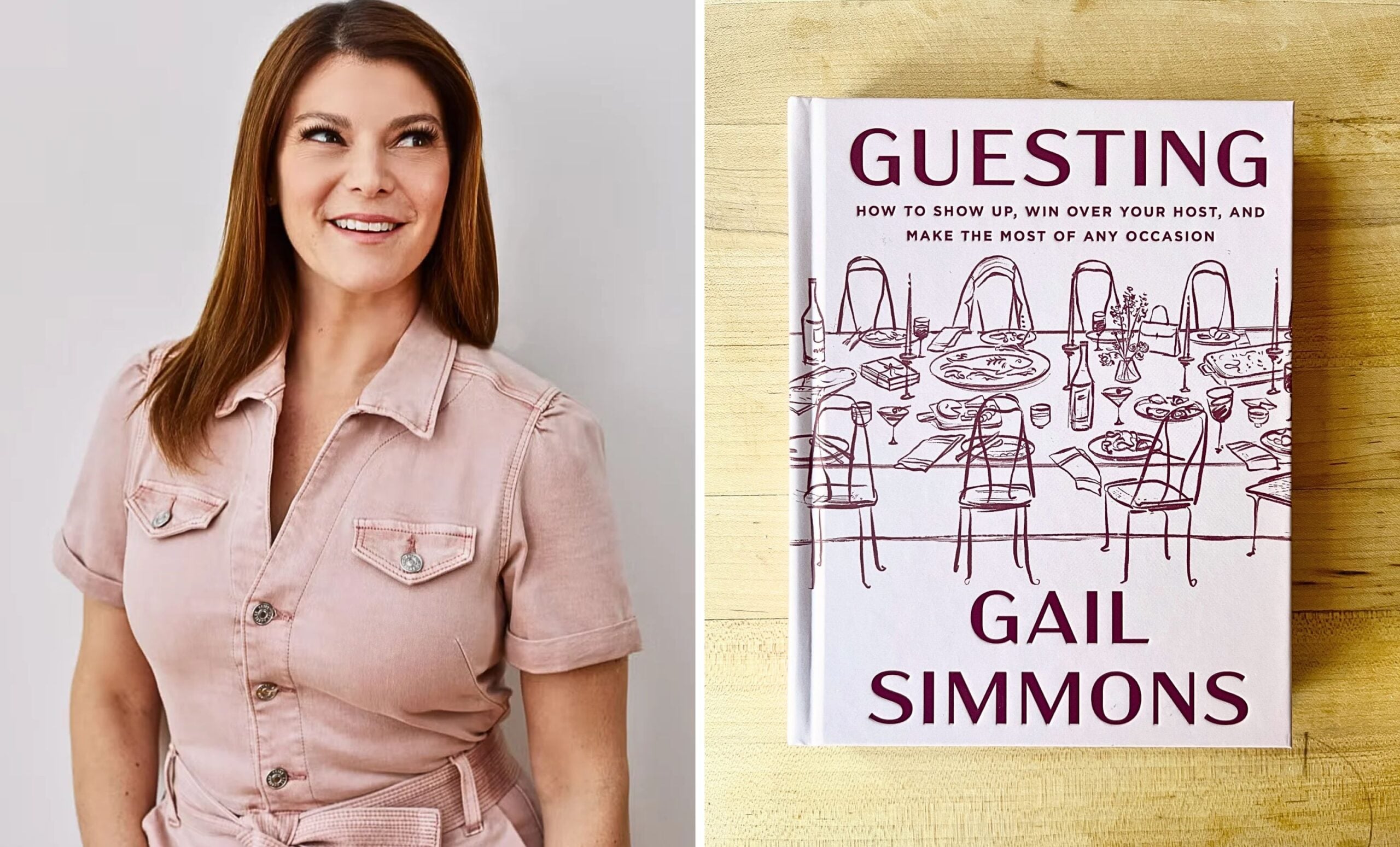
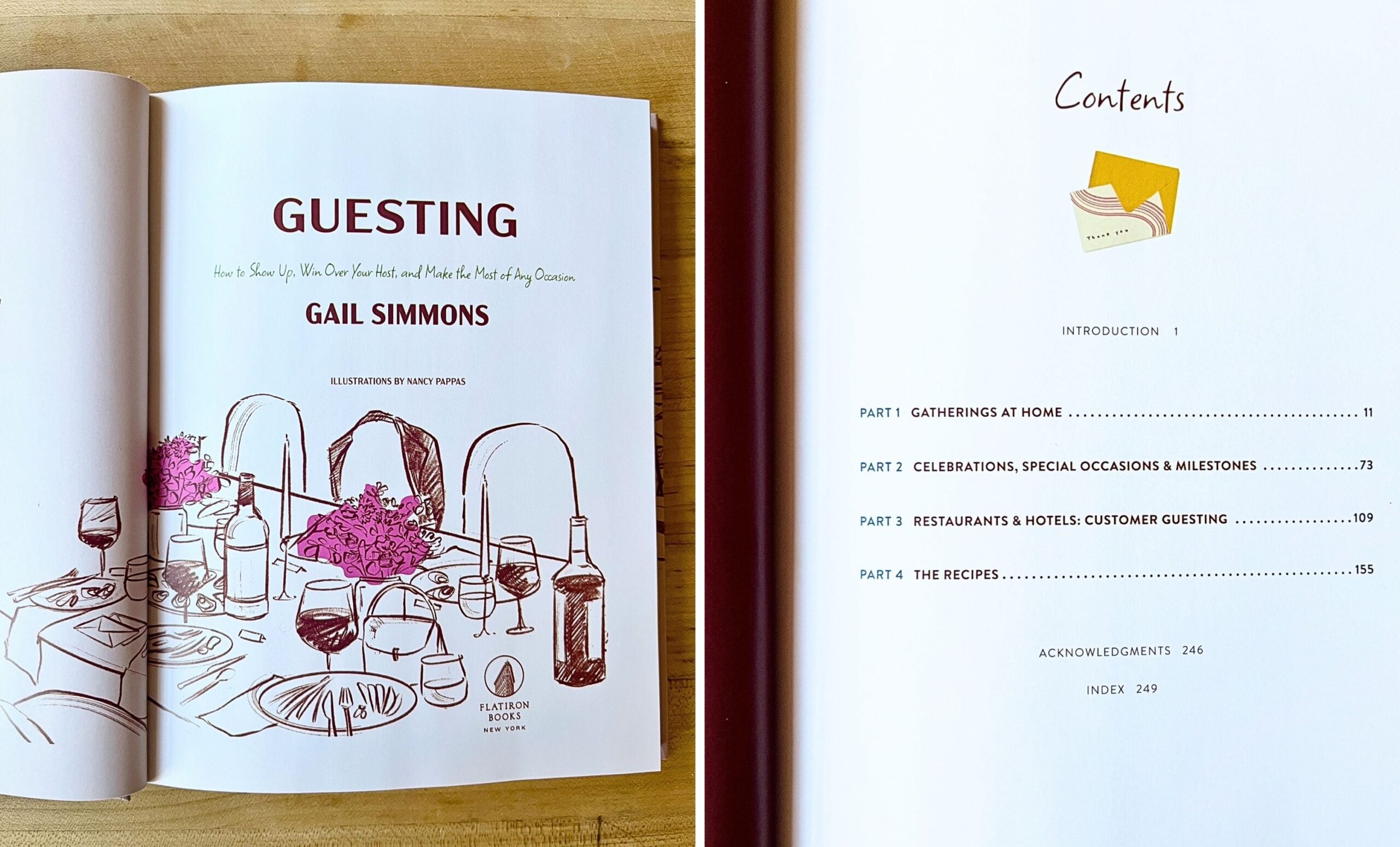
As the holiday season—affectionately dubbed "gathering season"—swings into full gear, the art of social interaction is undergoing a much-needed modern evaluation. Enter Guesting: How to Show Up, Win Over Your Host, and Make the Most of Any Occasion, the definitive new release by culinary authority, author, and beloved Top Chef judge Gail Simmons. Published by Flatiron Books, Guesting redefines what it means to enter another person’s space, moving far beyond dusty Victorian codes of etiquette into the realm of modern emotional intelligence, community-building, and interpersonal mindfulness.
In a review and reflection by Brooklyn-based food writer and cookbook author Casey Elsass, the book is heralded not as a restrictive rulebook for polite society, but as a warm, witty, and exceptionally practical manual for navigating everything from casual dinner parties and massive weddings to fine dining restaurants and boutique hotel stays. At its core, Guesting argues that being a good guest is inextricably tied to being a good friend. Featuring 40 purpose-driven recipes—ranging from batch cocktails like the Ultimate Scorpion Punch to creative snacking boards and homemade food gifts—the book arrives at a pivotal cultural moment. As post-pandemic isolation yields to a deeper societal reckoning with chronic loneliness, Simmons’ guide serves as a timely reminder that community is not merely an optional lifestyle perk, but a fundamental pillar of human well-being.
Detailed Chronology: The Evolution of Guesting
To understand the cultural resonance of Guesting, one must trace the convergence of its author’s storied career and the shifting paradigms of modern socialization.
- The Culinary Foundation (Pre-2000s): Gail Simmons carved out her formidable reputation within the culinary world early on, famously working alongside legendary food critic Jeffrey Steingarten at Vogue. During this tenure, Simmons absorbed invaluable professional habits, including Steingarten’s pragmatic approach to hosting gifts—such as stockpiling exceptional imported olive oils under his desk to grab on the fly.
- The Television Era (2006–Present): For over two decades, Simmons has commanded television screens as a permanent, fan-favorite judge on Bravo’s hit culinary competition series Top Chef. Her ability to critique food with authority, empathy, and constructive nuance cemented her status as a trusted voice in American food culture.
- The Post-Pandemic Social Shift (2020–2025): Following years of global lockdowns and enforced social distancing, society underwent a fundamental behavioral shift. Working-from-home culture and digital communication channels made staying home increasingly comfortable, inadvertently fostering an environment of chronic isolation.
- The Birth of a Concept: Drawing from decades of dinner parties, travels, and professional hospitality engagements, Simmons synthesized her observations into a written manuscript. Rather than focusing solely on the host—as the vast majority of culinary and entertaining literature traditionally does—she inverted the perspective to examine the obligations, anxieties, and profound joys experienced by the person walking through the front door.
- The Release and Cultural Reception (Late 2026): Published by Flatiron Books, Guesting hit shelves just ahead of the winter holiday season, instantly striking a chord with readers navigating the complexities of re-entering high-frequency social calendars. Food writers and critics, including Casey Elsass, quickly championed the book for its paradigm-shifting advice on social anxiety, gratitude, and community connection.
Supporting Context & Metrics: The Science of Socializing and Loneliness
The release of Guesting aligns with a growing body of sociological and public health research emphasizing the dangers of social disconnection. According to data from the U.S. Surgeon General’s advisory on the epidemic of loneliness and isolation, lack of social connection carries a health risk as smoking up to 15 cigarettes a day, while significantly increasing the incidence of cardiovascular disease, dementia, anxiety, and depression.
Simmons’ thesis directly addresses this public health crisis by reframing social invitations. Where modern exhaustion often leads individuals to view an RSVP as a burdensome obligation competing with the comfort of a couch, Guesting argues for a psychological pivot: treating an invitation not as a chore, but as an essential therapeutic intervention for the soul.
Furthermore, the mechanics of modern hospitality represent a multi-billion-dollar global industry. According to retail metrics from home goods and specialty food sectors, consumer spending on host gifts, specialty pantry items, and curated entertaining goods spikes by over 40% during the fourth-quarter holiday season. By introducing scalable, thoughtful concepts—such as keeping a dedicated signature host gift on hand—Simmons addresses both the emotional friction of social pressure and the consumer desire for intentional, unpretentious gifting.
Core Lessons from Guesting: Five Pillars of Modern Socialization
Reviewer Casey Elsass highlights five transformative lessons extracted from Simmons’ text that redefine how individuals should approach human connection:
1. Saying "Yes" is an Act of Self-Care
In an era dominated by burnout, cancelling plans has become socially normalized. However, Simmons posits that repeatedly turning down opportunities to connect exacerbates modern loneliness. By viewing an RSVP-yes not as a drain on energy, but as an investment in mental resilience and community vitality, individuals can break cycles of isolation.
2. The Tenet of Being "Additive"
Among Simmons’ foundational "13 Tenets of Guesting," the directive to be additive stands out as universally applicable. Walking into a home requires more than merely seeking personal enjoyment; it demands a conscious effort to elevate the collective experience. Whether through energetic conversation, clearing a plate, or simply reading the room to provide calm, being additive changes how humans show up for one another.
3. Rescuing the Outlier
Social anxiety often peaks the moment a guest walks into a room of unfamiliar faces. Simmons offers a generous antidote: scan the room for someone who looks equally uncomfortable, or—if comfortable with the crowd—actively integrate someone standing alone into the fold. This outward-facing empathy relieves pressure on the host while forging immediate bonds of goodwill.
4. Gratitude as an Ongoing Practice
Gratitude should not be confined to a perfunctory, obligatory text sent from the Uber ride home. Simmons advocates for extending appreciation well beyond the event—sending delayed notes, sharing fond memories weeks later, or purchasing a small item months down the line that sparks a reminder of a past conversation. Gratitude is framed not as a chore to check off, but as an ongoing affirmation of human relationships.
5. Cultivating a Signature Host Gift
Borrowing a page from legendary Vogue critic Jeffrey Steingarten—who kept cases of curated olive oil beneath his desk—Simmons encourages readers to establish a signature, go-to host gift. Removing the last-minute panic of shopping allows individuals to gift with confidence and authenticity.
Culinary Spotlight: Gail’s Hazelnut-Tahini Puppy Chow
A key element of Guesting is its collection of 40 accessible recipes designed for sharing. Moving away from overly complex culinary feats, Simmons offers sophisticated twists on nostalgic favorites. A prime example is her Hazelnut-Tahini Puppy Chow, an elevated take on the classic childhood snack mix.
GAIL’S HAZELNUT-TAHINI PUPPY CHOW
Yield: 10 servings

Ingredients:
- 6 ounces semisweet chocolate, roughly chopped
- 1/2 cup tahini
- 4 tablespoons (1/2 stick) unsalted butter
- 10 ounces (approx. 11 cups) corn puff cereal (e.g., Gorilla Munch) or crunchy rice/corn squares (e.g., Chex)
- 1 cup hazelnuts, toasted, skins removed, and roughly chopped
- 2 cups powdered sugar, divided

Method:
1. In a microwave-safe bowl, combine chopped chocolate, tahini, and butter. Microwave in 30-second intervals, stirring frequently, until smooth and fully melted.
2. Place cereal in a large mixing bowl. Pour the warm chocolate mixture gently over the top, folding until evenly coated. Gently fold in the toasted, chopped hazelnuts.
3. Divide the mixture into two portions. In a large resealable plastic bag, combine 1 cup of powdered sugar with half of the cereal mixture. Seal tightly and shake vigorously until completely coated. Transfer to a clean bowl and repeat the process with the remaining sugar and cereal.
4. Storage: Store in an airtight container or zip-top bag in the refrigerator for up to four days, or freeze for up to three months for an extra-crunchy texture. Pack in a decorative tin for gifting, ensuring the recipient knows to keep it chilled.
Future Outlook
As society continues to grapple with the tension between digital connectivity and physical isolation, guides like Guesting point toward a healthier, more intentional future. Gail Simmons’ literary contribution transcends the boundaries of cookbook publishing or lifestyle advice; it serves as a cultural manifesto for empathy in shared spaces.
Looking ahead, industry analysts predict a sustained shift toward experience-driven, emotionally grounded hospitality trends. As hosts and guests alike seek deeper authenticity over superficial perfectionism, the principles outlined in Guesting—radical inclusivity, active gratitude, and the courage to show up—will undoubtedly shape the etiquette of modern gatherings for years to come.
