

Executive Overview
In the contemporary landscape of agricultural journalism and fruit grading, a fundamental methodological crisis persists: the wholesale reduction of pomological diversity to a single, monolithic metric—the raw-eating (or "dessert") experience. Modern consumers, conditioned by decades of supermarket homogenization, increasingly expect every cultivar to hit shelves as an "All-Around American Apple," mechanically optimized for immediate hand-to-mouth consumption, casual snacking, or cinematic pie-pelting.
However, this utilitarian approach obscures centuries of agricultural specialization. Fruits like the Calville Blanc d’Hiver (the White Winter Calville)—a legendary heirloom originating in Normandy, France—demonstrate the folly of treating all malus cultivars as uniform snacks. Celebrated globally as France’s pre-eminent baking apple, the Calville Blanc d’Hiver challenges rigid taxonomies by occupying a complex space between culinary necessity and aggressive, high-acid raw consumption.
This investigative report examines the horticultural pedigree, cellular mechanics, sensory profile, and cultural reception of the Calville Blanc d’Hiver sourced from Scott Farm Orchard. By analyzing its unique structural integrity, low sugar-to-acid ratio, and uncompromising flavor compounds, this piece reassesses how specialized heirloom apples challenge our understanding of modern fruit evaluation.
Detailed Chronology: The Historical Pedigree and Cultivation of a French Legend
The lineage of the Calville Blanc d’Hiver is deeply rooted in European pomological history, stretching back centuries across the orchards of Northern France.
Origins and Early European Distribution
Historical agricultural records trace the emergence of the Calville type—characterized by its distinct, deeply ribbed or lobed exterior—to late-Renaissance France. By the 17th century, the White Winter Calville had earned royal favor, famously cultivated within the fruit gardens of King Louis XIII. French horticulturists recognized early on that this bizarrely shaped, pale-yellow fruit possessed unique thermodynamic properties when subjected to heat, making it the undisputed monarch of French pastry arts, essential for classic preparations such as the tarte aux pommes and tarte Tatin.
Transatlantic Transit to American Soil
As European pomologists and settlers cataloged and carried scion wood across the Atlantic, the cultivar found a welcoming microclimate in the northeastern United States. Over generations, orchards dedicated to preserving heritage varieties—such as the Scott Farm Orchard—began cultivating the Calville Blanc d’Hiver, rescuing it from the relentless tide of commercial standardization that favored uniform, sweet, bruise-resistant red varieties like the Red Delicious.

Today, harvesting this specific cultivar requires specialized knowledge. Unlike mass-produced grocery store staples engineered for mechanical harvesting and months of cold storage, the Calville Blanc d’Hiver demands careful arboricultural management, rewarding orchardists and consumers willing to look past its irregular, lumpy exterior in favor of unparalleled interior complexity.
Supporting Context & Metrics: Cellular Mechanics and Sensory Profiling
To understand why the Calville Blanc d’Hiver behaves so differently in the kitchen compared to standard dessert apples, one must examine its structural composition at a cellular level.
The Science of Structural Integrity in Baking
The culinary reputation of the Calville Blanc d’Hiver rests entirely on its physical behavior under thermal stress. During the baking process, lesser apples often collapse into a uniform, watery slurry because their cellular walls lack the necessary rigidity to withstand heat.
- Turgor Pressure and Cell Rigidity: The cellular walls of the Calville Blanc d’Hiver maintain exceptional structural rigidity driven by sustained internal turgor pressure. When baked into tarts, these cells retain their boundaries longer, allowing the apple slices to hold their structural shape rather than dissolving into an unstructured soup.
- The Puree Paradox: Paradoxically, when mechanically sliced into smaller portions and processed, the fruit yields an exceptionally fine, silky puree. This dual nature—holding shape under macro-thermal stress while breaking down under micro-mechanical friction—explains its historical dominance in French patisserie.
Comprehensive Sensory Breakdown
When evaluated outside of culinary preparation—subjected directly to raw, unadulterated consumption—the Calville Blanc d’Hiver delivers an aggressive, highly unconventional sensory experience.
| Sensory Category | Attribute Profile | Detailed Notes |
|---|---|---|
| Texture & Juiciness | Crisp and Vivacious | Exceptionally crisp flesh with a high moisture content that releases rapid, mouth-watering juice upon impact. |
| Sugar-Acid Balance | Low Sugar / High Tartness | Minimal residual sweetness; dominated by an assertive, sharp acidity often likened to the invigorating shock of licking a battery. |
| Primary Aromatics | Citrus-Forward | Strong flavor profile leaning toward tart limeade rather than traditional lemon, underscored by subtle notes of lychee and white grape. |
| Floral & Herbal Notes | Botanical & Dandelion | Delicate elderflower undertones paired with a raw-edged, green skin profile reminiscent of dandelion greens rather than sweet grass. |
Quantitative Scoring Matrix
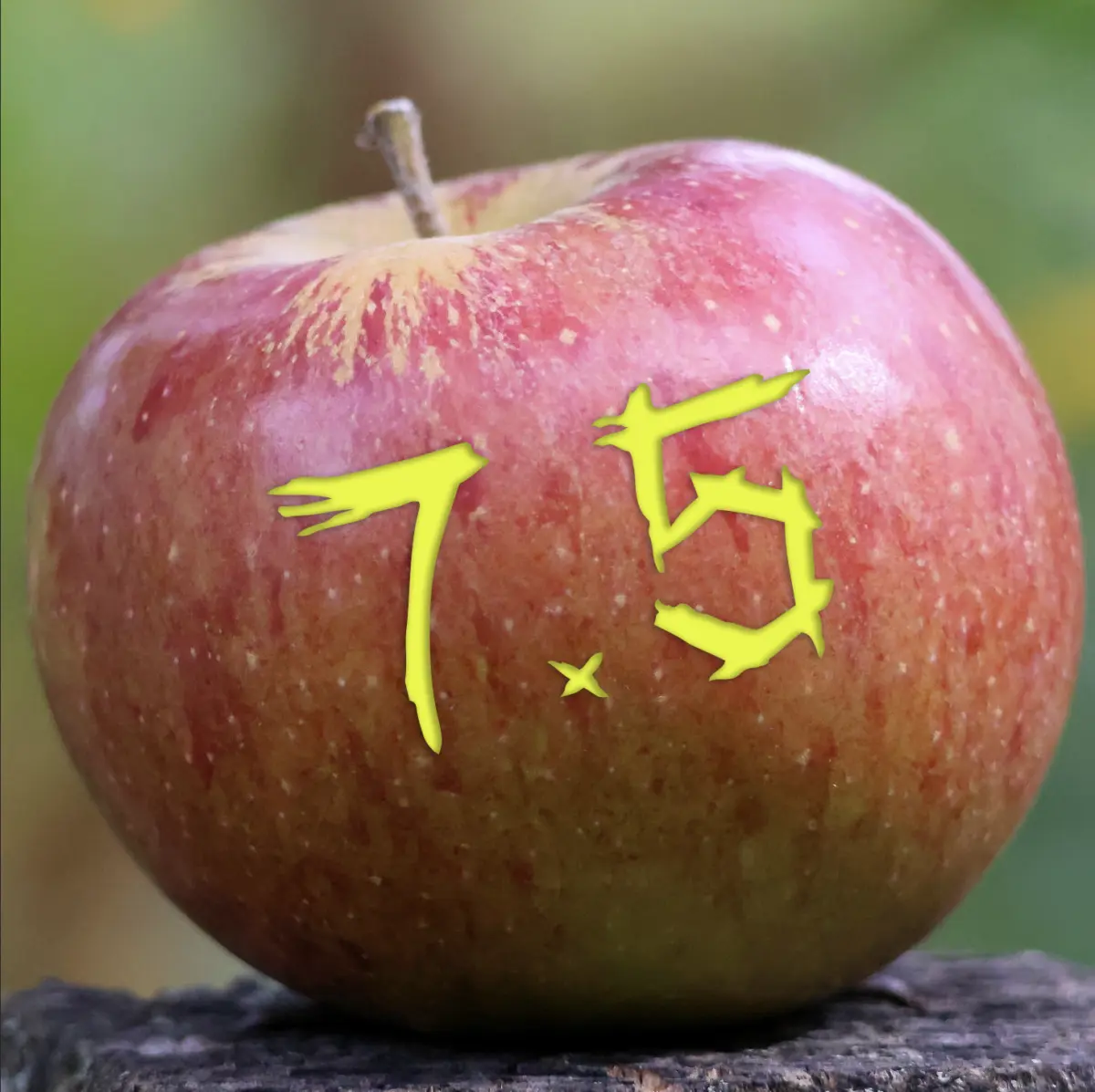
- Specialist / Connoisseur Score: 7.5 / 10 (A masterclass in acidity and complex heirloom aromatics for dedicated pomology enthusiasts).
- Mainstream / "Normie" Score: 6.0 / 10 (Likely to shock untrained palates accustomed to hyper-sweet, low-acid commercial varieties).
Official Statements and Expert Perspectives
While mainstream commercial grading systems prioritize high sugar content and uniform aesthetic perfection, boutique orchardists and heirloom fruit historians offer a starkly different perspective on the value of cultivars like the Calville Blanc d’Hiver.
Independent agricultural critics and heirloom fruit advocates note that the modern consumer’s preference for hyper-sweet, linear flavor profiles has created a "pomological monotony." In various field observations regarding heritage French and American orchards, experts emphasize that apples were historically bred for specific culinary niches—cider-making, storage, drying, heavy baking, and raw consumption.

"To judge an apple solely on its capacity to be eaten raw out of hand is akin to judging a cooking wine by pouring it into a shot glass at a frat party," notes one independent fruit chronicler. "You are missing the entire architectural purpose of the fruit. Varieties like the Calville Blanc d’Hiver demand context, preparation, and an appreciation for high-acid structures that modern palates have largely forgotten."
Furthermore, orchard managers point out that consumer education remains the primary hurdle in reviving interest in historic cultivars. The irregular shape, ribbed skin, and shocking tartness of the White Winter Calville defy standard supermarket expectations, requiring a fundamental shift in how the public perceives fruit quality.
Future Outlook: The Resurgence of Heirloom Pomology
As the agricultural sector moves toward greater appreciation of biodiversity and terroir, the future of specialized heirloom apples like the Calville Blanc d’Hiver appears cautiously optimistic, albeit niche.
1. The Direct-to-Consumer Orchard Movement
With boutique operations—such as Scott Farm Orchard—continuing to cultivate endangered and historic varieties, consumers increasingly access these apples directly through farmers’ markets, specialized CSA boxes, and orchard visits. This direct supply chain bypasses traditional supermarket distribution networks that reject irregularly shaped fruit.
2. Culinary Renaissance and Pastry Arts
A renewed global interest in authentic, traditional European baking techniques is driving professional pastry chefs and home bakers to seek out functional heirloom varieties. As culinary education emphasizes the importance of acid-driven balance in desserts—moving away from one-note sugary sweetness—the demand for culinary-grade heavyweights like the Calville Blanc d’Hiver is expected to grow steadily among dedicated food artisans.
3. Broadening the Pomological Lexicon
Ultimately, the survival and appreciation of cultivars like the White Winter Calville depend on expanding the modern consumer’s flavor vocabulary. By redefining what makes an apple "good"—moving past mere sugar saturation to embrace complexity, structural integrity, and invigorating tartness—the agricultural community can preserve a rich, multi-centuried heritage of fruit breeding for generations to come.
