

Executive Overview
In a watershed moment for immunological research, scientists at the Garvan Institute of Medical Research have published a groundbreaking study that challenges three decades of established medical consensus regarding mevalonate kinase deficiency (MKD). This rare, lifelong, and potentially life-threatening genetic disorder has long baffled clinicians and researchers alike. For thirty years, the global medical community operated under the foundational belief that macrophages—a prominent type of immune cell responsible for coordinating inflammatory defenses—were the primary culprits driving the severe, unpredictable, and agonizing inflammatory episodes characteristic of MKD.
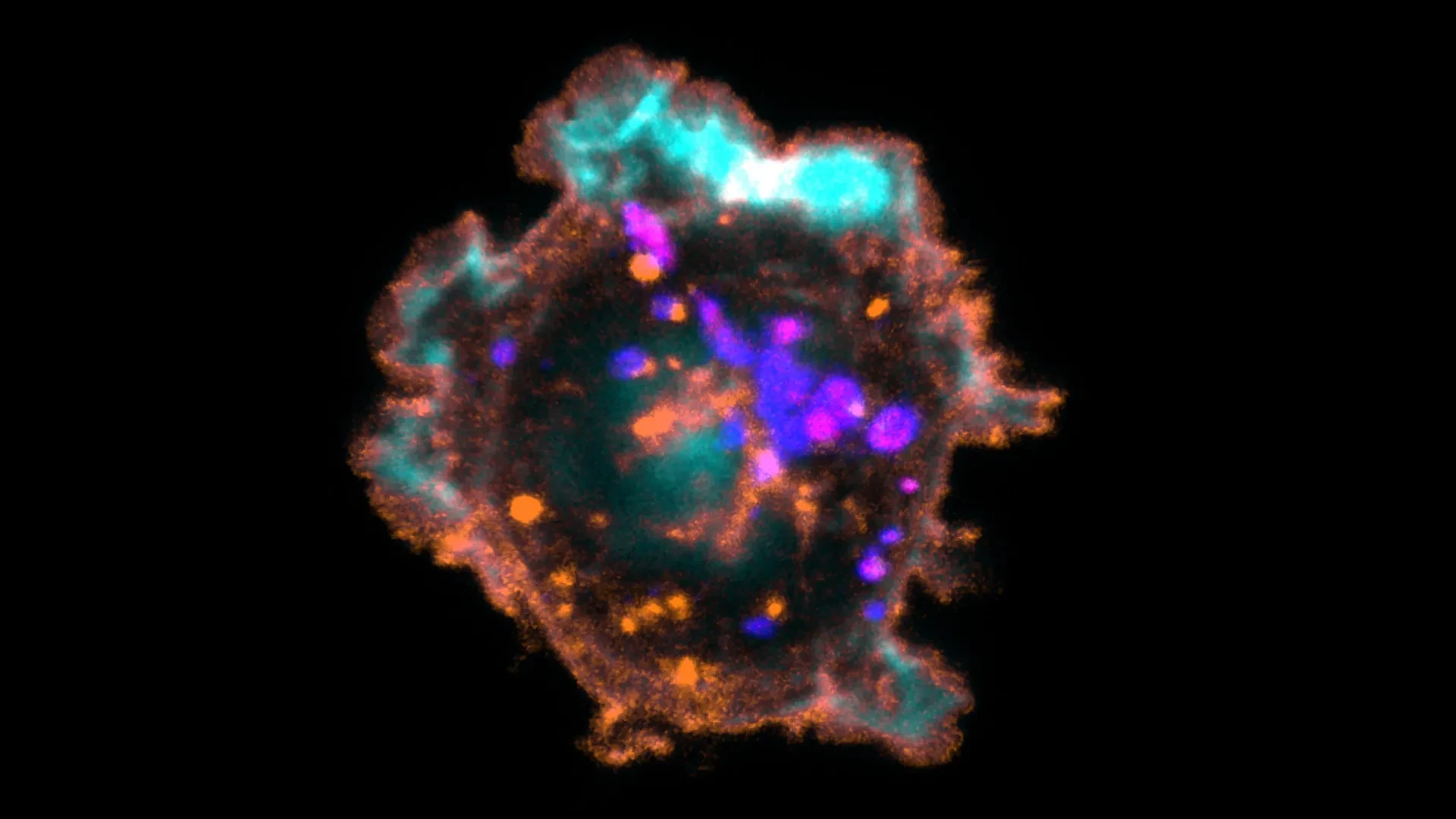
However, new findings published in the prestigious journal Immunity point the finger in an entirely different direction: natural killer (NK) cells. According to the Garvan team, these critical components of the innate immune system malfunction in individuals with MKD, failing to mature correctly or efficiently eliminate infected cells. Unable to complete their biological mission, these "misfiring" NK cells release massive quantities of a powerful inflammatory signaling molecule known as interferon-gamma, triggering the cascade of systemic inflammation, high fevers, and tissue damage that patients endure.
This paradigm shift is far more than an academic victory; it carries immediate, life-altering translational implications. By identifying interferon-gamma and NK cell dysfunction as the true drivers of the pathology, the researchers have unlocked a viable therapeutic pathway using existing medications known as JAK inhibitors. Already, this discovery has guided a compassionate-use treatment for a critically ill infant in Melbourne with remarkable early success. Furthermore, scientists believe this mechanism may underlie an entire family of genetic metabolic disorders known as "prenylopathies," potentially streamlining diagnostics and opening doors to targeted interventions for countless patients trapped in diagnostic limbo.
Detailed Chronology: Unraveling a Three-Decade Medical Mystery
The 30-Year Paradigm: The Reign of the Macrophage
To understand the magnitude of the Garvan Institute’s discovery, one must look back at the trajectory of MKD research. First recognized decades ago, MKD is an autoinflammatory condition affecting hundreds of children and adults globally—though epidemiologists strongly suspect many more cases remain undiagnosed due to the vagaries of its presentation. Patients experience recurring, debilitating attacks characterized by soaring fevers, painful skin rashes, swollen joints, and severe abdominal distress. In its most aggressive manifestations, the disease precipitates fatal complications.
For roughly thirty years, immunology textbooks and clinical strategies were unified around a single hypothesis: macrophages were the central villains. Macrophages act as the immune system’s primary coordinators, engulfing cellular debris and releasing signaling proteins (cytokines) that orchestrate inflammation. Consequently, existing pharmacological interventions were meticulously engineered to block the inflammatory signals originating from macrophages.
Yet, this targeted approach had a glaring clinical shortcoming: it failed approximately half of all patients. Roughly 50% of individuals with MKD experienced no meaningful relief from standard therapies, leaving physicians with few options and patients suffering through agonizing, unpredictable flare-ups. This therapeutic ceiling drove the Garvan team to question whether a crucial piece of the puzzle had been missing all along.
The Investigation: Blood Samples and Preclinical Models
To challenge a thirty-year dogma, the research team—led by Professor Mike Rogers, Lab Head at the Garvan Institute, and Dr. Marcia Munoz, Group Leader in the Rogers Lab—needed robust empirical evidence. They initiated a comprehensive investigation utilizing human blood samples donated by individuals living with MKD, paired with sophisticated preclinical disease models.
Working in close collaboration with Professor Mariapia Degli-Esposti and her team of scientists at Monash University, the researchers scrutinized the behavior of various immune cell populations. While macrophages received scrutiny, attention quickly gravitated toward natural killer (NK) cells. Typically, NK cells form the vanguard of the body’s early antiviral and antitumor defenses. They are hardwired to recognize cellular anomalies and swiftly execute infected cells before pathogens can replicate and spread.
The analysis revealed a profound, systemic defect in the NK cells of MKD patients. Rather than developing into fully competent defenders, these NK cells suffered from arrested maturation. They were structurally and functionally compromised, unable to perform their core biological task: the targeted destruction of virus-infected cells.
The "Misfiring" Mechanism: Trapped Toxins and Interferon-Gamma
The consequences of this NK cell failure extended far beyond an inability to clear infections. The researchers discovered that when MKD NK cells fail to execute their targets, a catastrophic cellular compensation mechanism is triggered.
Normally, NK cells are heavily armed, packed with toxic granules containing potent proteins designed to annihilate infected cells. In MKD patients, however, these toxic granules remain stubbornly trapped inside the cell; they cannot be released. Deprived of their primary weapon, the frustrated NK cells effectively sound a deafening alarm to the rest of the immune system.
The researchers observed these malfunctioning cells pumping out unprecedented volumes of interferon-gamma—a notoriously potent inflammatory cytokine. This deluge of interferon-gamma floods the surrounding tissue, recruiting and activating bystander immune cells, which in turn precipitates the systemic storms of inflammation, excruciating joint pain, and high fevers that define an MKD flare-up.
As Dr. Marcia Munoz succinctly summarized: "This really turns on its head 30 years of dogma about what was thought to be the underlying mechanism of disease. In MKD, the primary problem is in NK cells and not in macrophages, as previously believed."
Supporting Context & Metrics: The Human and Clinical Toll of MKD
Understanding the Disease Burden
Mevalonate kinase deficiency is classified as a rare genetic disorder, but its rarity belies the profound clinical severity it inflicts upon affected families. Caused by mutations in the MVK gene, the condition disrupts the mevalonate pathway—a fundamental metabolic cascade responsible for synthesizing cholesterol and isoprenoids.
While the biochemical defect has been understood for years, translating that metabolic glitch into the macroscopic reality of recurrent, systemic inflammation had remained an elusive scientific quest. The clinical presentation is often referred to by families as "episodes" or "flares," which can strike every few weeks, lasting for several days. These episodes are frequently accompanied by:
- Recurrent Fevers: Spiking abruptly to dangerous levels, often accompanied by chills and profound fatigue.
- Gastrointestinal Distress: Severe abdominal pain, persistent vomiting, and debilitating diarrhea that can lead to failure to thrive in pediatric patients.
- Musculoskeletal Manifestations: Arthralgia (joint pain) and myalgia (muscle pain) so severe that mobility is severely restricted.
- Cutaneous Symptoms: Painful skin rashes that mimic various autoimmune vasculitides.
The Treatment Gap
Before this discovery, clinical management relied heavily on biologic therapies designed to neutralize interleukin-1 (IL-1), a prominent inflammatory cytokine historically linked to macrophage activity. While IL-1 inhibitors provided life-changing relief for a subset of patients, the stubborn reality remained: nearly half of all individuals with MKD derived little to no benefit from these drugs. This therapeutic failure left clinicians managing symptoms with high-dose corticosteroids, carrying their own heavy burden of long-term side effects, particularly for growing children. The identification of NK cell dysfunction and interferon-gamma hypersecretion directly addresses this exact therapeutic gap, offering a scientifically sound rationale for an entirely new class of drugs.
Official Statements and Expert Perspectives
The publication in Immunity has generated ripples across the international immunological
and rheumatological communities, drawing praise for its boldness and clinical utility.
Professor Mike Rogers, the senior author of the study and Conjoint Professor at St Vincent’s Clinical School, Faculty of Medicine and Health, UNSW Sydney, emphasized the translational promise of the work:
"This study has revealed a new target for this inflammatory disorder and sets the scene for future clinical studies to explore the use of JAK inhibitors or other drugs to neutralize interferon gamma in patients with MKD. This could lead to a targeted treatment that hasn’t been tried before."
Dr. Marcia Munoz, lead researcher on the study and Conjoint Senior Lecturer at St Vincent’s Clinical School, UNSW Sydney, highlighted the philosophical shift required by the data:
"This really turns on its head 30 years of dogma about what was thought to be the underlying mechanism of disease. In MKD, the primary problem is in NK cells and not in macrophages, as previously believed."
Speaking on the broader implications for related genetic conditions, Professor Rogers noted the potential to alleviate years of patient suffering:
"Confirming this link could help end the diagnostic odyssey many patients endure for years or even decades before receiving effective treatment."
Future Outlook: Clinical Translation and the Horizon of "Prenylopathies"
The Baricitinib Breakthrough: A Case Study in Compassionate Care
Scientific discovery rarely translates to clinical application with such immediacy, but the urgency of severe pediatric disease catalyzed a rapid-response collaboration. Following their mechanistic insights, the Garvan Institute team partnered with clinical specialists at the Royal Children’s Hospital in Melbourne to manage a severely ill infant afflicted with treatment-resistant MKD.
The clinicians introduced baricitinib—a small-molecule medication belonging to the class known as Janus kinase (JAK) inhibitors—into the infant’s regimen. JAK inhibitors work by disrupting intracellular signaling pathways utilized by various cytokines, most notably interferon-gamma. By blocking these pathways, the drug effectively short-circuits the inflammatory cascade triggered by the malfunctioning NK cells.
The results were profoundly encouraging. Added to the existing treatment protocol, baricitinib successfully mitigated the frequency and intensity of the infant’s inflammatory flare-ups. Crucially, the severe gastrointestinal inflammation that had threatened the child’s development began to heal. While researchers and clinicians rightfully exercise caution regarding single-patient outcomes—recognizing that controlled clinical trials are required to establish broad efficacy—this early real-world success provides a compelling proof-of-concept for targeting the interferon-gamma pathway in MKD.
Expanding the Horizon: The Era of Prenylopathies
Perhaps the most far-reaching implication of the Garvan Institute’s study lies beyond MKD itself. MKD is not an isolated metabolic anomaly; it belongs to a broader family of genetic conditions that researchers have newly categorized under the umbrella term "prenylopathies." These disorders all share disruptions within the same intricate metabolic pathway that processes isoprenoids.
Preliminary data generated by the research team suggest that other prenylopathies may share the exact same cellular pathology discovered in MKD: natural killer cells that fail to mature, retain their toxic cargo, and overproduce interferon-gamma in a desperate, misdirected bid for help.
If ongoing and future studies substantiate this connection, the medical community stands on the precipice of a unified framework for diagnosing and treating an entire class of rare genetic diseases. Instead of treating each condition as an isolated clinical mystery, researchers could deploy shared therapeutic strategies—such as JAK inhibitors or targeted anti-interferon-gamma biologics—across multiple disorders.
For patients and families navigating the isolating and exhausting world of rare diseases, this discovery represents more than just a molecular breakthrough. It signals the potential end of decades of diagnostic uncertainty, the dawn of rational, mechanism-based therapies, and a future where debilitating, unpredictable inflammation can finally be brought under control.
