

Executive Overview
In an era of hyper-globalization where cookie-cutter luxury resorts increasingly blur into a monotonous backdrop of generic opulence, true exclusivity has found a new definition. Today’s discerning travelers are no longer content with standard-issue five-star amenities; instead, they demand a profound, unscripted connection to local culture, ecological integrity, and genuine human warmth. According to recent data from Preferred Hotels & Resorts, nearly three-quarters of luxury travelers refuse to pay for accommodations that lack distinctive local character, while Booking.com reports that 77% prioritize authentic experiences that authentically represent regional heritage.
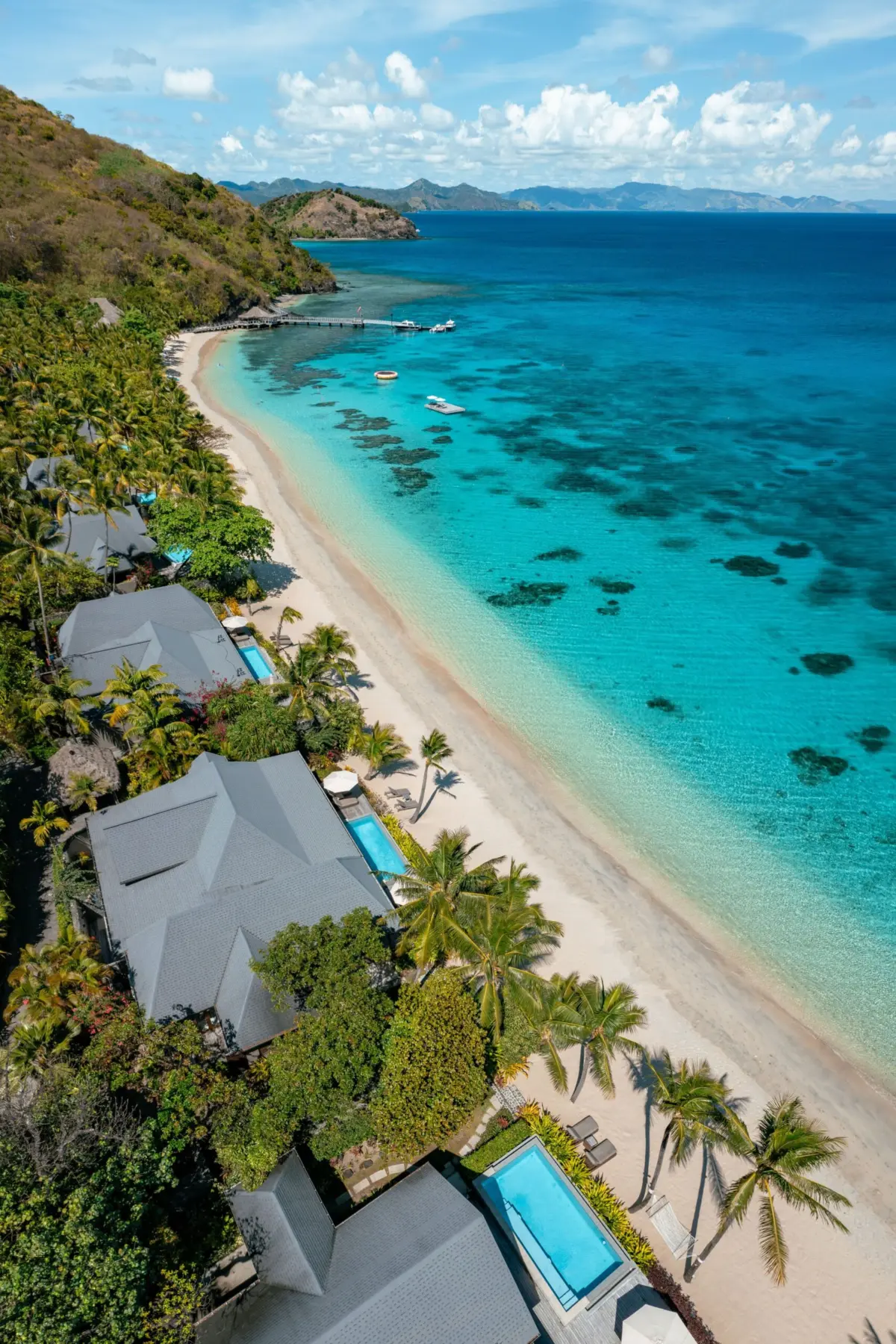
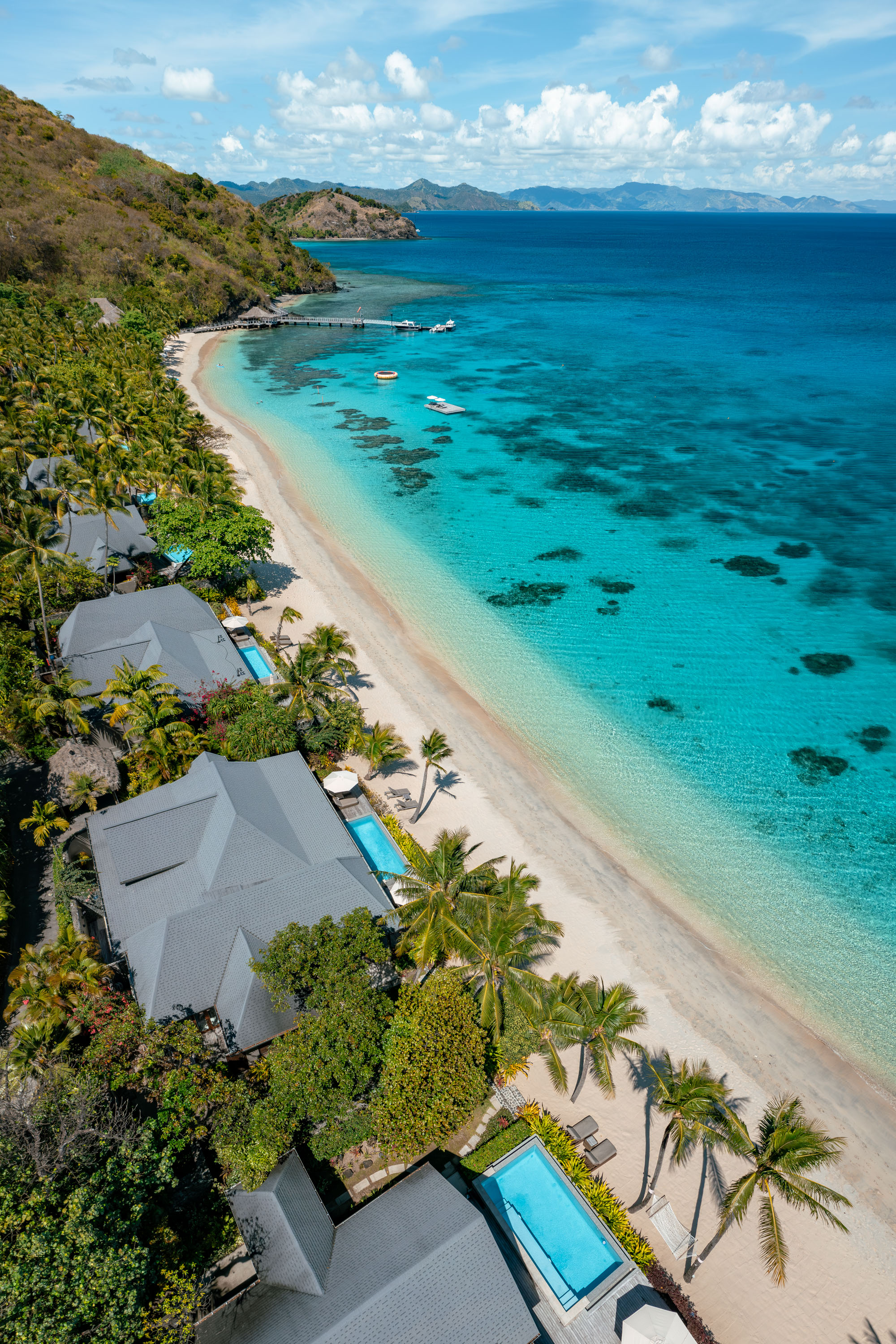
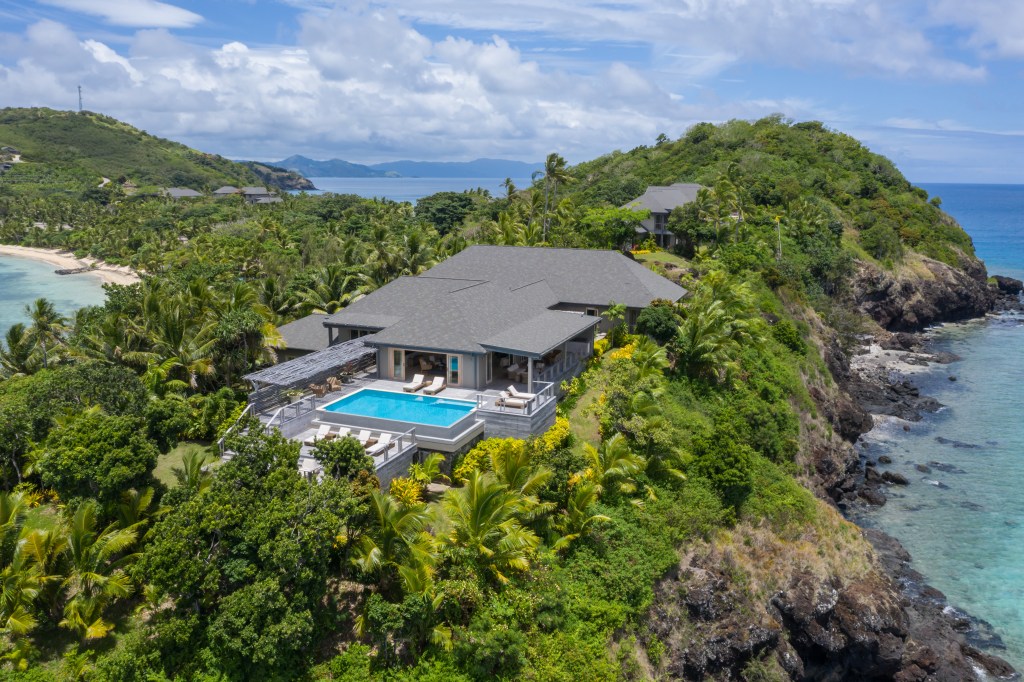
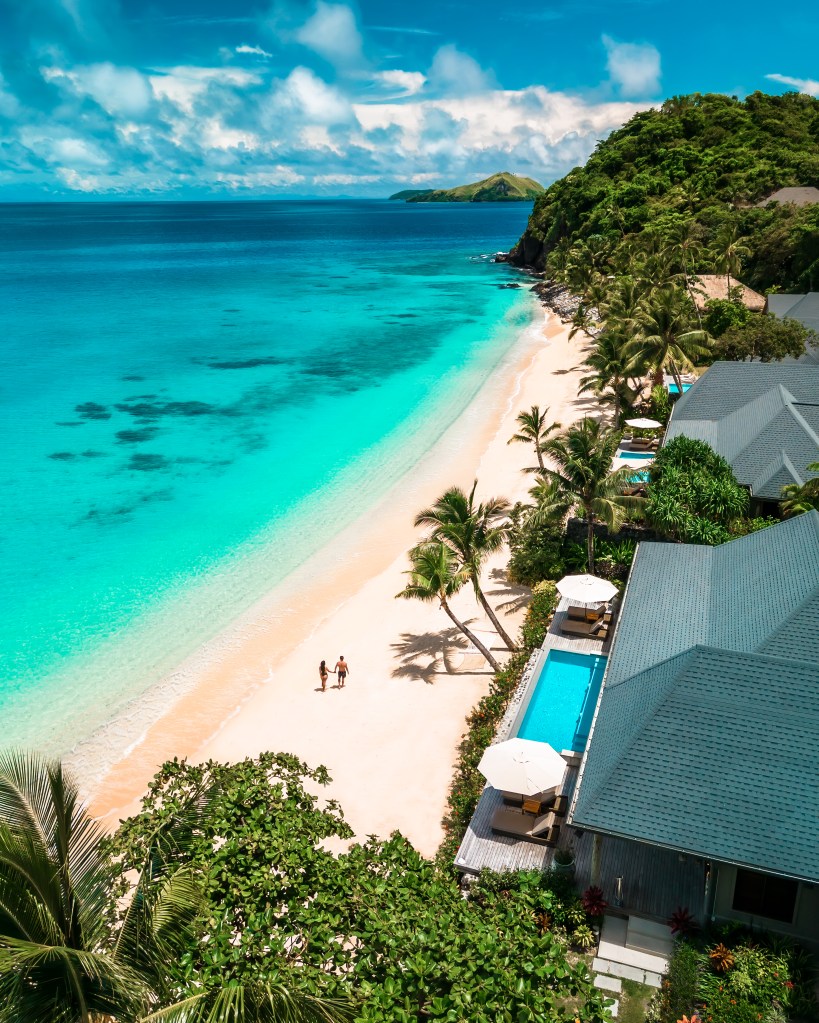
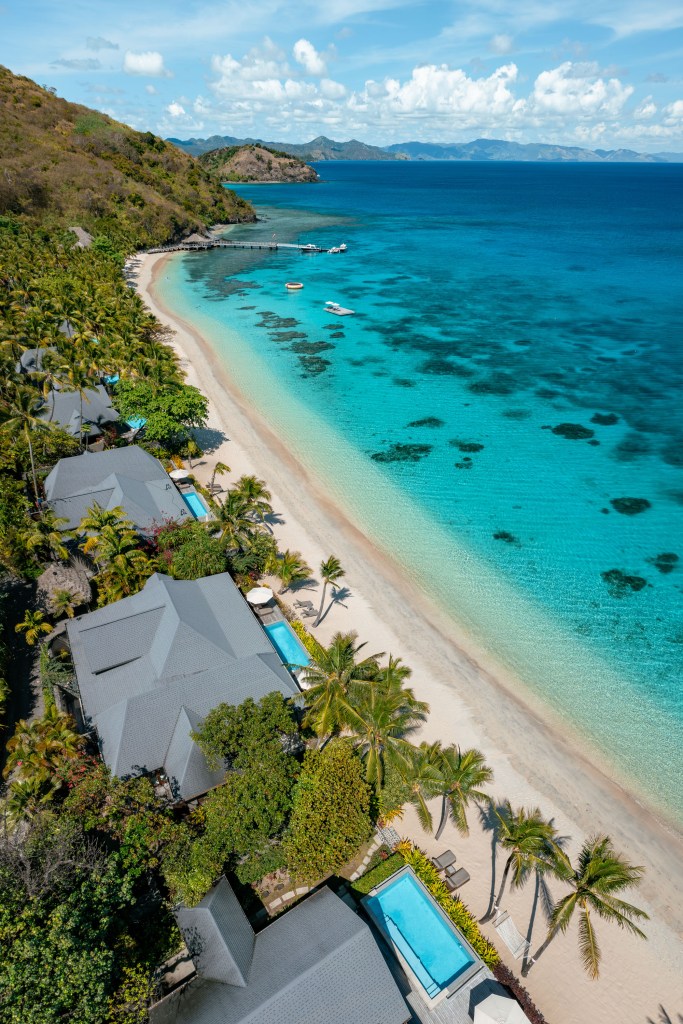
Enter Kokomo Private Island. Situated in the heart of Fiji’s Kadavu archipelago and framed by the breathtaking expanse of the Great Astrolabe Reef, Kokomo stands as a masterclass in modern hospitality excellence. Conceived by the late Australian billionaire property developer and philanthropist Lang Walker and his wife, Sue Walker, this tropical sanctuary represents the culmination of an ambitious, eight-year metamorphosis. What was once an overgrown, abandoned development site has been meticulously transformed into an elite private island haven featuring 21 beachfront villas, five expansive hilltop residences, a sprawling 5.5-acre organic farm, and the world-class Yaukuve Spa Sanctuary.
This deep-dive investigative feature explores how Kokomo Private Island successfully bridges the gap between ultra-luxury and deep-rooted authenticity. By analyzing its operational ethos—ranging from hyper-local culinary sourcing and community-integrated service to pioneering marine conservation—this article unpacks the strategic blueprint that hoteliers, entrepreneurs, and business leaders across all sectors can leverage to meet the modern consumer’s insatiable demand for authentic engagement.
Detailed Chronology: From Abandoned Wasteland to Paradise
The genesis of Kokomo Private Island is a testament to visionary perseverance, long-term capital deployment, and meticulous project management. The chronology of Yaukuve Levu Island traces a path from unrealized potential to a globally recognized standard for sustainable luxury travel.
Phase I: Discovery and Vision (Pre-2009)
Long before it became a haven for international elites, Yaukuve Levu Island sat largely neglected. When Lang and Sue Walker first sailed past the island on their boat, anchoring just outside the barrier of the Great Astrolabe Reef, the landscape bore the tragic scars of a failed, half-completed development project.
"We anchored the boat out the front, looked at it, and thought what a wonderful place this could be," Sue Walker recalls. Yet, seasoned developers know that raw beauty is only a fraction of the equation. The infrastructure was entirely non-existent, the local ecosystem required delicate rehabilitation, and bringing modern amenities to a remote Fijian island presented logistical hurdles that would deter most investors.
Phase II: The Eight-Year Build (2009–2017)
Turning the Walker vision into reality required nearly a decade of relentless effort, heavy investment, and architectural ingenuity. The development strategy prioritized low-density architecture to preserve the island’s natural topography. Every structure was deliberately positioned to blend into the surrounding tropical foliage rather than dominate it.
Simultaneously, the team laid the groundwork for the island’s operational independence, establishing foundational agricultural spaces, securing sustainable water and energy systems, and forging deep, respectful ties with neighboring indigenous Fijian communities.
Phase III: The Grand Opening and Evolution (2017–Present)
In March 2017, Kokomo Private Island officially opened its doors to the world. Over the subsequent years, the resort continually refined its offerings, expanding its agricultural output, institutionalizing robust marine conservation partnerships (such as its collaboration with Manta Project Fiji), and earning a reputation as one of the premier eco-luxury properties globally. Today, Kokomo operates not merely as a commercial resort, but as a living ecosystem where luxury hospitality and environmental stewardship exist in absolute harmony.
Supporting Context & Metrics: The Shift Toward Authenticity
To understand why Kokomo’s model resonates so deeply with contemporary travelers, one must examine the broader macroeconomic and psychological shifts reshaping the global tourism and hospitality industries.
The Consumer Demand for Hyper-Localism
For decades, luxury hospitality was defined by uniformity—the promise that a hotel suite in Tokyo, New York, or Fiji would offer the exact same Westernized comforts, predictable menus, and sterile elegance. However, consumer sentiment has experienced a radical paradigm shift:
- The Preferred Hotels & Resorts Benchmark: Industry data indicates that roughly 74% of luxury travelers actively reject accommodations that feel generic or disconnected from their physical surroundings.
- The Booking.com Index: Approximately 77% of modern tourists state that experiencing genuine local culture is a primary deciding factor when booking high-end trips.
- The Rise of Conscious Consumerism: Travelers are increasingly evaluating properties based on their socio-economic impact on host communities and their carbon footprints. Properties that rely entirely on imported goods and isolated bubbles are rapidly losing market share to those that integrate directly with local economies.
Kokomo’s Operational Metrics in Practice
Kokomo operationalizes these industry shifts through concrete, measurable metrics:
- Agricultural Autonomy: Over 80% of all herbs, greens, and vegetables utilized across the resort’s three primary dining venues are sourced directly from the island’s own 5.5-acre organic farm and hydroponic gardens.
- Marine Preservation Scale: Through its active coral restoration initiatives, the island has successfully transplanted more than 2,000 corals, with six dedicated nurseries capable of supporting over 10,000 corals per season.
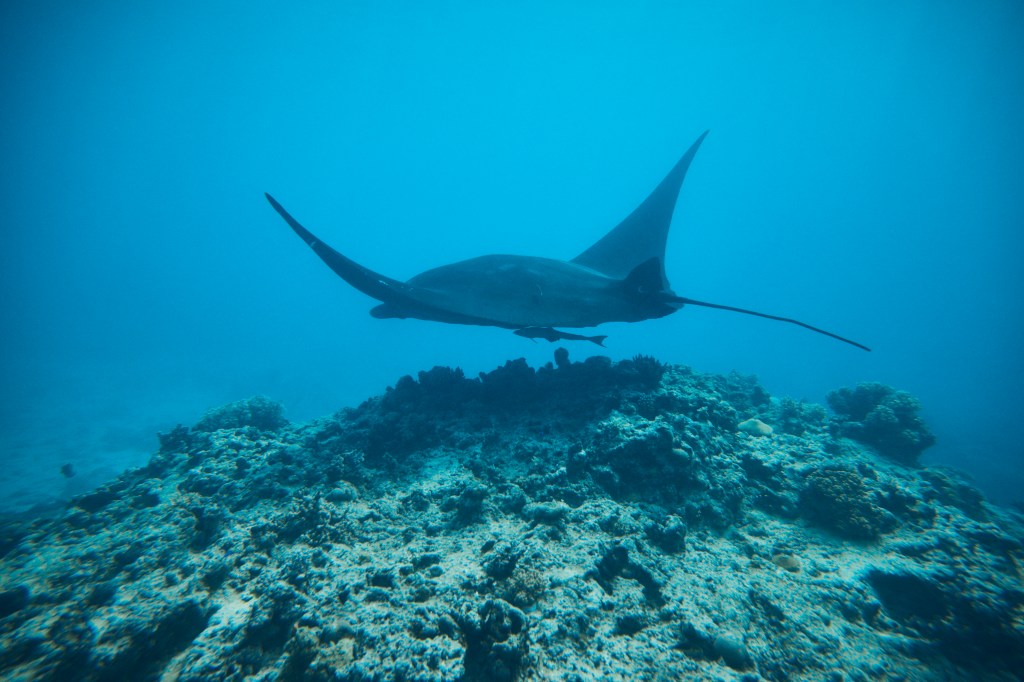
- Fauna Monitoring: Collaborating closely with Manta Project Fiji, the resort has contributed to tracking over 500 manta ray sightings in local waters, cementing a data-driven approach to marine conservation.
Official Statements & Industry Perspectives
The philosophy underpinning Kokomo Private Island is best articulated through the insights of its founders, culinary directors, and hospitality experts who believe that true luxury must be felt rather than forced.
Sue Walker on Unforced Authenticity and Freedom
Reflecting on the core ethos of the resort, Sue Walker emphasizes that luxury should never translate to rigidity or artificial pretense.
"Authenticity comes from allowing those relationships and traditions to exist naturally, rather than trying to manufacture an experience for guests," Walker notes. "When someone shares a story about their village, introduces a guest to a local custom or folklore, or simply welcomes them with genuine Fijian hospitality, that’s what stays with people."
On the physical design of the resort experience, Walker adds:
"For me, true luxury isn’t about formality. It’s about comfort, freedom, being able to enjoy yourself without feeling constrained by the usual expectations of a hotel. Children should be able to run around, explore, and have adventures, while their parents and grandparents can relax and enjoy the island in their own way."
Executive Chef Marty Kindleysides on Culinary Integrity
Operating a remote island resort presents monumental supply chain challenges. Executive Chef Marty Kindleysides explains how Kokomo converts these challenges into a distinctive culinary advantage by leaning into hyper-local sourcing.
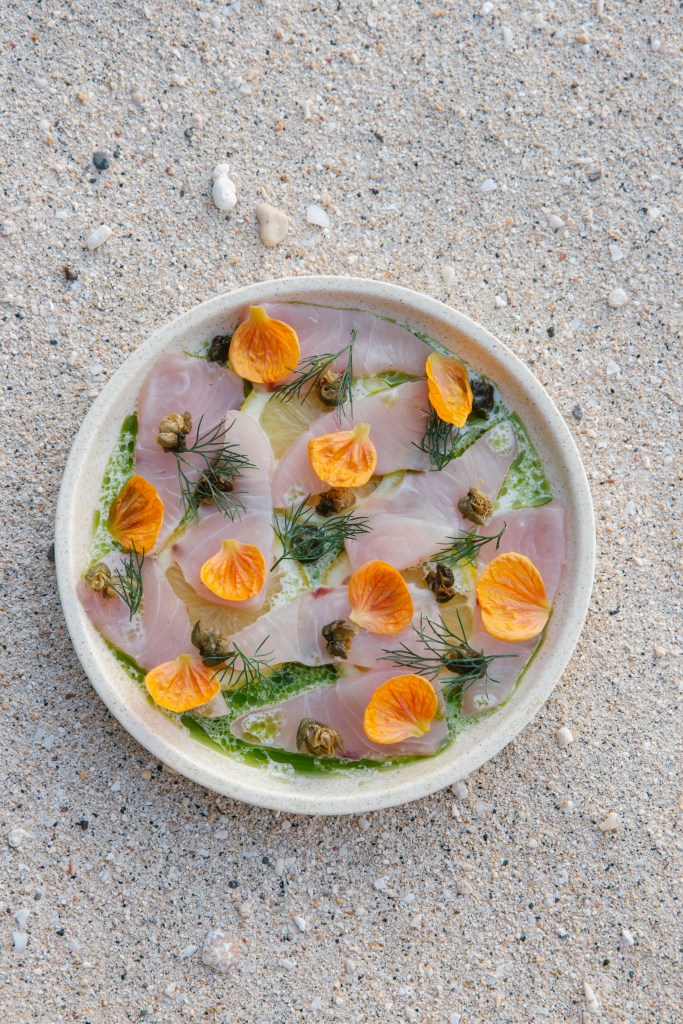
"A fish caught locally that morning, vegetables picked from the garden, herbs cut just before they’re used," Kindleysides explains. "You can’t get much fresher than that. Building and operating a resort in such a remote location comes with enormous logistical challenges, so growing more of our own food and reducing our reliance on imported produce makes sense on many levels."
The Guest Experience: From "Bula" to Community Integration
The journey into Kokomo begins long before checking into a villa. Guests arriving via a 45-minute seaplane flight touch down directly on the crystalline turquoise waters enveloping the property. Welcomed by a chorus of staff singing traditional Fijian songs, presented with a salusalu (traditional garland), and handed fresh coconut water, visitors are instantly immersed in the culture.
This seamless integration extends beyond the resort gates. Excursions to neighboring indigenous settlements, such as Dravuni Village, offer visitors an unfiltered look at Fijian heritage—participating in centuries-old kava ceremonies, listening to traditional vocal performances, and exploring hand-woven crafts alongside guides who grew up on the land.
Future Outlook: The Blueprint for Modern Business Excellence
As the global hospitality landscape continues to evolve, the lessons derived from Kokomo Private Island offer a powerful strategic roadmap for business leaders across diverse industries—not just travel and tourism.
1. Seamless, End-to-End Personalization
First impressions are vital, but sustaining a welcoming, customer-centric environment requires cultural alignment across every tier of an organization. Businesses must move away from scripted, corporate interactions and instead foster genuine relationships rooted in empathy, active listening, and local context.
2. Environmental Stewardship as a Core Value
Conservation and sustainability can no longer be treated as marketing afterthoughts or superficial "greenwashing" initiatives. As demonstrated by Kokomo’s coral planting programs and marine research partnerships, embedding customers directly into conservation efforts transforms passive consumers into passionate brand advocates. When a traveler actively participates in protecting a local ecosystem, brand loyalty becomes permanent.
3. Supply Chain Resilience Through Hyper-Localism
The vulnerabilities exposed in global supply chains over recent years have forced smart businesses to reconsider their dependencies on imported goods. By developing on-site agricultural assets—such as Kokomo’s 5.5-acre organic farm—companies can simultaneously reduce their carbon footprint, elevate product quality, and insulate themselves against external logistics disruptions.
4. Redefining Luxury Through Freedom and Comfort
In both hospitality and consumer products, modern prestige is shifting away from stiffness, formality, and ostentatious display. Instead, consumers increasingly value space, time, ease, and emotional resonance. Designing products and services that empower customers to relax, reconnect, and experience genuine freedom is the ultimate competitive advantage in the modern economy.
Ultimately, Kokomo Private Island achieves what its founders set out to accomplish: it transcends the traditional boundaries of a luxury resort to become a living, breathing home away from home. For entrepreneurs and industry leaders watching the rapid transformation of consumer expectations, Kokomo serves as an enduring reminder that authenticity, sustainability, and uncompromising quality will always remain the ultimate currencies of success.
