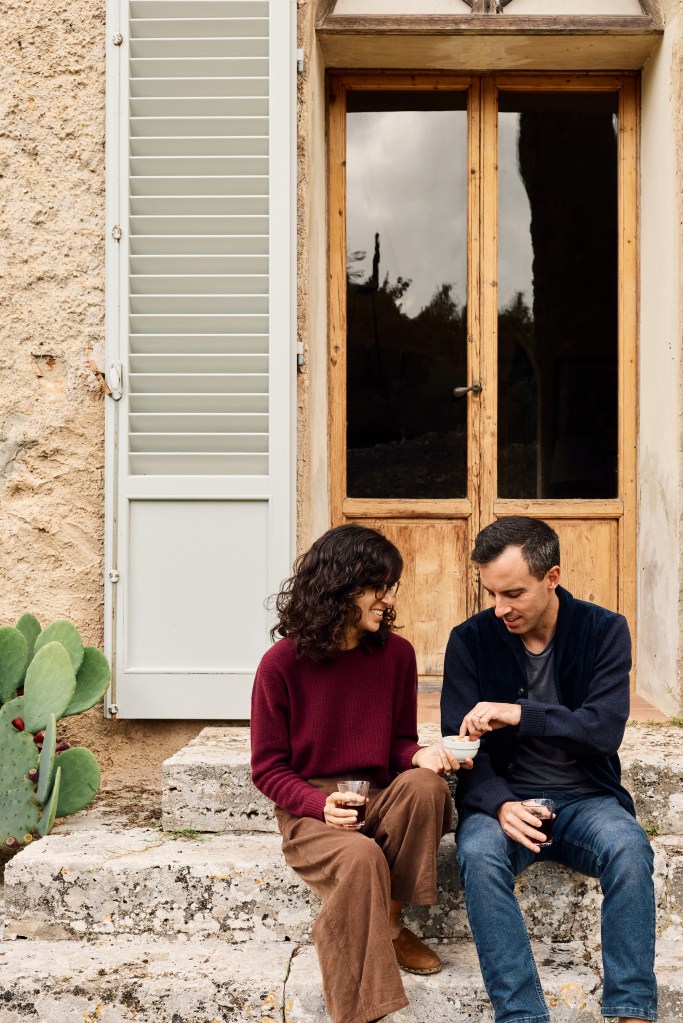
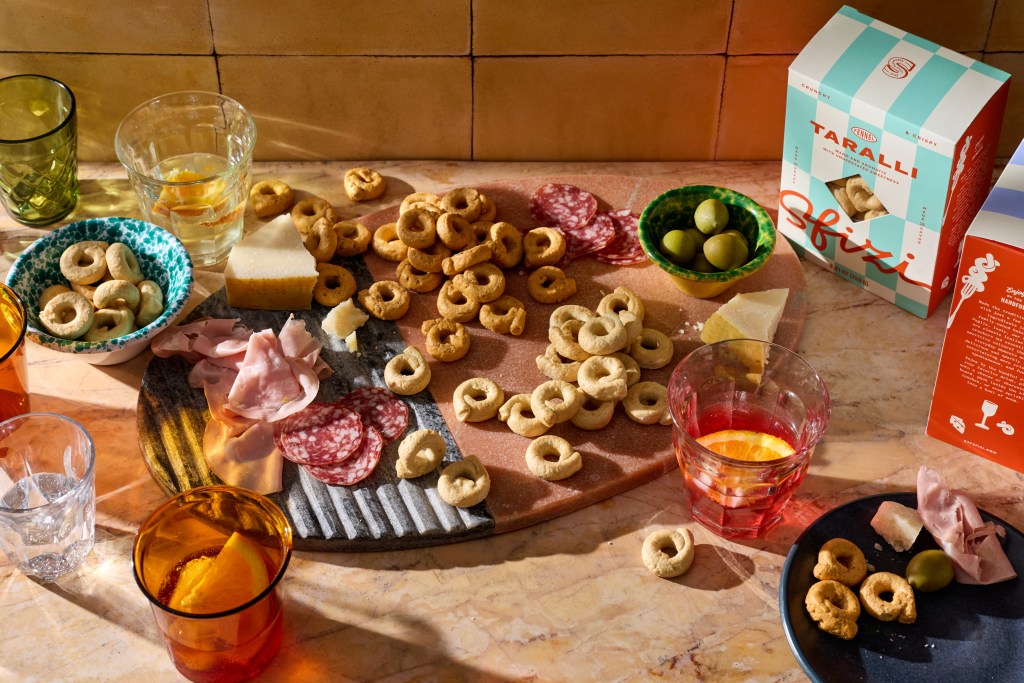
In an era dominated by venture-backed consumer packaged goods (CPG) startups raising millions before selling a single unit, the launch of Sfizi stands out as a masterclass in bootstrapped, intentional entrepreneurship. Co-founded by Joe Fiorenzo and his wife, Sheela Prakash, Sfizi—derived from the Italian word for "whims" or "little pleasures"—curates and imports authentic Italian products designed to elevate American aperitivo culture.
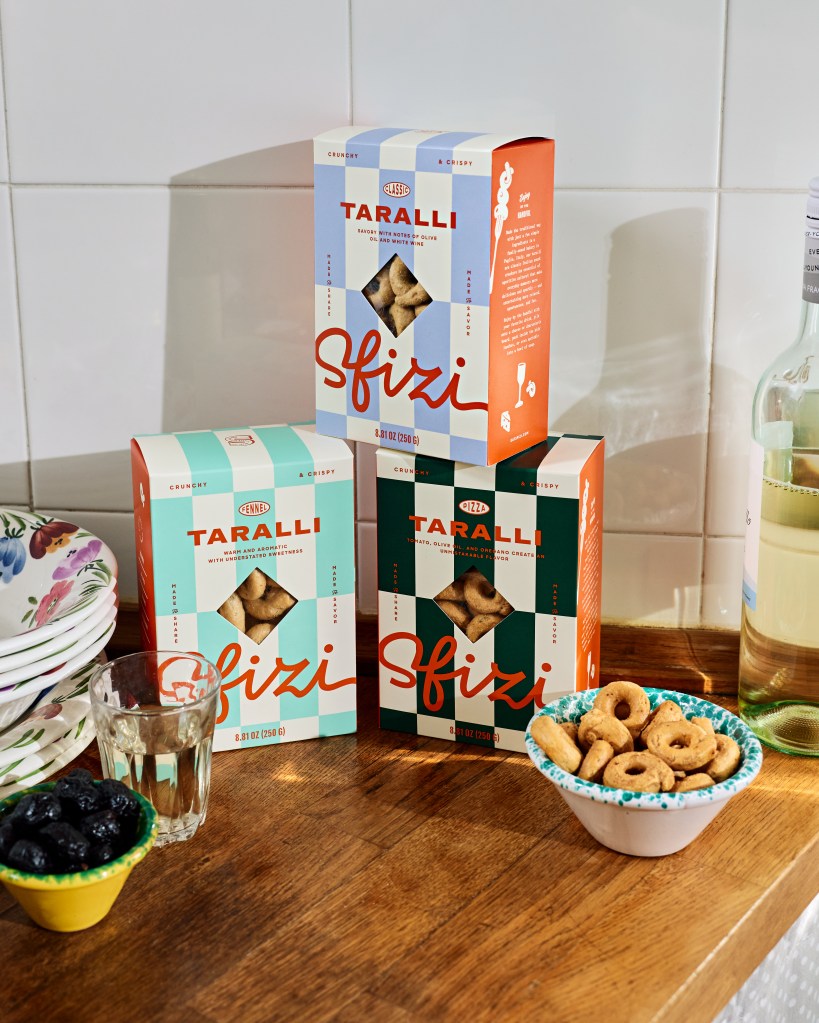
The brand officially entered the market in December 2025 with a single, highly focused product line: taralli, the traditional, ring-shaped snack crackers native to Southern Italy. Shifting these humble morsels away from their historical placement—traditionally tucked away in dusty cellophane bags at the bottom of specialty cheese baskets—Fiorenzo and Prakash reimagined the taralli with vibrant, eye-catching, modern packaging and approachable flavor profiles.
Operating completely self-funded on an initial startup budget of just $50,000, the husband-and-wife duo transitioned from entirely different career paths—Fiorenzo spending 17 years in corporate insurance and Prakash working in the food space—into the complex world of international import and CPG distribution. Today, the business generates an average of $8,000 to $10,000 in monthly gross sales, firmly positioning the enterprise on track to clear over $100,000 in its inaugural year.
As they prepare for their first major outside investment round and a slate of ambitious product expansions, the Sfizi story offers a blueprint for aspiring founders on how to navigate supply chains, build brand identity without prior CPG experience, and scale sustainably.
Detailed Chronology: From Idea to Import
The genesis of Sfizi did not happen in a corporate boardroom or a business incubator; it was forged over a decade of shared travel, cultural immersion, and a deeply rooted affection for the Italian way of life.
Years in the Making: The Cultural Foundation
For the past ten years, Sheela Prakash lived and studied in Italy intermittently, forging a profound connection with the country’s culinary traditions. Simultaneously, Joe Fiorenzo brought an Italian-American background to the partnership, having experienced the rich tapestry of Italian influences throughout his childhood. Together, they spent years traversing the Italian countryside, absorbing the rhythms of daily life, and falling deeply in love with aperitivo—the Italian tradition of pre-dinner drinks and light, savory snacks.
By late 2024, the couple decided to channel their shared passions into a commercial enterprise. They settled on the name Sfizi, capturing the philosophy of celebrating life’s small, indulgent moments.
Early 2025: Brand Identity and Cold Emails
Without a formal background in the CPG industry, Fiorenzo and Prakash wisely chose to start small. They reasoned that if they could not successfully introduce a single, accessible product to the American market, they had no business attempting a complex multi-category rollout. They selected taralli as their launchpad. Ubiquitous across Italy, taralli offered a familiar yet underutilized opening in the U.S. market, serving as an easy conceptual segue for American consumers accustomed to artisanal crackers and snack boards.
In early 2025, the founders initiated a two-pronged strategy:
Brand Development: They partnered with professional brand design agencies to establish Sfizi’s visual identity, focusing on vibrant colors, clean typography, and modern aesthetics that would pop on Instagram feeds as well as gourmet shelves.
International Sourcing: Without industry contacts, the founders sent out roughly a dozen cold emails to regional Italian food producers to test the waters and determine what manufacturing partnerships were feasible.
The Puglia Expedition
To move past digital communications, Fiorenzo and Prakash packed their bags for a two-to-three-week immersive trip through the Puglia region of Italy—the historic heartland of taralli production.
Visiting local producers directly, they sampled dozens of regional variations, evaluated manufacturing capabilities, and worked to build personal rapport despite language barriers. Recognizing early on that clear communication would be vital to quality control, they ensured every prospective manufacturing partner had an English-speaking team member to bridge technical gaps. This intensive, boots-on-the-ground sourcing trip laid the operational foundation for the brand.
December 2025: The Launch and Immediate Sell-Out
Following months of ironing out packaging designs, regulatory compliance, and international shipping logistics, Sfizi officially launched its initial trio of taralli flavors in December 2025.
Out of an abundance of caution and a desire to limit financial exposure, the founders ordered a relatively small initial production volume. It proved to be an underestimate. Driven by early marketing pushes and an appetite for authentic Mediterranean snacks, Sfizi completely sold out of its initial inventory in less than a month. Forced to pivot instantly from launch mode to scaling mode, the founders rushed to coordinate larger production runs with their Italian partners and streamline their domestic fulfillment channels.
Supporting Context & Metrics: Bootstrapping a CPG Brand
Building a physical product brand from scratch requires navigating a labyrinth of fixed costs, inventory forecasts, and logistics. Sfizi’s financial and operational metrics provide a transparent look at modern micro-CPG economics.
Financial Breakdown
Initial Startup Capital: $50,000 (100% self-funded by the co-founders)
Current Monthly Gross Sales: $8,000 to $10,000 (varying by seasonal trends and marketing pushes)
First-Year Gross Revenue Target: $100,000+
Product Shelf Life: Approximately 12 months, providing a comfortable buffer for inventory storage and supply chain hiccups.
Supply Chain and Fulfillment Architecture
Because neither founder came from a logistics background, building an efficient order flow was a trial-by-fire exercise. Initially, predicting customer demand was pure guesswork. However, after selling out their first batch within weeks, the founders quickly restructured their operational pipeline:
Production & Manufacturing: Handcrafted by regional producers in Puglia, Italy, ensuring authentic taste, texture, and ingredients.
Storage & Logistics: Sfizi utilizes a third-party logistics (3PL) warehouse partner in the United States to store inventory and manage direct-to-consumer (DTC) fulfillment.
Inventory Management: Having graduated from hyper-conservative initial orders, the founders now forecast with enough confidence to maintain healthy stock levels ahead of demand surges, leveraging the product’s one-year shelf life to absorb minor demand fluctuations safely.
Digital Marketing and Growth Levers
Operating without a massive advertising budget, Sfizi relies heavily on organic community-building, frequent digital touchpoints, and strategic cross-brand partnerships.
Social Media Strategy: Working closely with a contract social media manager—who happens to be a trusted friend of the founders—Sfizi maintains an active digital footprint, pushing out 10 to 12 creative, inspirational, and lifestyle-focused posts per week.
Brand Collaborations: To maximize exposure without high ad spend, Sfizi routinely collaborates with complementary non-competing CPG brands. By orchestrating joint giveaways where consumers win packages featuring products from both brands, Sfizi taps into pre-established, aligned customer bases.
Official Statements and Founder Insights
Reflecting on their journey from corporate insurance desks and cookbook writing to international food importers, Joe Fiorenzo shares candid insights regarding the realities of launching a startup without a traditional playbook.
On Embracing Vulnerability and Asking for Help
"To anyone considering starting a business in the CPG space, don’t be afraid to ask people for help. Meet with other brands and companies doing similar things. Because what you really come to realize is nobody knows that much, but somebody might know just a little bit more, or maybe they’ve had a certain experience with something that you haven’t. So pick people’s brains and just try to understand how they’re doing things. You might be able to apply what they’re doing to your business, even if it’s not exactly the same thing."
On Overcoming the Fear of Failure
"You can’t be afraid to fail. We went into this business with good intentions, but we truly did not know how it was going to work out. So you have to have a little bit of humility. Don’t be afraid to be vulnerable and ask questions. Because without the tips from some of these other founders, I don’t know if we would be where we are now."
On Balancing Side Projects and Full-Time Operations
Running a growing CPG brand demands adaptability, but the founders maintain active portfolios outside of Sfizi. Sheela Prakash continues her work as a cookbook author, while Fiorenzo manages select non-CPG side projects.
"The day running Sfizi can be very time-consuming, but it can also be less time-consuming, depending on what’s going on. So you have to have other things on your plate as well."
Future Outlook: Expansion and Beyond
As Sfizi approaches the conclusion of its first full year in business, the co-founders are no longer just looking to survive—they are planning aggressively for scale.
Spring 2027 Product Portfolio Expansion
While the brand intends to anchor its identity firmly within the aperitivo culture—capturing the booming American market for pre-dinner spritz accompaniments and artisanal bar snacks—it is actively vetting new products. Fiorenzo and Prakash have initiated discussions with several Italian producers to introduce at least a second major product line by the spring of 2027.
Venturing Into the Italian Pantry
Looking further down the horizon, Sfizi plans to expand beyond ready-to-eat snacks into the broader Italian pantry space. Potential future categories include:
Artisanal dried pasta formats
Regional pasta sauces
Specialty Italian flours, capitalizing on the surging consumer interest in baking, heritage grains, and high-quality carbohydrates.
B2B Growth and Outside Investment
Thus far entirely self-funded, Sfizi is actively evaluating potential angel and institutional investors heading into the next fiscal year to secure the capital needed for larger production runs and expanded marketing campaigns. Furthermore, while the brand has primarily focused on direct-to-consumer and boutique retail channels, growing inbound interest from restaurants, wine bars, and hospitality venues has opened conversations around bulk importing and wholesale distribution.
By combining authentic European heritage with contemporary American branding, Joe Fiorenzo and Sheela Prakash have proven that with humility, resourcefulness, and a willingness to learn on the fly, niche cultural appreciation can successfully translate into a durable, profitable modern enterprise.