

Executive Overview
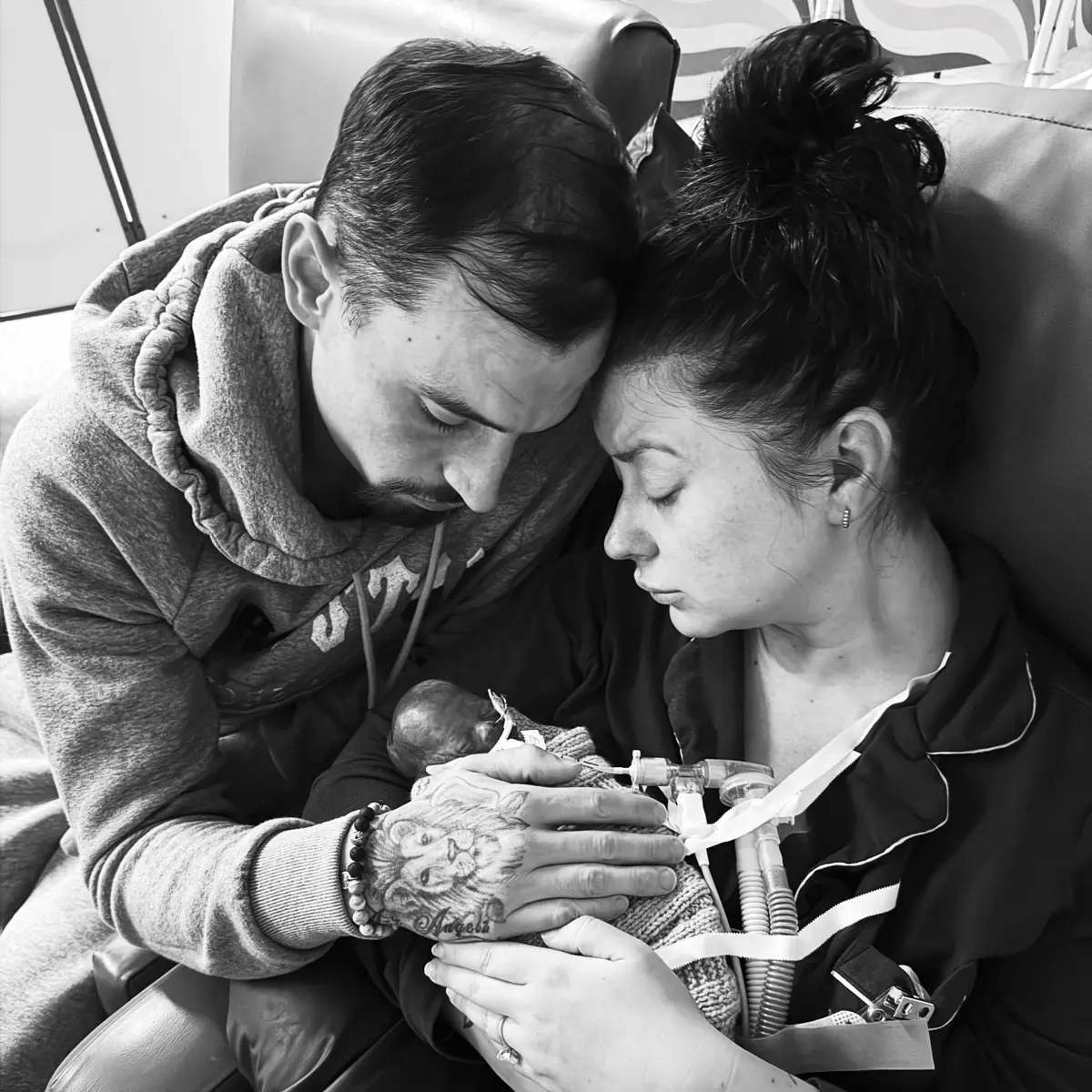
The intersection of public celebrity and private grief is rarely as poignant or shattering as the recent tragedy experienced by Married at First Sight UK alum Holly Ditchfield and her partner, Aaron Summers. In early September 2026, the couple announced the heartbreaking passing of their twin boys, Georgie and Marley, just nine days after they were born prematurely at 23 weeks of gestation. The loss has sent shockwaves through the reality television community and sparked widespread public sympathy, drawing attention to the precarious nature of micro-preterm births and the profound psychological toll exacted upon parents who navigate neonatal intensive care unit (NICU) loss.
This comprehensive report examines the timeline of the tragedy, the broader context of maternal and neonatal health statistics surrounding 23-week deliveries, the deeply personal statements released by the grieving parents, and the societal implications of public grieving in the age of social media. Through an authoritative, sensitive, and journalistic lens, we explore how Ditchfield and Summers are navigating this devastating chapter while honoring the brief, luminous lives of their sons.
Detailed Chronology of Events
The Journey to Parenthood and Engagement
Holly Ditchfield first captured public attention during Season 9 of the hit reality television series Married at First Sight UK in 2024. While her journey on the social experiment did not lead to a lasting television match, her romantic life flourished away from the cameras following the show’s broadcast. In May 2025, Ditchfield and Aaron Summers announced their engagement via Instagram, embarking on a new chapter that would soon expand with the news of an expected addition to their family.
Ditchfield, already a mother to two children, Daisy and Dec, from a previous relationship, prepared to blend her growing family with Summers. The pregnancy was celebrated quietly among family and friends, but the early arrival of the twins drastically altered the trajectory of their lives.
The Premature Birth at 23 Weeks
At just 23 weeks of gestation—a critical threshold in fetal development often referred to as the limit of viability—Ditchfield went into early labor. The delivery brought Georgie and Marley into the world significantly ahead of schedule, thrusting the family immediately into the high-stakes environment of neonatal intensive care.
In medical terms, a 23-week gestation places infants in the micro-preterm category. Organs, particularly the lungs and brain, are in the earliest stages of functional development. Despite the heroic efforts of medical staff, the fragile state of the newborns meant that every hour was a delicate balance of hope and uncertainty.
The Final Days: September 3 to September 4, 2026
For nine days, Ditchfield and Summers embraced every fleeting moment with their sons, a period they later described as simultaneously the hardest, most heartbreaking, and most magical of their lives.
The timeline of their passing unfolded over two heartbreaking consecutive days:
- September 3, 2026 (1:00 PM): Their darling son, Georgie, peacefully passed away in the arms of his parents.
- September 4, 2026 (5:00 AM): Georgie’s brother, Marley, followed him, taking his final breath alongside his twin in the embrace of his mother and father.
The couple later shared the crushing reality of their final hours together, noting the profound duality of experiencing the "greatest privilege" of holding their children as they left the world, coupled with the "greatest pain" of having to walk their babies to a hospital mortuary.
Supporting Context & Metrics: The Reality of Micro-Preterm Births
To fully grasp the magnitude of the grief experienced by Ditchfield and Summers, it is essential to examine the clinical and statistical realities surrounding births at 23 weeks of gestation.
Understanding 23-Week Gestation
According to global health organizations, a full-term pregnancy typically lasts between 39 and 40 weeks. Births occurring before 37 completed weeks are classified as preterm, while those occurring at or before 26 weeks are designated as extremely preterm or micro-preterm.
At 23 weeks:
- Lung Development: The fetal lungs lack sufficient surfactant—a substance that keeps the tiny air sacs (alveoli) from collapsing. Respiratory distress syndrome is nearly universal.
- Skin and Immunity: The skin is extremely thin and gelatinous, providing poor barrier protection against fluid loss and infection.
- Neurological Risk: The blood vessels in the brain are exceptionally fragile, carrying a high risk of intraventricular hemorrhage (bleeding into the brain’s cavities).
Neonatal Statistics and Survival Rates
Medical advancements over the past two decades have marginally improved survival rates for infants born at 23 weeks. However, survival statistics remain deeply sobering:
- Survival to Discharge: Data from neonatal networks indicate that survival rates for infants born alive at 23 weeks range from 30% to 50%, heavily dependent on specialized Level III or IV NICU care.
- Morbidity Rates: Among infants who survive the initial neonatal period, a significant percentage face long-term developmental challenges, including chronic lung disease, neurodevelopmental delays, and visual or hearing impairments.
- The Emotional Toll on Parents: The psychological burden on parents of micro-preterm infants is well-documented by perinatal psychologists. The NICU experience—often characterized by acute trauma, interrupted bonding, and the constant threat of loss—prepares families for a roller coaster of emotions that few outside the medical community can fully comprehend.
Official Statements and Public Outpouring
The joint statement released by Holly Ditchfield and Aaron Summers on September 5, 2026, offered an unfiltered look into the depths of their sorrow. Written with raw vulnerability, the message resonated deeply across social media platforms, drawing thousands of condolence messages from fellow reality stars, public figures, and fans.
Excerpts from the Parents’ Statement
"It has been the hardest, most heartbreaking, yet most magical 9 days of our lives. At 1pm on 03/09/2026, our darling Georgie peacefully passed away. Then, at 5am on 04/09/2026, his beautiful brother Marley followed him."
The parents emphasized the profound connection they forged with their sons during their brief time on earth:
"My boys both took their final breaths in the arms of me and their daddy. There is no greater privilege, and no greater pain, than holding your children as they leave this world… A week I would live over and over again, just to have those moments with them. To hold them. To look at them. To love them. To be their mummy and daddy."
Addressing the physical and emotional aftermath of the loss, Ditchfield opened up about the lingering sensations of motherhood without her infants present:
"It feels like a part of me is no longer here, because a part of me truly isn’t. I miss my boys more than words could ever explain. I would have given absolutely everything to have watched Georgie and Marley grow, to hear their voices, watch them take their first steps, and see the beautiful lives they deserved to have."
Finally, the couple found solace in the belief that the twins remain united:
"My boys are together again now, just as they should be, and I pray with all my heart that they are finally at peace. Nothing could ever prepare you for losing your children. Nothing prepares you for having to walk your babies to a mortuary."
Community and Industry Response
The television and entertainment community rallied around Ditchfield and Summers following the announcement. Former co-stars from Married at First Sight UK, along with franchise alumni from various international versions of the show, flooded the comments section of the announcement post with messages of solidarity.
Advocacy groups focusing on baby loss and neonatal support also highlighted the post, utilizing the public platform to raise awareness about the availability of grief counseling, bereavement suites, and support networks for families navigating miscarriage, stillbirth, and neonatal death.
Future Outlook: Healing, Advocacy, and Remembrance
As Holly Ditchfield, Aaron Summers, and their family navigate the arduous road ahead, the journey of grief will undoubtedly be a long-term process. The loss of a child—particularly an infant—shatters foundational expectations of the future, requiring a delicate balance of personal mourning and public resilience.
The Role of Sibling Support
In the wake of this tragedy, Ditchfield remains a devoted mother to her older children, Daisy and Dec. Family therapists note that parenting through profound grief involves helping surviving siblings process their own complex emotions regarding the loss of expected brothers, a delicate task that requires patience, open communication, and professional guidance when necessary.
Transforming Pain into Awareness
Many parents who experience neonatal loss ultimately find solace in advocacy. By openly sharing their experiences with micro-preterm birth, Ditchfield and Summers have inadvertently broken the silence surrounding neonatal mortality—a topic that, despite its prevalence, remains heavily stigmatized or whispered about in private.
Public figures who share their stories play a vital role in dismantling the isolation felt by grieving parents. By detailing the physical sensations of postpartum loss without a baby to hold, the logistical heartbreak of mortuary visits, and the bittersweet gratitude for nine days of memories, Ditchfield has provided a voice to thousands of families who have walked the same path.
Conclusion
The brief lives of Georgie and Marley Summers, though measured in days rather than decades, left an indelible mark on the hearts of their parents and a wider community of observers. As Holly Ditchfield and Aaron Summers continue to heal, their shared tribute stands as an enduring testament to a love that transcends the boundaries of time, proving that even the shortest lives can carry an infinite magnitude of meaning.