

Executive Overview
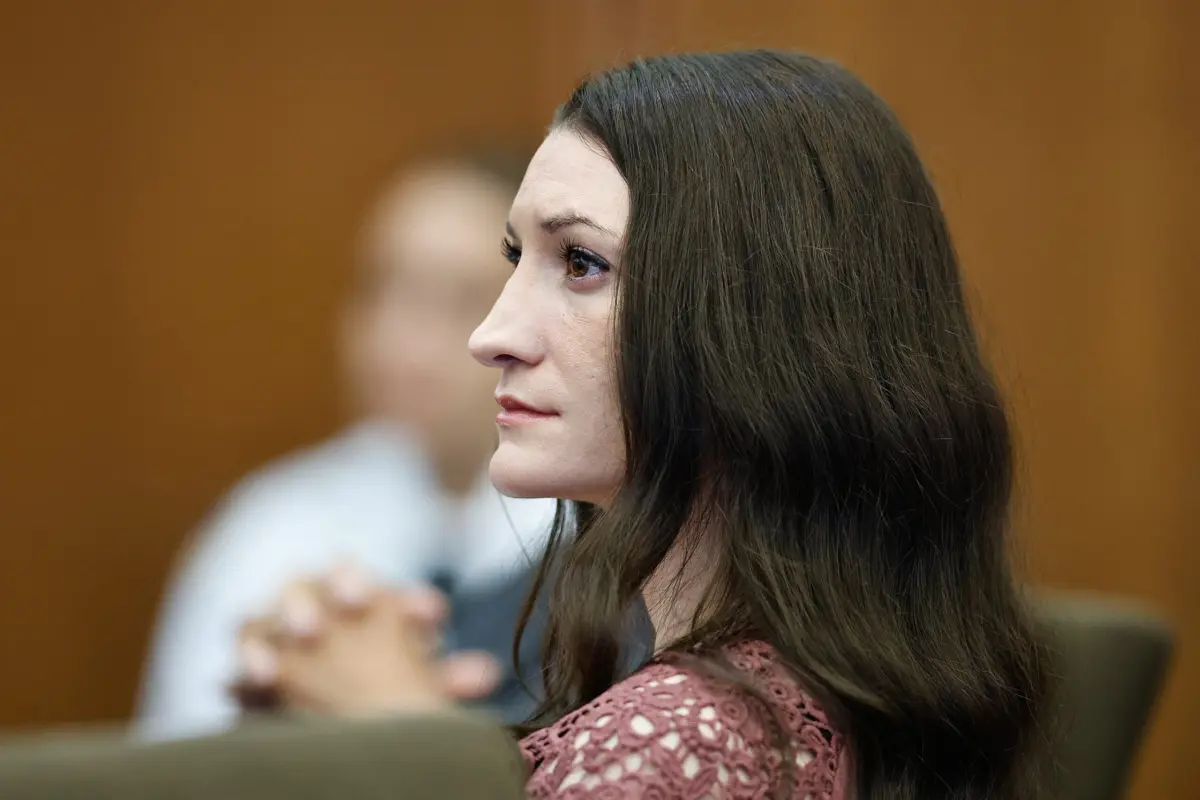
The complex and emotionally fraught legal proceedings surrounding Lindsay Clancy—the Massachusetts mother accused of the January 2023 strangulation deaths of her three young children—have entered a critical new phase. Following a high-profile trial that concluded in a mistrial and a hung jury on September 4, Clancy returned to a Massachusetts courtroom on Monday for a pivotal post-trial hearing. Prosecutors have signaled their firm intention to retry the case, setting the stage for what could be another grueling courtroom battle scheduled for as early as March.
Monday’s hearing brought several high-stakes legal arguments to the forefront. The defense mounted an aggressive push to have the triple-murder charges dismissed entirely, invoking constitutional protections against double jeopardy. Concurrently, defense counsel launched a direct challenge against the integrity of the initial jury deliberations, targeting a specific holdout juror and leveling accusations of concealed criminal history and improper mid-deliberation electronic research.
This latest development underscores the profound legal, medical, and ethical complexities that have defined the Clancy case from its inception. Straddling the intersection of horrific criminal acts, severe postpartum mental illness, and the intricacies of the American judicial system, the case continues to polarize observers, legal experts, and the public alike. With Judge William Sullivan withholding an immediate ruling on the motion to dismiss and a gag order currently under consideration, all eyes remain fixed on the upcoming November 16 hearing to determine the immediate trajectory of the prosecution.
Detailed Chronology of the Case
To understand the current legal maneuvering, it is necessary to examine the tragic timeline and the subsequent judicial milestones that have brought the case to this juncture.
The Tragedy of January 2023
The events that precipitated the legal crisis occurred on January 24, 2023, in Duxbury, Massachusetts. Emergency responders rushed to the Clancy family home following a 911 call placed by Lindsay Clancy’s husband, Patrick Clancy. Upon arrival, authorities discovered the couple’s three children—5-year-old Cora, 3-year-old Dawson, and 8-month-old Callan—gravely injured. The children were later pronounced dead.
Lindsay Clancy had reportedly jumped from a second-story window of the home in an apparent suicide attempt, sustaining severe spinal injuries that left her paralyzed. In the immediate aftermath, investigators uncovered that Clancy had strangled her children. She was subsequently charged with three counts of first-degree murder, setting off a legal process complicated by her extensive medical needs, psychiatric hospitalization, and eventual court appearances.
The Initial Trial and Mistrial
The core of the initial trial, which culminated in late summer 2024, centered not on whether Clancy committed the acts, but on her state of mind at the time.
- The Defense Position: Defense attorneys argued strenuously that Clancy was suffering from acute, debilitating postpartum psychosis—a severe medical condition characterized by hallucinations, delusions, and a total detachment from reality. They maintained that her mental state rendered her legally insane and incapable of understanding the criminality of her actions or conforming her behavior to the law.
- The Prosecution Position: Conversely, state prosecutors contended that while Clancy was undoubtedly experiencing profound psychological distress and emotional turbulence, she retained a sufficient understanding of her actions. They argued that the killings were calculated and that she knew what she was doing was wrong, pushing for three convictions of first-degree murder.
After extensive testimony from medical experts, family members, and first responders, the case was handed to the jury. Deliberations extended for days, characterized by a persistent 11-1 split in favor of conviction. With the jury ultimately declaring themselves hopelessly deadlocked, and a higher court declining to intervene in the deliberations, the presiding judge declared a mistrial on September 4, leaving the legal questions unresolved.
The Post-Trial Hearing on Monday
Monday’s hearing marked the second time Clancy has returned to court since the mistrial. Rather than moving immediately to set a retrial date, the proceedings focused heavily on defense motions to dismiss the charges and sharp disputes over jury conduct.
The courtroom atmosphere grew tense as defense counsel raised questions regarding the sole holdout juror, while prosecutors pushed back against attempts to derail a potential second trial. Judge Sullivan heard arguments on both the double jeopardy motion and a prosecution request for a sweeping gag order designed to limit public statements from the legal teams involved. The judge did not issue an immediate ruling, scheduling the next significant milestone for November 16.
Supporting Context & Legal Metrics
The legal arguments presented during Monday’s hearing pivot on intricate points of constitutional law, jury dynamics, and the intersection of criminal culpability and mental health.
The Double Jeopardy Defense
The cornerstone of the defense’s strategy at Monday’s hearing was the invocation of the Fifth Amendment’s double jeopardy clause, which protects individuals from being prosecuted twice for the same offense after a valid acquittal or conviction. However, standard legal precedent in the United States dictates that a mistrial resulting from a genuinely hung jury does not trigger double jeopardy protections, thereby allowing the state to constitutionally pursue a retrial.
Defense attorneys, nevertheless, sought to challenge this standard application by introducing collateral issues related to the integrity of the jury process, hoping to establish grounds that might differentiate this mistrial from standard judicial deadlocks. Prosecutors forcefully countered these assertions, maintaining that the law clearly permits the Commonwealth to seek justice on behalf of the three child victims.
Allegations Concerning Jury Integrity
In a dramatic turn during the proceedings, defense attorney Kevin Reddington training his focus on the singular holdout juror—identified in public reports as Michael P. Desronvil—raising serious allegations regarding jury tampering and misconduct:
- Electronic Misconduct: Reddington alleged that the holdout juror utilized a cellular device during deliberations to research terms and concepts pertinent to the case, a direct violation of standard judicial instructions prohibiting outside research.
- Voir Dire Disclosures: The defense further questioned whether the juror had been entirely truthful during the voir dire (jury selection) process regarding his prior criminal history. Reddington argued that any deliberate omission of relevant criminal background would constitute a "fatal infection of the independence, the honesty and the integrity of this juror," potentially invalidating the deadlock.
Heather O’Connor, legal counsel for Desronvil, vehemently disputed these claims. O’Connor noted that the defense team had thoroughly questioned the prospective juror prior to the trial, accepted him onto the panel, and only raised questions regarding his credibility and background after he emerged as the sole holdout preventing a unanimous verdict. Furthermore, O’Connor contested the factual basis of the cellphone research allegations.
The debate over the juror’s identity also sparked friction between the bench and the defense. Judge Sullivan admonished Reddington for publicly naming the holdout juror, suggesting the disclosure involved potentially confidential information. Reddington defended his actions by pointing out that the juror’s name was already widely disseminated across various media platforms, though he ultimately complied with the judge’s directive to cease using the name in open court.
Official Statements & Legal Perspectives
The divergent viewpoints of the prosecution, defense, and legal analysts highlight the profound societal and legal stakes involved in the Lindsay Clancy case.
Prosecution Perspective
The District Attorney’s office has remained resolute in its pursuit of accountability for the deaths of Cora, Dawson, and Callan Clancy. In court filings and oral arguments, prosecutors have emphasized that the tragedy demands a judicial resolution. Rejecting the defense’s framing of the post-trial motions as grounds for dismissal, the state’s representatives maintained that double jeopardy does not apply to a hung jury and that the Commonwealth is fully justified in seeking a retrial.
Furthermore, the prosecution’s push for a gag order reflects a growing concern over the intense media scrutiny and public commentary surrounding the case. Prosecutors argue that restrictive measures are necessary to ensure a fair and impartial jury pool should a new trial commence, shielding the proceedings from external influences.
Defense Perspective
Kevin Reddington and the defense team continue to champion the narrative that Lindsay Clancy was a victim of a catastrophic medical failure—specifically, severe postpartum psychosis—rather than a malicious criminal actor. By challenging the validity of the hung jury through allegations of juror misconduct, the defense aims to explore every available legal avenue to prevent their client from facing a second trial.
The defense maintains that trying Clancy again would be an injustice, arguing that the medical evidence supporting her psychotic state at the time of the offenses was overwhelming and that the initial 11-1 deadlock was the result of a compromised or improperly influenced juror rather than a genuine debate over the medical facts.
Independent Legal Analysis
Legal experts observing the Massachusetts proceedings note that while attempts to dismiss charges following a hung jury based on juror misconduct are legally arduous, the allegations brought forward by the defense ensure heightened scrutiny. However, precedent strongly favors the state’s right to retry a defendant when a jury is genuinely deadlocked.
Regarding the potential gag order, constitutional scholars point out the delicate balance courts must maintain between protecting a defendant’s right to a fair trial and upholding First Amendment protections regarding public discourse and freedom of the press.
Future Outlook & Next Steps
As the legal teams prepare for the coming weeks, several critical dates and procedural milestones will dictate the path of the litigation.
+-------------------------------------------------------------------+
|                     FUTURE LEGAL TIMELINE                         |
+-------------------------------------------------------------------+
|  NOVEMBER 16, 2024  |  Next scheduled hearing; Judge Sullivan is  |
|                     |  expected to address the motion to dismiss  |
|                     |  and the proposed prosecution gag order.    |
+---------------------+---------------------------------------------+
|  MARCH 2025         |  Estimated window for a potential retrial   |
|  (Projected)        |  to commence, should the motion to dismiss  |
|                     |  be denied by the court.                    |
+-------------------------------------------------------------------+
The November 16 Hearing
All immediate judicial focus is now trained on the upcoming court date on November 16. During this session, Judge William Sullivan is anticipated to rule on the defense’s motion to dismiss the charges based on double jeopardy and the contested jury integrity issues. Additionally, the judge will determine whether to implement a gag order restricting public statements from the attorneys, a decision that could significantly alter how the case is discussed in the public sphere moving forward.
Prospects for a Retrial
Should Judge Sullivan deny the motion to dismiss—an outcome widely anticipated by legal analysts given standard jurisprudence surrounding hung juries—the path will be cleared for a second trial. Prosecutors have indicated their readiness to proceed, though questions remain regarding whether they will alter their charging strategy or maintain the exact same first-degree murder counts presented in the initial trial.
If confirmed, a retrial could potentially begin as early as March 2025. This timeline would give both the prosecution and defense months to refine their arguments, re-examine expert medical witnesses, and prepare for another emotionally charged courtroom proceeding that will once again place the complex realities of postpartum mental illness under the microscope of the American criminal justice system.