

Executive Overview
In the modern digital economy, the landscape of freelance writing has undergone a profound structural shift. Gone are the days when building a sustainable, high-income writing business relied exclusively on scavenging through anonymous online job boards, casting wide nets with cold-email pitches, or grinding away on low-paying content mills. Today, the most successful independent creators and corporate copywriters are leveraging a single, business-centric platform to generate consistent, high-paying inbound client leads: LinkedIn.
Once perceived merely as a digital resume repository or a static networking site for corporate recruiters, LinkedIn has evolved into a dynamic ecosystem of thought leadership, peer collaboration, and direct B2B marketing. For freelance writers seeking autonomy, predictable cash flow, and high-ticket clients, mastering this platform is no longer optional—it is an operational imperative.
However, old playbooks no longer apply. LinkedIn’s underlying algorithmic architecture has undergone radical transformations, penalizing outdated engagement traps while heavily rewarding authentic, niche-specific expertise. To cut through the noise, combat imposter syndrome, and secure sustainable income, modern freelancers must approach the platform with strategic discipline. This comprehensive guide investigates the shifting digital paradigm, deconstructs the current algorithm, and outlines five tactical methodologies designed to transform any writer’s profile into an automated inbound client generator.
Detailed Chronology: The Evolution of Freelance Client Acquisition
To understand why LinkedIn currently reigns supreme, one must trace the evolutionary trajectory of how freelance writers have historically sourced work over the past two decades.
Era 1: The Wild West of Job Boards and Forums (Late 2000s – Early 2010s)
In the early days of the digital nomad and freelance boom, writers primarily found work through online message boards, classified sites like Craigslist, and early freelance marketplaces. While these channels provided volume, they initiated a race to the bottom. Writers competed globally on price, often driving word rates down to fractions of a cent. Trust was low, payment security was volatile, and relationships were transactional at best.
Era 2: The Cold Pitching and Content Mill Era (Mid 2010s)
As the digital content boom accelerated, the industry pivoted toward cold-pitching campaigns and large-scale content agencies. Freelancers spent hours scouring company websites, guessing email addresses, and sending hundreds of generic pitches daily. Concurrently, content mills processed millions of words at scale, demanding high output for minimal compensation. Burnout rates soared, and sustainable business models remained elusive for beginners.
Era 3: The Rise of the Creator Economy and Social Proof (Late 2010s – 2020)
As platforms like Twitter (now X) and LinkedIn matured, industry leaders began realizing that the most effective way to attract clients was not by chasing them down, but by building a visible personal brand. Content creators who openly shared their processes, industry insights, and case studies found that clients began coming directly to their digital doorsteps.
Era 4: The Modern B2B Ecosystem (Present Day)
Today, LinkedIn has solidified its position as the undisputed king of professional inbound leads. According to industry surveys and independent network analyses, the vast majority of high-earning freelance writers now secure their primary revenue streams through inbound inquiries originating on LinkedIn. The platform bridges the gap between creator economy visibility and corporate B2B decision-making, offering an environment where marketing directors, founders, and content managers actively search for specialized writing talent.
Supporting Context & Metrics: Decoding the LinkedIn Algorithm
Before executing any outreach strategy, freelancers must understand the fundamental rules governing visibility on the platform. LinkedIn’s algorithm has evolved to prioritize deep engagement, topical authority, and genuine human connection over viral gimmicks.

What the Algorithm Rewards Now:
- Niche Relevance and Topical Consistency: Accounts that consistently publish content within a well-defined vertical (e.g., B2B SaaS, FinTech, medical regulations) are systematically flagged by the algorithm as subject-matter authorities. Their reach is subsequently amplified to targeted audiences within those specific industries.
- Thoughtful Conversations in the Comments: The algorithm heavily weighs comment threads that spark genuine debate, knowledge sharing, and multi-turn dialogue. A post that generates substantive discussions outperforms one that merely racks up passive "likes."
- Original Insights and Data-Driven Narratives: First-person experiences, behind-the-scenes project breakdowns, and unique takes on industry trends receive preferential treatment over recycled motivational quotes or superficial corporate announcements.
What Gets Penalized:
- Outbound External Links in the Main Post Body: Historically, dropping a link to a blog post or portfolio piece immediately in the main text tanked a post’s reach. While platforms have adjusted, keeping the core value within the native text and placing links in the comments or via profile redirection remains best practice.
- Engagement Pods and Artificial Boosting: Automated pods—groups of users who artificially like and comment on each other’s posts simultaneously—are increasingly detected and suppressed by LinkedIn’s anti-spam filters.
- Generic, Broad-Stroke Content: Posts aimed at the general public or content solely focused on "how to be a writer" fail to register with corporate decision-makers, leading to algorithmic stagnation.
Five Essential Strategies to Master LinkedIn as a Freelance Writer
Transitioning from a passive consumer to an active earner on LinkedIn requires a structured, daily framework. Implementing these five core strategies will optimize your time and maximize your return on investment.
Strategy 1: Write to Potential Clients, Not Other Freelancers
A classic pitfall for emerging writers is falling into the "echo chamber" trap. It is comforting to connect with fellow copywriters, share writing tips, and commiserate over client revisions. However, fellow freelancers do not purchase freelance writing services.
- Audit Your Feed: Review your last ten published posts. Count how many target other writers versus how many directly address the pain points of your ideal corporate clients. If the scale tips toward peer-to-peer content, a strategic realignment is required.
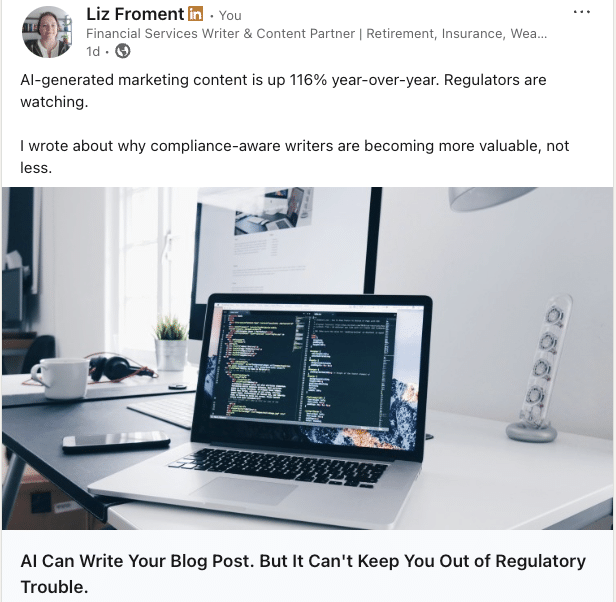
- Identify Core Pain Points: Select three to five strategic topics that keep your target clients awake at night. If you specialize in medical copywriting, focus on regulatory shifts, clinical trial communications, or compliance challenges. If your focus is financial services, discuss fintech adoption curves or security compliance.
- Demonstrate Expertise: Publish case studies, structural breakdowns of successful brand campaigns, and nuanced takes on industry news. Position yourself as an industry insider who happens to write exceptionally well, rather than just a writer looking for a gig.
Strategy 2: Overcome Posting Anxiety Through Sustainable Systems
The conventional wisdom that creators must post three times a day to succeed is a direct route to burnout. For most freelancers, the pressure to maintain a relentless publishing schedule leads to imposter syndrome and complete inaction.

- Establish a Realistic Cadence: Consistency vastly supersedes raw volume. Committing to one or two high-value text posts per week over several months will yield exponentially better results than a frantic burst of daily posting followed by months of silence.
- Batch Your Content Creation: Block out a dedicated 30-minute window every Sunday to draft, refine, and schedule your content using LinkedIn’s native scheduling tools. Once scheduled, remove the platform from your daily cognitive load.
- Leverage High-Performing Formats: Avoid the pressure to produce elaborate graphic designs or video productions. Cleanly formatted text posts featuring a strong narrative hook, short paragraphs, and clear spacing currently capture the highest organic reach and reader engagement.
Strategy 3: Prioritize Engagement and "Walking the Marketing Dog"
Building a presence on LinkedIn is a long-term strategic marathon. While inbound leads take time to compound, you can dramatically accelerate the process through active, intentional engagement. B2B content expert Sarah Greesonbach refers to this daily discipline as "walking the marketing dog"—treating client outreach and networking as an essential, non-negotiable daily chore.
- Build a Target Prospect List: Curate a list of 20 to 30 marketing directors, content managers, editors, and startup founders at companies you aspire to write for. Follow their profiles and monitor their activity.
- Deliver Thoughtful Commentary: Spend 15 to 20 minutes daily reviewing their posts. Abandon superficial comments like "Great post!" or "So true!" Instead, add genuine value: expand upon their point, offer a contrasting industry data point, or ask a probing question that deepens the conversation.
- Adopt the 3-2-1 Daily Method: Popularized by B2B strategist Ed Gandia, this method simplifies daily execution: send 3 targeted connection requests, leave 2 thoughtful comments, and publish 1 piece of original content. Even scaling this down to a micro-routine will dramatically increase your platform visibility over time.
Strategy 4: Treat Your Profile Like a High-Converting Sales Page
Your LinkedIn profile is not a digital CV; it is a landing page designed to convert casual profile visitors into paying clients. Every square inch of your profile must be optimized to communicate value.
- Craft a Client-Centric Headline: Erase generic titles like "Freelance Writer." Instead, state the exact transformation you provide: "I write high-converting B2B SaaS content that turns complex software features into pipeline revenue" or "Financial Services Copywriter helping fintech brands simplify compliance."
- Rewrite Your About Section in the Second Person: Address the reader directly. Outline the specific friction points you solve, the exact industries you serve, and measurable outcomes you have delivered for past partners. Conclude with a clear, direct call to action.
- Leverage the Featured Section: Pin your absolute best writing samples, published case studies, and glowing client testimonials to the top of your profile. In the Experience section, list tangible achievements rather than vague duties (e.g., "Authored 40+ authoritative articles on AI banking integrations, directly contributing to a 25% increase in organic search traffic").
Strategy 5: Build an "Idea Brain" to Eliminate Writer’s Block
Running out of things to say is the primary excuse for editorial inconsistency. The solution is separating the ideation phase from the execution phase.
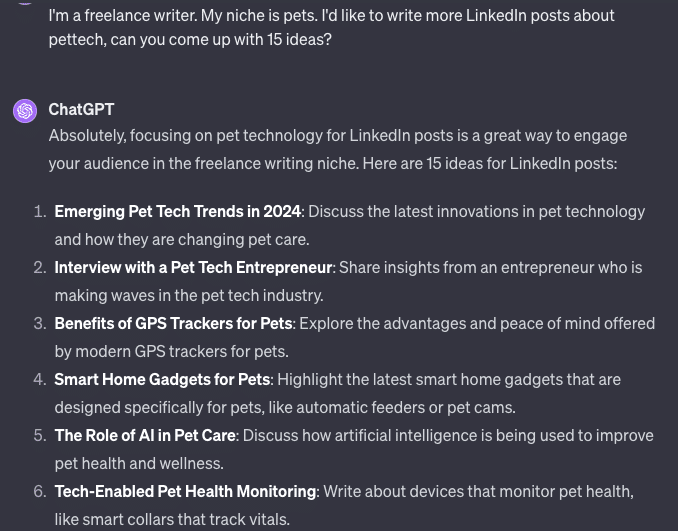
- Capture 10 Ideas Daily: Cultivate the habit of logging ten raw ideas every morning into a dedicated notebook or notes app. They can be rough questions, customer complaints, project epiphanies, or industry controversies. Do not judge their quality; focus entirely on volume.
- Weekly Curation: At the end of every week, review your list of 70 raw ideas. Select the 5 to 10 concepts with the highest commercial and intellectual viability and develop them into fully fleshed-out posts.
- Utilize AI as a Creative Sparring Partner: When mental fatigue sets in, leverage advanced AI writing tools to brainstorm angle variations within your niche. Use AI outputs strictly as a foundational springboard to riff upon, ensuring your unique human voice and real-world experience remain front and center.
Future Outlook: The Indispensable Value of the Professional Network
As the digital ecosystem continues to evolve—increasingly saturated by automated content and generic AI generation—the value of human trust, specialized expertise, and authentic networking has never been higher.
Investing just 20 to 30 minutes a day into disciplined, relationship-driven LinkedIn optimization transforms a freelancer’s business model. Beyond simply securing high-ticket clients, an active platform presence embeds writers within a resilient, interconnected web of industry peers, opening doors to lucrative referrals, editorial collaborations, and long-term income stability.
For freelance writers ready to break free from the feast-or-famine cycle of job boards, LinkedIn stands ready as the definitive modern frontier. The tools are accessible, the audience is waiting, and the strategic blueprint is clear—all that remains is the execution.
