

Executive Overview
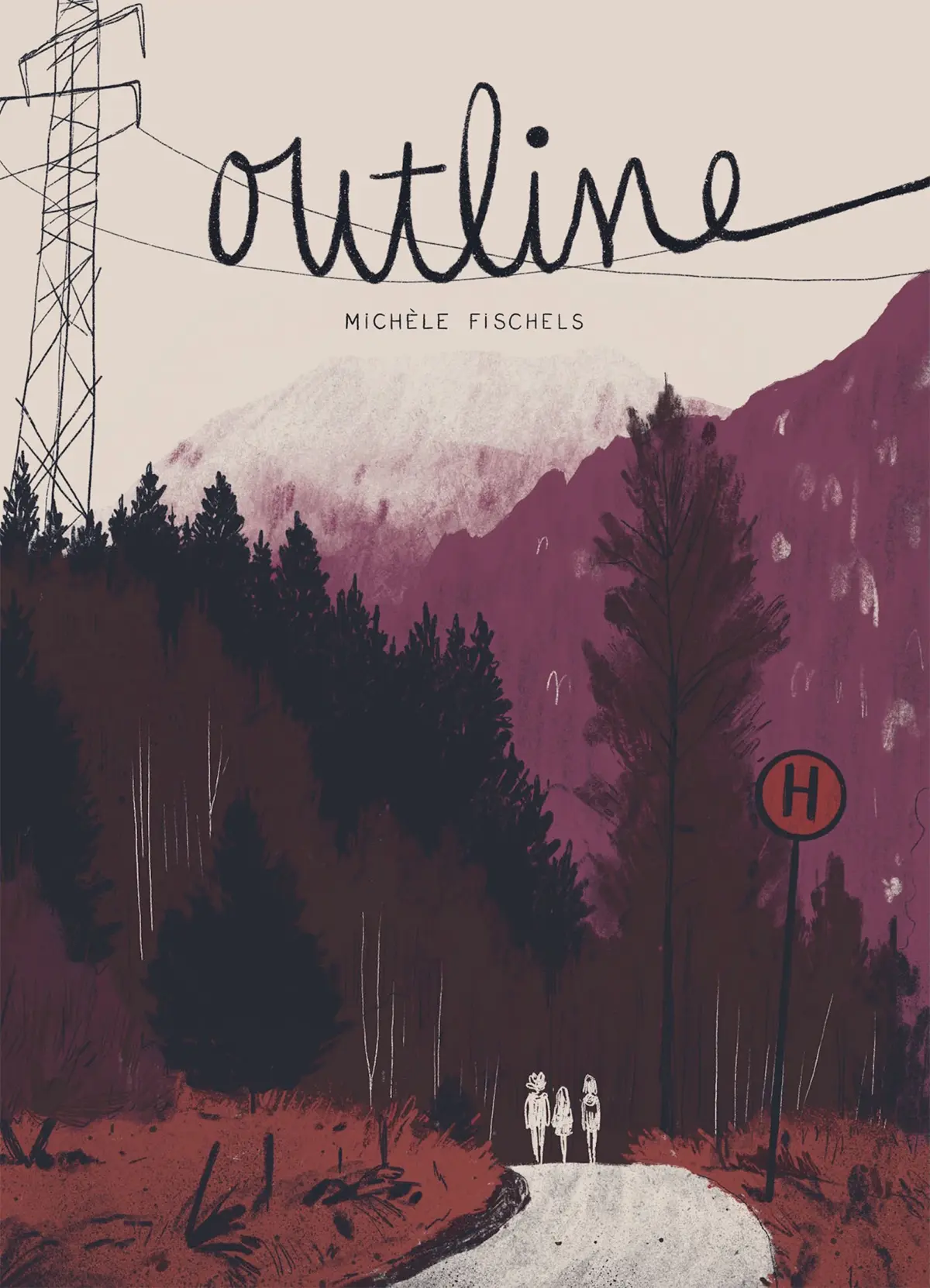
The transition from late adolescence to early adulthood represents one of the most psychologically turbulent passages in the human experience. In her acclaimed graphic novel Outline, creator Michèle Fischels captures this delicate inflection point with extraordinary visual sensitivity and narrative restraint. Published in English by Oni Press and rendered into English by veteran translator Thomas Mauer, Outline explores the intersecting lives of three high school seniors—Ben, Clara, and Andreas—as they confront the impending collapse of their shared adolescence.
Set against the backdrop of their final academic year, Outline operates as both a micro-level character study and a macro-level commentary on modern youth anxieties. Fischels utilizes a moody, briskly expressive artistic style to externalize the internal friction of her protagonists. Through a combination of spare dialogue, atmospheric line work, and calculated pacing, the work interrogates how personal secrets, romantic entanglements, and divergent post-graduation trajectories strain the bonds of childhood intimacy.
+-------------------------------------------------------------------------+
|                           PUBLICATION PROFILE                           |
+-------------------------------------------------------------------------+
|                Outline                                            |
| Author/Illustrator:  Michèle Fischels                                   |
| Translator:          Thomas Mauer                                       |
| Publisher:           Oni Press                                          |
| Primary Themes:      Adolescent Transition, Identity, Secrets, Romance   |
| Core Characters:     Ben, Clara, Andreas                                |
| Format/Style:        Graphic Novel / Expressive Monochromatic Line Work |
+-------------------------------------------------------------------------+
As graphic literature continues to consolidate its position within mainstream contemporary publishing, Outline exemplifies the power of the medium to articulate non-verbal emotional states. The release marks a significant moment for imported graphic works, highlighting Oni Press’s ongoing commitment to bringing nuanced, internationally recognized sequential art to English-language readerships.
Detailed Chronology
Production and Localization Timeline
The journey of Outline from initial conceptualization to its current English-language release reflects a rigorous creative and editorial pipeline designed to preserve the author’s distinct visual voice while ensuring cross-cultural resonance.
[Initial Concept & Drafts] ──> [European Debut] ──> [Translation by T. Mauer] ──> [Oni Press English Release]- Conceptual Development: Michèle Fischels builds the core narrative framework around the friction between internal self-perception and external social expectations. The visual style was deliberately crafted using moody, swift brushwork to reflect the fleeting nature of high school’s final months.
- European Publication: Upon its initial release, the graphic novel garnered critical praise for its raw depiction of teenage vulnerability and its refusal to rely on melodramatic tropes.
- Translation and Localization: Oni Press acquired the English-language rights, enlisting award-winning letterer and translator Thomas Mauer. Mauer focused on preserving Fischels’ naturalistic dialogue rhythms and subtle character mannerisms.
- North American Distribution: Outline was officially introduced to global markets, supported by targeted excerpt releases detailing pivotal sequences within the narrative.
Sequential Narrative Structure
The narrative architecture of Outline is structured around key environmental shift points and emotional turns experienced by the central triad:
+-------------------------------------------------------------------------+
|                           NARRATIVE STAGES                              |
+-------------------------------------------------------------------------+
| Phase I: The Impending Shift                                            |
| - Introduction of Ben, Clara, and Andreas.                              |
| - Establishment of academic pressure and romantic tensions.             |
|                                                                         |
| Phase II: The Woodland Excursion (Featured Excerpt Focus)               |
| - Ben bikes past Andreas in a moment of silent separation.              |
| - Ben joins Clara and friends for a day trip in the woods.              |
| - Nature serves as a canvas for emerging personal secrets.              |
|                                                                         |
| Phase III: Escalation and Divergence                                    |
| - Conflicts emerge over post-graduation educational pathways.            |
| - Andreas's rebellious exterior cracks, revealing hidden vulnerabilities.|
| - Romantic complications between Ben and Clara reach a critical peak.   |
|                                                                         |
| Phase IV: The Resolution of Boundaries                                  |
| - The reality of impending graduation forces individual acceptance.     |
+-------------------------------------------------------------------------+
Phase I: The Weight of Senior Year
The novel opens during the initial months of senior year. Ben and Clara are established as a central couple, acting as an anchor for their wider peer group. However, their security is juxtaposed against the volatile presence of Andreas, their rebellious friend whose outward rejection of societal norms masks deep-seated anxieties about his future. The characters face mounting pressures regarding higher education, career choices, and familial obligations.
Phase II: The Woodland Excursion
A defining sequence highlighted in recent previews features an eight-page narrative arc where Ben embarks on a bicycle trip to meet Clara and their mutual friends for an afternoon in the woods. En route, Ben passes Andreas along the road—a fleeting encounter fraught with unspoken tension and emotional distance.
[Ben Biking Alone] ──(Passes)──> [Andreas on Road] ──(Continues)──> [Woodland Gathering with Clara]This journey from the suburban periphery into the quiet isolation of nature acts as a microcosm of the novel’s broader themes. The physical distance traveled by Ben underscores the growing psychological gulf between the characters. Once in the woods, the seemingly serene setting becomes a pressure cooker where unspoken secrets begin to surface beneath the guise of casual leisure.
Phase III: Escalation and Divergence
As graduation approaches, the structural support of high school begins to dissolve. Romantic friction between Ben and Clara intensifies as their post-secondary plans pull them toward different geographic and social spheres. Concurrently, Andreas’s defiance escalates into self-destructive behavior, forcing Ben and Clara to question whether their friendship can survive the shift into adulthood.
Phase IV: The Resolution of Boundaries
The narrative avoids simplistic conclusions, offering instead a sober, realistic meditation on growing up. The characters must confront the reality that loving someone—whether romantically or platonically—does not guarantee a shared future. The final pages capture the poignant beauty of accepting change, leaving the characters standing at the threshold of their independent lives.
Supporting Context & Metrics
Visual Style and Aesthetic Analysis
Fischels’ artistic approach in Outline relies heavily on visual subtext. Rather than overburdening panels with exposition, she uses spatial layout, shadow, and line weight to convey narrative weight.
+-------------------------------------------------------------------------+
|                       VISUAL FORM & AESTHETICS                          |
+-------------------------------------------------------------------------+
| Dimension         | Implementation in 'Outline'                         |
+-------------------+-----------------------------------------------------+
| Line Quality      | Brisk, expressive, moody brushwork that mirrors     |
|                   | emotional instability.                              |
| Panel Economy     | Generous negative space; reliance on silence and   |
|                   | environmental beats.                                |
| Character Design  | Distinctive silhouettes; heavy focus on body        |
|                   | language and non-verbal cues.                       |
| Environment       | Dynamic contrast between rigid urban/school structures|
|                   | and fluid, organic woodland landscapes.             |
+-------------------------------------------------------------------------+
The use of environment as an emotional barometer is particularly pronounced during the woodland excerpt. The transition from asphalt roads to densely lined forestry mirrors Ben’s internal migration from external societal expectations to raw, unmediated emotional realities.
Industry Context & Market Position
The release of Outline comes at a pivotal moment for the graphic novel market, which has seen substantial growth in young adult (YA) and crossover literary graphic titles. Translated works from European creators have gained significant traction among North American audiences seeking mature, artfully rendered stories.
              GRAPHIC NOVEL MARKET TRENDS (INDICATIVE)

  Translated Literary Works   [#######################---] High Growth
  Young Adult / Crossover     [###########################] Peak Demand
Indie Publisher Market Share [#################---------] Expanding- Rise of Translated Graphic Literature: European graphic novels—traditionally recognized for structural experimentation and artistic risk-taking—are finding larger, dedicated audiences in North America via publishers like Oni Press.
- Crossover Appeal: While centered on high school seniors, Outline targets both young adults navigating similar transitions and adult readers reflecting on their formative years.
- Publisher Strategy: Oni Press continues to position itself as a premier destination for translated graphic fiction, curating works that prioritize artistic voice and emotional complexity over traditional genre conventions.
Official Statements
To provide further insight into the publication, translating process, and thematic execution of Outline, key project leads and commentators offered the following perspectives:
Michèle Fischels, Author and Illustrator:
"With Outline, I wanted to capture that precise moment when the future stops being an abstract concept and becomes an immediate, overwhelming force. The physical spaces these characters inhabit—whether a crowded school hallway or an isolated patch of woods—are filled with things left unsaid. Using quick, expressive line work allowed me to keep the emotions raw and immediate, reflecting how fragile everything feels when you are eighteen."Thomas Mauer, Translator:
"Translating Michèle’s work required a delicate hand. The dialogue in Outline is sparse, naturalistic, and heavily reliant on context and cadence. My goal was to ensure the English translation maintained the exact emotional volume of the original German text, allowing the quiet moments and subtle subtext between Ben, Clara, and Andreas to land with equal precision."Editorial Leadership, Oni Press:
"Outline represents the very best of contemporary international sequential art. Michèle Fischels has crafted a story that is universally relatable yet fiercely personal. We are thrilled to bring this masterful graphic novel to English-language readers, continuing our tradition of highlighting extraordinary creators from around the globe who push the boundaries of visual storytelling."
Future Outlook
The publication of Outline reinforces the vital role that translated graphic novels play in expanding the narrative boundaries of contemporary sequential art. As the book reaches global audiences, its critical reception is expected to solidify Michèle Fischels’ standing as an important voice in international graphic literature.
+-------------------------------------------------------------------------+
|                            FUTURE TRAJECTORY                            |
+-------------------------------------------------------------------------+
| Short-Term Target   | Critical acquisition within literary graphic      |
|                     | novel circles and educational institutions.       |
| Medium-Term Target  | Expansion into international awards programs for   |
|                     | translated works and visual illustration.         |
| Long-Term Impact    | Furthering Oni Press's translated literary line;  |
|                     | establishing Fischels in North America.           |
+-------------------------------------------------------------------------+
Looking ahead, the success of titles like Outline signals a growing market appetite for stories that prioritize character development, visual atmosphere, and realistic human conflict over high-concept fantasy. By charting the delicate boundaries of youth with honesty and artistic rigor, Fischels offers a compelling mirror to a generation standing on the edge of the unknown.