

Executive Overview
In the sprawling, neon-soaked landscape of contemporary cinema, few pairings could sound as dangerously intoxicating on paper as director Nicolas Winding Refn and breakout star Sophie Thatcher. With the release of Her Private Hell (Neon), the Danish auteur—frequently stylized simply as "NWR"—returns to feature filmmaking after a ten-year hiatus. What emerges from this anticipated collaboration is not merely another exercise in style-over-substance provocation, but a meticulously constructed, highly theatrical fable that finally provides Sophie Thatcher with a vehicle commensurate with her unique, enigmatic screen presence.
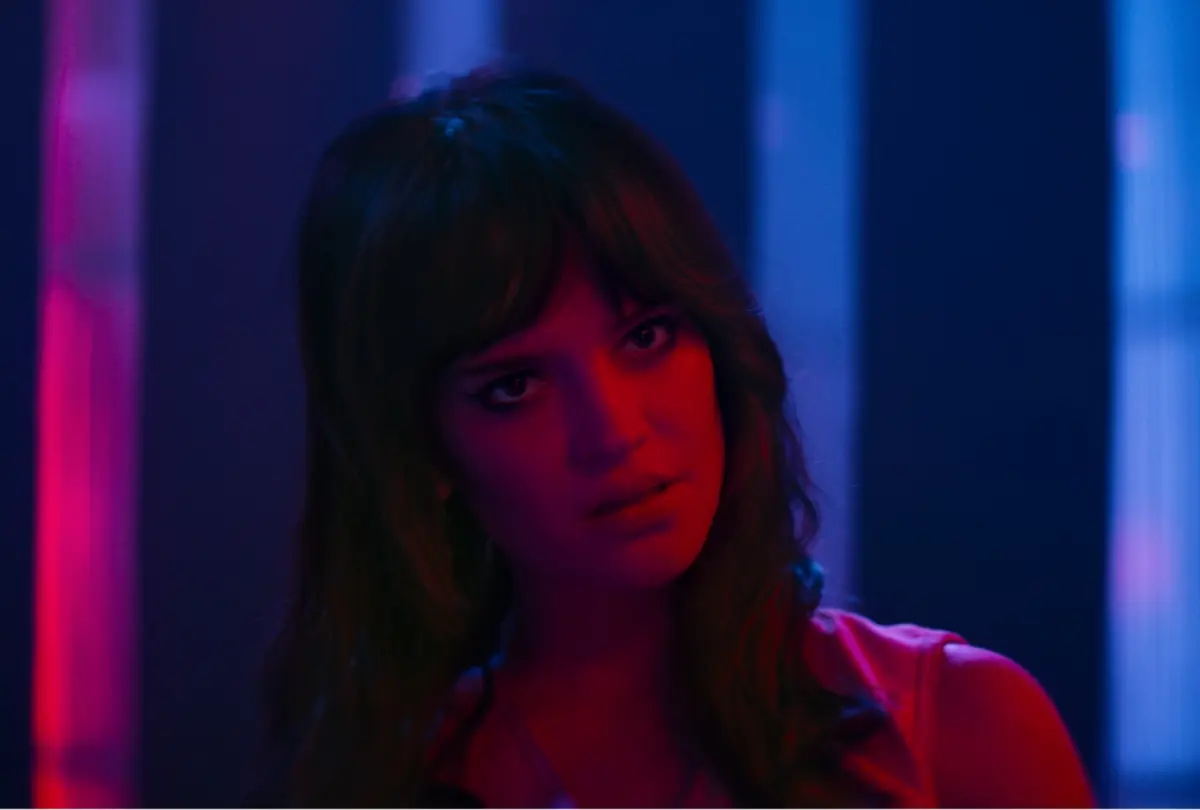
Set against the backdrop of an eerie, suffocating fog that swallows an unnamed metropolis, Her Private Hell plays like a high-fashion fever dream directed by a ghost from the golden age of psychological thrillers. Thatcher stars as Elle, a modern-day princess locked within the imposing, vertical architecture of the Tower Hotel. Alongside co-stars Kristine Froseth, Havana Rose Liu, and Charles Melton, Thatcher navigates a labyrinth of psychosexual tension, absent parents, and a mythological entity known only as "The Leatherman."
This commentary-driven analysis explores how Her Private Hell breaks away from the restrictive genre pigeonholes that have threatened to label Thatcher as a standard "scream queen," instead positioning her alongside the legendary cinematic muses of Brian De Palma and Elizabeth Taylor. By synthesizing Refn’s cold, theoretical violence with Thatcher’s effortless gravitas, the film stands as a defining cultural artifact of 2026 cinema—challenging audience expectations, defying narrative convention, and demanding a rigorous re-evaluation of modern auteur-driven horror.
Detailed Chronology: The Making of a Neon-Drenched Odyssey
To understand the cultural and aesthetic weight of Her Private Hell, one must trace the winding path that led Sophie Thatcher to this neon-lit apex, and examine the deliberate steps Nicolas Winding Refn took to construct his most labyrinthine cinematic puzzle yet.
The Ascent of an Unconventional Star
Sophie Thatcher’s trajectory toward mainstream recognition began in earnest with her breakout role as the troubled teenager Natalie in Showtime’s wilderness survival drama Yellowjackets (2021). Plunged into the frigid Canadian Rockies following a catastrophic plane crash, Thatcher exhibited a raw, hardened vulnerability that immediately caught the attention of casting directors and horror aficionados alike.
However, rather than capitalizing on conventional teen-drama avenues, Thatcher pivoted sharply into horror and psychological thrillers. Her choices showcased a willingness to subvert expectations, though they frequently left her stranded in underbaked scripts:
- The Boogeyman (2023): A moody Stephen King adaptation that utilized Thatcher’s mournful stare to anchor a standard spectral haunt.
- Heretic (2024): A theological cat-and-mouse game alongside Hugh Grant where Thatcher played a trapped Mormon missionary, elevating an otherwise half-thought narrative maze through sheer force of performance.
- MaXXXine (2024): A brief, atmospheric cameo that further cemented her visual alignment with the aesthetics of 1980s sleaze and terror.
- Companion (2025): A self-important sci-fi horror-comedy where Thatcher played a malfunctioning sex robot, proving once again that she could inject depth and pathos into aggressively satirical material.
Despite these varied performances, the relentless output of horror vehicles threatened to confine Thatcher to the immutable archetype of the modern "scream queen." The industry struggled to find scripts that matched her specific physicality—a striking balance of stilted, high-glamor poise and profound emotional tenderness.
Enter the Autocrat of Neon
While Thatcher was navigating the labyrinth of genre cinema, Nicolas Winding Refn had spent the decade following The Neon Demon (2016) exploring television platforms (Too Old to Die Young, Copenhagen Cowboy). Known for dividing audiences with polarizing, hyper-stylized spectacles, Refn remained an uncompromising purveyor of vibrant, color-drenched violence.
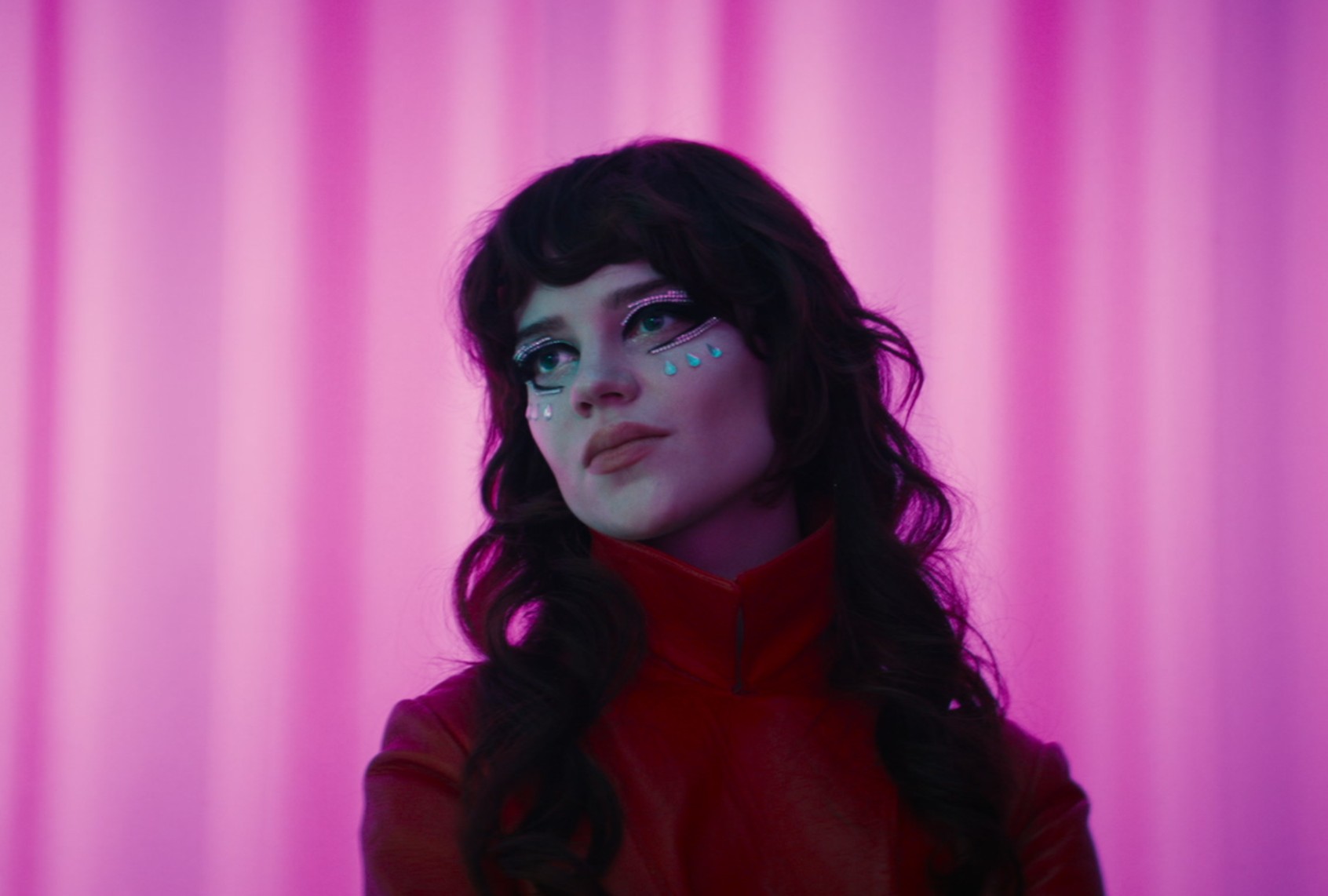
When pre-production on Her Private Hell began, Refn sought a lead who could embody both the fragility of an archetypal fairy-tale princess and the cold, unyielding detachment of an avant-garde statue. The casting of Thatcher as Elle was nothing short of serendipitous.
The production utilized towering soundstages and location shoots wrapped in artificial haze to capture the oppressive atmosphere of an eternal fog. Drawing direct inspiration from the voyeuristic dreamscapes of Brian De Palma—and securing a magnificent, retro-operatic score from De Palma’s long-time collaborator Pino Donaggio—Refn gave his actors the runway to indulge in grand, Elizabethan theatricality.
Supporting Context & Metrics: Genre Migration and Aesthetic Mastery
The commercial and critical reception of Her Private Hell highlights a persistent Hollywood dilemma: the invisible walls constructed around actors who break out in horror.
| Film / Project | Release Year | Genre Category | Thatcher’s Role / Impact | Critical Reception Summary |
|---|---|---|---|---|
| Yellowjackets | 2021 | Survival Thriller | Natalie (Teen survivor) | Acclaimed breakout; established raw emotional grit. |
| Heretic | 2024 | Psychological Horror | Mormon Missionary | Praised for grounding an underbaked theological maze. |
| Companion | 2025 | Sci-Fi / Dark Satire | Malfunctioning Android | Highlighted comedic timing and tragic pathos amidst satire. |
| Her Private Hell | 2026 | Neon-Drenched Fable | Elle (The Modern Princess) | Hailed as a career-defining performance bridging high art and genre. |
Escaping the Horror Ghetto
Industry metrics consistently show that actors who achieve breakout success in horror properties face steep statistical hurdles when attempting to transition into prestige drama, romance, or high-concept art house cinema. Studios frequently typecast them based on box-office demographics.
Thatcher’s strategic alignment with Nicolas Winding Refn effectively shatters this mold. Her Private Hell operates outside traditional box-office formulas, functioning instead as a high-end festival darling and a cult object destined for decades of academic and cinephile dissection. By wrapping herself in Refn’s vibrant pinks, blues, and indigo shadows, Thatcher transcends the "scream queen" label entirely. She evokes the classic, multi-dimensional allure of cinematic greats:
- Nancy Allen’s naive exuberance.
- Melanie Griffith and Michelle Pfeiffer’s innate, effortless sex appeal.
- Amy Irving’s informal, unsettling immorality.
Official Statements and Artistic Vision
The thematic ambitions of Her Private Hell are mirrored in the deliberate aesthetic choices made by its creators, who have frequently spoken on the nature of the film’s opaque storytelling and stylistic excess.
Critics and audiences initially divided by the film’s apparent "lack of plot" often miss the deeper emotional architecture constructed by Refn and his cast. As explored within the narrative, the fog enveloping the Tower Hotel is not merely a meteorological inconvenience, but a physical manifestation of grief, cyclical trauma, and the psychological weight of absent parents.
Refn’s approach to direction—relying heavily on intuition, color theory, and theoretical violence—finds its ideal sounding board in Thatcher’s performance. Speaking on the atmospheric demands of the production, observers note how Thatcher treats dialogue not as naturalistic communication, but as incantation.
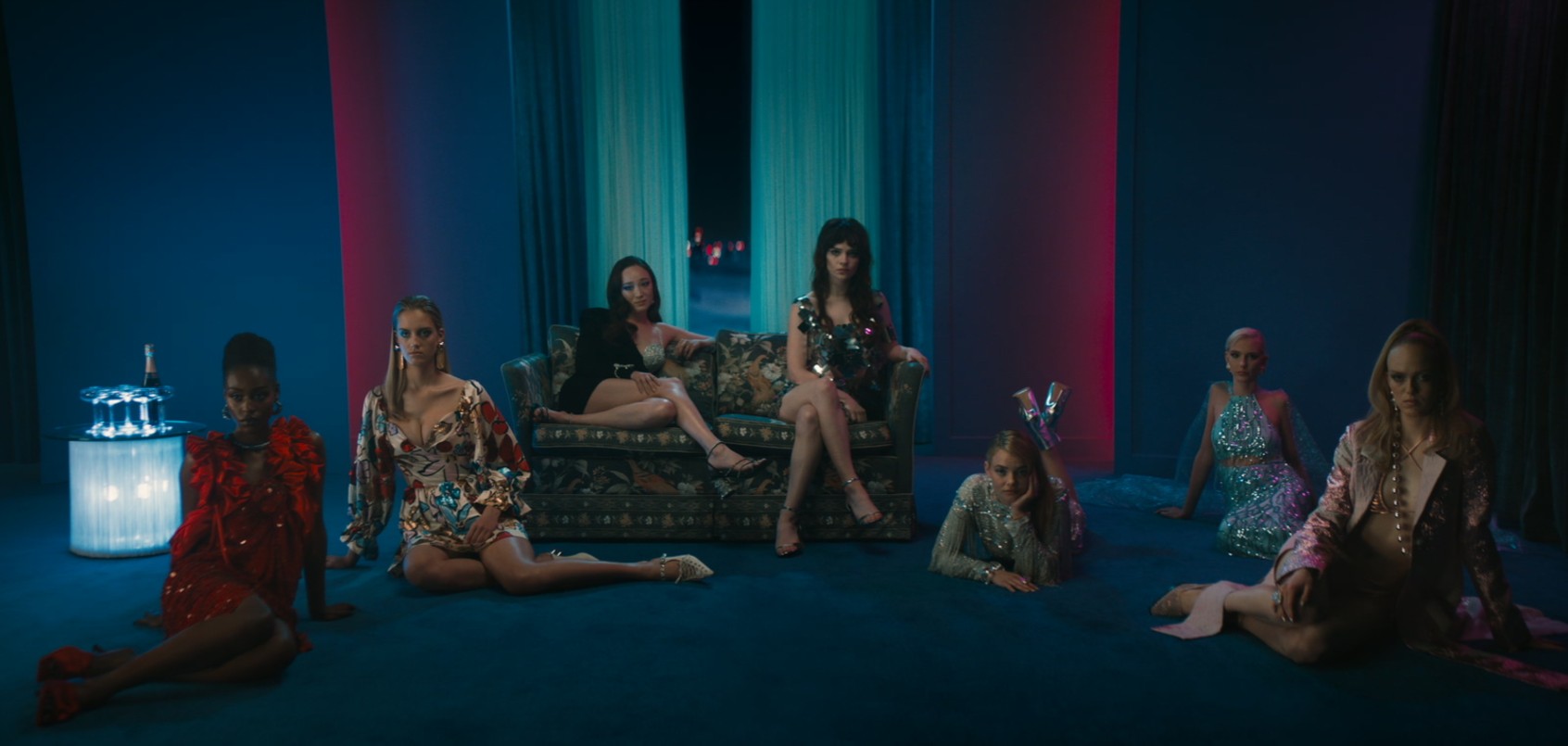
"To be heartbroken is to be damned to know the exquisite pain of being alive," serves as the emotional thesis of Her Private Hell.
The film posits that fantasy and reality are inextricably linked, weaponizing the surreal to confront mundane truths about human connection. When characters like Private K (Charles Melton) wander through the haze as casualties of ancient, recurring traumas, the film bridges the gap between high-camp pastiche and profound existential dread.
Future Outlook: A New Era for Sophie Thatcher and Auteur Cinema
As Her Private Hell cements its status as one of the most talked-about releases of 2026, the ripple effects across the cinematic landscape are already becoming apparent.
Redefining the Star System
For Sophie Thatcher, this film marks the definitive transition from a promising genre talent to a bona fide arthouse muse. The industry is taking notice of her capacity to hold a frame entirely through micro-expressions—a single glare from her steely eyes or the subtle, menacing quiver of a smile. Industry insiders project that her collaboration with Refn will unlock doors to European co-productions and high-prestige auteur projects that historically favored established dramatic heavyweights.
The Evolution of Neon-Noir and Modern Fables
Nicolas Winding Refn continues to prove that his distinct brand of hyper-stylized provocation remains a vital, if divisive, force in modern cinema. By proving that audiences will still line up for demanding, visually impenetrable narratives that prioritize mood, sound design, and thematic resonance over linear hand-holding, Her Private Hell paves the way for a resurgence of truly avant-garde commercial filmmaking.
As the credits roll on Her Private Hell—accompanied by the lingering, warbly resonance of Thatcher’s voice and the chilling realization that the fog may well be creeping under our own doors—one thing is certain: cinema has gained a new iconic pairing, and the landscape of psychological storytelling will never look quite the same under the neon glow.