

Executive Overview
The American political and media landscapes were rattled this week by a series of high-stakes developments, intersecting across electoral politics, First Amendment litigation, cultural flashpoints, and iconic sports broadcasting milestones. At the center of the political storm is a bombshell investigative report published by The New York Times, detailing an elaborate Democratic ballot-stacking scheme in Alaska’s pivotal U.S. Senate race. The operation—allegedly designed to confuse voters and dilute the support of incumbent Republican Senator Dan Sullivan—has drawn fierce condemnation from President Donald Trump, who is demanding severe legal and political consequences for Democratic candidate Mary Peltola.
Simultaneously, the friction between the executive branch and the mainstream media intensified as CNN, Politico, and MS NOW expanded their federal lawsuit against the Trump administration over ongoing press credential restrictions and viewpoint discrimination. In the cultural sphere, a passing critique of White House interior design by former President Barack Obama morphed into an absurdist debate over the class symbolism of the Cheesecake Factory, illuminating the deeply polarized nature of modern political discourse.
In the media and journalistic worlds, monumental changes are underway. Life magazine is preparing for a quarterly print revival under entrepreneur Karlie Kloss, while the Poynter Institute’s International Fact-Checking Network reflects on two decades of evolving verification standards. Finally, sports television is facing an impending paradigm shift: Ernie Johnson, the legendary anchor of Inside the NBA, announced he will step down at the conclusion of the season, a move widely expected to ring down the curtain on arguably the greatest studio show in sports broadcasting history.
Detailed Chronology
The Alaska Senate Race and the "Dan Sullivan" Operation
The roots of the current controversy trace back to the spring planning sessions of the 2026 midterm election cycle. According to an extensive investigative report published on Wednesday by The New York Times’ Kellen Browning, Democratic strategists—including lawyers for the Mary Peltola campaign and senior aides at the Democratic Senatorial Campaign Committee (DSCC)—orchestrated a clandestine operation to find, recruit, and place political spoiler candidates on the ballot in Alaska.
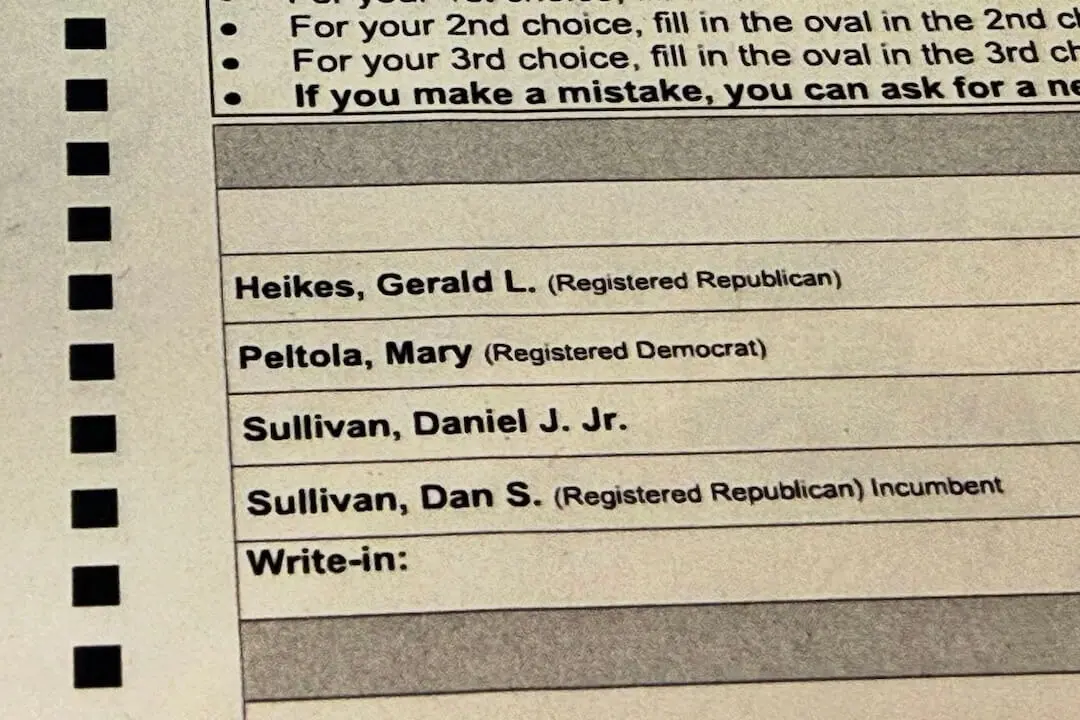
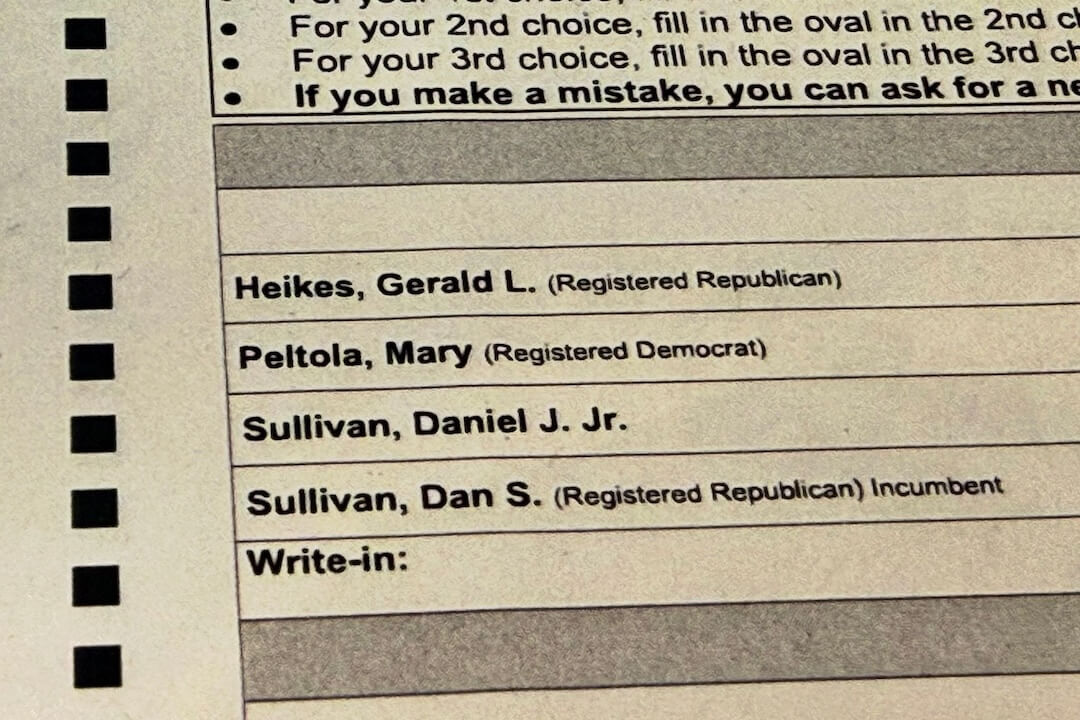
The primary objective of the scheme was simple yet disruptive: to fracture the conservative voting base by introducing multiple candidates named "Dan Sullivan" onto the ballot, thereby sowing confusion among the electorate and drawing votes away from the Republican incumbent, Senator Dan Sullivan.
- The Recruitment Phase (Spring): Operatives deployed secret tactics across remote Alaskan communities. Investigators uncovered text messages, interview accounts, and documents tied to potential litigation indicating that a mysterious Midwestern operative traveled across the state under a fake name, pitching the spoiler run to prospective candidates over drinks in local brewpubs.
- The Breakthrough: The strategy yielded results when a retired teacher from a remote fishing village in the Alaska Panhandle—accessible only via air and sea—announced his candidacy under the name Dan J. Sullivan. Alongside him, a long-shot candidate named Gerald Heikes was also reportedly coaxed into the race.
- The Legal and Institutional Footprint: The Times report revealed that the maneuver extended far beyond rogue local volunteers. High-level advisers in Washington and Anchorage participated in ongoing strategy discussions, even exploring the creation of a brand-new political party designed to draw conservative voters away from the incumbent.
- The Fallout: While ballot-stacking and independent candidate recruitment are common political tactics historically utilized by both major parties, the scale and clandestine nature of this operation have created a political firestorm. Elisa Rios, Peltola’s former campaign manager, acknowledged in the report that while Peltola was not directly directing the operation, she was "definitely aware" of it. Both the Peltola campaign and the DSCC have officially denied direct participation in spoiler recruitment.
Press Freedom Litigation Escalates
Parallel to the electoral chaos, the legal battleground between major news organizations and the White House shifted on Wednesday. Following the Trump administration’s mid-September decision to bar CNN, Politico, and MS NOW from high-profile press pool events such as Air Force One, the three outlets filed an amended complaint in federal court.
The updated lawsuit targets "continued retaliatory and viewpoint-discriminatory deprivation" by the administration. While the news organizations concede they do not possess an unrestricted constitutional right to enter the Oval Office or travel aboard presidential aircraft, their legal team—led by prominent attorney Ted Boutrous—argues that once the executive branch opens those spaces to selected journalists, it cannot legally exclude specific outlets purely out of animus toward their editorial coverage.
The procedural history of the case includes two temporary restraining orders and a preliminary injunction issued by U.S. District Judge Timothy P. Kelly, which restored White House press credentials to the blacklisted journalists. However, because administrative exclusions from specific travel pools persist, the plaintiffs are now seeking a permanent injunction and a formal judicial declaration that the President’s actions violate both the First and Fifth Amendments.
Supporting Context & Metrics
To fully understand the gravity of these unfolding events, it is necessary to examine the broader numerical and structural stakes:
- Senate Control Balance: The Alaska Senate race is not merely a regional contest; it represents a potential tipping point for control of the United States Senate. With the chamber locked in a razor-thin margin, every single seat carries national policy implications, explaining the aggressive—and controversial—tactics deployed by national party committees.
- The Alaska Ballot Structure: Heading into Election Day, Mary Peltola stands as the sole Democrat on the ballot, competing against the Republican incumbent Dan Sullivan, the spoiler candidate Dan J. Sullivan, and long-shot contender Gerald Heikes.
- Media Longevity Benchmarks: The return of Life magazine marks a major financial and cultural bet by Karlie Kloss’s Bedford Media. Founded in 1936, Life reached a readership peak of approximately 8 million people during the 1960s before transitioning to intermittent special print editions after 2000. The new quarterly format will debut with a steep cover price of $45, backed by digital media expansion, short-form video, and documentary projects.
- Fact-Checking Evolution: Celebrating the 50th anniversary of the Poynter Institute, recent retrospectives underscore how digital verification transformed political journalism. When PolitiFact launched in 2007 under the Tampa Bay Times, systematic political fact-checking was a novelty. Today, scrutinizing candidate claims has become standard operational procedure across traditional and digital newsrooms alike.
Official Statements & Reactions
The revelations out of Alaska and Washington have elicited sharp rhetoric from political leaders and legal representatives.
- President Donald Trump: Reacting to the New York Times report via Truth Social, President Trump pulled no punches, accusing Democratic operatives of perjury and calling for severe legal repercussions. Trump posted:
"Mary Peltola should suffer the Legal and Political consequences for what she has done, A FRAUD ON THE AMERICAN PUBLIC, and Dan Sullivan should be allowed to run without either Mary Peltola or FAKE Dan Sullivan on the Ballot."
- Mary Peltola: Dismissing the investigative report during a campaign rally, Peltola deflected the narrative squarely onto the media institution itself:
"This is all stuff to sell newspapers. This is all stuff to get subscriptions. Nobody at The New York Times cares about affordability in Alaska."
- Ted Boutrous (Attorney for News Organizations): Emphasizing the constitutional stakes of the expanded White House press lawsuit, Boutrous stated:
"These exclusions, intended to punish and chill coverage of the administration that the President doesn’t like, make it harder for the press to cover some of the most important events in the world for the benefit of the American people."
- Ernie Johnson: Announcing his departure from Inside the NBA at the end of the current season, the veteran broadcaster reflected on his milestone decision with characteristic humility:
"I just want to slow down a bit, spend more time enjoying that. This is by no means the end; it’s just a turning of the page."
Future Outlook
As the calendar turns toward the midterm elections and the subsequent legislative sessions, several critical trajectories will shape the national landscape:
- The Aftermath of the Alaska Election: Regardless of whether Mary Peltola secures victory on Election Day, the exposure of the DSCC-linked ballot-stacking operation will likely prompt calls for campaign finance and electoral reform within Alaska. Moreover, the legal threats leveled by political figures could manifest in post-election litigation, testing the boundaries of state election laws regarding candidate filings and coordinated political campaigns.
- The Future of Executive-Press Relations: Judge Kelly’s handling of the media lawsuit against the Trump administration will set a vital modern precedent for executive transparency and viewpoint neutrality. A permanent injunction in favor of CNN, Politico, and MS NOW would establish firm guardrails protecting press pool access against retaliatory political exclusions.
- A Cultural and Media Transition: In sports media, Ernie Johnson’s departure signals the twilight of a golden era. With colleague Charles Barkley indicating he will follow Johnson out the door, sports television executives face the daunting challenge of reimagining or replacing one of the most culturally influential studio programs in television history. Simultaneously, heritage media brands like Life magazine will test whether high-end print quarterly models can survive and thrive in a digital-first ecosystem.