

Executive Overview
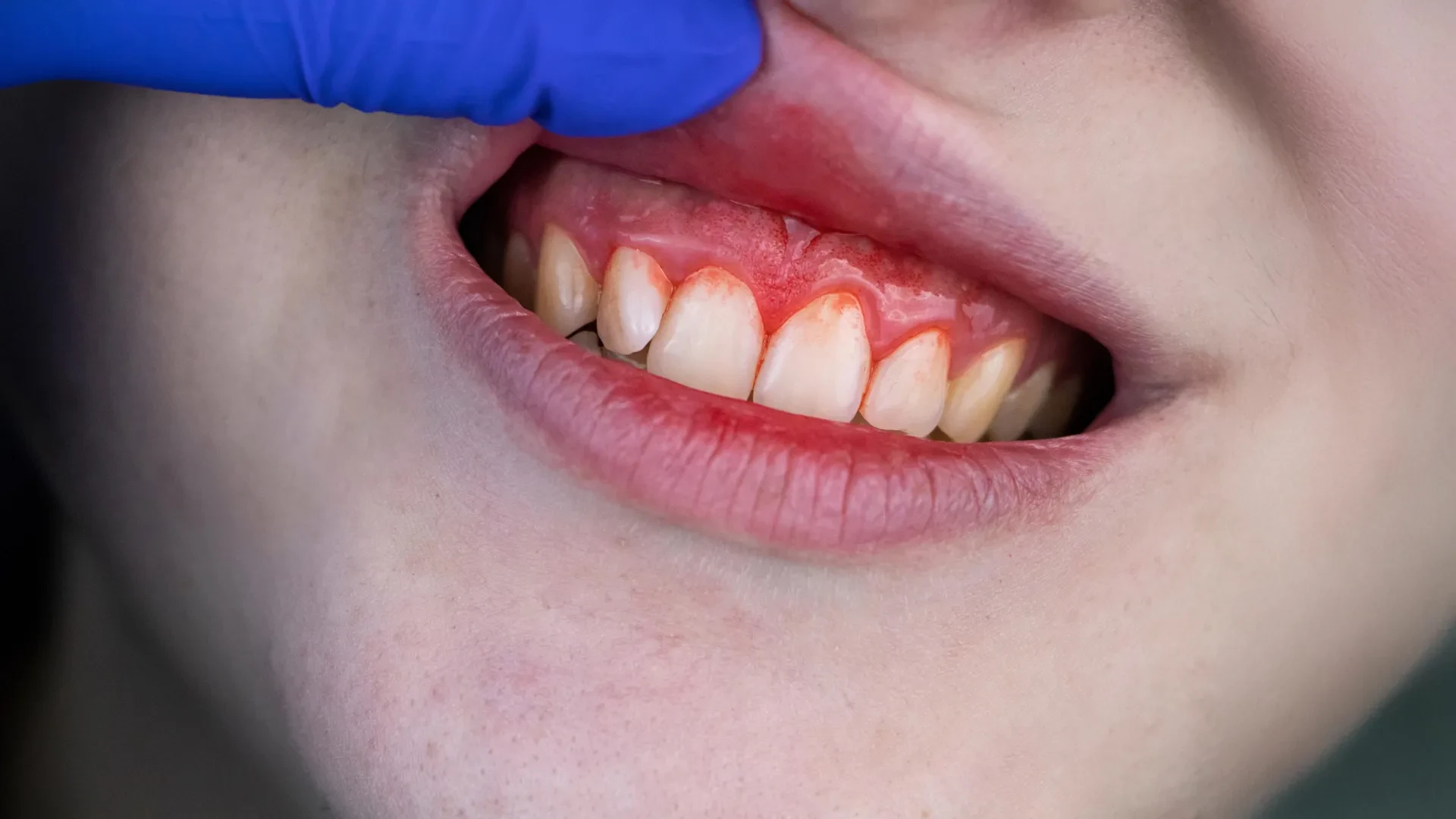
Periodontitis, a severe and pervasive form of gum disease, affects hundreds of millions of people worldwide, frequently culminating in irreversible tooth loss, chronic systemic inflammation, and a diminished quality of life. Traditional interventions—ranging from broad-spectrum systemic and topical antibiotics to conventional antimicrobial photodynamic therapy (aPDT)—have long relied on a scorched-earth strategy. While these legacy treatments successfully eradicate the pathogenic bacteria driving the infection, they simultaneously decimate the patient’s beneficial oral microbiome, disrupt delicate ecological balances, and often trigger secondary inflammatory cascades through the mass release of cellular toxins.
In a paradigm-shifting development published in the Journal of Translational Medicine, an interdisciplinary team of scientists at Nagoya University in Japan has engineered a revolutionary treatment that solves this medical dilemma. By ingeniously adapting a cutting-edge cancer therapy platform known as near-infrared photoimmunotherapy, the Nagoya researchers have created the near-infrared photo-antibacterial targeting therapy (NIR-PAT²).
This novel intervention combines specialized antibodies derived from the egg yolks of immunized hens with targeted near-infrared light. The resulting mechanism zeros in exclusively on Porphyromonas gingivalis (P. gingivalis)—the primary keystone pathogen responsible for periodontitis-induced bone destruction—while leaving harmless and beneficial oral microbes completely unharmed. Preclinical trials utilizing human cell cultures and murine models have demonstrated extraordinary efficacy: the therapy successfully eliminates the targeted pathogen, prevents alveolar bone loss, preserves the healthy oral microbiome, and avoids the collateral tissue damage characteristic of traditional treatments. As researchers look toward artificial intelligence-driven expansions and future human clinical trials, this breakthrough heralds a transformative new era of precision dental medicine.
Detailed Chronology
The genesis, evolution, and preclinical validation of the NIR-PAT² therapy represent a meticulous convergence of oncology technology, immunology, and microbiology. The systematic unfolding of this scientific breakthrough followed a carefully structured developmental timeline.
The Adaptation of Cancer Tech to Oral Pathology
The foundational concept for NIR-PAT² originated from the need to address the blunt-instrument nature of contemporary periodontal care. For decades, clinicians have understood that periodontitis is driven by microbial dysbiosis, where specific pathogenic species overwhelm the mouth’s natural defenses. However, available interventions lacked molecular precision.
Led by a collaborative team at the Nagoya University Graduate School of Medicine—including first author Hiroshi Maruyama, Professor Hideharu Hibi, and corresponding authors Kazuhide Sato and Kiyoshi Sakai—the researchers sought inspiration outside the traditional boundaries of dentistry. They turned to near-infrared photoimmunotherapy, an advanced cancer treatment modality that uses tumor-targeting antibodies linked to light-sensitive chemical dyes. When exposed to harmless near-infrared light, the dye alters its physical properties, specifically damaging the targeted malignant cells while sparing surrounding healthy tissues.
The Nagoya team hypothesized that this precise molecular targeting mechanism could be repurposed to hunt down pathogenic bacteria within the complex ecosystem of the human oral cavity.
Sourcing Antibodies from Immunized Hens
To adapt the cancer-fighting framework for bacteriological targets, the researchers required an abundant, cost-effective, and highly specific recognition molecule. They selected IgY (immunoglobulin Y), the primary antibody found in avian species, which can be harvested safely and efficiently from the egg yolks of hens.
By immunizing hens against P. gingivalis, the researchers stimulated the production of targeted IgY antibodies capable of recognizing surface antigens unique to the pathogen. Egg yolk antibodies offer distinct industrial and clinical advantages over mammalian antibodies: they can be produced at scale with remarkable cost-efficiency, making them exceptionally viable for widespread therapeutic commercialization.
Once harvested and conjugated with a light-sensitive dye, these pathogen-specific IgY antibodies formed the cornerstone of the novel NIR-PAT² compound.
Preclinical Testing in Cell Cultures and Murine Models
With the NIR-PAT² compound synthesized, the research team initiated a rigorous validation phase utilizing both in vitro human cell cultures and in vivo animal models.
- Cellular Selectivity Assays: Laboratory experiments exposed mixed bacterial populations and human gingival cells to the antibody-dye conjugate. Microscopic and biochemical analyses confirmed that the IgY antibodies bound exclusively to P. gingivalis, ignoring commensal oral bacteria and leaving healthy human gum tissue completely unaffected.
- Near-Infrared Light Activation: Upon application of near-infrared light, the dye activated locally, compromising the structural integrity of the pathogen’s outer membrane. Interestingly, microscopic evaluation showed that unlike conventional therapies that shatter bacterial walls and release endotoxins, NIR-PAT² created minute focal openings while preserving the overall structural integrity of the bacteria. This preservation is critical, as it prevents the massive release of lipopolysaccharide (LPS) endotoxins that typically exacerbate local gum inflammation.
- Murine Periodontitis Trials: Moving to animal models, the researchers tested NIR-PAT² on mice induced with periodontitis. Saliva analysis and bone density scans revealed profound results: the therapy significantly reduced P. gingivalis populations, preserved beneficial Streptococcus species, and—most importantly—drastically mitigated the destruction of alveolar bone surrounding the teeth.
Supporting Context & Metrics
To fully appreciate the magnitude of this Nagoya University innovation, it is essential to examine the biological role of the pathogen involved, the limitations of current standards of care, and the quantitative metrics that define the success of NIR-PAT² over legacy treatments.
The Menace of Porphyromonas gingivalis
The human mouth hosts a diverse, highly integrated community of hundreds of bacterial species. In a healthy individual, these microorganisms exist in a state of symbiotic equilibrium, assisting with digestion, mucosal defense, and chemical signaling.
Pathology occurs when this balance is disrupted, allowing opportunistic or pathogenic organisms to dominate. Among these, Porphyromonas gingivalis (P. gingivalis) is classified by microbiologists as a keystone pathogen.
- Disproportionate Influence: Despite often existing in relatively low abundance compared to harmless commensal bacteria, P. gingivalis exerts an outsized control over the entire oral microbiome.
- Inflammatory Cascades: It actively manipulates host immune responses, promotes destructive inflammation, and accelerates the degradation of extracellular matrix proteins.
- Alveolar Bone Destruction: As the host immune system reacts to the persistent infection, osteoclasts (bone-resorbing cells) are over-activated, leading to the resorption and destruction of the alveolar bone—the primary structural anchor of the human dentition. Once this bone is lost, teeth loosen and inevitably fall out.
Comparative Metrics: Legacy Treatments vs. NIR-PAT²
| Evaluation Parameter | Conventional Antibiotics & aPDT | NIR-PAT² (Nagoya University Therapy) |
|---|---|---|
| Microbial Target Selectivity | Broad-spectrum: Eliminates both pathogenic and beneficial commensal bacteria indiscriminately. | High-precision: Specifically targets P. gingivalis while leaving beneficial flora (e.g., Streptococcus) intact. |
| Ecosystem Impact | Severely disrupts the oral microbial ecosystem, causing long-term dysbiosis. | Preserves the integrity of the broader oral microbiome and ecological balance. |
| Endotoxin Release (LPS) | Often causes complete cellular lysis, releasing high levels of inflammatory lipopolysaccharides (LPS). | Induces controlled focal membrane damage, minimizing free LPS release and subsequent inflammation. |
| Impact on Host Gum Cells | Can induce collateral cytotoxicity, slowing cellular healing and damaging healthy tissue. | Demonstrated zero detectable harm to healthy human gingival cell cultures during testing. |
| Alveolar Bone Preservation | Offers variable protection dependent on infection stage; often accompanied by tissue stress. | Proven to significantly reduce alveolar bone loss in murine periodontitis models. |
Official Statements
The development of NIR-PAT² has drawn substantial attention from the global dental research community, highlighting the paradigm shift represented by targeted antimicrobial immunotherapy.
Kazuhide Sato, corresponding author of the study and lecturer at Nagoya University, articulated the core philosophical and clinical problem with current dental modalities:
"Current treatments for periodontitis, including antibiotics and antimicrobial photodynamic therapy (aPDT), eliminate both pathogenic and beneficial oral bacteria. These approaches often disrupt the entire oral microbial ecosystem and can also release lipopolysaccharide (LPS), an endotoxin that may exacerbate inflammation."
Emphasizing the distinct biological superiority demonstrated during the preclinical trials, Sato further noted:
"Results demonstrated that, unlike antibiotics or standard light therapy, this approach selectively removes the primary pathogenic species while preserving the remainder of the oral bacterial community."
First author Hiroshi Maruyama, alongside senior collaborators Professor Hideharu Hibi and corresponding author Kiyoshi Sakai, emphasized that the transition from oncology to periodontology opens up entirely new horizons for precision medicine. By leveraging avian IgY antibodies paired with localized light activation, the research team has successfully bridged the gap between macroscopic antimicrobial efficacy and microscopic ecological preservation.
Future Outlook
While the preliminary results published in the Journal of Translational Medicine are undeniably encouraging, the Nagoya University research team remains grounded regarding the developmental trajectory ahead. Periodontitis is an inherently complex, multifactorial disease involving a diverse consortium of pathogenic bacteria, meaning that neutralizing P. gingivalis in isolation represents a monumental first step rather than a universal cure-all.
Leveraging Artificial Intelligence for Multi-Target Precision
To evolve the therapy into a comprehensive clinical toolkit, the research group is actively planning to harness the predictive power of artificial intelligence (AI).
- Microbial Network Analysis: Researchers will use machine learning algorithms to mine vast repositories of publicly available oral microbiome data.
- Identifying Secondary Targets: By mapping complex inter-species interactions and identifying other key pathogens contributing to periodontal breakdown, the AI models will help scientists engineer customized antibody cocktails to target multiple disease-causing agents simultaneously.
Bridging Oral Health and Systemic Medicine
The implications of targeted periodontal therapy extend far beyond the boundaries of dental clinics. Over the past two decades, extensive epidemiological and clinical research has linked chronic periodontitis to several severe systemic pathologies, including:
- Rheumatoid Arthritis: Pathogens such as P. gingivalis produce enzymes that alter proteins, potentially triggering autoimmune reactions linked to joint destruction.
- Type 2 Diabetes: Severe gum inflammation can exacerbate systemic insulin resistance, complicating glycemic control in diabetic patients.
- Cardiovascular Disease: Periodontal bacteria and associated inflammatory mediators entering the bloodstream have been implicated in endothelial dysfunction and atherosclerotic plaque formation.
By mastering the ability to selectively eliminate periodontal pathogens without inducing systemic dysbiosis or heavy inflammatory stress, future iterations of NIR-PAT² could play a profound role in reducing systemic inflammatory burdens associated with these comorbid conditions.
Path to Human Clinical Trials
Currently, NIR-PAT² remains an experimental therapy, with its therapeutic profile validated exclusively in in vitro laboratory environments and in vivo animal models. The immediate future requires navigating the stringent regulatory pathways necessary to transition the technology into human clinical trials.
If human trials successfully replicate the safety, precision, and bone-preserving efficacy observed in mice, the dental industry stands on the precipice of a revolution. The management of gum disease will shift permanently away from blunt chemical eradication toward intelligent, light-activated molecular surgery—ensuring that treating periodontal disease preserves, rather than destroys, the delicate biological harmony of the human mouth.
