

Executive Overview
For the better part of half a century, modern dietary guidance has echoed a consistent, albeit restrictive, refrain: when reaching for milk, cheese, or yogurt, consumers should proactively opt for low-fat or fat-free varieties. This conventional wisdom was built upon a bedrock of epidemiological assumptions regarding saturated fat, low-density lipoprotein (LDL) cholesterol, and the ticking clock of cardiovascular disease. The medical establishment warned that every spoonful of full-fat dairy brought individuals one step closer to arterial plaque accumulation and heart failure.
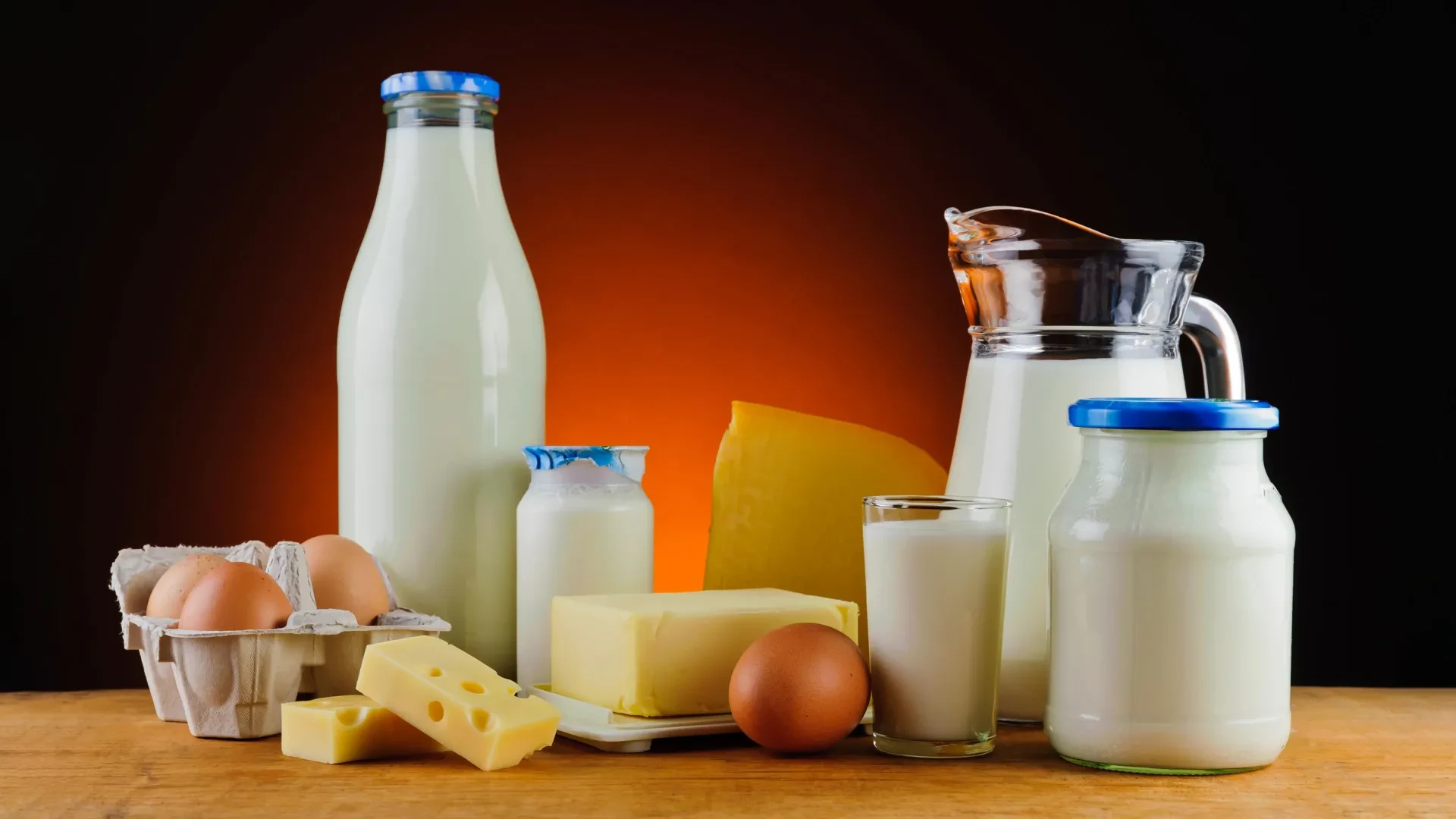
However, a growing body of rigorous clinical research is challenging the very foundation of these dietary dogma. Spearheaded by a recent study out of the University of Toronto, nutritional scientists are discovering that the human body does not process full-fat dairy in the simplistic, linear fashion previously assumed. Published in The Journal of Nutrition, a novel Canadian clinical trial reveals that incorporating three daily servings of full-fat dairy into an adult diet triggers no adverse changes in body weight, body composition, energy metabolism, or systemic blood cholesterol levels.
More strikingly, participants who consumed whole-fat dairy actually exhibited improvements in blood pressure alongside a significant boost in essential nutrient intake. These findings validate an increasingly popular paradigm in nutritional science: the "dairy matrix hypothesis." This theory posits that the complex biochemical architecture of whole foods—how fats, proteins, and micronutrients are structurally bound together—matters far more than a single isolated component like saturated fat. While health authorities are not yet tossing out decades of public health guidelines, this emerging body of work signals a profound shift toward holistic food evaluation, potentially offering a nutritional lifeline to aging populations struggling to maintain muscle mass and bone density without overconsuming calories.
Detailed Chronology: Unpacking the University of Toronto Study
To understand how dietary science reached this pivotal crossroads, it is necessary to examine the mechanics of the recent clinical trial that put full-fat dairy under the microscope. Led by Professor Harvey Anderson, a preeminent nutritional sciences researcher at the University of Toronto’s Temerty Faculty of Medicine, the study sought to move beyond the observational data that has dominated nutrition research for decades and test the actual physiological impact of whole-fat dairy consumption in a controlled environment.
The Trial Design and Participant Demographics
The research team recruited 74 adults, all of whom presented with either overweight or obesity—a demographic frequently targeted by conventional weight-loss and heart-healthy interventions. Over a rigorous 12-week period, these participants were randomly assigned to one of three distinct nutritional tracks:
- The Low-Dairy Control Group: Participants followed a calorie-restricted diet that minimized dairy intake entirely, aligning with standard historical weight-loss prescriptions.
- The Energy-Neutral High-Dairy Group: Participants consumed three daily servings of full-fat dairy while maintaining an isocaloric diet, meaning their total daily energy intake was calibrated precisely to match their baseline metabolic expenditure.
- The Unrestricted High-Dairy Group: Participants incorporated three daily servings of full-fat dairy into their routines without any specific calorie-restriction boundaries.
Throughout the duration of the trial, researchers supplied all full-fat dairy products directly to the participants, ensuring rigorous quality control and accurate compliance. Guidance was modeled closely on official national standards, specifically Canada’s food guide.
The 12-Week Physiological Readouts
At the conclusion of the three-month intervention, the research team conducted comprehensive metabolic assessments, measuring shifts in body weight, fat-to-muscle body composition, circulating blood lipids, and glycemic regulation markers.
The results flatly contradicted decades of theoretical projections. Participants who ingested three daily servings of full-fat dairy demonstrated no statistically significant differences in weight gain, body fat percentage, or adverse cholesterol alterations when compared against the group consuming little to no dairy. Far from deteriorating, cardiovascular and metabolic markers remained stable across the board.
Even more unexpected was the secondary finding: participants in the higher-dairy cohorts experienced tangible improvements in blood pressure measurements. Furthermore, they registered substantially higher bodily stores of vital micronutrients and macronutrients, including calcium, high-quality protein, and vitamin D—nutrients fundamental to skeletal integrity, muscular contraction, and cellular regulation.
Reflecting on the metabolic panels, Professor Anderson noted the absence of systemic distress: "Those that had three servings of dairy didn’t have adverse levels of blood cholesterol or lipids or evidence of insulin resistance."
This absence of insulin resistance is particularly noteworthy. Insulin resistance occurs when peripheral cells lose their sensitivity to insulin, forcing the pancreas to pump out excess insulin to manage blood glucose—a primary precursor to type 2 diabetes. The Canadian trial offers preliminary yet robust clinical assurance that full-fat dairy does not inherently accelerate this pathological slide.
Supporting Context & Metrics: The Mechanics of Saturated Fat and the Dairy Matrix
To fully appreciate why these modern findings represent such a radical departure from historical health messaging, one must analyze the origins of the anti-fat movement and the contemporary scientific theories dismantling it.
The Legacy of the "Bad Cholesterol" Paradigm
For generations, dietary policies across North America and Europe were shaped by the Diet-Heart Hypothesis. The core argument was deceptively simple:
- Dietary saturated fats raise the concentration of low-density lipoprotein (LDL) cholesterol in the bloodstream.
- Elevated LDL particles can penetrate the endothelial lining of arteries, oxidizing and forming fatty plaques (atherosclerosis).
- Over decades, this arterial narrowing dramatically escalates the probability of acute myocardial infarctions (heart attacks) and ischemic strokes.
Because whole milk, cream, butter, and regular-fat cheeses contain higher concentrations of saturated fatty acids than their skim or reduced-fat counterparts, public health authorities naturally categorized them as cardiovascular hazards.
Yet, as observational epidemiology advanced, a glaring disconnect emerged. Large-scale human cohort studies frequently failed to uncover a direct, linear statistical link between the consumption of full-fat dairy and an elevated incidence of cardiovascular disease or all-cause mortality. In some unexpected turns, researchers like Temerty Medicine Professor Kozeta Milliku identified inverse correlations—such as whole-fat milk consumption tracking alongside a lower risk of childhood obesity. These real-world observations forced scientists to ask a hard question: Are we misjudging how complex whole foods behave once ingested?
The Dairy Matrix Hypothesis Explained
Enter the dairy matrix hypothesis, a conceptual framework that is rapidly reshaping modern nutritional biochemistry. Rather than viewing a glass of milk or a wedge of cheese as an indiscriminate chemical bag of isolated macro- and micronutrients, the dairy matrix model treats the food as an integrated, structured biological system.
Dr. Anderson breaks down the anatomy of this matrix succinctly: "With dairy products, it’s got two proteins—casein and whey—that are bound together with fat and with nutrients mixed in."
Casein and whey are the twin pillars of dairy protein, each boasting distinct biological kinetics. Whey digests rapidly, flooding the bloodstream with amino acids that trigger muscle protein synthesis, whereas casein coagulates in the acidic environment of the stomach, releasing amino acids in a slow, sustained trickle over several hours.
When these proteins are intricately bound with milk fat globules, calcium, phosphorus, and bioactive peptides within a physical food matrix, the digestion and absorption kinetics change entirely. The human body does not respond to whole-fat cheese the exact same way it responds to isolated butterfat spread across toast. The structural architecture of the dairy matrix physically impedes the rapid absorption of fats and moderates the systemic inflammatory and lipidemic responses that isolated saturated fats might otherwise provoke.
Official Statements and Expert Perspectives
While the University of Toronto trial provides valuable empirical data, the scientific community is deliberately exercising caution, balancing enthusiasm for the new findings with a sober recognition of the study’s structural limitations.
A Call for Nuance, Not a Free-for-All
Professor Harvey Anderson is quick to temper any interpretation that brands full-fat dairy as an unmitigated "health food" licence for unlimited indulgence. The trial, while meticulously executed, involved a modest cohort of 74 individuals and ran for a duration of just 12 weeks. Three months is an insufficient timeframe to definitively prove whether short-term metabolic stability translates into decades-long protection against chronic cardiac events or neurodegenerative decline.
"That doesn’t mean saturated fat is harmless or that everyone should switch to full-fat dairy," researchers caution. Instead, the data suggests that blanket rejections of food categories based strictly on single-nutrient profiles—such as "high saturated fat = bad"—are fundamentally flawed.
Navigating the Noise of Modern Nutrition
In an era dominated by hyper-partisan dietary trends—swinging wildly between militant low-fat veganism and hyper-restrictive ketogenic fat-loading—the average consumer is left paralyzed by conflicting headlines. Dr. Anderson advocates for stripping away the academic noise in favor of time-tested nutritional pragmatism. When asked how individuals should navigate these shifting sands, his advice is refreshingly grounded:
"Keep it simple, eat a variety of foods and not too much of anything."
This sentiment echoes through the halls of contemporary nutritional epidemiology: health is rarely achieved through the micro-management of individual molecules, but rather through balanced dietary patterns, caloric moderation, and the consumption of minimally processed, structurally intact whole foods.
Future Outlook: Implications for Aging Populations and Public Health Policy
As nutritional science transitions from reductionism to systems biology, the implications of studies like the University of Toronto trial extend far beyond academic journals. They strike at the heart of public health policy, elderly care, and the future of dietary guidelines.
Meeting the Nutritional Demands of an Aging Demographic
Perhaps the most immediate and profound application of these findings lies in geriatric nutrition. As human beings age, their basal metabolic rate declines, resulting in lower total daily caloric requirements. Simultaneously, however, the human body’s physiological efficiency drops, requiring higher relative intakes of specific micronutrients and high-quality proteins to combat sarcopenia (age-related muscle loss), osteopenia, and bone fractures.
This creates a cruel nutritional paradox for older adults, particularly those battling diminished appetites or early-stage frailty: how does one compress adequate protein, calcium, and vitamin D into a drastically reduced daily calorie budget?
Full-fat dairy products emerge as an exceptionally efficient solution. They offer concentrated, highly bioavailable nutrition packed into familiar, palatable, and easily digestible formats. For an older adult struggling to consume enough food, swapping a watery, artificially sweetened low-fat yogurt for a nutrient-dense, full-fat alternative provides superior caloric density, sustained satiety, and essential micronutrients without demanding that they force down extra volume.
The University of Toronto findings offer clinical reassurance that incorporating full-fat dairy into the diets of older individuals can fulfill these vital nutritional mandates without inducing the catastrophic spikes in blood lipids or insulin resistance that historical dogma predicted.
The Road Ahead for Dietary Guidelines
Looking forward, regulatory bodies such as Health Canada and the USDA face the delicate task of updating national food guides to reflect the nuances of the dairy matrix hypothesis without triggering public confusion. Re-evaluating decades-old messaging is notoriously difficult, yet the accumulation of high-quality human intervention trials makes ignoring the data untenable.
Future research will need to scale up significantly. Long-term, multi-year randomized controlled trials tracking hard clinical endpoints—such as actual cardiovascular event rates, stroke incidence, and long-term glycemic control—will be required before official guidelines pivot entirely. Furthermore, researchers are actively exploring how individual variations in the gut microbiome and human genetics influence how people process dairy fats, paving the way for personalized nutrition.
Until then, the message is clear: the war on fat is evolving into a more sophisticated understanding of food quality, structure, and context. Full-fat dairy is stepping out of the nutritional shadow, proving that when it comes to human health, the whole is frequently far more complex—and forgiving—than the sum of its parts.
