

Executive Overview
In the contemporary cinematic landscape, visionary directors often use genre tropes not merely to frighten, but to deconstruct human psychology, trauma, and desire. With the release of Teenage Sex and Death at Camp Miasma, acclaimed filmmaker Jane Schoenbrun (known for We’re All Going to the World’s Fair and I Saw the TV Glow) has delivered a polarizing, intoxicating masterclass in queer desire and subversion.
Starring Hannah Einbinder as Kris Williams and Gillian Anderson as Billy Presley, the MUBI release blends slasher meta-commentary, dreamscape aesthetics, and profound emotional catharsis. While the film has garnered mixed reviews from mainstream critics—with general audiences occasionally scratching their heads at its avant-garde pacing and idiosyncratic tone—its impact on individual viewers can be transformative.
This essay-review explores how Schoenbrun’s latest freak-matching cinematic odyssey defies conventional romantic cynicism. For viewers fatigued by modern dating apps, serial monogamy, and the heartbreak of divorce, Camp Miasma functions as an unexpected emotional defibrillator. By validating unconventional fantasies, championing authentic vulnerability, and offering a transcendent soundtrack anchored by Andy Shauf’s haunting single “Satan,” the film proves that even after swearing off romance, art still possesses the raw power to ignite a dormant heart.
Detailed Chronology: The Journey From Cynicism to Cinema
To understand the emotional resonance of Teenage Sex and Death at Camp Miasma, one must trace the psychological trajectory of the modern romantic cynic. For many adults—particularly those navigating the isolating aftermath of divorce, the monotony of remote work, and the desolate landscape of Southern dating pools—the default defense mechanism against heartache is profound emotional withdrawal.
The author of this journey, a recovering serial monogamist and divorced lesbian living in a remote Southern town, had long since uninstalled dating apps, accepted a quiet life accompanied only by a loyal dog, and firmly sworn off the turbulence of dating. The emotional ledger of love had seemingly been balanced: the risk of loss simply outweighed the potential reward of intimacy.
Enter Jane Schoenbrun. Following a trajectory that cemented them as a generational voice in modern independent cinema, Schoenbrun’s third major feature arrived without traditional narrative safety nets. When the lights dimmed in the theater, the film’s hypnotic opening sequences immediately dismantled years of carefully constructed armor.
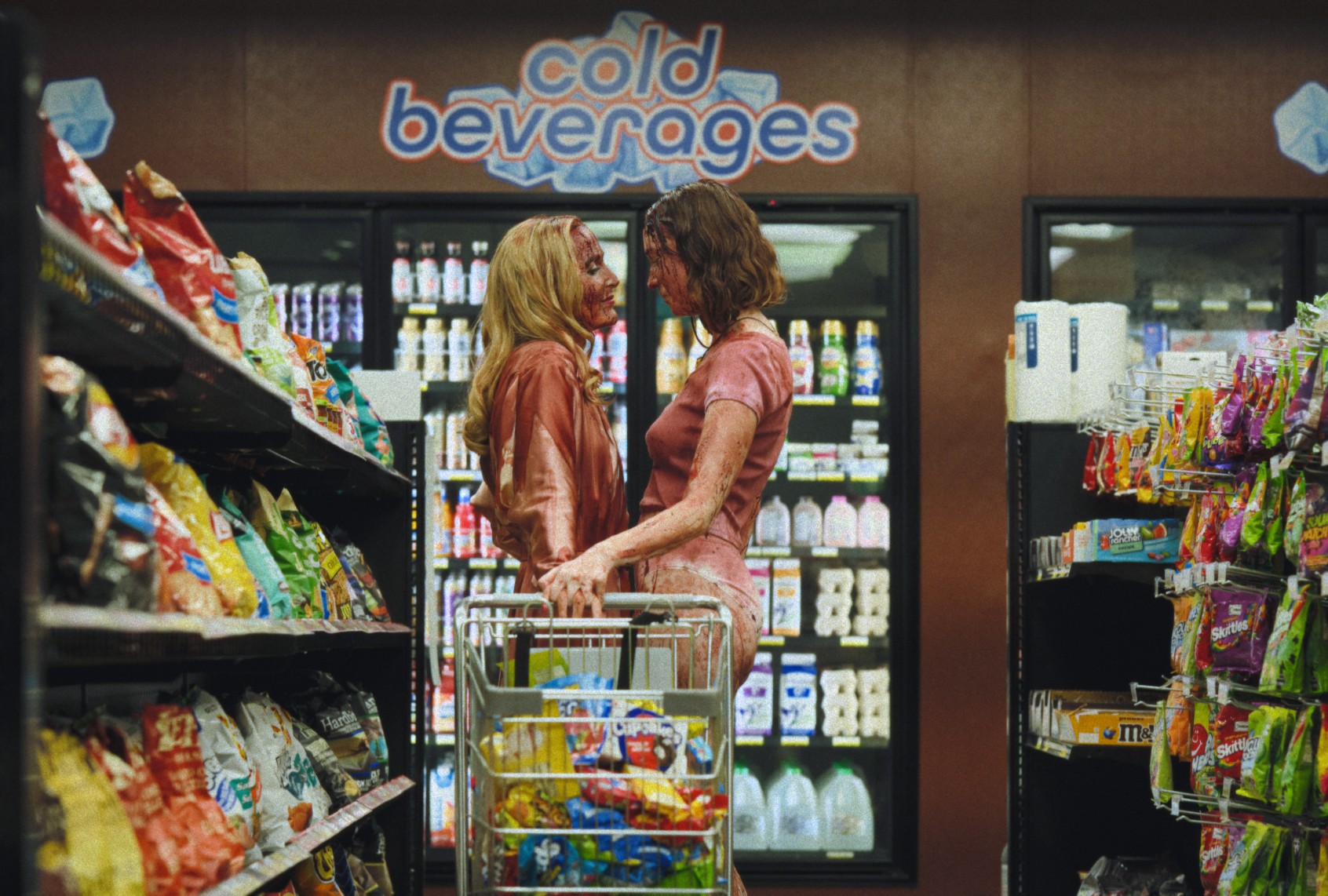
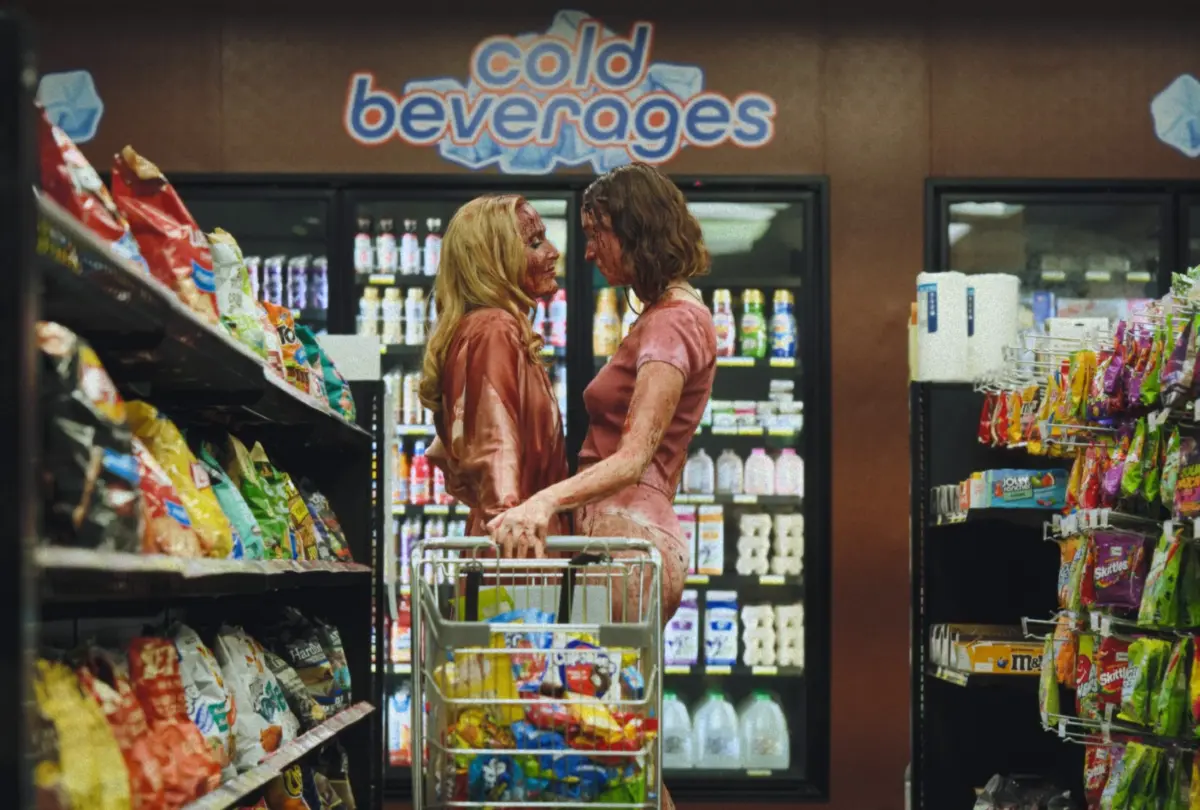
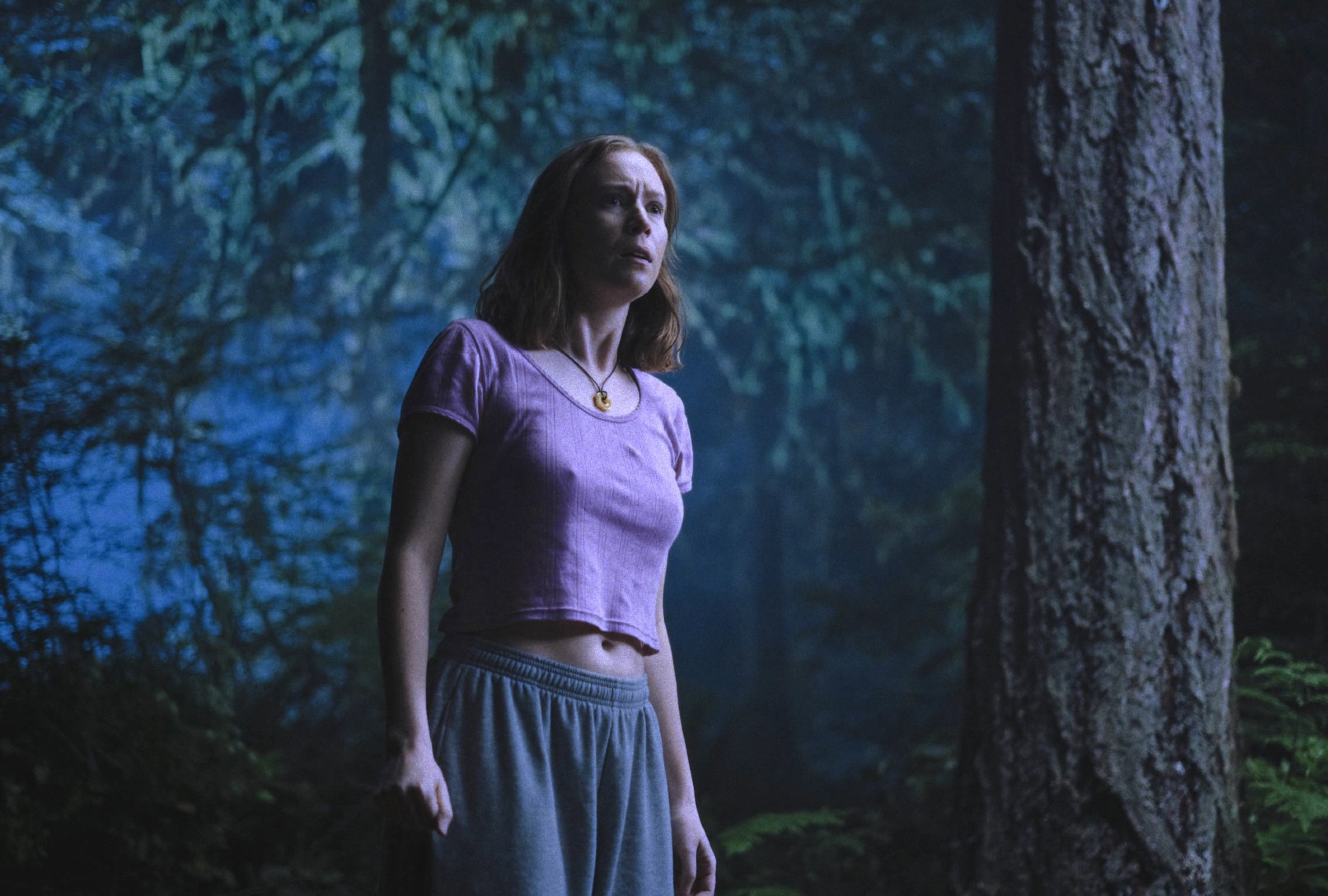
The narrative follows Kris Williams (Einbinder), a queer filmmaker attempting to reclaim and reboot a problematic slasher film-within-a-film titled Camp Miasma. Kris is grappling with her own interiority, specifically learning to embrace the reality of her desires—most notably, complex villain-victim fantasies that society often trains women to suppress. Opposite her is Billy Presley (Anderson), the star of the original cursed cinematic property.
As the film progresses, it refuses to adhere to standard Hollywood beats. Instead, it expands into an impressionistic exploration of two people genuinely "matching each other’s freak." By the time the film reaches its breathtaking climax—where Kris and Billy walk hand-in-hand through a surreal dreamscape of pleasure and gore, underscored by Andy Shauf’s melancholic masterpiece “Satan”—the cinematic alchemy is complete. The defensive wall of cynicism does not merely crack; it vaporizes.
Within minutes of the credits rolling, old habits return in a radically altered context: the Hinge profile is reactivated, not out of desperation, but from a renewed, playful curiosity about what the next scene of life might bring.
Supporting Context & Metrics: Schoenbrun’s Cinematic Evolution
Jane Schoenbrun’s filmography represents a distinct movement in 21st-century American indie cinema, heavily focused on identity, digital-age alienation, and the transformative power of media consumption.
The Schoenbrun Trilogy
- We’re All Going to the World’s Fair (2021): A micro-budget exploration of online roleplay, isolation, and digital myth-making that established Schoenbrun as a master of atmospheric dread and internet-era psychology.
- I Saw the TV Glow (2024): A critically lauded breakout hit that used nostalgic television tropes as a profound metaphor for transgender awakening and repressed identity, cementing Schoenbrun’s reputation as a visionary auteur.
- Teenage Sex and Death at Camp Miasma (2026): Schoenbrun’s most provocative release to date, blending slasher tropes, queer theory, and romantic reawakening into a surrealist canvas.
Critical Reception and Audience Polarization
True to the legacy of boundary-pushing art, Camp Miasma has generated significant critical debate:
- Professional Critics: Divided between praising Schoenbrun’s uncompromising directorial vision and questioning the accessibility of the film’s labyrinthine narrative structure.
- Audience Reactions: Ranging from utter bewilderment ("What the hell is this?") to fervent, evangelical devotion among queer cinephiles who see the pairing of Gillian Anderson and Hannah Einbinder as a watershed moment in queer representation.
- Box Office & Streaming: Distributed globally by MUBI, the film has achieved cult status among digital cinephiles, driving robust physical media pre-orders (such as the Waxwork Records vinyl soundtrack release) and viral social media discourse.
Official Statements & Auteur Intent
The singular vision behind Camp Miasma has been articulated by Schoenbrun across various press junkets and profiles, most notably in a comprehensive interview with The New York Times in August 2026.
When asked to summarize the sprawling, hard-to-categorize narrative of the film, Schoenbrun offered a brilliantly succinct thesis statement:
"In its simplest form, this is kind of a movie about two women matching each other’s freak."
This quote captures the core ethos of the film’s romantic philosophy. Traditional romantic cinema often sanitizes desire, presenting sanitized, socially palatable versions of love that require actors and characters to suppress their true idiosyncrasies. Schoenbrun’s film violently rejects this premise. By depicting characters who embrace their darkest, weirdest, and most idiosyncratic psychological landscapes—and finding partners who meet them there without judgment—the film redefines compatibility.
Furthermore, the film’s central dynamic addresses the exhausting theatricality of modern dating: the faked orgasms, the premature declarations of affection, and the dread of the post-honeymoon plateau. In Camp Miasma, those burdens are stripped away. As Billy Presley tells Kris Williams at a pivotal emotional juncture: “If it gets too real, you can always turn it off.”
Yet, as the film suggests, the true magic lies in having the courage to leave it running, embracing the passion for passion’s sake rather than rushing to force every fleeting spark into a lifelong institution.
Future Outlook: The Enduring Legacy of "Camp Miasma"
As Teenage Sex and Death at Camp Miasma continues to find its definitive audience on streaming and physical media, its long-term cultural footprint extends far beyond box office numbers or standard critical metrics. It marks a cultural pivot point for how contemporary queer cinema explores middle-aged and young adult vulnerability.
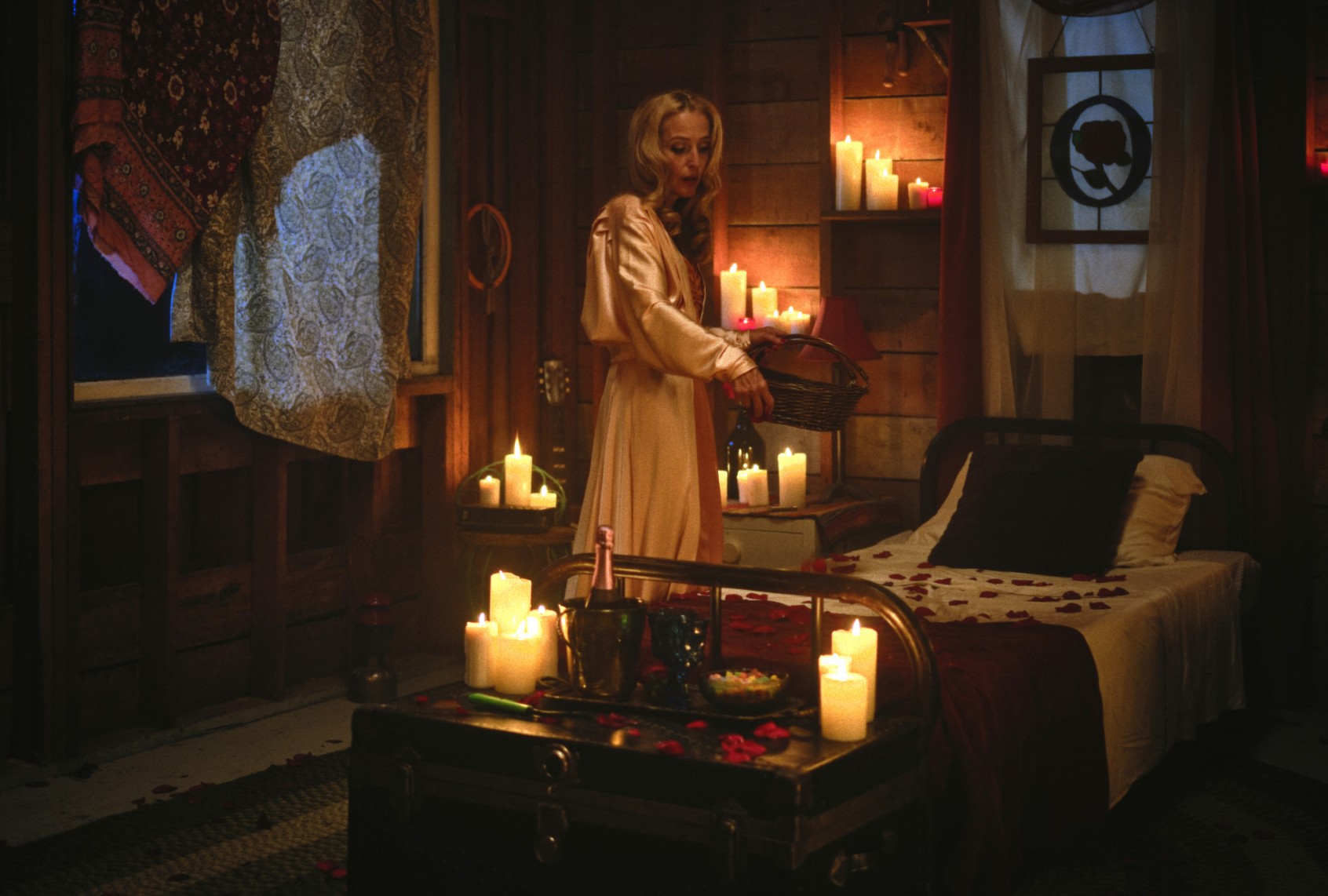
For audiences fatigued by algorithmic dating apps and the sterile metrics of modern romance, films like Schoenbrun’s serve as emotional conduits. They remind us that while a viewer is unlikely to encounter a literal slasher-film dreamscape or bump into their own Kris Williams at a local gas station, the internal spark of passion is entirely renewable.
The film’s haunting anthem, Andy Shauf’s “Satan,” captures this ephemeral beauty with chilling precision:
Don’t watch yourself, watch the movie
This only happens for a little while
Because Satan is waiting
Satan is waiting with Halloween candy
In an era defined by cynicism, isolation, and caution, Camp Miasma issues a daring invitation: to stop watching oneself out of fear of judgment, to step back into the theater of life, and to embrace the intoxicating, terrifying possibility that passion may yet be waiting just around the corner—candy in hand.