

Executive Overview
In the modern culinary landscape, the birth of an entirely new grocery category is an exceedingly rare phenomenon. While line extensions, flavor variations, and packaging redesigns dominate the strategies of legacy food conglomerates, true category creators usually emerge from the fringes of food service—scrappy, hyper-focused, and driven by an uncompromising product vision. Mike’s Hot Honey is a prime example of this rare breed.
What began in 2010 as a rogue condiment drizzled over artisanal pies in Brooklyn pizza shops has since morphed into a multi-million-dollar cultural mainstay. By pairing the natural, unrefined sweetness of honey with the sharp, lingering kick of chili peppers, the brand successfully re-engineered consumer perceptions of a prehistoric foodstuff. Honey, traditionally confined to tea mugs, breakfast toast, and baking bowls, was suddenly reimagined as a dynamic, savory-sweet finishing sauce suitable for pizza, fried chicken, roasted vegetables, and cocktails.
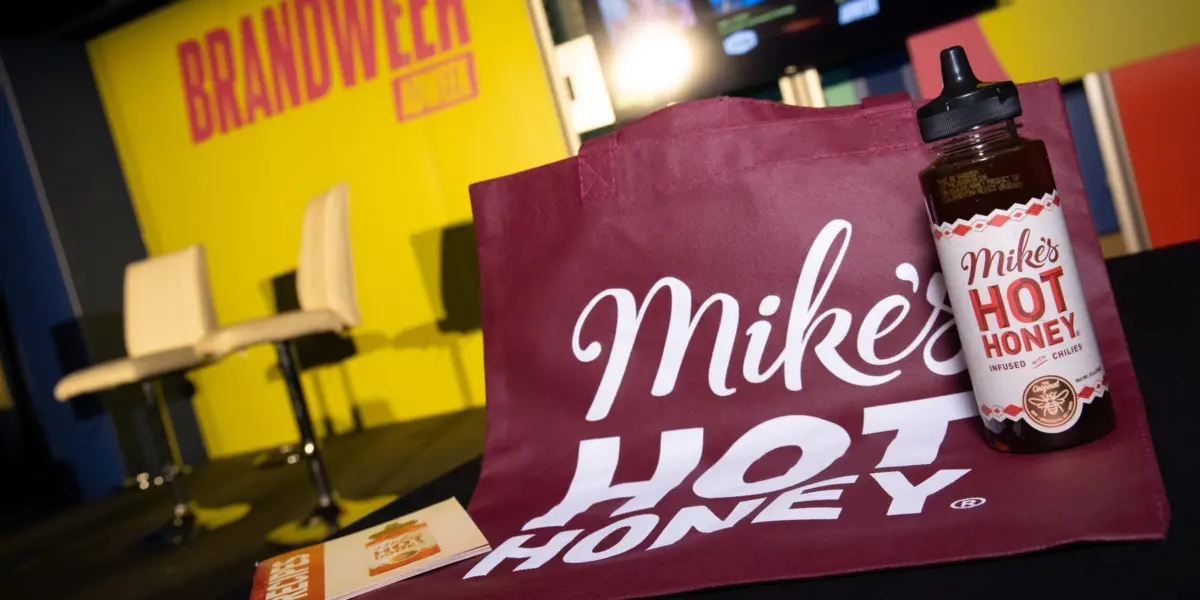
Recently, at the prestigious Brandweek "Brands Doing Cool Sh*t Experience" session, industry leaders gathered to dissect the mechanics behind this meteoric rise. Moderated by Bill Bradley, ADWEEK’s deputy TV, media, and sports editor, the panel featured Catherine Krueger, senior integrated marketing manager at Mike’s Hot Honey, and Mike Cassell, co-founder and head of strategy at Another Thing. Together, the panel unpacked how a single-item startup evolved into an undisputed cultural phenomenon without losing its authentic, street-level edge.
This report investigates the trajectory of Mike’s Hot Honey, exploring its grassroots origins, the strategic marketing masterclass that propelled it into the mainstream, the economic tailwinds of the "swicy" (sweet and spicy) food revolution, and the strategic roadmap that will dictate its future in an increasingly crowded pantry aisle.
Detailed Chronology: From Pizzeria Secret to National Sensation
2010–2012: The Brooklyn Genesis and the Power of the Pizzeria Floor
Every enduring food brand has a foundational myth, but Mike’s Hot Honey’s roots are firmly planted in the hyper-competitive, deeply discerning culinary incubator of Brooklyn, New York. In 2010, founder Mike Kurtz was working in a pizzeria when he began experimenting with infusing honey with chilies. Inspired by a similar condiment he had encountered while living in Brazil, Kurtz refined his recipe, seeking the precise balance between floral sweetness and a clean, building heat that would not overwhelm the palate.
Initially, the infused honey was not bottled for retail shelves. Instead, it was deployed directly onto the tables and kitchen lines of select local pizzerias, most notably Paulie Gee’s in Greenpoint, Brooklyn. Patrons discovered that drizzling the spicy elixir over a pie topped with soppressata and hot honey created a harmonious interplay of fat, salt, acid, and heat.
This word-of-mouth adoption on the restaurant floor was the brand’s first major stroke of genius. Rather than spending exorbitant sums on top-down consumer advertising, Mike’s Hot Honey utilized the restaurant industry as a living showroom. Consumers experienced the product in an experiential, high-sensory environment—hot out of a wood-fired oven—turning diners into organic brand evangelists.
2013–2018: Scaling the Supply Chain and Entering Retail
As demand bled out of local pizzerias and into regional consciousness, Kurtz faced the classic scaling dilemma of the artisan entrepreneur: how to transition from small-batch kitchen production to commercial manufacturing without compromising product integrity.
During this middle phase, the brand navigated the treacherous waters of co-packing, regulatory compliance, and supply chain expansion. Honey sourcing became a critical operational focus. To maintain its signature flavor profile, the company had to secure reliable streams of high-grade honey while establishing direct relationships with chili growers capable of delivering consistent heat levels harvest after harvest.
Simultaneously, Mike’s Hot Honey began making calculated incursions into specialty grocery stores, high-end food markets, and local independent grocers. The packaging—distinctive, utilitarian, and sporting a bold yellow-and-red color palette—signaled to shoppers that this was not conventional clover honey. It sat proudly in the nascent artisanal condiment section, rubbing shoulders with small-batch hot sauces and craft mustards.
2019–Present: The "Swicy" Explosion and Omnichannel Dominance
By the dawn of the 2020s, the culinary world was primed for a seismic shift. Consumer palates, increasingly globalized by travel, social media, and a generational obsession with bold flavors, began rejecting the bland, monolithic profiles of 20th-century mass-market food. Enter the "swicy" (sweet and spicy) trend.
Mike’s Hot Honey found itself perfectly positioned at the epicenter of this flavor revolution. No longer just a niche topping for pepperoni pizza, the product was rapidly adopted by home cooks, food influencers, and major restaurant chains alike. TikTok and Instagram served as free, 24/7 marketing engines, with creators showcasing hot honey drizzled over everything from spicy chicken sandwiches and artisanal cheeses to vanilla ice cream and artisanal cocktails.
To capture this lightning-fast market expansion, the brand invested heavily in sophisticated omnichannel marketing strategies. As discussed by Catherine Krueger and Mike Cassell during the Brandweek session, the brand’s evolution from a single-item curiosity into an institutional cultural player required moving beyond organic word-of-mouth into disciplined, high-impact integrated marketing campaigns. The focus shifted to meeting consumers wherever they sought culinary inspiration—whether through targeted digital campaigns, high-profile experiential activations, or strategic co-brand partnerships.
Supporting Context & Metrics: The Economics of the "Swicy" Movement
To understand why Mike’s Hot Honey succeeded where countless other boutique food startups failed, one must examine the broader macroeconomic and culinary shifts transforming the global food and beverage sector.
The Rise of High-Involvement Culinary Consumers
Modern consumers, particularly Millennials and Generation Z, view food not merely as sustenance, but as a core component of their personal identity and creative expression. Cooking at home has transformed from a domestic chore into a leisure-time hobby heavily documented on social media. In this ecosystem, pantry staples must earn their real estate. A bottle of ketchup or plain honey is functional; a bottle of Mike’s Hot Honey is an experiential upgrade that signals culinary literacy and a taste for adventure.
The Condiment Renaissance and Margin Dynamics
For decades, the condiment aisle was dominated by legacy giants—Heinz, French’s, hidden valley, and Tabasco—whose market share was protected by entrenched distribution networks and massive marketing budgets. However, the last decade has witnessed a "Condiment Renaissance." Consumers are increasingly willing to pay a premium price point for artisan alternatives that deliver complex, layered flavor profiles.
From an economic standpoint, premium condiments offer exceptional margins and strong brand loyalty. Because Mike’s Hot Honey created its own category rather than competing directly as a me-too hot sauce or generic honey, it enjoyed uncrowded shelf space and pricing power. Consumers accustomed to paying $3 for a squeeze bottle of honey readily embraced an $8 to $10 price point for a craft product that promised a transformative sensory experience.
Brandweek Insights: Decoding the Cultural Playbook
During the Brandweek session titled "Brands Doing Cool Sht Experience,"* speakers Catherine Krueger and Mike Cassell provided a masterclass in how modern brands maintain their cultural relevance as they scale. Key takeaways from their discussion included:
- Authenticity as a Non-Negotiable Asset: Even as Mike’s Hot Honey scales into major national supermarket chains (such as Kroger, Whole Foods, and Target) and supplies massive foodservice operations, the brand has meticulously preserved its gritty, artisanal DNA. The marketing avoids corporate sterile speak, leaning instead into bold, irreverent, and visually striking messaging that resonates with food enthusiasts.
- Leaning into Consumer Behaviors: Rather than dictating how consumers should use the product, Mike’s Hot Honey’s marketing team closely monitors how consumers are actually using it. When data and social listening revealed fans pouring the product over unexpected items like fried chicken, seafood, and cocktails, the brand validated and amplified those use-cases through targeted digital content.
- The Power of Strategic Collaboration: Turning a single product into a cultural phenomenon requires stepping outside traditional grocery silos. By partnering with pizza joints, burger chains, and lifestyle brands, Mike’s Hot Honey positioned itself at the intersection of food, art, and pop culture.
Official Statements and Industry Perspectives
The journey of Mike’s Hot Honey offers valuable lessons for brand strategists, entrepreneurs, and marketing executives across the consumer packaged goods (CPG) landscape. Below are paraphrased and direct insights drawn from the Brandweek dialogue and executive commentary surrounding the brand’s trajectory.
On Cultivating a Category from Scratch
Reflecting on the early days of the brand, leadership has frequently emphasized that creating a category requires immense patience and relentless product evangelism. When Mike Kurtz first introduced the product to skeptical pizzeria owners in Brooklyn, he was not selling a brand name; he was selling a completely new sensory concept.
As Catherine Krueger noted during the Brandweek panel, the challenge for an established category creator is twofold: educating the broader public on how to use the product while continuously keeping the brand fresh and culturally resonant for early adopters who discovered it years ago.
On Maintaining Cultural Relevance at Scale
Mike Cassell, co-founder and head of strategy at Another Thing, elaborated on the delicate balancing act required when a scrappy startup enters the corporate retail ecosystem. According to Cassell, the primary hazard for successful challengers is succumbing to corporate risk aversion.
"When you scale a brand that was born in the counter-culture of artisan food, the temptation is always to sand down the edges to appeal to the widest possible denominator," industry analysts note. "Mike’s Hot Honey has successfully resisted this trap by doubling down on its bold flavor profile and unapologetic visual identity. They didn’t make the honey milder to please conservative palates; they brought the bold palate to the mainstream."
On the Future of Flavor Innovation
Industry observers point out that Mike’s Hot Honey’s success has validated the viability of spice-infused pantry staples. Major food manufacturers have taken notice, launching competing hot honey products and fiery condiment variants. However, market research indicates that first-mover advantage, combined with authentic origin stories and deep community roots, grants category creators a significant defensive moat against fast-following behemoths.
Future Outlook: Where Does a Single-Product Phenomenon Go Next?
As Mike’s Hot Honey looks toward the horizon, the brand faces the quintessential strategic challenge of single-product titans: How do you sustain explosive growth without diluting the core equity of your flagship offering?
1. Expanding the Product Ecosystem Safely
While the original hot honey remains the undeniable engine of the business, prudent brand stewardship requires thoughtful portfolio expansion. Whether through seasonal limited-edition flavor releases (such as extra-hot variants or infusions featuring specialized pepper varieties) or complementary condiment lines, the brand must innovate without losing focus. The guiding rule for any new SKU must be that it enhances, rather than distracts from, the master brand’s core promise of supreme sweet-heat balance.
2. Deepening Foodservice and B2B Partnerships
The restaurant industry was the original incubator for Mike’s Hot Honey, and foodservice remains a massive runway for future growth. By deepening relationships with national pizza chains, fast-casual restaurant groups, and independent culinary operators, the brand can continue to drive trial among consumers who may not yet have encountered it in the grocery aisle. Co-branded menu items serve as powerful, real-world advertisements that convert restaurant diners into retail purchasers.
3. International Expansion
While the brand has firmly established its footprint across the United States, international markets represent a largely untapped frontier. Global consumers, particularly in urban centers across Europe, Asia, and Latin America, are increasingly receptive to American craft food innovations, especially those that play on universal flavor vectors like sweet and spicy. Adapting distribution networks and navigating local regulatory frameworks regarding honey imports will be the primary hurdles for international scaling.
4. Sustaining Community-Driven Marketing
In an era where traditional advertising is increasingly tuned out by ad-blocking software and subscription fatigue, community-led growth remains the gold standard for CPG brands. Mike’s Hot Honey’s future depends heavily on its ability to maintain authentic dialogues with its consumer base. By continuing to lean into digital platforms, championing creative home-cooking trends, and collaborating with chefs and creators who embody the brand’s rebellious spirit, Mike’s Hot Honey can ensure that its cultural footprint remains as potent as its flavor.
Conclusion
The story of Mike’s Hot Honey is far more than a business success story about a spicy condiment; it is a textbook case study in modern brand-building. By refusing to follow the traditional playbook of market research-driven product development, and instead trusting an authentic, ground-up culinary intuition, its founders forged an entirely new category out of two of humanity’s oldest ingredients.
As demonstrated during their compelling insights at Brandweek, Catherine Krueger, Mike Cassell, and the broader Mike’s Hot Honey team have proven that with a superior product, uncompromising brand identity, and a finger firmly on the pulse of contemporary food culture, even the most traditional pantry staple can be brilliantly, deliciously upended.