

Executive Overview
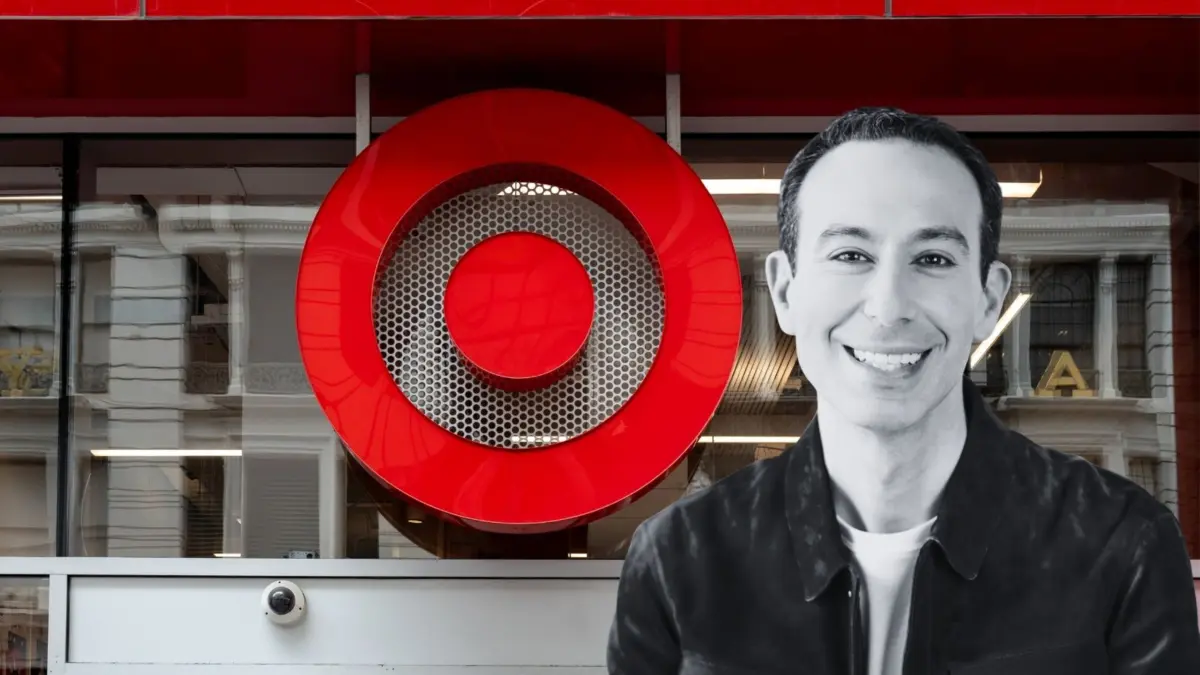
Two months into his tenure as Target’s Chief Marketing Officer and Guest Experience Officer, Mark Weinstein is stepping into one of the most critical leadership roles in the modern retail landscape. Tasked with steering a more than 60-year-old retail giant back to the forefront of American culture, Weinstein faces an intricate mandate: balance the heritage affordability that defined Target’s "Tarzhay" golden era with the dynamic, digital-first demands of a rapidly evolving consumer base.
Weinstein arrives at Target following a highly successful, 16-year tenure at hospitality powerhouse Hilton, where he served most recently as CMO. During his time at Hilton, Weinstein managed an expansive, highly diverse portfolio of global brands, successfully orchestrating marketing campaigns and guest experience strategies that spanned ultra-luxury destinations, trendy boutique hotels, and accessible budget chains. This extensive background in managing tiered brand identities and large-scale consumer loyalty programs provides a unique lens through which he is approaching Target’s sprawling ecosystem.
Target, an indisputable titan of big-box retail, has navigated significant macroeconomic headwinds, fluctuating consumer discretionary spending, and shifting shopping habits over recent years. While the brand remains a cultural touchstone known for its clever collaborations, trendy private-label goods, and vibrant store environments, it has faced mounting pressure to reignite sustainable, long-term growth. Weinstein’s early public appearances—most notably at the ADWEEK House: Commerce Summit in Los Angeles—offer a clear window into his strategic mindset. By fusing his deep hospitality-driven obsession with "guest experience" into the retail framework, Weinstein aims to redefine how consumers interact with Target, transforming routine shopping trips back into culturally resonant, emotional experiences.
This in-depth report explores Weinstein’s transition to Target, the strategic imperatives guiding his vision, the broader industry context shaping the retailer’s trajectory, and what stakeholders can expect as the brand charts its path forward.
Detailed Chronology: From Hospitality Veteran to Retail Innovator
To understand the trajectory of Target’s marketing evolution under Weinstein, it is essential to examine the sequence of events and career milestones that brought him to this pivotal juncture.
The Hilton Legacy (2008 – 2024)
For nearly two decades, Mark Weinstein was an architect of modern hospitality marketing. Joining Hilton in 2008, Weinstein navigated a period of explosive digital transformation within the travel and leisure sector. Over his 16-year tenure, he rose through the ranks to become Chief Marketing Officer, assuming responsibility for guiding the global perception, loyalty programs, and digital product strategies of Hilton’s vast portfolio.
Under his leadership, Hilton’s loyalty program, Hilton Honors, scaled dramatically, transforming into a powerful data engine and consumer touchpoint. Weinstein mastered the art of brand segmentation, overseeing a diverse ecosystem that included ultra-luxury properties like Waldorf Astoria, lifestyle brands like Canopy, and value-driven chains like Hampton by Hilton. This experience taught him how to speak to distinct consumer psychographics under a single corporate umbrella—a skill set with direct applications to Target, which caters to budget-conscious college students, design-forward homeowners, and busy parents alike.
The September 2024 Appointment
In September 2024, Target officially announced Weinstein as its new Chief Marketing Officer and Guest Experience Officer, filling a critical leadership vacancy. Industry analysts immediately recognized the hire as an intentional pivot. By recruiting a veteran from the hospitality sector rather than a traditional packaged-goods or legacy retail executive, Target signaled a desire to inject an elevated, service-oriented mindset into its retail operations.
The appointment underscored Target’s broader realization that modern retail is no longer merely about product assortment and price points; it is about the end-to-end guest journey, seamless omnichannel integration, and emotional connection.
The Public Debut: ADWEEK House (November 2024)
Roughly two months into his new role, Weinstein made one of his first major public appearances at the ADWEEK House: Commerce Summit in Los Angeles. Speaking to an audience of industry leaders, marketers, and media executives, Weinstein provided a compelling preview of his strategic vision. Rather than relying on tired retail playbooks, he emphasized the necessity of returning Target to its cultural pedestal—a place where the brand is not just a destination for household essentials, but a trendsetter that shapes consumer tastes and lifestyles.
Supporting Context & Metrics: The Retail Landscape and Target’s Position
To fully appreciate the gravity of Weinstein’s mandate, one must evaluate the macroeconomic realities, retail metrics, and cultural dynamics influencing Target’s current business environment.
The Macroeconomic Pressures on Discretionary Retail
Over the past several years, the American consumer has navigated unprecedented economic turbulence. Persistent inflation, fluctuating interest rates, and post-pandemic shifts in consumer spending have profoundly altered retail behavior. While grocery and essential categories have remained resilient, discretionary spending—historically a high-margin stronghold for Target—has faced intense scrutiny.
Consumers have become increasingly value-conscious, demanding transparent pricing, meaningful utility, and undeniable quality. At the same time, competition has intensified exponentially. Target does not merely compete with traditional brick-and-mortar giants like Walmart; it fights for consumer attention against the infinite digital shelf of Amazon, the rapid expansion of ultra-fast fashion and lifestyle platforms like Shein and Temu, and the surging popularity of dollar stores and membership warehouse clubs.
Target’s Core Strengths and Brand Equity
Despite these pressures, Target maintains formidable competitive advantages:
- The "Bullseye" Brand Equity: Target occupies a unique psychological space in American culture. Affectionately dubbed "Tarzhay," the brand has long enjoyed a reputation for offering stylish, design-forward merchandise at accessible price points.
- Store-as-a-Hub Strategy: Target’s fleet of nearly 2,000 stores serves a dual purpose: a vibrant retail destination and an efficient local fulfillment center. This physical footprint is a massive asset for omnichannel retail, enabling rapid curbside pickup and same-day delivery services like Drive Up and Shipt.
- Powerful Private-Label Portfolio: Target’s owned brands—spanning apparel, home goods, food, and beauty—generate billions of dollars in revenue while offering unique products that consumers cannot find elsewhere. Brands like Good & Gather, Cat & Jack, and Threshold are critical margins and loyalty drivers.
The Challenge of Cultural Relevance
While Target’s operational infrastructure remains robust, the brand has occasionally wrestled with maintaining its cultural vanguard status. In an era dictated by hyper-personalized social media algorithms, viral TikTok trends, and shifting cultural dialogues, maintaining broad-based appeal while staying culturally relevant is exceptionally difficult.
Target’s famous limited-time designer collaborations—which once reliably generated massive foot traffic, digital queue gridlocks, and widespread media buzz—have faced mixed receptions in recent years as consumer tastes fragment. Furthermore, navigating cultural conversations requires a deft, highly sophisticated marketing touch to avoid alienating segments of a polarized consumer base while authentically engaging younger demographics like Gen Z and Millennials.
Official Statements and Strategic Insights
Mark Weinstein’s early leadership commentary highlights a profound shift in how Target intends to approach marketing, guest acquisition, and long-term retention.
Bridging Hospitality and Retail
At the heart of Weinstein’s philosophy is the belief that retail and hospitality share a foundational common denominator: the human experience. Speaking at the ADWEEK House: Commerce Summit, Weinstein noted that whether a consumer is checking into a luxury resort or walking down the center aisle of a brightly lit Target store, their expectations are fundamentally rooted in how the brand makes them feel.
"At Hilton, my focus was always on creating memorable journeys, building profound loyalty, and ensuring every touchpoint—from the digital booking experience to the physical stay—reflected the core promise of the brand," Weinstein explained during his remarks. "Retail is no different. Our goal at Target is not merely to facilitate transactions; it is to curate moments of discovery, joy, and convenience that seamlessly integrate into our guests’ daily lives."
The Mandate for Sustainable, Long-Term Growth
Target’s leadership has been transparent about its strategic objective: moving away from short-term promotional noise and erratic volume spikes in favor of sustainable, predictable, long-term growth. Weinstein’s marketing mandate directly supports this goal.
Rather than relying solely on aggressive discounting—which can erode brand equity and compress margins—Weinstein’s vision emphasizes:
- Elevating the Guest Experience (GX): Leveraging his dual title as Chief Marketing Officer and Guest Experience Officer to harmonize marketing messaging with in-store execution, digital app usability, and customer service standards.
- Data-Driven Personalization: Expanding and refining Target’s loyalty ecosystem (Target Circle) to deliver hyper-targeted, relevant offers that build lifetime customer value rather than one-off transactional spikes.
- Reigniting Cultural Conversations: Positioning Target as a proactive cultural curator rather than a reactive participant, leveraging partnerships, influencer ecosystems, and brand storytelling to capture the zeitgeist.
Future Outlook: What Lies Ahead for Target Under Weinstein’s Leadership
As Mark Weinstein moves past his initial induction phase and deeper into his tenure, industry observers are closely watching to see how his strategic vision translates into tangible marketing campaigns, store innovations, and digital transformations.
1. A Reinvention of the Loyalty Ecosystem
Expect Target to double down on the evolution of its loyalty program, Target Circle. Under Weinstein’s influence, loyalty is likely to transcend simple point accumulation or basic coupon clipping. Drawing from his extensive background with Hilton Honors, Weinstein understands that true loyalty is forged through recognition, exclusive perks, and emotional resonance. Future iterations of Target’s loyalty strategy will likely feature enhanced personalization, bespoke member rewards, and tighter integration between the Target app and the physical store experience.
2. A Fresh Approach to Brand Collaborations and Partnerships
Target’s signature designer collaborations are a cornerstone of its cultural identity. Moving forward, Weinstein’s marketing apparatus is expected to modernize these partnerships. This may involve moving beyond traditional fashion and home decor designers to collaborate with digital creators, emerging subcultures, and experiential brands that resonate powerfully with younger, digitally native consumers. The focus will be on creating authentic moments of cultural convergence that generate organic social media discourse and drive foot traffic.
3. Harmonizing the Digital and Physical Journey
The modern retail consumer expects a frictionless omnichannel experience. With Weinstein overseeing both marketing and guest experience, Target is uniquely positioned to break down silos between digital advertising and in-store execution. Campaigns will increasingly be designed to guide consumers fluidly from social media discovery to in-app browsing, culminating in either a seamless same-day curbside pickup or an immersive, inspiring physical store visit.
4. Navigating Cultural Nuance with Precision
In today’s socio-political climate, managing a mass-market brand requires navigating cultural currents with exceptional care and authenticity. Weinstein’s hospitality background—where catering to diverse, global audiences with varying viewpoints is an everyday reality—equips him with the diplomatic and strategic acumen necessary to guide Target’s brand messaging safely and effectively through sensitive cultural landscapes.
Conclusion
Mark Weinstein’s arrival as Target’s Chief Marketing Officer and Guest Experience Officer marks a fascinating, high-stakes chapter for one of America’s most beloved retailers. By bridging the customer-centric ethos of the hospitality industry with the fast-paced, high-volume demands of big-box retail, Weinstein has set out an ambitious blueprint to return the 60-year-old brand to the absolute forefront of culture.
As macroeconomic conditions shift and consumer expectations reach unprecedented heights of sophistication, the success of Weinstein’s strategy will depend on execution. If he can successfully harmonize digital personalization, elevated guest experiences, and culturally resonant storytelling, Target will not only secure sustainable, long-term growth but reaffirm its status as a defining pillar of modern consumer culture. For industry professionals, marketers, and retail observers alike, the unfolding chapters of Weinstein’s tenure at Target will serve as an essential masterclass in brand reinvention.
