

Executive Overview
In the high-stakes, hyper-scrutinized universe of modern entertainment, celebrity health narratives typically unfold behind closed hospital doors, guarded by teams of publicists and legal representatives. However, a profound cultural shift is underway. Across film, television, music, and professional sports, high-profile figures are increasingly willing to pull back the curtain on their personal medical journeys.
From legacy television icons confronting the physical toll of decades-old athletic disciplines to international pop superstars navigating sudden, life-threatening neurological and vascular emergencies, public transparency regarding health has evolved from a guarded taboo into a powerful medium of shared human vulnerability.
This comprehensive report examines a sweeping cross-section of recent celebrity health disclosures—led notably by Saved by the Bell alum Tiffani Thiessen’s candid revelation regarding her impending hip replacement surgery. By contextualizing Thiessen’s diagnosis alongside a broader catalogue of medical interventions, sudden traumas, and chronic management strategies experienced by stars such as Travis Barker, Debby Ryan, Emilia Clarke, and Hailey Bieber, this analysis explores the intersection of fame, anatomical endurance, and the rigorous psychological dimensions of modern recovery.
Furthermore, this investigation analyzes how these public figures are reshaping the wellness paradigm, turning personal medical trials into catalysts for public health literacy, destigmatization, and holistic self-care.
Detailed Chronology: Anatomy of a Trend in Public Health Disclosures
The modern era of celebrity health transparency is characterized by a departure from vague public relations statements ("exhaustion" or "undisclosed medical procedures") toward clinical precision and anatomical specificity.
The Early-Life Athletic Toll: Tiffani Thiessen’s Hip Dysplasia Diagnosis
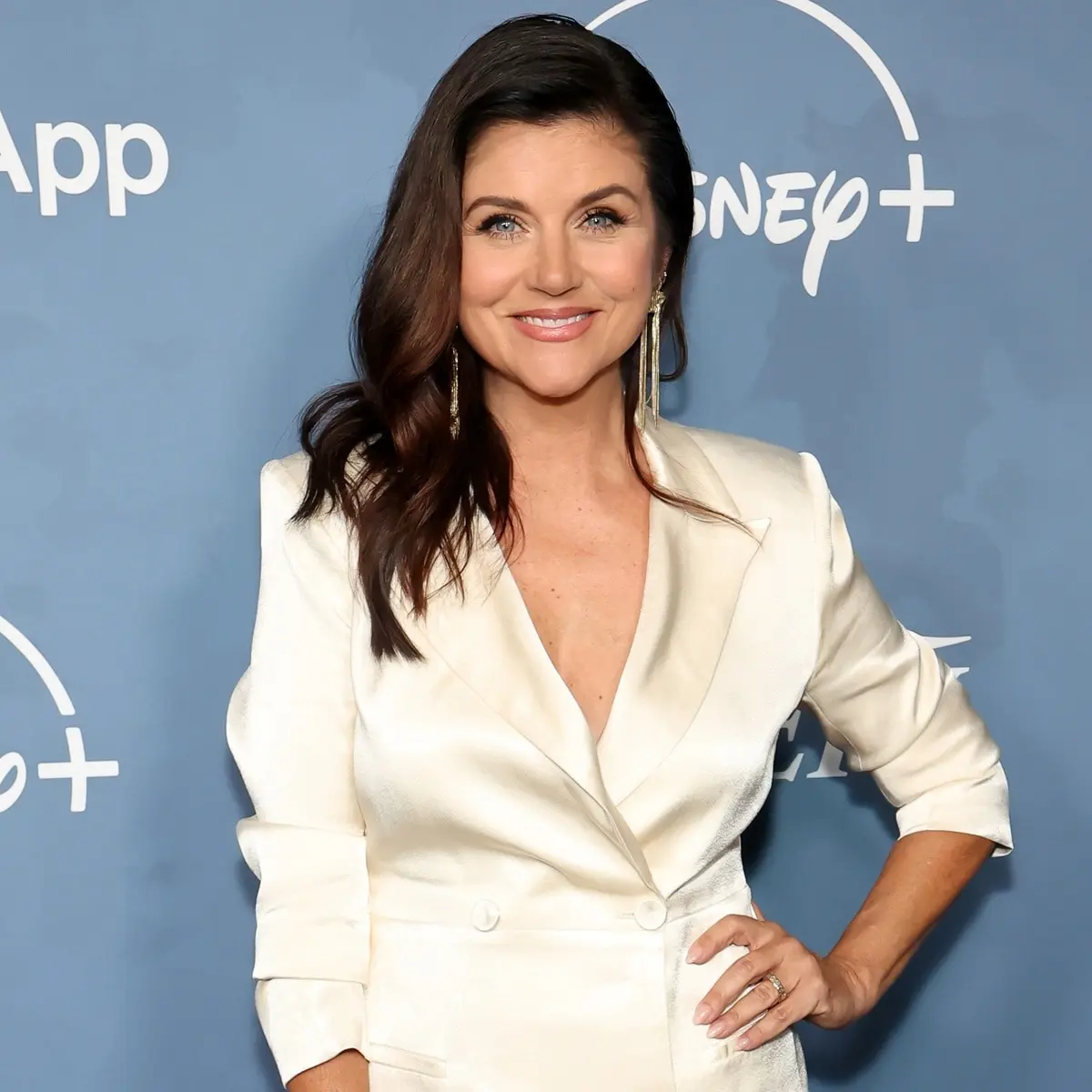
The catalyst for this broader conversation centers on actress Tiffani Thiessen. During a November appearance on Tom Papa’s Breaking Bread podcast, the 52-year-old star opened up about chronic physical deterioration rooted in her childhood. Thiessen revealed that she requires a total hip replacement (medically known as hip arthroplasty) driven by a combination of lifelong wear and tear.
"I was a dancer when I was younger, which was a good thing, [and] I have a torn labrum, that’s one issue I have," Thiessen shared. Seeking a second opinion, she discovered an underlying congenital and developmental anomaly: "I’m basically a German shepherd. I have hip dysplasia. When I was very flexible as a young child has now caused my issue now."
Hip dysplasia, a condition predominantly diagnosed in infants and toddlers where the hip socket does not fully cover the ball portion of the upper thigh bone, often goes undetected in individuals with hypermobility until structural breakdown occurs later in life. For Thiessen, the accumulated damage has severely curtailed her active lifestyle, including her enjoyment of family pickleball matches.
Neurological, Vascular, and Traumatic Crises Across the Entertainment Landscape
Thiessen’s disclosure mirrors a systemic wave of candid medical revelations across the entertainment industry over recent years. Each case highlights the unpredictable vulnerability of the human body, regardless of socioeconomic status or physical conditioning.
- Vascular and Oncological Warnings (2025–2026): Blink-182 drummer Travis Barker opened up on the Big Bro with Kid Cudi podcast about a harrowing precancerous diagnosis of the esophagus, attributing the crisis to excessive cannabis consumption. Prompted by a stark medical warning from his physician—dubbed a "warning shot"—Barker permanently altered his lifestyle. Similarly, music icon Snoop Dogg’s daughter, Cori Broadus, detailed her harrowing recovery following a severe stroke in January 2024, compounded by a lupus flare-up and subsequent renal complications that required prolonged hospitalization.
- Neurological Trauma and Chronic Migraines: Former Disney Channel star Debby Ryan shared the debilitating reality of her "hellish" chronic migraines, which worsened exponentially after sustaining five concussions throughout her life. Describing her fifth concussion as the result of sustained physical shaking, Ryan detailed how sensory overload and visual hyper-awareness dictate her daily life. On a parallel scale of neurological intensity, Oscar winner Jamie Foxx shattered months of speculation in his 2024 Netflix special, What Had Happened Was…, confirming that an unyielding headache in Atlanta preceded a brain bleed and subsequent stroke that erased 20 days from his memory and necessitated intensive physical rehabilitation.
- Unexpected Anatomical and Skeletal Failures: From The Bachelorette star Gabby Windey fracturing a vertebra while operating a high-speed vibration plate at "level 30," to Daisy Jones & the Six star Suki Waterhouse hospitalized with an abdominal hernia caused by wearing excessively tight pants, celebrities have routinely exposed the bizarre mechanisms of physical injury. In the athletic arena, professional wrestler Nikki Garcia endured a traumatic displacement of her breast implant into her ribs following an in-ring collision, while former NFL and WWE-adjacent figures continue to grapple with severe spinal and neurological impingements.
Supporting Context & Metrics: The Intersection of Fame, Biology, and Lifestyle
To fully understand these disclosures, one must examine the unique environmental and physical pressures placed upon public figures. The intersection of high-impact performance careers, relentless touring schedules, and intensive physical expectations creates a distinct epidemiological profile for performers.
The Epidemiological Burden of Performance Careers
- Repetitive Strain and Early-Onset Joint Degeneration: Performers with backgrounds in dance, gymnastics, or stunt work (such as Tiffani Thiessen or Emilia Clarke, who famously endured two life-threatening brain aneurysms while filming intense battle sequences for Game of Thrones) subject their musculoskeletal systems to extreme early-life loads. Cartilage degradation, labral tears, and joint dysplasia frequently manifest in middle age as inflammatory arthritis or structural failure.
- The Stress-Vascular Axis: High-stress environments, irregular sleep patterns, and exhaustive touring schedules significantly elevate systemic inflammation and cardiovascular risk. Medical events such as Hailey Bieber’s Transient Ischemic Attack (TIA)—traced back to a patent foramen ovale (PFO), a congenital hole in the heart that allowed a blood clot to travel from her circulatory system to her brain—demonstrate how latent physiological anomalies can be triggered by sudden environmental stressors.
- The "Internet Doctor" Phenomenon: In an era where digital connectivity blurs the line between professional medicine and social media discourse, public figures are increasingly diagnosing rare conditions thanks to public observation. Actress Amy Schumer famously credited attentive medical professionals browsing her social media comments for diagnosing her with Cushing syndrome, traced back to localized steroid injections administered for surgical scars. This digital diagnostic feedback loop represents a novel frontier in modern patient advocacy.
Official Statements & Personal Reflections
The emotional core of these medical narratives lies in the words of the individuals who lived them. Their reflections reveal a universal transition from fear and isolation to acceptance and advocacy.
On Physical Limitations and Family Dynamics
Reflecting on how her deteriorating hip has impacted her family life, Tiffani Thiessen maintained her characteristic humor while acknowledging the frustration of physical decline:
"My doctor didn’t say it was pickleball, but it probably is not help[ful]. I have not been able to play in the last couple weeks ’cause my hip’s been so bad… My son has gotten pretty good at pickleball, and he’s starting to beat me at the game. But I do have a bad hip. I mean, give me a break."
On Shifting Wellness Paradigms in Midlife
Moving beyond purely aesthetic fitness goals, Thiessen emphasized a fundamental evolution in how she approaches health in her 50s, prioritizing mental well-being alongside physical maintenance:
"I was doing things like hiking outside or playing pickleball with friends because it really has a lot to do with your mental health too. That’s where I’ve changed a lot as I’ve gotten older. You get the benefits where you, of course, look better too, but I think when you start with the mental, it actually makes it a little easier."
On Facing Mortality and Resilience
The gravity of these health crises often yields profound existential insights. Reflecting on his near-death experience, Blink-182’s Travis Barker encapsulated the stark reality of medical ultimatums:
"He’s like, ‘This is your warning shot. Don’t f–l around. You’ve got to stop smoking.’"
Similarly, actress Shailene Woodley reflected on a decade-long invisible health battle—marked by hearing loss, chronic fatigue, and dietary intolerances—that tested her psychological identity:
"Throughout that decade, a lot of other things came from feeling so much discomfort physically… which was, ‘My gosh, if everything I eat hurts my stomach, I’m now suddenly afraid of food.’ And then going into the kind of mental f–ckery that can happen with that of body dysmorphia and confusion about identity and feeling safe in my own capsule, in my own skin…"
Future Outlook: The Destigmatization of Celebrity Vulnerability
As the boundaries between celebrity personas and authentic human experiences continue to dissolve, the long-term implications of these public health disclosures are profoundly positive.
Shaping Public Health Literacy
When high-profile individuals openly discuss conditions like hip dysplasia, uterine fibroids (as brought to light by Lupita Nyong’o), or Ramsay Hunt syndrome (experienced by Justin Bieber), they bridge a vital educational gap. Millions of everyday patients who experience similar symptoms—often dismissed as routine aging or minor discomfort—are empowered to seek timely professional diagnoses.
The Evolution of Holistic Recovery
The narrative surrounding celebrity health is no longer solely about "bouncing back" to a pre-injury standard of perfection. Instead, figures like Thiessen, Woodley, and Ryan are championing models of sustainable adaptation. By integrating holistic healing methodologies with advanced allopathic interventions (such as upcoming joint replacements, neurological rehabilitation, and psychological support), these public figures are redefining what it means to age gracefully under the public microscope.
Ultimately, Tiffani Thiessen’s impending hip replacement and the parallel medical journeys of her Hollywood peers serve as a powerful reminder: beneath the glamour, red carpets, and digitized perfection lies the universal, resilient machinery of the human body—frail, flawed, yet remarkably enduring.
