

Executive Overview
The traditional landscape of journalism is undergoing a profound structural metamorphosis. For generations, the delivery of news was governed by rigid institutional structures: morning broadsheets, scheduled evening broadcasts, and behind-the-scenes gatekeepers who determined what the public needed to know. Today, that monopoly has fractured. Driven by algorithmic feeds and changing consumer behaviors, a new breed of media professional—the "journalist-creator"—is bypassing legacy institutions to deliver news directly to the smartphone screens of younger generations.
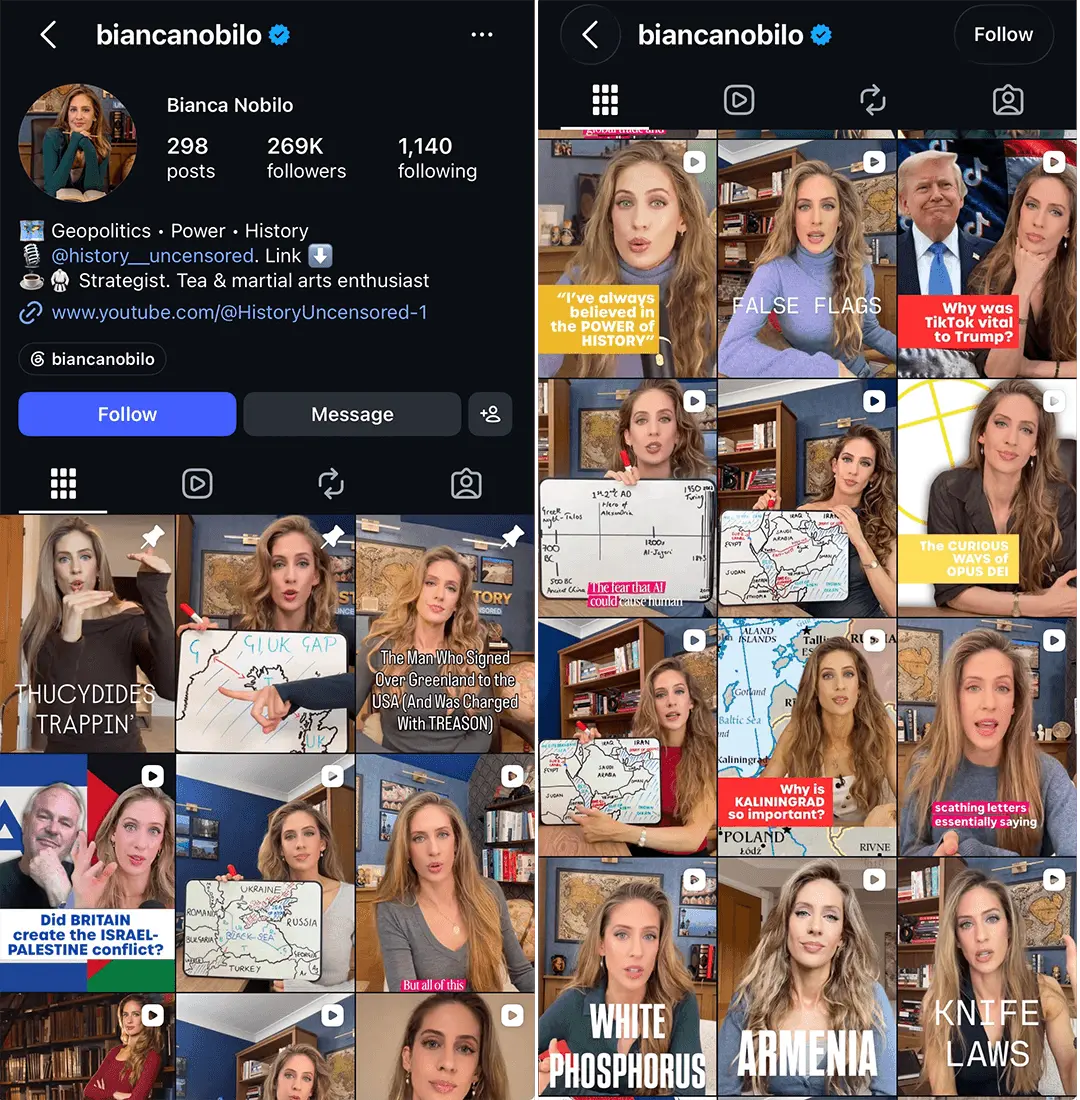
This shift is more than a mere change in distribution platforms; it represents a fundamental reinvention of journalistic tone, transparency, and trust. Figures like Eva Pound of Punchbowl News, former CNN anchor Bianca Nobilo, and Axios senior AI reporter Madison Mills are trading the traditional stoicism of mass media for personality-driven storytelling, pop-culture fluency, and direct engagement. By leveraging platforms like TikTok and Instagram Reels, these reporters are meeting audiences in the digital spaces where they spend their time, reframing complex geopolitical and domestic issues into digestible, highly engaging formats.
The urgency of this evolution is underscored by plummeting public trust in mass media, which hit historic lows in recent Gallup polling. As younger demographics increasingly rely on social media feeds rather than traditional outlets for their daily information, the media industry faces a critical inflection point. This article examines the rise of the journalist-creator, the socioeconomic and technological forces driving this shift, the delicate balance between independence and institutional backing, and the long-term implications for the future of democratic discourse.
Detailed Chronology: The Evolution of the Digital News Diet
To understand how news consumption reached its current state, one must trace the migration of the audience from static print and linear television to decentralized, algorithmic ecosystems.
Phase One: The Digital Migration (Late 2000s – 2010s)
In the early days of the internet, legacy newsrooms treated websites and early social platforms primarily as digital billboards for print and broadcast content. Articles were copy-pasted behind paywalls, and social media channels served mainly as distribution funnels to drive traffic back to home domains. During this era, journalists were strictly discouraged from displaying personal brands or injecting personality into their reporting, as traditional institutions prioritized an aura of detached objectivity.
Phase Two: The Rise of the Algorithmic Feed (Mid-to-Late 2010s)
As platforms shifted from chronological timelines to recommendation algorithms powered by machine learning, user behavior changed dramatically. Content was no longer something individuals actively sought out by visiting a specific website; instead, it was surfaced dynamically based on watch time, engagement, and algorithmic profiling. Younger audiences, in particular, stopped navigating directly to news homepages, shifting their attention toward native video apps.
Phase Three: The Pandemic Acceleration and the Short-Form Boom (2020 – 2023)
The COVID-19 pandemic, coupled with the meteoric rise of TikTok and the rollout of Instagram Reels, accelerated the demand for rapid, highly visual information. Users grew accustomed to the 9:16 vertical video aspect ratio. During this period, innovative reporters realized that explaining a complex piece of legislation or a geopolitical crisis required a complete overhaul of traditional packaging. Formats evolved to include visual props—such as Bianca Nobilo’s signature whiteboard—and creative parodies, transforming dense policy updates into compelling narratives.
Phase Four: The Mainstreaming of the Journalist-Creator (2024 – Present)
Today, the line between social media content creator and professional journalist has blurred significantly. Major newsrooms are actively encouraging or allowing their staff to build personal followings on independent accounts, recognizing that audiences connect more readily with human voices than corporate logos. Simultaneously, an independent class of reporters has emerged, building substantial audiences outside the traditional newsroom ecosystem.
Supporting Context & Metrics: The Generational Divide in News Consumption
The shift toward social media-driven journalism is not merely a stylistic preference; it is a profound demographic realignment. The ways in which different generations consume information reveal a widening chasm between legacy media and digital-native audiences.
The Pew Research Findings
Data from the Pew Research Center highlights a stark generational divide:
- 38% of U.S. adults ages 18 to 29 regularly get their news from "news influencers"—individuals with large social media followings who consistently post about news, politics, and social issues.
- In contrast, only 8% of adults ages 65 and older rely on news influencers for their primary information diet, remaining anchored to traditional broadcast, cable, and print media.
This divergence is mirrored in daily digital habits. For many younger consumers, traditional paywalls and heavy web interfaces are viewed as friction points. Camille McCallum, a 32-year-old lifestyle brand founder and digital creator who admits to an "embarrassingly high" screen time, notes that roughly 75% of her news diet comes directly from social media.
"As I’ve followed news creators, the news comes more directly to me through the algorithm," McCallum explains. Rather than navigating a labyrinth of subscription forms and banner ads, users receive curated, multi-sourced summaries directly within their personalized feeds.
The Trust Deficit in Legacy Media
Underpinning this migration away from traditional outlets is a historic crisis of institutional credibility. According to a Gallup poll, public trust in mass media has reached unprecedented lows:
- 7 in 10 Americans (70%) express either "not very much" confidence (36%) or "none at all" (34%) in the mass media to report the news fully, accurately, and fairly.
- Among political subsets, the polarization is even more severe; trust among self-identified Republicans has slumped to a mere 8%.
For many media consumers, the masthead of a legacy news organization no longer serves as a badge of honor, but rather as a polarizing signal. This environment creates fertile ground for independent journalists and creators who can build direct, unmediated relationships with their audiences based on perceived transparency and authenticity.
Official Statements and Industry Perspectives
To capture the nuances of this transformation, leading voices from both legacy journalism and the digital creator economy share their perspectives on the changing nature of reporting, transparency, and trust.
Translating Complex Realities Through Pop Culture
Eva Pound, an associate booking producer for Punchbowl News, understands that capturing the attention of a distracted digital audience requires creativity. In one of her viral Instagram Reels—which amassed over 103,000 likes—Pound broke down the complexities of the upcoming 2026 midterm elections through the lens of reality television, titling the series "Keeping Up With the Kampaigns."
Defending the parody approach, Pound noted in her broadcast:
"Because I can promise you that U.S. politics has more money, higher stakes and more drama than any reality TV show. Period."
This sentiment resonates strongly with young consumers like Shelby Moore, a 19-year-old student at the College of William and Mary. Reflecting on Pound’s content, Moore observed:
"Framing political drama like a reality TV plot makes it fun and enjoyable but also easy to understand… because lots of people these days don’t look at the news—we’re just all consuming TikTok."
The Imperative of Historical Context
Bianca Nobilo, host of "History Uncensored" and a former CNN anchor, uses her trademark whiteboard and a couple of minutes of video to distill intricate geopolitical developments for hundreds of thousands of followers across Instagram and TikTok. The format was born out of real-world interactions with peers who felt contemporary news coverage was stripped of essential historical context.
"My belief has always been since I’ve been doing this… is that everyone is busy in their own lives," Nobilo states. "It’s my job to metabolize all the information. You can’t expect people to participate properly in democracy if they don’t have the necessary knowledge, but life doesn’t provide time for that knowledge a lot of the time."
Nobilo also highlights the complex duality of working as an independent creator versus operating under the umbrella of a major network. When working independently, she notes, a reporter avoids the "scarlet letter" effect of institutional bias, allowing viewers across the political spectrum to engage with the reporting without triggering preconceived prejudices. However, she acknowledges the counterbalance:
"When you’re part of an institution, you experience the halo effect of that institution to their target audience… You don’t need to earn the trust of somebody who is a CNN viewer—they naturally trust that if CNN has hired you, you meet their standards."
Transparency and the Death of Journalistic Mystery
As the vocabulary surrounding digital reporting evolves, industry professionals grapple with labels. Mimi Yates, an investigative reporter for the Daily Mail’s Underground UK team, points out that among traditional journalists, the term "influencer" is often viewed pejoratively.
“‘Influencing’ goes against journalistic principles of integrity. ‘Creator’ is more palatable,” Yates explains.
To bridge this gap, Yates uses Instagram carousels to reveal the "story behind the story," offering followers a transparent look at her investigative methodology, documents, and reporting challenges.
Similarly, Madison Mills, senior AI reporter for Axios, has pioneered a style of reporting that combines high-level subject matter expertise with casual, behind-the-scenes authenticity—such as applying makeup while explaining corporate earnings reports.
Jackie Davalos, a former journalist turned entrepreneur who previously worked alongside Mills at Bloomberg, emphasizes why this approach is so effective at combating industry cynicism:
“There’s a lot of trust issues, as everyone knows, when it comes to the journalism industry. Showing that you’re human, and that there are real barriers at every turn when you’re doing this work—the internal battles, the reporting challenges—kind of helps take the righteousness out of journalism. Sometimes it can feel like journalists are talking at you, not necessarily bringing you into the conversation. I don’t think it does us any favors to make this work seem really mysterious.”
Future Outlook: Where Is Social-First Journalism Headed?
As the boundary lines between institutional newsrooms and independent digital platforms continue to blur, several key trends will define the future of journalism over the next decade.
1. The Institutional Adoption of Creator-Led Strategies
Legacy news organizations are rapidly realizing that they cannot force young audiences back into traditional consumption habits. Instead, legacy outlets are increasingly investing in social-first talent, empowering their reporters to maintain personal brands on TikTok, Instagram, and emerging video networks. The future newsroom will likely function less like a centralized broadcast station and more like a networked collective of individual media brands operating under a shared ethical and legal umbrella.
2. The Ongoing Battle Against Misinformation
With algorithmic feeds acting as primary news sources for millions, the risk of unverified information spreading unchecked remains a major societal challenge. As Camille McCallum points out, the longevity of any news creator hinges entirely on accuracy and rigorous sourcing.
"We’re in an age of mis- and disinformation," McCallum notes, "so I’m constantly looking for creators I can trust, who cite sources, link articles, and are not just giving their opinions."
Future journalist-creators will need to adopt sophisticated verification protocols and transparent citation methods directly within short-form video and carousel formats to maintain audience trust.
3. Economic Models and Monetization
The financial viability of independent journalism on social media remains an evolving puzzle. While platform ad-revenue sharing, brand partnerships, and reader-supported subscription models (such as Substack, Patreon, and direct tip jars) have empowered many creators to leave traditional employment, the economic security of a legacy newsroom pension is difficult to replicate. Balancing financial sustainability with editorial independence will be the defining commercial hurdle for the next generation of digital reporters.
Conclusion
The transformation of the news industry from a top-down, institutional broadcast model to a decentralized, algorithmic, and personality-driven ecosystem is irreversible. By embracing creative storytelling, cultural fluency, and radical transparency, journalist-creators are successfully engaging audiences that legacy media lost decades ago. While challenges regarding verification, institutional backing, and monetization remain, one reality is indisputable: the future of news will be built wherever the audience is scrolling.
