

Executive Overview
For years, the mechanics of high finance have operated behind a veil of impenetrable jargon, complex legal structures, and sanitized corporate press releases. To the average consumer, terms like "leveraged buyout," "recapitalization," and "private equity" sound abstract—perhaps even respectable, invoking visions of prudent wealth management and market efficiency. Yet, beneath this corporate gloss lies a predatory financial model that is fundamentally reshaping the American landscape.
As lawmakers like Senator Elizabeth Warren (D-Mass.) revive legislative efforts such as the Stop Wall Street Looting Act, the battle lines of modern economic inequality are being drawn in an unexpected place: the drive-thru lane.
When private equity firms acquire beloved brands, newspapers, hospitals, and retail chains, they rarely do so to build better products. Instead, they utilize a playbook of financial extraction. They saddle target companies with crushing debt loads, force massive layoffs, liquidate valuable real estate, and shave pennies off operational costs—all while collecting lucrative management fees and paying out multi-million-dollar dividends to Wall Street executives.
While the systemic consequences of this financial engineering—ranging from shuttered rural hospitals to hollowed-out local journalism—are severe, they often evade the immediate notice of the working public. But when the quality of a favorite fast-food lunch plummets, or a beloved regional sandwich chain replaces fresh ingredients with cheap, mass-produced commodities, the abstract violence of private equity suddenly becomes deeply personal.
As cultural commentators and economists alike begin to point out, the road to modern class consciousness may not start in an economics textbook, but rather over a soggy, cost-cut chicken sandwich. This report examines the mechanics of modern corporate buyouts, the legislative pushback led by progressives, and how the degradation of everyday consumer goods is finally making the hidden costs of Wall Street impossible to ignore.
Detailed Chronology: The Evolution of the Private Equity Playbook and Political Pushback
To understand how Wall Street transformed from a facilitator of enterprise into an apex predator of operational efficiency, one must look at the historical trajectory of leveraged buyouts (LBOs) and the legislative resistance that has followed.
The Rise of the LBO Model (1980s–2010s)
The modern era of private equity took root in the 1980s, popularized by high-profile corporate raiders who realized they could purchase multi-million-dollar companies using minimal amounts of their own capital. By using the target company’s own assets as collateral to secure massive bank loans, investment firms could execute a "leveraged buyout."
Once the deal closed, the debt was summarily dumped onto the acquired corporation’s balance sheet. Stripped of cash flow because of the necessity to service this newly acquired debt, companies were forced to slash operational budgets, lay off foundational staff, and sell off real estate holdings to stay afloat. If the company ultimately collapsed under the weight of its obligations, the private equity owners typically walked away unscathed, having already extracted their profits through fees and upfront dividends.
The First Legislative Salvo: 2019
By the late 2010s, the societal toll of this financial extraction model had become impossible to ignore. Retail giants like Toys "R" Us had collapsed under private equity-induced debt, costing tens of thousands of jobs, while private equity firms increasingly swallowed up vulnerable local newspapers and critical healthcare infrastructure.
Recognizing the systemic threat, Senator Elizabeth Warren, alongside a coalition of progressive lawmakers, first introduced the Stop Wall Street Looting Act in July 2019. The bill aimed to fundamentally rewrite the rules governing private equity, demanding that investment firms share liability for the debts of the companies they acquire, eliminating tax loopholes for carried interest, and restricting dividend payouts immediately following acquisitions. However, with a business-friendly political climate and powerful lobbying apparatuses working against it, the legislation stalled.
The Pandemic Era and Corporate Consolidation (2020–2024)
The economic shocks of the COVID-19 pandemic provided private equity firms with a historic window of opportunity. Flush with cheap capital and confronted by distressed businesses struggling with fluctuating supply chains and shifting consumer habits, alternative asset managers swept in. They bought up everything from veterinary clinics and housing developments to fast-food franchises and casual dining chains.
During this period, the philosophy of "shrinkflation" and quality degradation accelerated. With institutional investors demanding hyper-efficient margins, corporate boards across America began substituting quality ingredients for cheaper alternatives, automating customer service, and reducing staff numbers to absolute minimums.
The 2025–2026 Revival: Fast Food Meets Class Consciousness
By 2025 and 2026, the cumulative effects of these buyouts reached a cultural boiling point. Major transactions—such as Blackstone’s acquisition of Jersey Mike’s in January 2025 and ongoing investor pressure from figures like Nelson Peltz on Wendy’s—brought the reality of private equity into the cultural mainstream.
In September 2026, Senator Warren and her congressional allies formally revived the Stop Wall Street Looting Act for a third time. Unlike previous iterations, this legislative push arrived amid a burgeoning cultural conversation sparked by comedians, podcasters, and disgruntled consumers who began drawing a direct line between the financialization of American business and the noticeable decline in the quality of daily life.
Supporting Context & Metrics: The Anatomy of a Buyout
To fully grasp why everyday goods and services are deteriorating, it is necessary to examine the financial mechanics that govern private equity-backed enterprises.
How the Leveraged Buyout Destroys Value
A traditional business grows by investing capital into research, development, employee retention, and product quality. A private equity-backed enterprise operates on the exact opposite principle. The primary objective is short-term cash extraction over a typical holding period of three to seven years.
- The Debt Load: When a private equity firm acquires a company—let us say, a regional restaurant chain—it typically finances 70% to 90% of the purchase price using debt borrowed against the target company’s credit rating.
- The Fee Structure: The private equity firm charges the newly acquired company annual "management fees," monitoring fees, and transaction fees, draining cash reserves even further.
- Asset Stripping: Real estate owned by the company (such as the physical land beneath restaurant locations) is often sold off to real estate investment trusts (REITs) and subsequently leased back to the operating company at exorbitant market rates.
- Operational Decay: To meet debt-service obligations, management is forced to cut costs wherever possible. This manifests as lower-grade ingredients in food service, skeleton-crew staffing models, deferred maintenance on facilities, and diminished customer service standards.
The Fast-Food Front Line
The transformation of the fast-food industry offers a clear case study in this phenomenon. Chains that built their reputations on affordable, dependable quality find themselves constrained by the mandates of financial engineering.
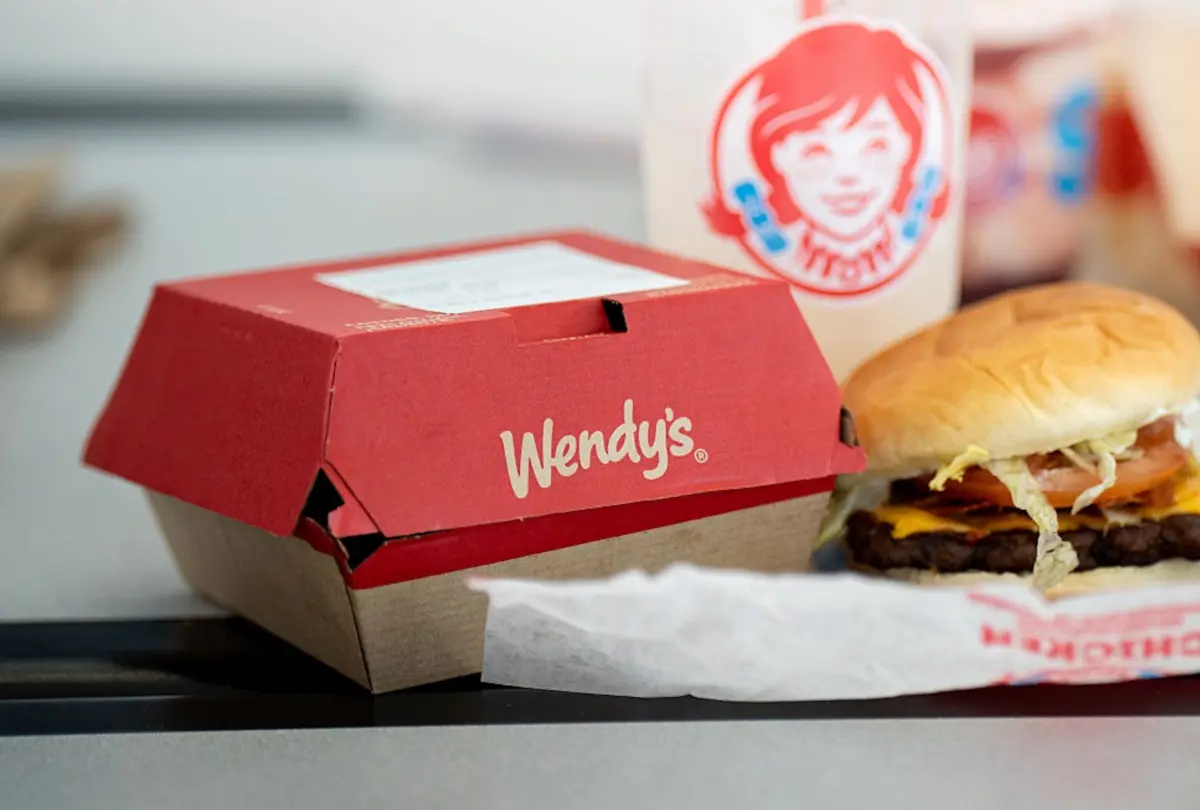
For instance, critics and consumers have noted a distinct downward trend in quality across several major brands. Comedian Stavros Halkias captured a growing public sentiment during an interview with sports journalist Pablo Torre, pointing to Wendy’s shift toward shredded lettuce on its chicken sandwiches as a textbook example of cost-cutting.
"Everybody understands that Wendy’s has gotten shtier," Halkias noted. "The spicy chicken sandwich now uses shredded lettuce. Right there, that is private equity. That is someone saying, ‘We don’t want a fresh head of lettuce that costs more money. So, we’re going to give you bagged shty lettuce.’"
While Wendy’s is not wholly owned by a single private equity fund, its largest institutional investors—such as Trian Fund Management, led by activist investor Nelson Peltz—have exercised relentless pressure on the brand to optimize margins, slash operational costs, and boost short-term stock performance.
Similarly, the acquisition of Jersey Mike’s by private equity giant Blackstone in early 2025 led to an immediate wave of consumer friction. Across social media and consumer forums, regular patrons began noting a perceptible decline in portion consistency, ingredient quality, and pricing transparency—classic hallmarks of a newly acquired asset being optimized for yield rather than customer loyalty.
Official Statements and Legislative Framework
The legislative battle to rein in private equity centers on the Stop Wall Street Looting Act, a bill designed to strip away the legal shields that protect investment firms from the wreckage they leave behind.
Senator Elizabeth Warren on "Legal Looting"
In statements accompanying the rollout of the renewed legislation, Senator Warren did not mince words regarding the business model practiced by alternative asset managers.
"Private equity takeovers are legal looting that make a handful of Wall Street executives very rich while costing thousands of people their jobs, putting valuable companies out of business, and in the case of health care, is literally a matter of life and death," Warren stated.
The core provisions of the Stop Wall Street Looting Act seek to fundamentally alter the relationship between private equity firms and their target acquisitions:
- Ending Limited Liability: The bill forces private equity general partners to share liability for the debt obligations and legal liabilities of the companies they control, preventing them from walking away scot-free while bankrupting operating businesses.
- Capping Dividend Extraction: It restricts the ability of private equity owners to pay themselves massive dividends out of borrowed money during the initial years of an acquisition.
- Protecting Workers: The legislation prioritizes severance, pension obligations, and employee rights during corporate restructurings and bankruptcies, ensuring that working-class employees do not bear the brunt of financial speculation.
- Tax Reform: It closes the "carried interest" loophole, which historically allowed private equity managers to pay lower tax rates on their earnings than average wage earners.
The Political Roadblock
Despite the common-sense appeal of protecting workers and consumers, passing the legislation remains an uphill battle. Facing a political landscape heavily influenced by corporate campaign contributions, skepticism toward government regulation, and the rhetorical charm of free-market capitalism, progressive lawmakers face heavy resistance.
Furthermore, the general public often remains detached from the arcane world of finance. Complex failures in municipal hospital networks or opaque restructurings of regional newspaper chains rarely generate the visceral outrage required to mobilize mass political movements.
Future Outlook: Can a Bad Sandwich Spark Class Consciousness?
As policymakers search for effective ways to communicate the dangers of predatory finance, cultural critics argue that the path to broad-based economic awareness runs directly through everyday consumer frustrations.
Meeting People Where They Are
Financial abstraction is the private equity industry’s greatest shield. When a holding company with a clinical, unmemorable name quietly buys out a portfolio of nursing homes, manufacturing plants, or retail outlets, the general public rarely connects the corporate transaction to the eventual decline in service quality.
However, as Halkias and other cultural commentators have observed, consumer-facing brands serve as the ultimate Trojan horse for political awakening. When a person’s daily routine—their lunch break, their favorite neighborhood sandwich shop, or the sports franchises they have supported for decades—is degraded in the pursuit of a fractional increase in investor yield, the abstract becomes concrete.
"I do think if one of these billionaires ruins a franchise, you might have goombah football fans reading Karl Marx," Halkias remarked. "If they destroy the Lakers, guys with Kobe back tattoos are going to start the proletariat revolution. I think that the closest we’re getting to class consciousness is fast food and sports teams."
The Road Ahead for the Anti-Private Equity Movement
Whether a soggy chicken sandwich or a compromised sub shop can genuinely catalyze a widespread political movement remains to be seen. Yet, the underlying strategic insight is profound. To successfully challenge the dominance of Wall Street financiers, lawmakers and labor advocates must bridge the gap between complex economic policy and the lived experiences of everyday Americans.
If the Stop Wall Street Looting Act is to gain traction in an increasingly polarized political environment, its proponents must translate spreadsheets of debt-to-equity ratios into the tangible realities of declining quality, lost jobs, and hollowed-out communities. Until then, consumers across the nation will continue to bear the cost of financial engineering—one subpar meal, stripped-down service, and degraded product at a time.