

Executive Overview
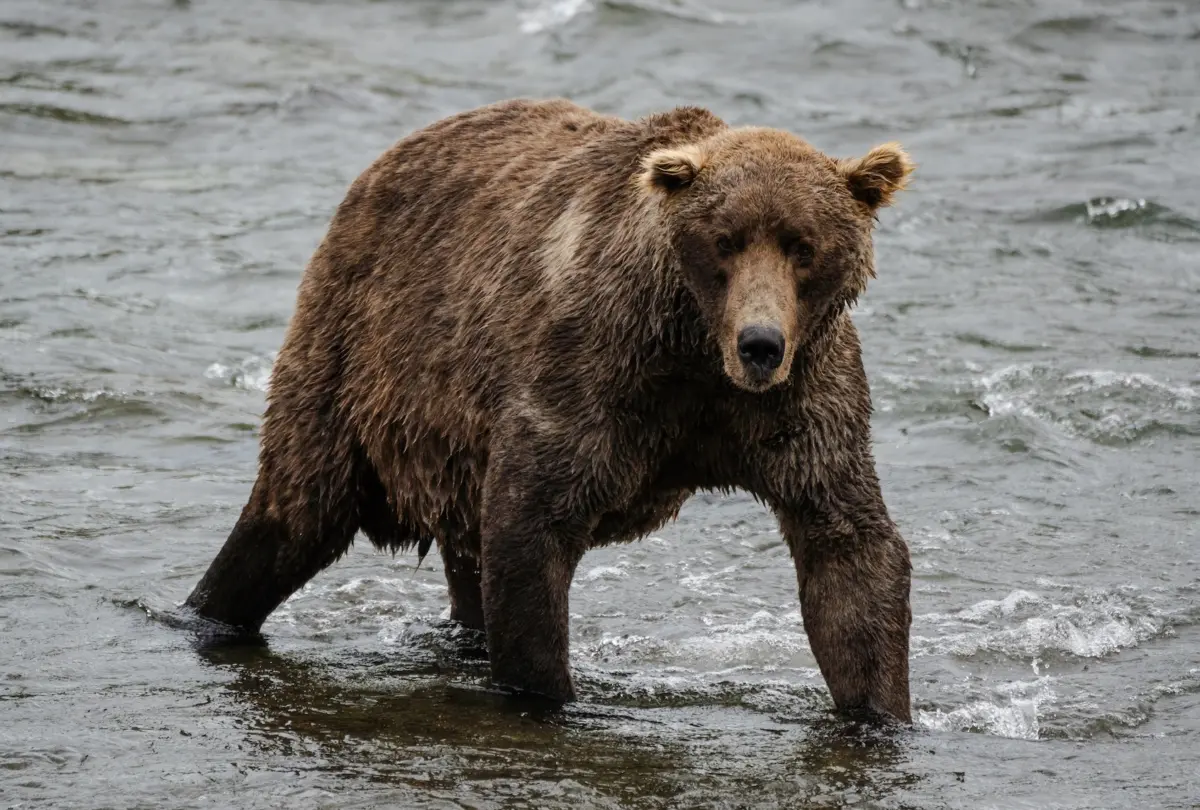
In an era defined by fractured digital landscapes and relentless news cycles centered on environmental degradation and geopolitical volatility, an unlikely beacon of mass public engagement emerges each autumn from the pristine wilderness of Alaska: Fat Bear Week. Hosted annually in late September by Katmai National Park and Preserve alongside explore.org, the March Madness-style tournament invites millions of global participants to vote on the most successfully fattened brown bears preparing for winter hibernation.
What began in 2014 as a modest local initiative to highlight the robust ecosystem of the Brooks River has ballooned into a massive cultural phenomenon, drawing roughly one million votes per year. This essay explores the psychological shift from cynical adolescent contrarianism to a profound appreciation for ecological spectacles, examining how playful internet competitions serve as a vital gateway to deeper environmental consciousness. While the digital landscape often prioritizes synthetic, mass-produced commodities over organic phenomena, Fat Bear Week—alongside its burgeoning spin-offs like Fat Marmot Week—reminds humanity of its inextricable biological ties to the natural world.
At the same time, this lighthearted celebration unfolds against a sobering backdrop of intersecting ecological crises, including industrial encroachment, habitat fragmentation, and shifting planetary boundaries. By analyzing the intersection of internet virality, public policy, and conservation advocacy, this report provides a comprehensive examination of why collective awe remains an indispensable tool in the fight for global biodiversity.
Detailed Chronology and Evolution of the Phenomenon
The origins of Fat Bear Week trace back to a modest precursor known as "Fat Bear Tuesday," launched in 2014 by Katmai National Park ranger Mike Fitz. Initially conceived as a single day of voter engagement on social media to showcase the immense biological transformations undergone by brown bears (Ursus arctos horribilis) as they consumed massive quantities of sockeye salmon along the Brooks River, the concept immediately resonated with digital audiences.
Recognizing the potential for sustained engagement, park officials and conservation partners expanded the format into a multi-day tournament structured similarly to the NCAA basketball playoffs. Bears were seeded based on their pre-hibernation heft, photographic evidence of their seasonal growth, and compelling personal narratives of survival, foraging dominance, and resourcefulness.
As the years progressed, the tournament experienced exponential growth in media coverage and voter participation:
- 2014–2016: The formative years established the foundational bracket format, introducing iconic ursine figures to the public lexicon and generating tens of thousands of regional votes.
- 2017–2019: Viral social media campaigns transformed Fat Bear Week into an international sensation, capturing mainstream media headlines and expanding the voter base into the hundreds of thousands. Bears like 480 Otis—who would go on to secure a legendary four championships—became household names.
- 2020–2023: During a period of profound global isolation and anxiety brought on by the COVID-19 pandemic, digital nature streams and bracket competitions saw historic engagement spikes. Millions of voters tuned in via explore.org webcams to watch bears fish, play, and bulk up, cementing the event as a premier fixture on the digital cultural calendar.
- 2024–2026: The proliferation of sister events, such as the inaugural Fat Marmot Week in 2026, demonstrated the scalability of the "fat animal" format. However, this period also brought heightened scrutiny regarding external threats to Katmai and its neighboring ecosystems, transforming the playful exercise into a symbolic referendum on public land protections.
Supporting Context & Metrics: Ecology, Tourism, and the Digital Ecosystem
To understand the cultural resonance of Fat Bear Week, one must examine the rigorous biological reality underpinning the digital pageantry. Brown bears in Katmai National Park face a severe metabolic imperative: hyperphagia. During this intensive feeding period in late summer and autumn, bears consume upwards of 30,000 calories a day, primarily feeding on the dense runs of Pacific salmon navigating the Brooks River. Gaining hundreds of pounds of fat is not merely an aesthetic triumph; it is a physiological necessity that dictates whether a bear will survive the months-long dormancy of winter denning.
The scale of public participation reflects a massive appetite for accessible conservation narratives:
- Voter Turnout: Annual participation routinely hovers around the one-million-vote mark, drawing international engagement from over 100 countries.
- Economic and Educational Impact: Webcams positioned along the Brooks River generate tens of millions of views annually, driving tourism interest while simultaneously funding educational programs managed by the Katmai Conservancy and explore.org.
- The Proliferation of Trend Culture: In an internet ecosystem saturated with synthetic novelties—ranging from collectible plastic toys to fleeting meme tokens—Fat Bear Week stands out as a rare instance of digital virality redirecting human attention back to living organisms and functioning ecosystems.
Yet, this celebration of biological abundance exists in sharp contrast to the systemic pressures facing wild populations globally. While Katmai National Park offers a protected sanctuary, neighboring wilderness areas face persistent threats from resource extraction. Most notably, fast-tracked mining proposals near Lake Clark National Park and Preserve have ignited concerns among conservationists regarding potential downstream impacts on contiguous bear habitats and aquatic food webs.
Official Statements and Policy Implications
The intersection of playful public engagement and serious environmental policy has increasingly drawn commentary from wildlife biologists, public officials, and conservation advocates.
While organizers maintain that Fat Bear Week’s primary objective is to foster joy and education regarding brown bear ecology, the event inevitably intersects with broader policy debates concerning public lands management and endangered species protections. Conservation groups have repeatedly flagged regulatory rollbacks and proposed rule changes—such as those addressing grizzly bear hunting regulations and habitat management—as significant threats to long-term population stability.
In official statements, park representatives and wildlife advocates emphasize the dual nature of public engagement:
"Fat Bear Week is ultimately a celebration of ecological health," notes a conservation briefing from allied wildlife protection organizations. "When a bear like 480 Otis or Bear 909 achieves massive physical success, it is a testament to a functioning, resilient river system. Protecting these bears means protecting the pristine waters, the salmon runs, and the wild expanses that make their survival possible."
However, advocates caution that public affection for individual charismatic megafauna must translate into systemic political engagement. The systemic challenges—ranging from the continuous breaching of planetary boundaries identified by climate scientists to the administrative weakening of the Endangered Species Act—require policy interventions that extend far beyond online voting brackets.
Future Outlook: Beyond the Bracket
As Fat Bear Week looks toward future iterations, the phenomenon points toward a broader evolution in how society interacts with environmental education. The success of formats celebrating physical robustness in wildlife—from champion bears to plump marmots—suggests an enduring public appetite for whimsical, high-engagement conservation content.
The challenge moving forward lies in channeling this fleeting collective awe into sustained civic and environmental stewardship. If the "American Idol" version of meadowlark songs or the crowning of seasonal heavyweight champions can inspire millions of individuals to reflect on their connection to the natural world, the next logical step is mobilizing that emotional investment toward tangible conservation outcomes.
Ultimately, events like Fat Bear Week serve as a vital emotional buffer against eco-grief. They remind humanity that despite the profound ecological challenges of the modern era, resilient ecosystems still exist, and wild creatures continue to thrive where given the space to do so. Whether rooting for multi-champion veterans like Otis or resilient newcomers like Bear 909, participants in this annual ritual are not merely voting for a heavier animal; they are casting a symbolic ballot for the preservation of wildness itself.