

Executive Overview
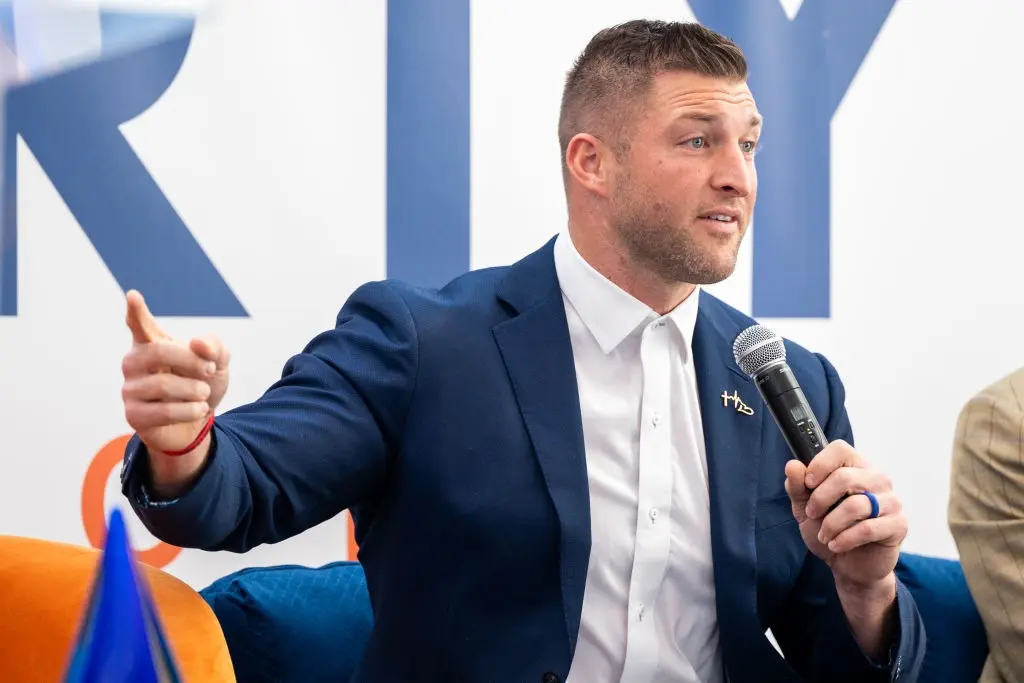
The intersection of celebrity endorsement, evangelical faith, and high-pressure financial sales has been thrust into the national spotlight following a sweeping investigative report into Life Surge, a prominent Christian wealth-building seminar organization. The controversy escalated significantly when former Heisman Trophy winner and NFL quarterback Tim Tebow announced he was pausing his lucrative relationship with the company amid mounting allegations of predatory sales practices.
While Tebow’s departure marks a major blow to the organization’s public relations, a deeper examination reveals a systemic issue: Tebow was far from alone. For years, Life Surge has successfully leveraged a vast, multi-industry roster of trusted public figures—ranging from Hollywood actors and professional athletes to high-profile political figures and renowned worship leaders—to cloak its high-yield financial seminars in an aura of unearned spiritual and moral authority.
As regulatory bodies, including the Federal Trade Commission (FTC), review consumer complaints alleging catastrophic financial losses, the unfolding scandal poses difficult questions. It highlights the profound risks of "affinity fraud" and the ethical responsibilities of celebrities who monetize their platforms by championing commercial enterprises under the guise of religious community.
Detailed Chronology of the Controversy
The collapse of Life Surge’s pristine public facade did not happen overnight. It was the result of a collision between aggressive sales funnels, unsuspecting consumers, and relentless investigative journalism.
The Rise of the "Worship and Wealth" Model
Founded as a platform that blended charismatic Christian worship with motivational seminars, Life Surge positioned its mission around the concept of "Kingdom Impact." The company’s live events typically began as high-energy spiritual gatherings. Attendees could purchase relatively inexpensive tickets to hear beloved Christian artists, pastors, and famous athletes speak about faith, family, and perseverance.
However, these events quickly pivoted into commercial sales pitches. Once inside the arena, audiences were introduced to tiered financial education programs. A modest initial pitch for a $97 three-day seminar routinely served as the gateway to much more aggressive sales funnels, where attendees were allegedly upsold on advanced wealth-building packages costing tens of thousands of dollars.
The Investigative Break and Tebow’s Exit
The model unraveled in late September 2026, when an investigative joint report by Mother Jones and journalist Pablo Torre exposed the mechanics behind Life Surge’s operations. The report detailed how consumers—many of whom were deeply devoted Christians—were allegedly nudged into taking on hazardous levels of debt, including maxing out credit cards and drawing on home equity lines of credit, to finance expensive training modules.
Faced with mounting public scrutiny and a growing number of consumer complaints filed with federal regulators, Tim Tebow released a statement on Friday, September 26, 2026, announcing he was immediately pausing his relationship with the organization.
"I’m not here to judge or condemn," Tebow said in his public response. "I want to seek the truth."
According to reports, Tebow was scheduled to appear at more than 20 Life Surge events throughout the year, commanding between $50,000 and $100,000 per appearance. Records show he shared a stage in Portland as recently as September 19—just days before the investigative report brought the company’s practices to light.
Supporting Context, Metrics, and the Celebrity Ecosystem
To understand why Life Surge was able to scale so rapidly—and why consumers parted with their savings so willingly—one must examine the extensive network of credibility the company deliberately cultivated.
A Roster of Trusted Names
While Tim Tebow bore the brunt of the immediate media backlash due to his extensive tour schedule and high-profile association, he was merely the anchor of a sprawling corporate strategy. Life Surge’s roster of speakers and performers over the years has included an eclectic mix of cultural icons:
- Athletes: Former MLB star David Ortiz and NFL quarterback Russell Wilson.
- Hollywood Figures: Acclaimed actors Kelsey Grammer and Dennis Quaid.
- Political and Policy Figures: Former White House Press Secretary Kayleigh McEnany and former Housing and Urban Development Secretary Dr. Ben Carson.
- Faith Leaders and Artists: Renowned Bible teacher Priscilla Shirer and worship artist Chris Tomlin.
For the average consumer sitting in an auditorium, seeing figures they admire—not just for their professional success, but for their vocal Christian faith—created an immediate, uncritical level of trust. As one devastated consumer wrote in a complaint submitted to the FTC:
"I am so devastated that Christians like Tim Tebow made me trust in something that has taken so much money from me."
The Anatomy of the Consumer Complaints
The financial toll on participants has become a central focus of regulatory interest. Publicly available records, including 49 distinct complaints filed with the Federal Trade Commission and cataloged by investigators, paint a troubling picture of high-pressure environments.
- Debt Inducement: Consumers alleged that sales representatives utilized emotional manipulation, framed around biblical stewardship, to pressure attendees into signing up for costly programs regardless of their personal financial stability.
- The "Upsell" Funnel: Attendees who entered looking for basic financial literacy reported being funneled into elite mentoring tiers promising guaranteed high yields or algorithmic wealth generation, requiring investments running well into the tens of thousands of dollars.
It is important to note that consumer complaints and FTC filings represent allegations rather than formal judicial findings of wrongdoing. Nonetheless, the volume and consistency of the grievances prompted independent inquiries into the company’s business model.
Official Statements and Corporate Defense
Faced with existential threats to its reputation and business model, Life Surge leadership has pushed back aggressively against the characterization of its operations as predatory or scam-adjacent.
Life Surge’s Position
In official statements, including a formal response to Tebow’s decision to pause his involvement, Life Surge strongly defended its institutional integrity. The company asserted that:
- Compliance and Disclosures: Millions of dollars have been invested in legal and operational compliance. The company maintains that it provides clear risk disclosures outlining the realities of investing before any high-tier programs are purchased.
- Rejection of Prosperity Gospel: Life Surge explicitly rejects comparisons to the controversial "prosperity gospel" theological movement—which posits that financial wealth is a direct sign of divine favor. Instead, the organization maintains that its core philosophy focuses on traditional principles of biblical stewardship: earning and managing money effectively to fund philanthropic and Christian ministry efforts.
- The Role of Headliners: The organization maintained that marquee speakers like Tim Tebow were hired solely to inspire attendees and share their personal testimonies of faith, rather than to act as commercial pitchmen for financial software or wealth-coaching products.
However, this defense has been complicated by archival evidence. Investigative audio from a 2023 Life Surge event revealed Tebow directly encouraging participants who had signed up for advanced classes to follow through with their financial commitments, blurring the line between spiritual motivation and commercial endorsement.
Future Outlook: Accountability, Regulation, and Celebrity Ethics
The fallout from the Life Surge controversy extends far beyond the financial balance sheets of a single wealth-building seminar company. It serves as a watershed moment for the intersection of modern celebrity culture, digital-age marketing, and religious communities.
The Threat of "Affinity Fraud"
For decades, regulatory watchdogs like the Securities and Exchange Commission (SEC) have warned against the dangers of affinity fraud. This specialized form of financial deception exploits the trust and friendship that exist within close-knit groups—including religious congregations, ethnic populations, and professional networks.
When trusted public figures—whether pastors, Christian athletes, or conservative political commentators—lend their endorsement to commercial ventures without rigorous vetting, they inadvertently lower the natural skepticism of vulnerable consumers. Regulators warn that audiences often drop their financial guard when a pitch is delivered in a room filled with worship music and shared spiritual language.
What Lies Ahead for Celebrity Endorsements?
As investigative reports continue to circulate and federal regulators evaluate the scope of the complaints against Life Surge, the cultural landscape for faith-based branding is shifting:
- Increased Scrutiny on Vetting: Public relations experts anticipate that talent agencies and publicists will face mounting pressure to conduct exhaustive due diligence before booking clients for commercial-adjacent seminar circuits, particularly those operating in gray areas between motivation and investment advice.
- The Burden of Trust: For celebrities like Tim Tebow, whose entire brand is built upon an unblemished moral and spiritual foundation, the episode underscores a stark reality: association carries accountability. Whether legal wrongdoing is ultimately proven or refuted in court, the human cost borne by consumers who trusted a famous name remains a lasting stain.
Ultimately, as the investigation into Life Surge presses forward, the ultimate verdict may rest not just with the FTC or the courts, but with the public. For the thousands of believers who sat in those auditoriums, the crisis serves as a harsh lesson in the dangers of conflating spiritual inspiration with financial security.