

Executive Overview
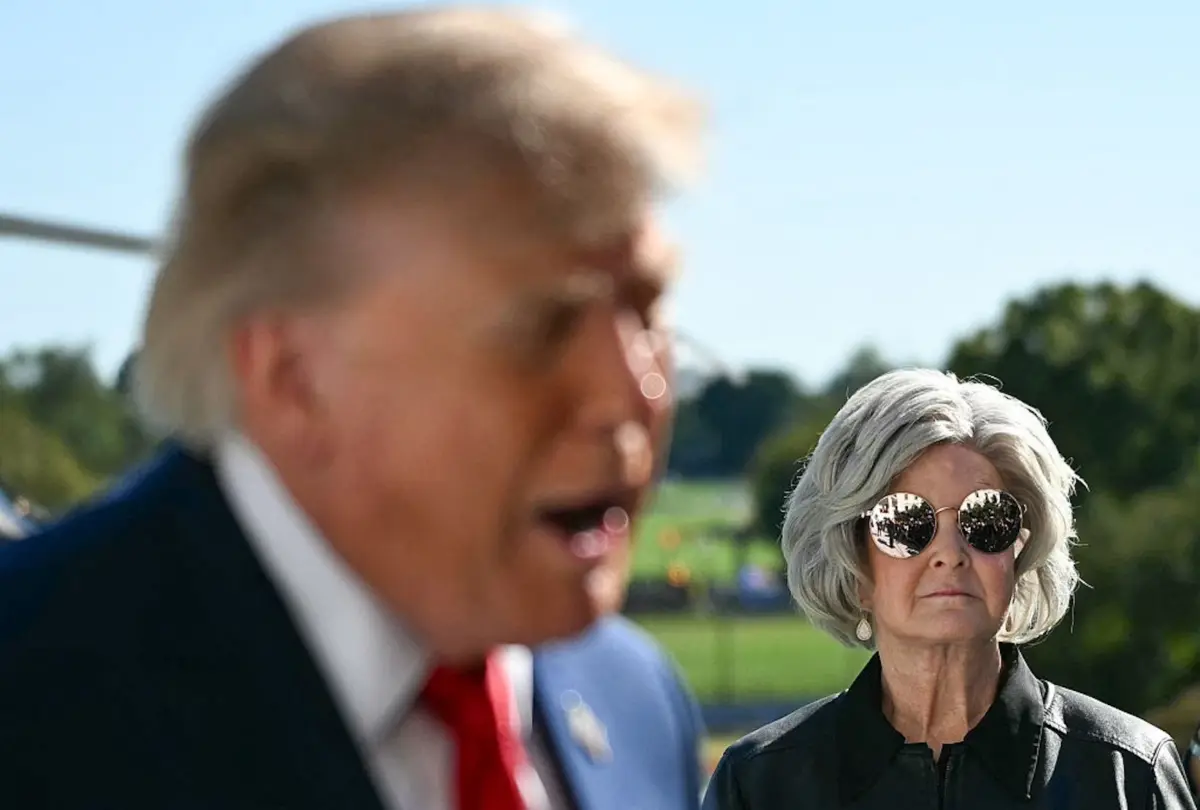
As the political landscape shudders ahead of the crucial midterms, the West Wing is once again gripped by the familiar, high-stakes theater of presidential self-preservation. President Donald Trump, confronting what polling data and national sentiment suggest will be a catastrophic wave of Republican losses at the ballot box, is reportedly eyeing a high-profile scapegoat. At the center of this brewing intra-party storm is White House Chief of Staff Susie Wiles.
Wiles, who engineered Trump’s historic 2024 political comeback and cemented her status as the most powerful woman in the administration, now finds herself in the crosshairs of an increasingly volatile president. Historically, Trump has relied on a well-worn playbook: avoiding direct, face-to-face confrontation while delegating the dirty work of personnel purges to subordinates, only to turn on them later. Wiles’ potential ouster illustrates a stark political reality within Trump’s orbit: loyalty and past victories offer little insulation when the president faces a public reckoning over his own profound unpopularity.
With rumors swirling across Washington, political insiders are already sizing up potential successors—ranging from loyalists like Bill Pulte and Kevin McCarthy to the deeply controversial Stephen Miller. As the administration braces for electoral fallout, the potential removal of Wiles underscores the structural instability and perpetual finger-pointing that continue to define Trump’s second term.
Detailed Chronology: From 2024 Triumph to Midterm Turmoil
The trajectory of Susie Wiles’ tenure as chief of staff reflects the rapid, high-pressure environment of the modern executive branch. Tasked with steering the administration after a triumphant 2024 campaign, Wiles was initially lauded as the steady hand capable of managing Trump’s impulses.
- Late 2024 – Early 2025 (The Honeymoon Period): Following the successful transition—marked heavily by the brief, high-octane involvement of billionaire Elon Musk before his eventual departure—Wiles assumed control of the West Wing. Her mandate was clear: maintain discipline, execute the administration’s agenda, and guide the Republican Party toward consolidating power.
- Throughout 2025 (The Purge of the Unloyal): As the administration settled in, a pattern of high-level departures emerged. Unlike the mass turmoil of Trump’s first term—which saw an unprecedented 92% turnover rate among top-tier staff—the second term initially appeared more controlled. However, a series of high-profile departures began to accumulate, disproportionately impacting female officials. Cabinet members and high-ranking figures such as Attorney General Pam Bondi, DHS Secretary Kristi Noem, and DNI Tulsi Gabbard exited under duress, frequently failing unspoken loyalty tests while male staffers engaged in questionable behavior faced fewer consequences.
- Late Summer to October 2026 (The Midterm Panic): As the country barrels toward the 2026 midterm elections, public dissatisfaction with the administration’s policies has translated into abysmal approval ratings for the president. Recognizing the writing on the wall, Trump has begun privately sounding out friends and confidants about Wiles’ performance—a classic precursor to a high-level firing.
- October 17, 2026 (The Boiling Point): Public reports from outlets like POLITICO and the New York Times confirm that Wiles, dubbed the administration’s "Ice Maiden," has fallen out of favor as knives come out among competing factions within the West Wing. Despite having successfully managed the 2024 comeback, Wiles is now positioned to absorb the political blame for an impending national referendum on Trump’s leadership.
Supporting Context & Metrics: The Anatomy of Trump’s Turnover Culture
To understand Wiles’ precarious position, one must examine the historical precedent of Donald Trump’s human resource strategies. During his first administration, the Brookings Institution tracked a staggering 92% turnover rate among top advisors—the highest of any modern presidency.
Trump’s management style relies heavily on indirect conflict. Rather than delivering the famous "You’re fired" catchphrase in person—a persona he cultivated on The Apprentice—the president has routinely relied on digital mediums or intermediaries. Notable examples include:
- Rex Tillerson learning of his dismissal as Secretary of State via a printed tweet upon returning from Africa.
- FBI Director James Comey discovering his termination on network television news broadcasts.
- The recent abrupt dismissal of White House Press Secretary Katie Zacharia after just days on the job, amid a flurry of administration exits.
While Wiles managed to buck this trend longer than most by adopting a strategy of total deference—famously admitting that she avoids confronting the president with hard truths about constitutional boundaries or negative impacts—she cannot escape the structural reality of the office. When presidential policies fail to resonate with the American electorate, proximity to power becomes a liability.
Official Statements and Insider Perspectives
The shifting dynamics within the West Wing have generated immense speculation across Washington, with anonymous sources painting a picture of a White House bracing for impact.
"She’s burned a lot of people," remarked an insider close to the West Wing, speaking to POLITICO regarding the accumulation of internal adversaries Wiles has crossed while attempting to enforce administrative discipline.
Conversely, defenders of the administration maintain a public front of unity. Representatives for the White House have repeatedly insisted that personnel changes are standard operational adjustments and that demographic patterns in departures—such as the heavy concentration of female officials exiting the administration—are entirely coincidental.
However, political analysts point out that the rigid expectation of absolute fealty leaves little room for institutional pushback. As one senior strategist noted anonymously, "When the boss refuses to acknowledge reality, the person holding the map is always the one blamed when the ship hits the rocks."
Future Outlook: The Succession Sweepstakes and the Shadow of Stephen Miller
Should Wiles be ousted in the wake of the midterm losses, the battle to succeed her will dramatically alter the remaining trajectory of the administration. Observers have zeroed in on three primary contenders, each representing a distinct threat to institutional stability:
1. Bill Pulte
Currently heading the Federal Housing Finance Agency and chairing Fannie Mae and Freddie Mac, Pulte is a hyper-loyalist known for presenting policy ideas and memes to the president on large white poster boards. While dramatically underqualified for the intricacies of chief of staff, his selection would signal a continuation of sycophantic administrative practices divorced from traditional governance norms.
2. Kevin McCarthy
The former House Speaker—historically dubbed "My Kevin" by Trump after famously strategizing around the president’s preference for red Starburst candies—remains a persistent rumor. Appointing McCarthy would introduce an era of transactional compliance, prioritizing personal appeasement over structural management.
3. Stephen Miller
Perhaps the most consequential and alarming prospect is senior advisor Stephen Miller. Functioning already as a shadow president, Miller shares Trump’s deep-seated desire for political vengeance. Elevating Miller to the chief of staff position would centralize immense executive authority, likely paving the way for the most aggressively authoritarian policy implementations in modern American history. Observers warn that Miller’s ruthless operational style would run a tighter ship, but it could simultaneously accelerate the president’s historic unpopularity, leaving an indelible stain on Trump’s presidential legacy.
As the midterm results loom, the impending departure of Susie Wiles marks more than just another name added to the administration’s ledger of turnover. It serves as a definitive barometer of a White House unwilling to self-reflect, preferring instead to sacrifice its chief architects rather than confront the verdict of the voters.