

Executive Overview
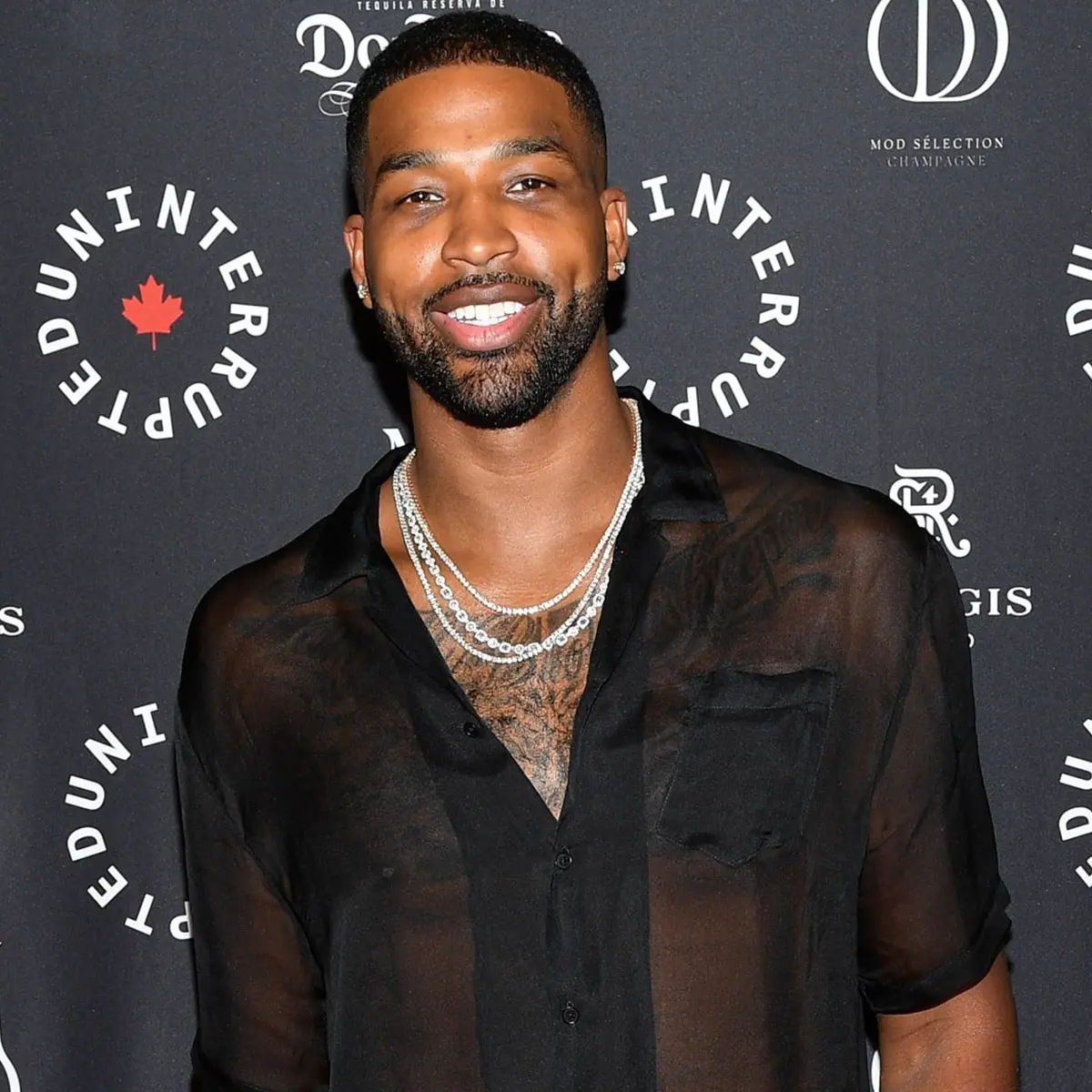
In the high-stakes arena of venture capital and elite sports, few public figures manage to bridge the gap quite like professional basketball player Tristan Thompson. Known primarily for his tenacity on the hardwood and his high-profile personal life—sharing children True, 8, and Tatum, 4, with ex-reality television star Khloé Kardashian—Thompson has quietly engineered a masterclass in early-stage tech investing.
While headlines frequently shadow his personal endeavors, Thompson’s financial acumen took center stage following a massive economic milestone: the initial public offering (IPO) of Anthropic AI. Thompson was an early-stage investor in the artificial intelligence enterprise, a move that yielded monumental financial returns when the company went public, selling an astounding $81.3 billion worth of stock shares and achieving a fully diluted market capitalization touching approximately $1.8 trillion.
Beyond Thompson’s personal windfall, this financial event opens a broader, more critical window into how public figures, athletes, and entertainers navigate wealth creation, risk, and compensation. A deep dive into the entertainment and sports industries reveals a stark dichotomy: while tech investments can mint overnight multi-millionaires, traditional creative industries are often fraught with staggering wage disparities, meager initial residuals, and an uphill battle for equitable compensation. From the multi-million dollar payouts of Hollywood A-listers to the startlingly low scale wages accepted by breakout stars on iconic television series, the landscape of modern celebrity wealth is as complex as it is contradictory.
Detailed Chronology: How Tristan Thompson Secured His Tech "Home Run"
To understand Tristan Thompson’s recent financial victory, one must trace the timeline back over two years to the bustling tech ecosystem of San Francisco. During an intense NBA schedule that brought the Cleveland Cavaliers to the Bay Area for a Finals run, Thompson found himself navigating a city defined by its restless entrepreneurial spirit.
Unlike many athletes who confine their off-court focus to traditional portfolios like real estate or apparel, Thompson deliberately sought out the architects of tomorrow. His gateway into the secretive world of Silicon Valley venture capitalism was Sriram Krishnan, a close friend and confidant who currently serves as a Senior White House Policy Advisor on Artificial Intelligence.
The San Francisco Networking Playbook
During those high-pressure playoff runs, Krishnan served as Thompson’s compass in an unfamiliar metropolis.
"The only friend that I had in SF during those Finals runs that was picking the Cavaliers to win, he opened up these doors," Thompson recalled in a comprehensive interview with Yahoo Finance. "Going to dinners and meeting people. I think SF is one of those towns where a lot of great founders and early startups, they want to come together and build this ecosystem."
Recognizing a rare convergence of talent and ambition, the 35-year-old athlete chose a proactive approach. Standing roughly 10 inches taller than virtually everyone else in the room, Thompson famously inserted himself into exclusive conversations with the blunt, disarming icebreaker: "Tell me what you’re working on."
This bold networking strategy led him to secure an early stake in Anthropic AI.
The IPO Milestone and Group Chat Celebrations
Years after that initial handshake, Anthropic officially filed a proposed stock plan with the U.S. Securities and Exchange Commission, culminating in a historic public offering this week. For Thompson and his fellow early stakeholders, the news sparked immediate jubilation.
"We’re in a group chat and everyone’s just talking about what they’re going to do to celebrate," Thompson shared. "I said, ‘Guys, the one thing we have to do is do a dinner. We got to break bread again. Cheers to getting it right this time.’"
Supporting Context & Metrics: The High-Risk Equation of Venture Capital
Thompson’s celebratory toast acknowledges a harsh truth inherent to the venture capital landscape: success is an statistical anomaly. For every Anthropic AI that achieves a multi-trillion-dollar trajectory, dozens of startups quietly fail.
The Venture Capital Success Rate
- The 2-in-10 Rule: As Thompson candidly explained, out of every ten early-stage companies an investor backs, they are exceptionally fortunate if even two manage to reach the finish line.
- The "Home Run" Effect: Those rare two winners generate astronomical returns that theoretically compensate for the total capital lost across the remaining eight failed ventures.
- Market Valuation: According to market trackers and CNBC, Anthropic’s blockbuster market debut underscored the immense institutional and retail appetite for generative AI platforms, cementing Thompson’s long-term bullish outlook.
Comparing his investment to the dot-com era, Thompson remains firmly positioned as a long-term shareholder. "Their alignment with government definitely makes you feel very bullish about it," he noted. "It’s almost like investing in Google during the dot com era."
Official Statements and Industry Parallels: The Reality of Celebrity Wealth
While Thompson celebrates a massive venture capital victory, the broader ecosystem of public personalities reveals a fascinating juxtaposition between high-risk tech investments and the unpredictable nature of traditional entertainment paychecks.
A comprehensive look across Hollywood and professional sports demonstrates that upfront fame rarely equates to immediate financial security.
1. The Startup Mentality vs. Scale Wages in Hollywood
Just as venture capitalists risk capital on unproven startups, actors frequently gamble their time on low-budget passion projects or scale-wage television roles in hopes of long-term dividends.
- The Jackass Reality: MTV daredevil Steve-O revealed that after taxes, he earned less than $1,500 for the entire groundbreaking first season of Jackass in 2000, finding himself homeless and broke despite starring on a cultural phenomenon.
- Boy Band Economies: *NSYNC alum Lance Bass shared that the boy band survived on a mere $35-a-day per diem and received a modest $10,000 check after years of number-one albums and sellout stadium tours.
- The 13 Reasons Why Discrepancy: Actress Tommy Dorfman highlighted the stark economic realities of streaming platforms, revealing she was paid just $29,953.24 before commissions and taxes for eight grueling months of filming the hit show’s first season—despite the series racking up 476 million view hours in its first month.
2. Prestige over Paychecks
Many veteran actors actively choose artistic fulfillment over immediate financial compensation, accepting baseline union minimums to work with legendary auteurs.
- Christian Bale accepted the absolute legal minimum for his chilling role in American Psycho (2000), noting that makeup artists on set laughed because he was earning less than they were.
- Jonah Hill accepted a mere $60,000 before commissions and taxes to star in Martin Scorsese’s The Wolf of Wall Street (2013), emphasizing that he would have paid the director to let him participate.
- Oprah Winfrey famously accepted only $35,000 for her iconic, Oscar-nominated film debut in The Color Purple (1985), calling it the best investment in her personal growth she ever made.
3. The Gender Pay Gap and Residual Erasure
Conversations surrounding equitable compensation continue to expose deep structural flaws within Hollywood’s financial plumbing.
- Jennifer Lawrence sparked an industry-wide reckoning following the 2014 Sony hack after discovering massive pay disparities between her and her male co-stars in American Hustle, later advocating vociferously against systemic gender wage gaps.
- Ellen Pompeo fought a hard-fought battle to secure a $575,000-per-episode contract for Grey’s Anatomy, noting her frustration was never with co-star Patrick Dempsey’s salary, but rather the studio’s historical undervaluation of the show’s titular lead.
- Streaming Residuals: With the advent of subscription streaming, legacy income streams have dried up for many. Actors like Gilmore Girls star Lauren Graham humorously noted she has been paid primarily "in love and appreciation" due to the lack of traditional broadcast residuals on platforms like Netflix, while The Suite Life of Zack & Cody star Dylan Sprouse famously received a single residual check for five cents for a crossover episode.
Future Outlook
Tristan Thompson’s successful venture into Anthropic AI serves as a powerful case study in modern wealth diversification. By leveraging his network during NBA travels and intentionally positioning himself within cutting-edge tech ecosystems, Thompson has proven that professional athletes can successfully transition into high-yield technology investors.
Looking ahead, the intersection of elite sports, entertainment, and venture capital will likely continue to evolve. As traditional income streams—such as broadcast residuals and scale-wage episodic television—undergo seismic shifts due to streaming models and artificial intelligence disruptions, public figures are increasingly forced to look beyond their primary professions. Whether through long-term equity plays in generative AI or strategic entrepreneurial ventures, the playbook for sustaining multi-generational wealth is rewriting itself in real time.
For Thompson, the gamble on a San Francisco tech startup has paid off in dividends, securing his financial legacy long after the final buzzer sounds on his basketball career.
