

Executive Overview
To the average consumer strolling through a grocery store aisle, the soybean is virtually invisible. Few Americans sit down to plates of steamed edamame or regularly consume blocks of traditional tofu as core dietary staples. Yet, the average U.S. citizen unknowingly consumes massive quantities of soy every single day. From the salad dressings and mayonnaise in our refrigerators to the baked goods on our tables, the breakfast cereals in our pantries, and the fast food we grab on the go, soy is an omnipresent foundation of the modern American food supply.
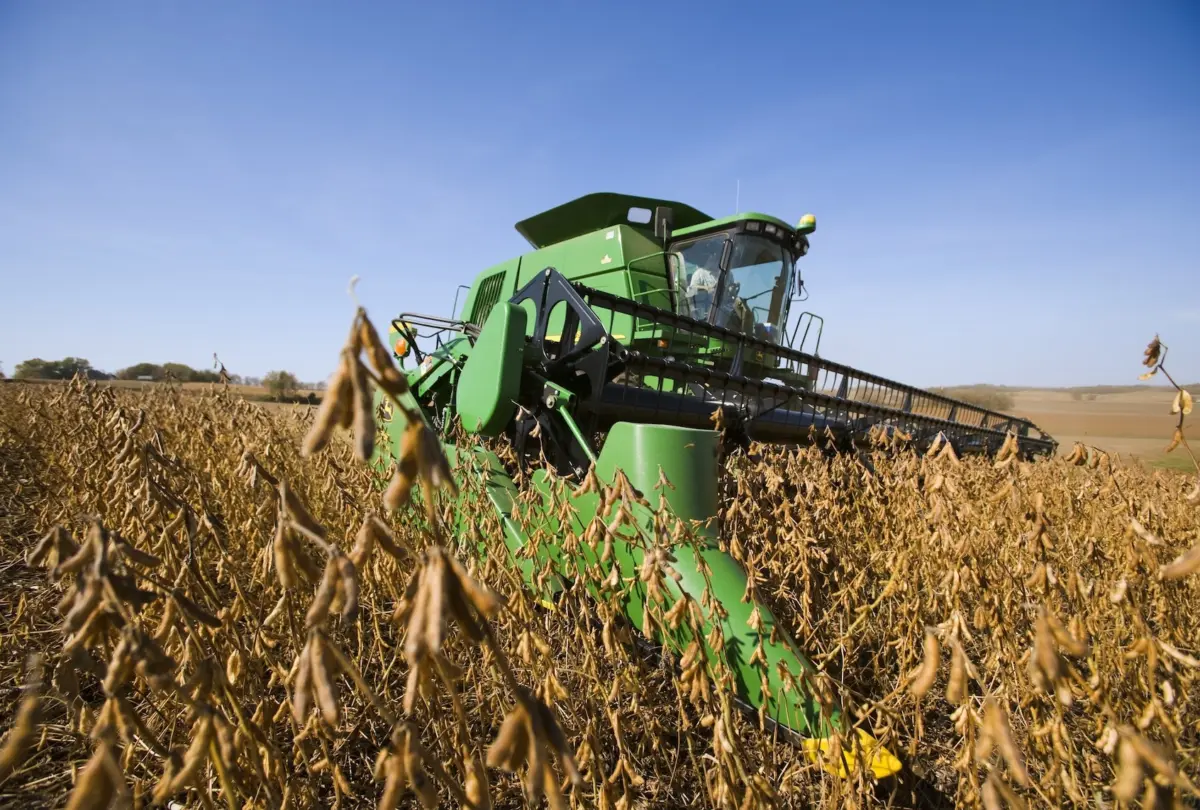
This silent dietary takeover is reaching unprecedented heights. Projections from the United States Department of Agriculture (USDA) indicate that American farmers are on track to harvest a staggering, record-breaking 4.52 billion bushels of soybeans. Given that a standard bushel weighs 60 pounds, this harvest amounts to roughly 800 pounds of soybeans for every single man, woman, and child living in the United States.
How did a crop native to East Asia, which was barely recognized or consumed in North America a mere century ago, become so thoroughly embedded in the fabric of Western life? As explored by agricultural and environmental historians, the ascension of the soybean is a masterclass in industrial versatility. Soy did not conquer America by winning over the hearts and palates of everyday eaters through direct culinary appeal. Instead, it achieved total ubiquity by becoming chemically adaptable, economically subsidized, and entirely hidden within processed foods, livestock feed, industrial goods, and, increasingly, renewable biofuels.
Detailed Chronology: From Ancient East Asian Staple to North American Commodity
The story of the soybean (Glycine max) spans millennia, beginning in ancient China and evolving through a bizarre convergence of colonial exploration, federal scientific intervention, early industrial manufacturing, and wartime desperation.
Ancient Roots and Early American Curiosities
Chinese farmers first domesticated the soybean from its wild ancestor, Glycine soja, somewhere between 6,000 and 9,000 years ago. By the first millennium B.C.E., it had secured its place among the "five grains"—the sacred staple crops foundational to early Chinese civilization, as recorded in foundational agricultural texts.
The bean’s journey to North America was considerably more haphazard. In 1764, an English sailor named Samuel Bowen returned to Savannah, Georgia, carrying a handful of soybeans as a souvenir from years spent traveling in China. The following spring, Georgia’s surveyor-general, Henry Yonge, planted Bowen’s unfamiliar seeds—then referred to as "Chinese vetches"—and successfully harvested three crops in a single season. Bowen even secured a British patent in 1767 for a method of producing domestic soy sauce. However, following Bowen’s death, the enterprise collapsed into obscurity, and the soybean remained little more than an agricultural novelty across North America for more than a century.
The USDA and the Turn-of-the-Century Pivot
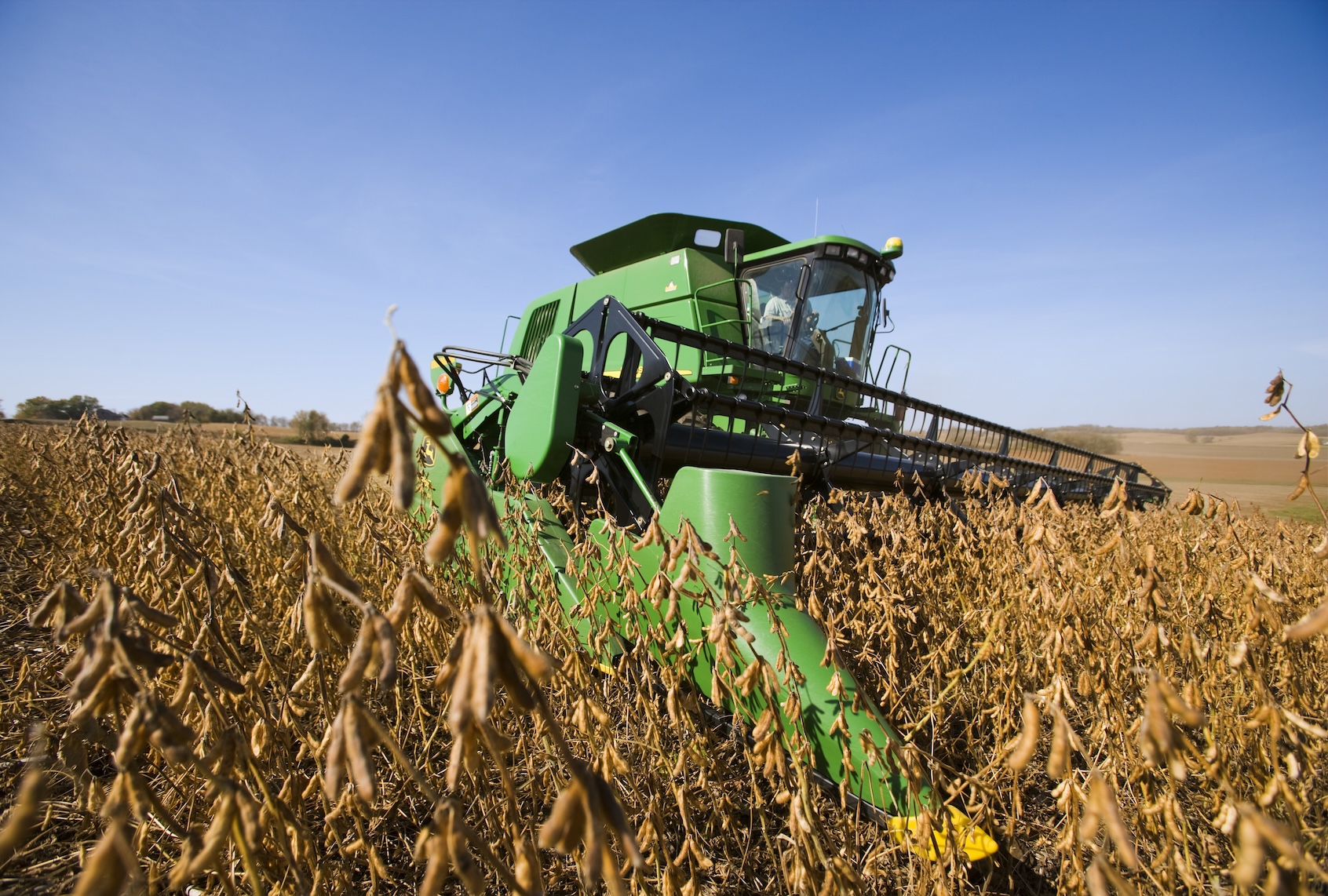
That dynamic shifted dramatically around 1900. Seeking to diversify American agriculture, USDA plant explorer Frank Meyer collected dozens of distinct soybean varieties during expeditions to China. Government researchers Charles Piper and William Morse planted these strains at the department’s Arlington Experimental Farm in Virginia.
Piper and Morse meticulously evaluated the imported varieties for crucial agronomic traits: maturity timelines, structural yields, plant forms, and utility as either seed crops or forage. Identifying the most resilient and productive strains, they distributed them to agricultural experiment stations nationwide. Initially, American farmers embraced the soybean not as human food, but as a robust forage crop and high-protein feed source for livestock.
Industrial Crushing and the Birth of Byproducts
The 1910s introduced industrial crushing techniques that fundamentally changed the crop’s economic trajectory. Processors initially squeezed oil from the beans mechanically. Over subsequent decades, they transitioned to chemical extraction methods, which allowed for a far more efficient separation of the bean into two highly valuable commodities: protein-rich meal for the burgeoning livestock industry, and crude oil primed for diverse non-food and food applications.
Henry Ford’s "Vegetable Obsession" and the Industrial Era
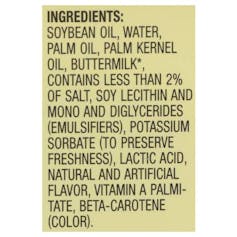
No early 20th-century industrialist championed the soybean with greater fervor than automotive pioneer Henry Ford. By 1933, Fortune magazine marveled that Ford was "as much interested in the soya bean as he is in the V-8" engine.
Ford operated under the philosophy that industry and agriculture were "natural partners." American farmers desperately needed new, reliable markets for their yields, while his assembly lines required steady streams of raw materials. Securing 8,000 acres of land in Michigan, Ford’s research teams planted 300 distinct soybean varieties, testing myriad ways to incorporate the harvest directly into automobile manufacturing.
The experiments yielded tangible results. Soybean oil was successfully integrated into factory paints, while soybean meal was molded into durable plastic car parts. By 1935, Ford utilized roughly a bushel of soybeans in the manufacturing process of every single car rolling off his assembly lines. Six years later, he debuted a lightweight "Soybean Car," featuring 14 soy-derived plastic panels fastened to a tubular steel frame.
Pushing Soy on the Public
Ford was equally determined to make the American public eat his favorite crop. His industrial scientists experimented obsessively with soy milk, soybean "cheese," and soy-based breads, yielding wildly mixed reviews. One unfortunate employee famously remembered the experimental soy biscuits as "the most vile-tasting things you ever put in your mouth."
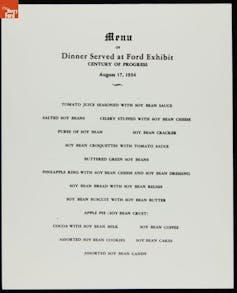
Undeterred, Ford hosted a publicity stunt at Chicago’s 1934 Century of Progress Exposition, serving 30 prominent journalists a dedicated soybean luncheon. The multi-course menu featured soybean purée, soybean cheese, soybean bread, soybean coffee, and apple pie baked inside a soybean crust. The press remained deeply skeptical; one journalist later recalled that nothing consumed that day hinted that soybeans would ever become a popular, delicious component of everyday diets. Instead, the reporters easily envisioned the crop serving its established roles as cattle feed and industrial raw material.
Supporting Context & Metrics: How Soy Disappeared into the American Diet
Henry Ford’s culinary crusade failed to conquer American kitchens directly. Yet, a much more consequential economic transformation was quietly unfolding.
The Wartime Catalyst and the Oil Glut
World War II served as an intense accelerator for this shift. Cut off from traditional global trade routes that supplied imported fats and oils, U.S. food processors pivoted heavily toward domestic vegetable oils, chief among them soybean oil.
Following the war, a booming American livestock sector drove unprecedented demand for high-protein soybean meal to feed cattle, hogs, and poultry. However, the industrial crushing required to meet this massive demand for meal created an enormous, secondary river of cheap soybean oil. Processors desperately needed commercial markets to absorb this abundant byproduct.
Hydrogenation and the Processed Food Boom
Food manufacturers quickly realized they could solve this surplus problem. By applying a chemical process known as hydrogenation, manufacturers turned liquid soybean oil into shelf-stable solids like shortening and margarine.
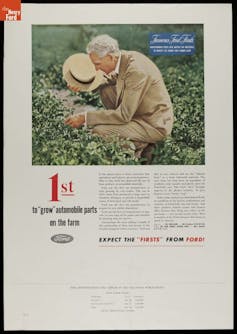
Because of its neutral flavor profile, low production cost, and massive supply availability, soybean oil became the ultimate fat for the modern processed food industry. Historical federal data illustrates the profound dietary shift that followed:
- Between 1942 and 1972, the amount of traditional dairy butter available in the American marketplace plummeted from 16.4 pounds to 5 pounds per person annually.
- Concurrently, the availability of margarine—heavily reliant on hydrogenated soybean oil—surged from 2.9 pounds to 11.1 pounds per person.
By 2008, soybean oil accounted for approximately 80% of the 18 billion pounds of edible fats and oils consumed annually across the United States. It quietly saturated the market as commercial cooking oil, frying fat, shortening, salad dressing, mayonnaise, and an invisible binder in virtually every category of packaged supermarket foods. Consumers never needed to acquire a taste for tofu or raw edamame because industrial food science had already integrated soy into nearly every bite.
Official Statements and Evolving Market Realities
The extraordinary adaptability of the soybean has placed it directly at the intersection of modern agriculture, global trade, industrial manufacturing, and energy geopolitics.
Trade data underscores how crucial the crop has become to the U.S. economy. For decades, massive export volumes of American soybeans shipped overseas—particularly to China—making the humble bean a primary focal point and economic weapon during modern trade disputes, such as the tariff wars between Washington and Beijing.
Furthermore, the agricultural sector’s ongoing evolution has fostered powerful advocacy groups. Organizations like the United Soybean Board actively promote the crop’s expansion into non-food sectors, emphasizing its role in reducing foreign energy dependencies through domestic bio-based innovations.
Future Outlook: From Food to Fuel
Today, the modern soybean story has come full circle, moving beyond the dinner plate and the factory floor to power the nation’s transportation systems. Henry Ford’s century-old dream of erasing the operational boundary between farm fields and industrial machinery has finally materialized on a national scale.
While soybeans continue to feed millions of livestock and humans worldwide, an increasingly massive share of soybean oil is redirected toward the energy sector, heavily driven by federal renewable-fuel mandates. A federal rule finalized by the Environmental Protection Agency (EPA) increased the volume of renewable fuel that refiners and importers must incorporate into the U.S. transportation fuel supply. These statutory mandates have steadily channeled growing proportions of domestic soybean oil toward biomass-based diesel production.
Today, processed soybean oil is refined into advanced biodiesel and sustainable aviation fuel (SAF). These soy-derived energies now routinely power municipal school bus fleets across the American heartland and commercial airplanes navigating international skies.
Looking forward, the trajectory of the soybean remains secure. It conquered America not because citizens developed an emotional craving for the bean, but because of its astonishing molecular flexibility. Its protein feeds poultry and livestock; its oil fries fast food, bakes pastries, and propels heavy trucks; and its lecithin binds chocolate and mayonnaise into smooth, uniform textures. Ninety years after Henry Ford urged skeptical reporters to choke down a slice of soybean pie, his strange obsession with the crop looks less like an eccentric billionaire’s hobby and more like an uncanny, prophetic vision of the modern industrial world.