

Executive Overview
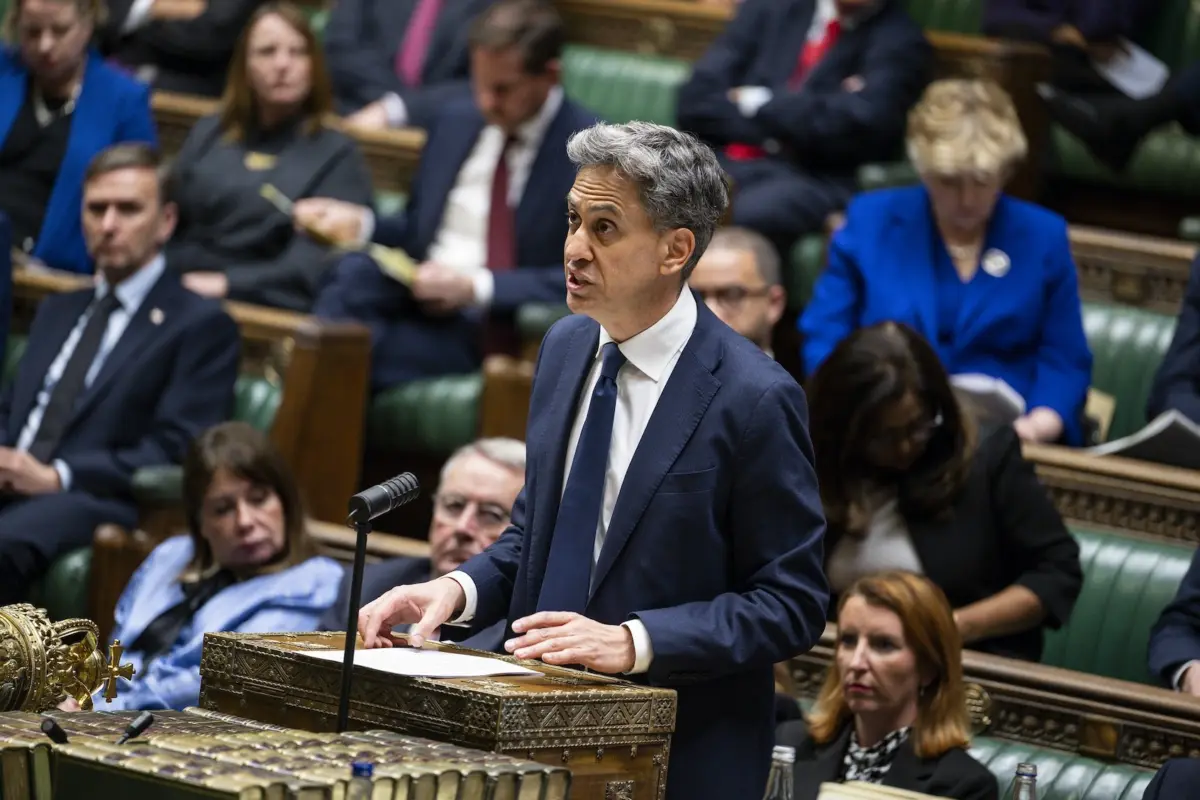
In what may well be recorded by future historians as a defining geopolitical inflection point of the twenty-first century, the transatlantic consensus that has dictated Western foreign policy for a quarter-century has formally shattered. On September 8, 2026, British Foreign Secretary Ed Miliband took the floor of the House of Commons to deliver an address that sent immediate shockwaves through diplomatic circles in Washington, London, and Jerusalem.
Under the newly elected leadership of Prime Minister Andy Burnham, the United Kingdom announced a definitive break from its traditional role as Washington’s diplomatic shadow in the Middle East. Westminster instituted an immediate import ban on goods originating from illegal Israeli settlements in the occupied West Bank, alongside targeted financial and legal sanctions aimed at individuals and entities facilitating settlement expansion.
Crucially, Britain did not act in isolation. Within minutes of Miliband’s address, a coordinated joint statement was released alongside the foreign ministers of Canada, France, and nine other European nations. This coalition of twelve countries committed to restricting trade with territories deemed illegal under international law—a collective rebuke of Israeli policy and a calculated act of defiance against the United States’ unwavering diplomatic shield for the government of Prime Minister Benjamin Netanyahu.
For 25 years, the architecture of Western foreign policy in the Middle East has been anchored by the U.S.-led "war on terror." Today, that architecture is collapsing under the weight of its own strategic failures, domestic political shifts, and a profound weariness among Western allies who are no longer willing to take their marching orders from Washington.
Detailed Chronology: A Storm Over Westminster and Beyond
The events of September 8, 2026, were meticulously orchestrated, marking a stark departure from the reactive diplomacy that has often characterized European responses to Middle Eastern crises.
- Pre-Dawn Diplomacy (September 8, 2026): Prior to any public announcements, British Prime Minister Andy Burnham placed a courtesy phone call to U.S. President Donald Trump. Downing Street sources confirmed the call served as a formal briefing rather than a request for permission or advice. Burnham outlined the impending policy shift, signaling a new era of British strategic autonomy.
- The House of Commons Address (September 8, 2026 – Morning): Foreign Secretary Ed Miliband addressed a silent and tense House of Commons. Speaking explicitly as "a proud British Jew" and the son of World War II refugees, Miliband delivered an unsparing indictment of the situation in the West Bank. He accused Israeli authorities of turning a blind eye to the forced displacement of Palestinians, labeling the actions in the West Bank as "ethnic cleansing… perpetrated by settler terrorists."
- The Multi-Nation Coalition Mobilizes (September 8, 2026 – Afternoon): Almost simultaneously, the foreign ministries of Canada, France, and ten other European nations published a unified declaration. The signatories—incorporating states with varying degrees of prior action against settlement commerce—committed to enacting or reinforcing legislative barriers against trade tied to occupied territories.
- The Diplomatic Aftermath (September 9–14, 2026): Israeli officials expressed utter astonishment at the ferocity of the rebuke. Commentators in Jerusalem noted that while the government had anticipated expressions of diplomatic displeasure, the severity of Miliband’s rhetoric—coming from a lifelong supporter of Israel—caught the state apparatus entirely off guard. Meanwhile, major EU powers like Germany and Italy maintained a conspicuous silence, underscoring the deep political fractures still running through the heart of Europe.
Supporting Context & Metrics: The Anatomy of a Post-9/11 Disillusionment
To understand the magnitude of the September 2026 pivot, one must examine the long, degenerative arc of the "war on terror" doctrine that dominated global politics following the September 11, 2001, terrorist attacks.
For two decades, the transatlantic alliance subordinated regional nuances, human rights considerations, and international law to an overarching, militarized crusade against radical Islamism. While the initial intervention in Afghanistan enjoyed broad international backing, the subsequent 2003 invasion of Iraq fractured the coalition, with major allies like France and Germany refusing to join the "coalition of the willing."
The subsequent years revealed profound structural pathologies within Western policymaking:
- The Normalization of Authoritarianism: The obsession with counter-terrorism led Washington and its partners to forge expedient alliances with undemocratic regimes, distorting global policy much as anticommunist fervor had during the Cold War.
- The Erosion of Israeli Democracy: Decades of diplomatic impunity and unflagging military aid from successive U.S. administrations created a permissive environment for the Israeli far right to dismantle the domestic peace movement, sideline the two-state paradigm, and entrench an expansionist settlement enterprise across the West Bank.
- The Mirage of the "Biden Doctrine": Even as late as 2024, mainstream foreign policy establishments clung to the promise of a grand Middle Eastern realignment—a U.S.-engineered pact pairing Israel and Saudi Arabia against Iran while gesturing toward a demilitarized Palestinian state. That vision ultimately dissolved into the grinding realities of the post-Gaza regional wars and the erratic, transactional interventions of a second Trump administration.
As French philosopher Jean Baudrillard famously argued in the wake of 9/11, the attacks did not represent a simplistic "clash of civilizations," but rather a self-destructive internal crisis within liberal democracies, which increasingly sacrificed their stated ideologies of freedom in favor of totalized security states. The current Anglo-Franco-Canadian coalition is, at its core, an attempt by Western middle-powers to escape the gravitational pull of this ongoing imperial decline.
Official Statements and International Reactions
The language used by the architects of the new coalition reflects a calculated blend of moral urgency and cautious bureaucratic hedging.
"We can no longer turn a blind eye to the forced displacement of Palestinians in West Bank villages. This is ethnic cleansing, perpetrated by settler terrorists… We are introducing an import ban on goods produced in Israel’s illegal settlements on the occupied West Bank, as well as sanctions on specific companies and individuals who provide services, financing, or land for settlement expansion."
— Ed Miliband, British Foreign Secretary
The joint statement issued by the 12-nation coalition further formalized this stance, emphasizing adherence to international norms regarding occupied territories:
"Our governments are committed to introducing or supporting legislative measures to restrict trade in goods originating from settlements which are illegal under international law. We are actively considering these and other measures to preserve the viability of a lasting peace."
In stark contrast, the official response from Jerusalem laid bare the depth of the diplomatic rift. Israeli media and government analysts characterized the coordinated sanctions not merely as a policy disagreement, but as a profound betrayal by historical allies. As veteran commentator Itamar Eichner observed, "Jerusalem had prepared for rain, but what arrived yesterday was a full-blown storm."
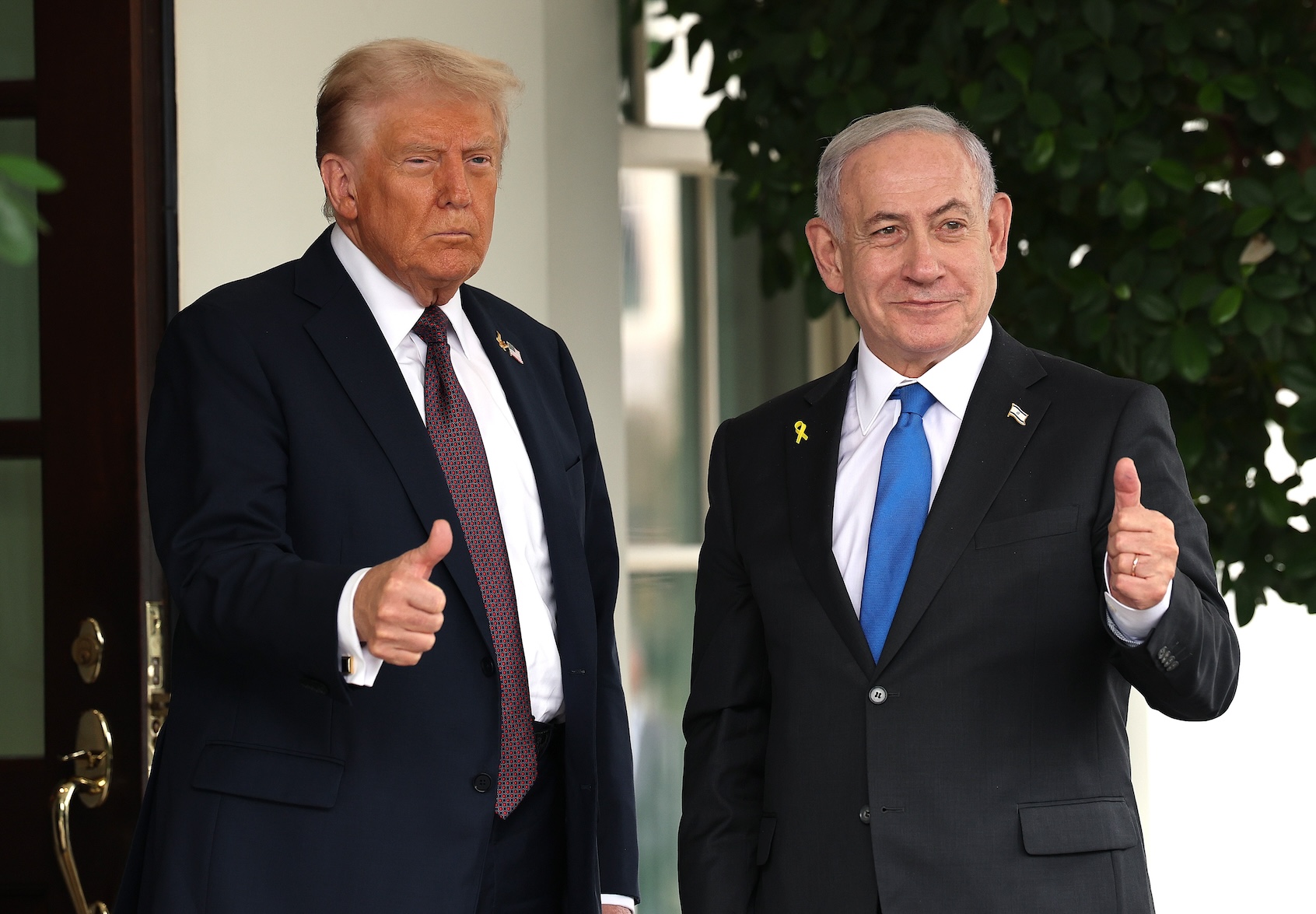
Washington’s official reaction remained notably muted, reflecting a White House increasingly absorbed by its own domestic political turmoil and the compounding costs of its foreign military entanglements.
Future Outlook: The Fragility and Promise of Strategic Autonomy
As the dust settles on the dramatic policy announcements of mid-September 2026, analysts remain divided on the long-term viability of this newly minted Anglo-Franco-Canadian axis.
Several vulnerabilities threaten to undermine the coalition’s momentum:
- Domestic Political Volatility: The alliance relies heavily on leaders facing intense domestic pressures. French President Emmanuel Macron is navigating his final year in office, with the far-right movement under Marine Le Pen poised to challenge for the presidency. Prime Minister Burnham and Canadian Prime Minister Mark Carney must likewise balance moral signaling against the immediate electoral demands of populations weary of economic instability.
- The Dead Letter of the Two-State Solution: The coalition’s joint statements continue to pay homage to the "two-state solution," a diplomatic framework that most regional experts view as functionally defunct given the irreversible expansion of West Bank settlements. Clinging to this rhetorical device risks reducing the coalition’s bold actions to mere political theater unless backed by enforceable, systemic penalties.
- European Disunity: The conspicuous absence of Germany and Italy from the joint declaration demonstrates that Europe remains deeply divided on how to approach Israeli policy, limiting the economic heft of the proposed sanctions.
Yet, despite these formidable hurdles, the symbolic and structural significance of the moment cannot be overstated. By severing the umbilical cord that has bound Western foreign policy to Washington’s downward spiral in the Middle East, leaders like Andy Burnham and Ed Miliband have signaled a profound truth: the post-9/11 unipolar world is dead. Middle powers can no longer afford to outsource their strategic conscience to an erratic American superpower. Whether this nascent coalition can translate its bold rhetoric into lasting geopolitical change remains to be seen, but the era of unquestioned obedience to Washington’s Middle East doctrine has officially come to an end.