

Executive Overview
In the upper echelons of contemporary pop culture, few names command the immediate global recognition and fervor of BLACKPINK. As one of the most successful girl groups in music history, the quartet—comprising Jennie, Jisoo, Rosé, and Lisa—has systematically redefined the parameters of K-pop, crossing over into Western markets, fashion hegemonies, and cinematic spaces. Yet, behind the multi-platinum records, high-fashion ambassadorships, and record-breaking stadium tours lies a deeply personal narrative of identity, cultural tradition, and destiny.
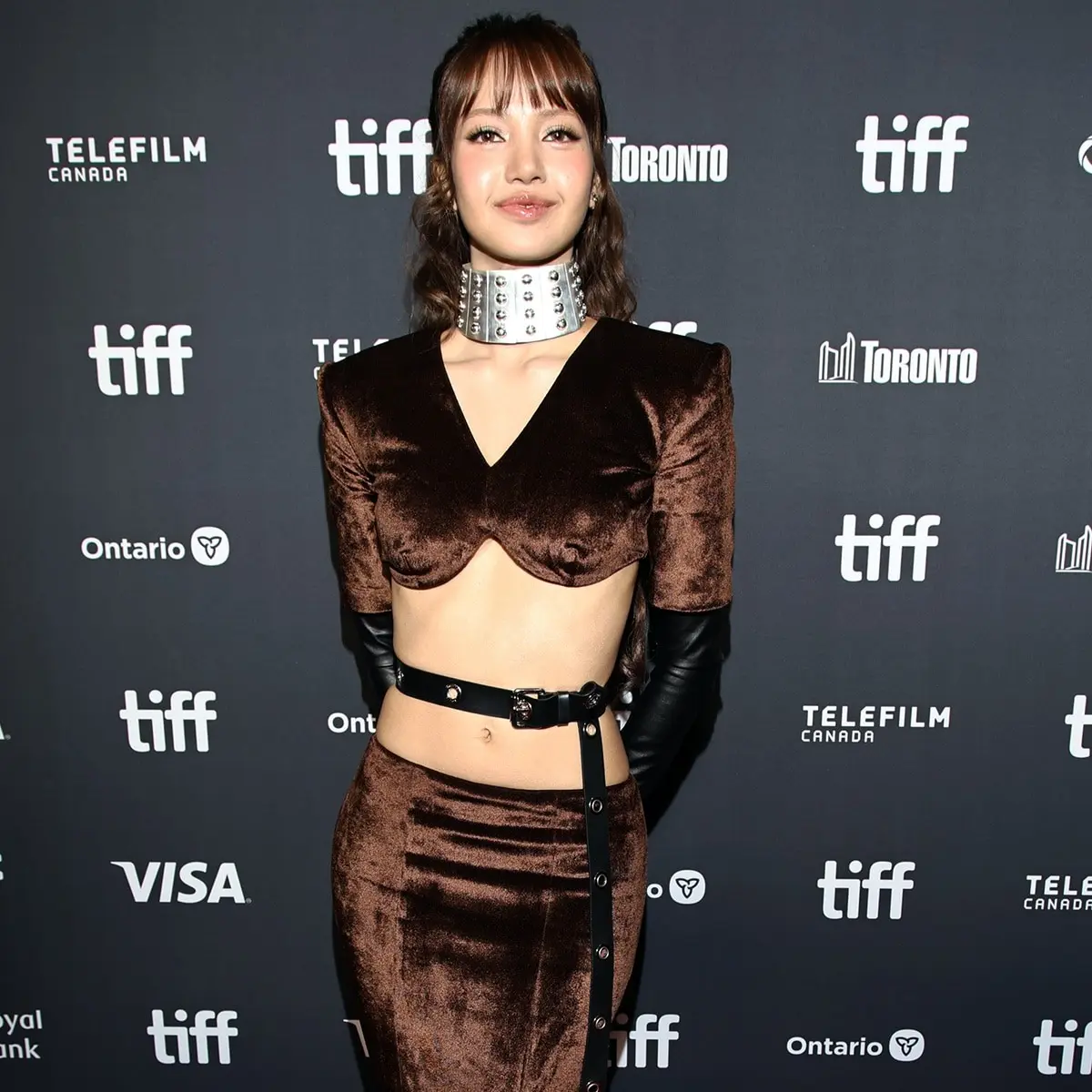
In recent revelations surrounding the global release of her documentary Always LaLisa—premiering at the Toronto International Film Festival—Lalisa Manobal shared a fascinating chapter of her formative years: a legal name change enacted at the tender age of 13. Born Pranpriya Manobal in Thailand, the future global superstar altered her first name following the counsel of a fortune teller. What began as a traditional Thai cultural practice has since become prophetic. The name "Lalisa"—translating to "one who is praised"—now mirrors a reality defined by billions of streams, adoring international fandoms, and continuous boundary-pushing artistry.
This in-depth investigative feature examines the intersection of traditional fortune-telling and modern superstardom, the enduring bond of BLACKPINK amid expansive solo endeavors, and the broader historical context of iconic music groups that have shaped the modern entertainment landscape.
Detailed Chronology: From Pranpriya to Lalisa
To understand the trajectory of the artist globally known simply as LISA, one must trace her journey back to her upbringing in Bangkok, Thailand. Long before she walked the red carpets of international film festivals or headlined Coachella, she was a young hopeful with an unwavering passion for dance and performance.
The Turning Point at Age 13
In many Western societies, the counsel of a psychic or fortune teller is often viewed through a lens of skepticism or novelty. However, in Thailand, consulting spiritual advisors, astrologers, and fortune tellers is deeply woven into the cultural fabric, viewed as a normal and constructive way to seek guidance during major life transitions.
At age 13, Lisa stood at a monumental crossroads. Having auditioned for South Korean entertainment giant YG Entertainment—a notoriously competitive agency known for cultivating top-tier talent—she faced the daunting prospect of moving away from her homeland, mastering a new language, and entering an intense trainee system. Seeking clarity and a competitive edge regarding her future, she and her family sought out a fortune teller.
The psychic’s advice was direct and transformative: to secure prosperity, good fortune, and success in her budding career, her given name, Pranpriya, needed to be changed to something more auspicious. Without hesitation, the young aspirant embraced the advice. As she recalled in interviews with Vanity Fair and E! News, her reaction was pragmatic and resolute: "You know what? I’ll do anything."
She legally changed her first name to Lalisa. Though she would later streamline her moniker to "LISA" for her professional career in the global music market, the foundational identity of Lalisa remained anchored to her core. Looking back on the decision today, the 29-year-old superstar notes that the name feels entirely authentic to her journey: "It’s just me from the start. I feel like I’m always Lalisa from the start."
The Trainee Years and Global Ascendance
The name change preceded a grueling period of rigorous development. Relocating to Seoul, South Korea, Lisa spent years as the sole foreign trainee at YG Entertainment, enduring daily evaluations, grueling choreography sessions, and vocal training. Her dedication paid off in August 2016 when she debuted as the main dancer, lead rapper, and sub-vocalist of BLACKPINK.
With consecutive mega-hits like "Whistle," "Boombayah," "Ddu-Du Ddu-Du," and "Kill This Love," BLACKPINK swiftly shattered records, becoming the first Korean group to perform at Coachella and accumulating billions of views on YouTube. Simultaneously, Lisa carved out a distinct identity as a solo artist, releasing chart-topping tracks like "Lalisa" and "Money," and more recently dominating airwaves with her fierce anthems like "Rockstar."
Supporting Context & Metrics: The Power of Sisterhood and Solo Endeavors
While individual members of powerhouse groups often drift apart during solo cycles, BLACKPINK has maintained a remarkably unified front. This dynamic was on full display during the premiere of Lisa’s documentary, Always LaLisa, where she spoke candidly about her relationship with Jennie, Rosé, and Jisoo.
The Bond Behind the Music
"They’re like my sisters," Lisa shared exclusively at the Toronto International Film Festival. "They’re like my family. And of course, even though we are doing all solo stuff, we still text each other."
This mutual support extends into their creative milestones. Even as Always LaLisa prepared for its global release, her bandmates reached out immediately. "They texted me, and they’re like, ‘Oh, can’t wait to watch it!’" Lisa noted.
What to Expect from Always LaLisa
The documentary offers fans an unprecedented, unvarnished look into the daily reality of a global superstar. Eschewing the heavily curated gloss of music videos, Always LaLisa dives deep into the studio, the rehearsal rooms, and the quiet moments between performances.
"They [get] to see all the behind the scenes, like how I work," Lisa explained regarding the project. "I hope they enjoy it."
Official Statements & Industry Perspectives
The phenomenon of BLACKPINK is rooted not just in commercial metrics, but in a carefully balanced duality. As Rosé memorably explained during an appearance on Jimmy Kimmel Live regarding the group’s moniker:
"BLACKPINK is—we kind of felt like there’s two colors that represented us the most ’cause we’re very girly, but at the same time, we’re very savage too. We have a song called ‘Pretty Savage’ and it kind of goes with ‘black pink’ and so we thought it described us the best."
This dichotomy—blending high fashion, soft femininity, and ferocious performance capability—has allowed each member to transition effortlessly into global fashion houses and acting ventures, with Lisa expanding her portfolio into mainstream Hollywood with her role in HBO’s The White Lotus.
Industry analysts attribute Lisa’s cross-cultural appeal to her adaptability and unwavering authenticity. Whether she is performing for 80,000 screaming fans at MetLife Stadium or discussing her childhood in Bangkok, her narrative remains grounded in a tireless work ethic.
Future Outlook: The Legacy of Group and Solo Dominance
As the music industry continues to evolve, the blueprint established by BLACKPINK serves as a masterclass in modern pop longevity. The group has proven that collective success and individual artistic expression are not mutually exclusive.
For Lisa, the future is an expansive canvas. With her documentary Always LaLisa marking a new milestone in visual storytelling, alongside her expanding acting career and upcoming musical projects, the prophecy delivered by a Bangkok fortune teller nearly two decades ago has come to full fruition. Lalisa—"one who is praised"—continues to live up to her name on the world’s biggest stages, proving that destiny, when met with relentless determination, becomes an unstoppable force.
Historical Context: The Pantheon of Legendary Pop Groups
To fully appreciate the cultural impact of BLACKPINK and Lisa’s solo trajectory, it is vital to examine the lineage of historic vocal harmony groups, boy bands, and girl groups that laid the groundwork for modern pop superstardom.
1. The Boy Band Wave of the Late 20th Century
- The Backstreet Boys: Emerging in 1996 and defining an era with 1999’s Millennium, Nick Carter, Howie Dorough, AJ McLean, Brian Littrell, and Kevin Richardson established the template for global boy band mania, maintaining touring longevity spanning over two decades.
- ‘NSYNC: Featuring Justin Timberlake, Joey Fatone, Lance Bass, JC Chasez, and Chris Kirkpatrick, ‘NSYNC captured the pop cultural zeitgeist of the turn of the millennium, leaving fans perpetually hopeful for a reunion.
- New Kids On the Block & 98 Degrees: Pioneering the blueprint for synchronized choreography and vocal harmonization, these groups bridged the gap between late-80s pop and the 90s boy band explosion.
2. Iconic Girl Groups and Female Empowerment
- Destiny’s Child: As the incubator for global icon Beyoncé, alongside Kelly Rowland and Michelle Williams, Destiny’s Child set the gold standard for R&B/pop vocal groups, influencing generations of performers.
- Spice Girls: Dominating the 1990s with "Girl Power," Mel C, Victoria Beckham, Mel B, Geri Halliwell, and Emma Bunton became global cultural icons through infectious pop hooks and distinct personalities.
- TLC & Girls Aloud: From the trailblazing R&B storytelling of T-Boz and Chilli to the reality-TV origins of U.K. powerhouse Girls Aloud, female groups have consistently driven industry innovation.
3. The Modern Era of Global Crossovers
- One Direction: Born from The X Factor, 1D dominated the 2010s before launching historic solo careers for Harry Styles, Zayn Malik, Niall Horan, Louis Tomlinson, and the late Liam Payne.
- BTS & BLACKPINK: Leading the contemporary Hallyu wave, these groups have broken down language barriers, proving that non-English language music can achieve absolute global dominance through dedicated fan communities (the BTS ARMY and BLACKPINK’s Blinks).
As Lisa and her fellow BLACKPINK members continue to chart new territory, they stand firmly on the shoulders of these legendary acts while single-handedly writing the next chapter of pop history.