

Executive Overview
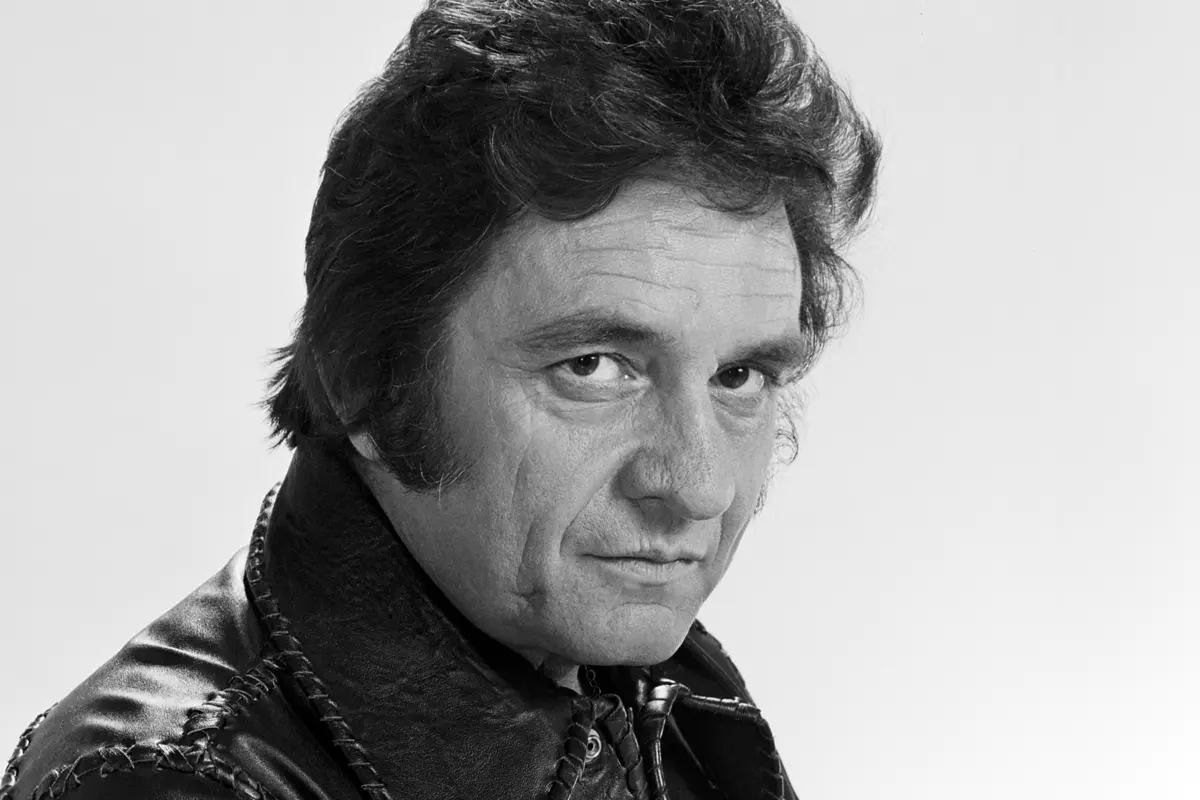
Throughout a legendary career that spanned decades, Johnny Cash defied simple categorization. He was a devout Christian, a country music superstar, an anti-Vietnam activist, a network television variety show host, and, unforgettably, the Man in Black. Yet, even among the vast canon of literature, biographies, and cinematic adaptations dedicated to his life, a fascinating and obscure chapter has largely remained hidden from mainstream view: his foray into the world of sequential art.
Originally published in 1976, the autobiographical comic book Hello, I’m Johnny Cash is a unique cultural artifact that captured the singer at a pivotal crossroads in his personal and professional life. Long out of print and relegated to the status of a holy grail for dedicated collectors, the comic is finally returning to shelves.
Z2 Comics has announced that it will officially rerelease Hello, I’m Johnny Cash later this month. Hitting stores on Wednesday, September 23—coinciding with the celebration of Local Comic Store Day—this 50th-anniversary commemorative edition seeks to reintroduce a pioneering work of musician-driven graphic storytelling to a new generation of fans.
Featuring new alternate cover art by industry luminaries Tim Bradstreet and Chip Kidd, alongside exclusive editorial commentary and insightful essays, this new edition positions Cash not merely as a subject of pop-culture fascination, but as an early innovator who recognized the unparalleled connective power of comic books years before music-and-comics crossovers became standard industry practice.
Detailed Chronology: From Pulpits and Recording Studios to the Illustrated Page
The Genesis of a Unique Collaboration (1976)
By the mid-1970s, Johnny Cash was already a towering monument in American music history. However, his life had been a turbulent journey marked by dizzying professional highs and harrowing personal lows. In an effort to reach younger demographics—particularly teenagers and children who might find traditional biographies daunting—Cash sought an innovative medium to communicate his life’s philosophy.
The result was Hello, I’m Johnny Cash, released in 1976. To bring the project to life, Cash partnered with prominent Evangelical leader Billy Zeoli. Together, they crafted an autobiographical narrative that traced Cash’s trajectory from his early days recording at Sun Records in Memphis to his meteoric rise, his transformative marriage to June Carter, and the subsequent birth of their children.
Rather than shying away from the darker aspects of his past, the comic was explicitly structured around a redemptive arc. It addressed the temptations of illicit substances and the personal chaos that nearly derailed his life, emphasizing how his devotion to faith and his enduring partnership with June Carter pulled him back from the brink.
The Artistic Legacy of Al Hartley
The visual language of the original 1976 publication was entrusted to legendary comic book artist Al Hartley. Best known for his iconic work on Archie Comics, Hartley brought a distinct, clean, and instantly recognizable aesthetic to the project. His style bridged the gap between wholesome Saturday-morning reading and the gritty reality of a country music outlaw finding salvation.

Hartley’s bright, expressive panels provided a stark yet effective contrast to the heavy themes of addiction and spiritual crisis that plagued Cash’s narrative. While the medium was traditionally reserved for fictional superheroes or slapstick humor, Hartley’s pencils lent a strange, earnest gravity to the trials and triumphs of the Man in Black.
Half a Century Later: The 2026 Rerelease
As the comic approaches its milestone anniversary, Z2 Comics has stepped in to rescue the rare publication from obscurity. The upcoming rerelease maintains the historical integrity of the original text and art while upgrading the package for modern collectors.
In addition to preserving Al Hartley’s foundational illustrations, Z2 Comics has commissioned two striking alternate covers by acclaimed artists. Tim Bradstreet, renowned for his photo-realistic work on Vampire: The Masquerade and The Punisher, brings a moody, textured gravitas to his cover variant. Meanwhile, celebrated designer and author Chip Kidd—famous for his iconic book jackets, including Michael Crichton’s Jurassic Park and Haruki Murakami’s 1Q84—brings a sleek, conceptual design sensibility to his contribution.
Supporting Context & Metrics: The Intersection of Music and Graphic Literature
A Piquant Oddity in Music Merchandising
In the late 1970s, the concept of a major recording artist collaborating with a comic book publisher was virtually unheard of. While rock stars occasionally appeared as caricatures in underground comix or teen magazines, a fully authorized, autobiographical graphic novel designed to impart moral and spiritual lessons was entirely unprecedented.
John Carter Cash, the son of Johnny and June Carter Cash, reflected on the sheer anomaly of the original publication in an official press release accompanying the Z2 announcement:
"It was fairly unusual for musicians to have licensed comic books back in the late Seventies. Having people celebrate something as unique as this comic and the continued interest in my father says as much about the fans as it does about him."
Z2 Comics and the Graphic Novel Renaissance
Over the past decade, Z2 Comics has established itself as the premier publisher of music-based graphic literature, bridging the gap between the audio and visual arts. The company has produced critically acclaimed and visually stunning graphic novels dedicated to legendary acts such as Blondie, Freddie Mercury, the Grateful Dead, Alice Cooper, and Mötley Crüe.
However, according to Z2 President Josh Bernstein, the Johnny Cash project occupies a category entirely its own. Unlike modern graphic novel biographies commissioned long after an artist’s legacy is cemented, Hello, I’m Johnny Cash was an organic initiative driven by the artist himself at a time when the medium was largely ignored by the mainstream music industry.

"Decades before music and graphic storytelling became a thriving, interconnected medium, Cash recognized the power of sequential imagery to tell his powerful story," Bernstein noted. "Now, fifty years later, Z2 proudly returns this pioneering work to print, honoring the artist who blazed the original trail for us all."
Contextualizing Cash’s Confessional Tradition
While Hello, I’m Johnny Cash was intentionally tailored to be accessible and educational for younger readers, it fit neatly into Cash’s broader, lifelong commitment to radical honesty. Cash never attempted to sanitize his legacy for public consumption.
The themes touched upon in the 1976 comic—infidelity, chemical dependency, spiritual despair, and redemption—were explored in granular, unflinching detail throughout his literary endeavors. This includes his 1975 conventional autobiography, Man in Black, and his 1997 self-titled memoir, Cash. Where the comic book used panels and speech bubbles to reach youth groups and impressionable fans, his prose memoirs offered adult audiences a raw, unvarnished look at a man constantly wrestling with his demons.
Official Statements and Editorial Additions
To provide depth and critical perspective, the Z2 rerelease goes beyond a simple facsimile of the 1976 edition. The package includes an exclusive, wide-ranging interview with John Carter Cash, offering intimate family insights into how the project came to fruition and how his father viewed his own mythmaking.
Furthermore, the publication features a comprehensive critical essay by renowned comic book writer and journalist Alex Segura. Segura contextualizes the comic within the broader history of American sequential art, evaluating how Hartley’s artistic choices successfully translated the complex persona of a country music icon into four-color print.
Future Outlook: Preserving a Legacy for Modern Audiences
The release of Hello, I’m Johnny Cash on September 23 arrives at a time when appreciation for Johnny Cash’s cultural footprint remains as robust as ever. Decades after his passing in 2003, his music continues to resonate across generations, inspiring punk rockers, indie artists, and hip-hop producers alike.
By bringing this long-forgotten piece of pop culture back into circulation, Z2 Comics is doing more than simply servicing the collector market. They are restoring a missing link in the evolution of musician-driven branding and storytelling. As local comic shops prepare to open their doors for Local Comic Store Day, fans will have a rare opportunity to hold a piece of history—a testament to the enduring reality that even the Man in Black once found himself captured, panel by panel, in the vibrant pages of a comic book.