

Executive Overview
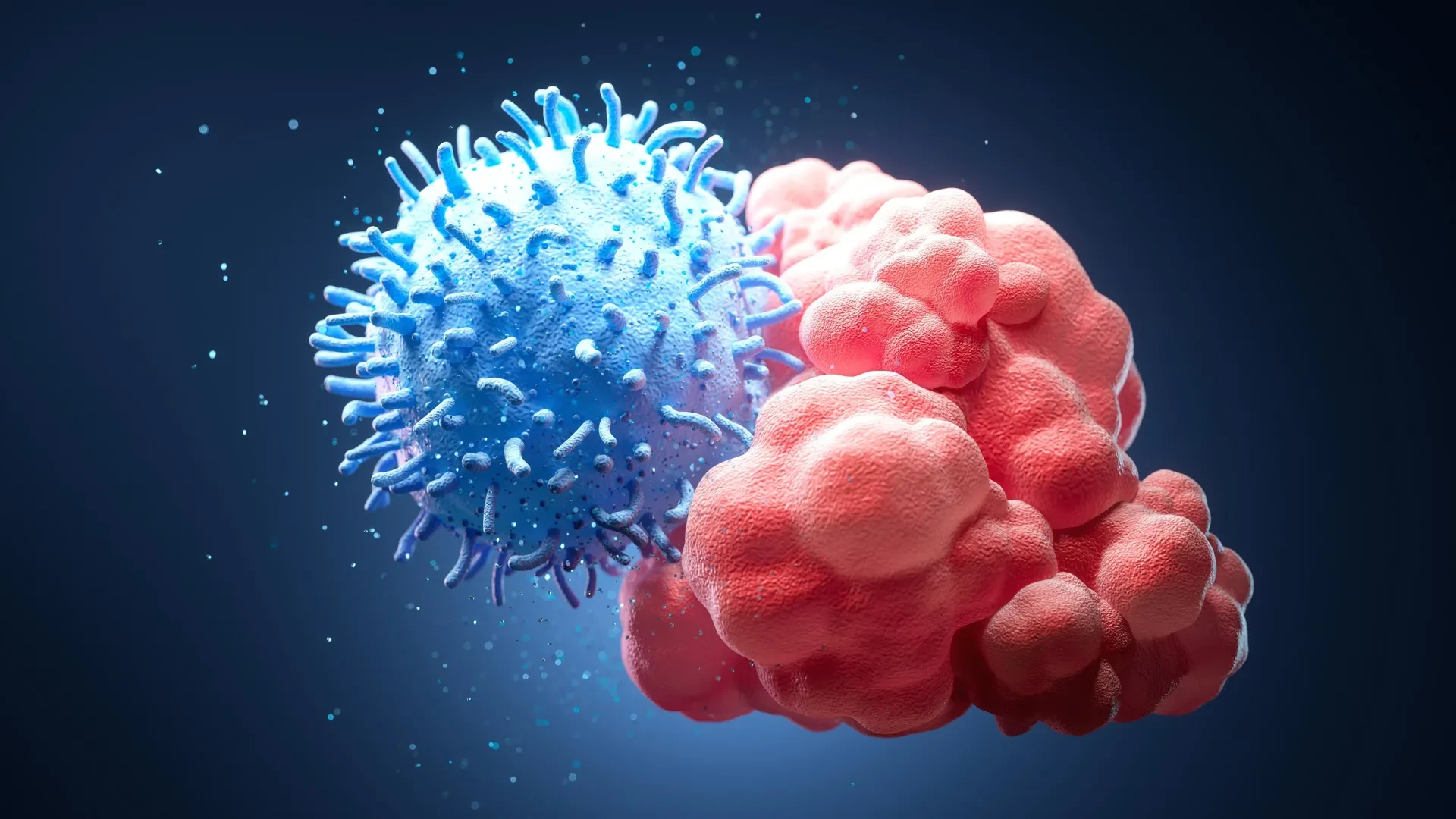
In a paradigm-shifting discovery that challenges decades of immunological dogma, a multidisciplinary team of scientists at McGill University has revealed that immune cells possess a hitherto unknown mechanical sensitivity. Long thought to be governed exclusively by biochemical cues—such as cytokines, chemokines, and antigen recognition—tissue-resident memory T cells have now been shown to actively perceive and respond to the physical stiffness of their surrounding microenvironments.
Published in the prestigious journal Nature Immunology, this groundbreaking study demonstrates that T cells can "feel" the physical architecture of the tissues they inhabit, utilizing this mechanical feedback to determine whether they develop into long-lasting protective memory cells. This revelation fundamentally transforms our understanding of immune system adaptability and longevity. By proving that mechanical forces act as active agents in cell fate decisions, the research bridges two historically disparate fields: immunology and mechanobiology.
The implications of this discovery stretch far beyond basic cellular biology. By understanding how mechanical cues dictate T cell survival and differentiation, researchers can unlock novel therapeutic avenues across a wide spectrum of medical disciplines. From engineering more effective cancer immunotherapies capable of breaching dense, fibrotic tumor matrices to developing targeted interventions for autoimmune disorders, chronic allergies, and transplant rejections, the McGill study opens a promising new frontier in modern medicine. As laboratories worldwide begin to investigate the precise molecular sensors responsible for this mechanical transduction, the medical community stands on the brink of a new era where physical forces are harnessed as systematically as chemical drugs to combat human disease.
Detailed Chronology: Unraveling the Mechanosensory Capabilities of T Cells
Challenging the Biochemical Paradigm
For generations, modern immunology was built upon a biochemical foundation. When scientists mapped how the body builds immunological memory—the cornerstone of long-term protection against recurring pathogens—the focus was invariably directed toward chemical signaling cascades. Researchers meticulously cataloged how signaling proteins, interleukins, and surface receptors directed naive T cells to differentiate into effector cells or long-lived tissue-resident memory T cells ($T_RM$). These specialized immune sentinels take up permanent residence in barrier tissues like the skin, lungs, and gut, standing guard to mount an immediate, localized defense upon reinfection.
However, a persistent puzzle remained within the field. Why did certain T cells successfully transition into stable, long-term residents while identical cells in neighboring microenvironments withered or failed to establish residency? Traditional biochemical assays could not fully account for these disparities.
Enter the cross-disciplinary team at McGill University. Suspecting that the physical microenvironment might play a more decisive role than previously appreciated, the researchers hypothesized that immune cells do not merely drift passively through bodily tissues. Instead, they theorized that T cells actively interact with the mechanical properties of the extracellular matrix (ECM)—the complex structural network surrounding cells that provides both biochemical and physical support.
Designing the Experimental Matrix
To test whether physical surroundings could influence T cell behavior independent of chemical signaling, the research team—drawing expertise from McGill’s Department of Physiology, the Alan Edwards Centre for Research on Pain, the Department of Bioengineering, and the McGill University Health Centre, alongside international collaborators in the Netherlands and the United States—devised a rigorous experimental model.
The scientists procured immune cells harvested from both human donors and murine (mouse) models. To isolate physical forces from confounding biochemical variables, they engineered specialized, tunable collagen gels designed to mimic the varying degrees of stiffness found across different physiological tissues in the human body. Collagen, a primary structural protein of the extracellular matrix, provided an authentic physical scaffold.
By adjusting the cross-linking density of the collagen matrices, the researchers created a spectrum of environments ranging from soft, compliant matrices (resembling certain healthy mucosal tissues) to exceptionally stiff, rigid environments (characteristic of fibrotic tissue, scarred areas, or dense tumor microenvironments).
The Breakthrough Observation
When human and mouse T cells were introduced into these calibrated collagen matrices, the results defied conventional immunological expectations. As the physical stiffness of the surrounding gel increased, a distinct and consistent behavioral shift occurred within the T cell populations.
The cells placed in stiffer microenvironments were significantly more likely to upregulate markers and acquire functional characteristics associated with tissue-resident memory T cells. Conversely, cells cultured in softer matrices failed to undergo this mechanical conditioning to the same degree. This direct correlation between matrix rigidity and the acquisition of long-term memory phenotypes provided the first concrete evidence that mechanical forces actively dictate T cell fate.
Furthermore, the data indicated that surviving within mechanically demanding, high-tension tissues requires structural adaptation. T cells exposed to stronger mechanical forces adapted their internal cytoskeletal structures to withstand the physical stress, a process vital for their long-term survival and persistence in tissues.
Supporting Context & Metrics: The Intersection of Immunology and Biophysics
To fully appreciate the weight of the McGill discovery, one must examine the convergence of the methodologies, institutions, and financial engines driving this research.
Collaborative Scope and Interdisciplinary Synergy
The complexity of studying cellular mechanobiology requires specialized expertise that spans multiple scientific domains. The McGill-led study represents a masterclass in collaborative research, bridging diverse academic and clinical departments:
- Department of Physiology: Provided the core immunological framework and conceptual leadership regarding T cell activation and differentiation dynamics.
- Alan Edwards Centre for Research on Pain: Contributed advanced methodologies in tissue mechanics and sensory transduction.
- Department of Bioengineering: Engineered the precise, tunable collagen matrices required to simulate varying physiological stiffnesses.
- McGill University Health Centre (MUHC): Facilitated the translational bridge, supplying human tissue samples and clinical context.
- International Partners: Collaborating institutions in the Netherlands and the United States provided external validation, specialized assay techniques, and cross-species comparative datasets.
Financial Backing and Research Grants
High-impact, foundational research requires substantial, sustained investment. The McGill study was made possible through competitive grants awarded by prestigious national and international funding bodies:
| Funding Agency | Program / Initiative | Focus Area |
|---|---|---|
| Human Frontier Science Program (HFSP) | Frontier Research Grants | Support for international, high-risk/high-reward interdisciplinary collaborations in the life sciences. |
| Canadian Institutes of Health Research (CIHR) | Project Grants | Funding foundational biomedical research concerning human immune function and cellular biology. |
| Canadian Foundation for Innovation (CFI) | Research Infrastructure Fund | Providing advanced bioengineering and imaging equipment used to construct the collagen gel matrices. |
| Natural Sciences and Engineering Research Council (NSERC) | Discovery Grants | Supporting fundamental investigations into the mechanical properties of biological materials. |
| U.S. National Institutes of Health (NIH) | Specialized Biomedical Research Awards | Funding cross-border validation studies and translational oncological applications. |
Official Statements and Expert Perspectives
The profound implications of the study have drawn commentary from key figures within the research consortium, highlighting both the theoretical elegance of the findings and their immense translational potential.
"This is an exciting fundamental finding that challenges the way we think about immune cells,"
— Dr. Judith Mandl, Lead Author and Professor, McGill Department of Physiology.
Dr. Mandl emphasized that the discovery fundamentally redefines how immunologists view the cellular microenvironment. For decades, the tissue matrix was viewed as a passive backdrop—a silent scaffold through which immune cells migrated. The McGill study shatters this passive view, proving that cells "feel" their surroundings and dynamically alter their functional programming in response.
"Tumors are often dense and physically difficult for immune cells to penetrate. Understanding how T cells adapt to these environments could help researchers design cancer immunotherapies that are better able to reach and attack tumors,"
— Dr. Judith Mandl, on the oncological applications of the research.
This perspective is particularly vital in the context of solid tumors. Many aggressive cancers—such as pancreatic ductal adenocarcinoma and triple-negative breast cancer—are characterized by dense desmoplastic stroma (excessive scar-like tissue deposition). This physical barrier historically excludes infiltrating lymphocytes, rendering chimeric antigen receptor (CAR) T-cell therapy and immune checkpoint inhibitors largely ineffective. By decoding how T cells sense and adapt to such mechanical resistance, bioengineers and immunologists can begin developing engineered T cells equipped with enhanced mechanical resilience.
Future Outlook: Transforming Cancer Treatment, Autoimmunity, and Beyond
As the scientific community digests the implications of the Nature Immunology publication, the research team at McGill University is already looking toward the horizon. The study’s conclusions open multiple distinct pathways for future investigation and clinical translation.
1. Identifying the Molecular "Sense of Touch"
The immediate scientific priority is to isolate the exact molecular machinery responsible for cellular mechanosensation. While researchers have established that T cells detect tissue stiffness, the precise mechanoreceptors—whether specialized integrin complexes, ion channels sensitive to membrane tension, or cytoskeletal linker proteins—remain to be fully characterized.
By pinpointing the specific proteins that convert mechanical forces into biochemical signaling cascades (mechanotransduction), scientists hope to identify master regulator pathways that can be pharmacologically manipulated. Understanding this conversion mechanism will explain how the immune system establishes enduring immunological memory at a molecular level.
2. Revolutionizing Cancer Immunotherapy
Solid tumors present one of the greatest challenges in modern oncology due to their physical architecture. Extracellular matrix stiffness within tumors exerts physical compressive forces on blood vessels and migrating immune cells, causing T cell exhaustion and dysfunction.
Armed with McGill’s findings, bioengineers can now design next-generation CAR-T cells that are genetically modified to thrive in high-stiffness environments. By artificially boosting the mechanosensory pathways identified in the study, future therapies can ensure that engineered T cells do not stall at the periphery of dense tumors, but instead penetrate, survive, and eradicate malignant cells within the core.
3. Managing Autoimmune Diseases, Allergies, and Transplants
Conversely, there are pathological states where dampening T cell residency and survival is the primary clinical objective. In autoimmune conditions such as rheumatoid arthritis, inflammatory bowel disease, and multiple sclerosis, autoreactive tissue-resident memory T cells accumulate in specific organs, driving chronic inflammation and tissue destruction.
Furthermore, in organ transplantation, host T cells infiltrating the graft often establish residency, leading to chronic rejection. If researchers can understand how mechanical cues promote $T_RM$ formation, they may be able to develop targeted therapeutics that disrupt this mechanical adaptation, causing pathogenic T cells to detach, disperse, or undergo apoptosis rather than establishing destructive, long-term residence in healthy tissues.
Conclusion
The discovery made by McGill University scientists marks a watershed moment in immunology. By proving that T cells possess a functional "sense of touch" that dictates their destiny, the research bridges the gap between mechanical engineering and cellular immunology. As this field of mechanobiology matures, it promises to yield a sophisticated new class of therapies that utilize the physical laws of the human body to heal it.