As the United States hurtles toward a contentious and pivotal midterm election cycle, a familiar yet increasingly dangerous shadow looms over American democracy: the systematic sowing of doubt regarding the legitimacy of democratic institutions. With polls indicating razor-thin margins that could radically shift the balance of power in both the House and the Senate, former President Donald Trump and his political allies are actively laying the groundwork to contest adverse outcomes.
Simultaneously, the broader cultural and media landscape is experiencing high-stakes friction. From sports media titans clashing with universities over safety and online harassment, to high-profile journalistic dismissals, broadcast television viewership drops, and controversial executive decisions in professional women’s basketball, the intersection of media, power, and public perception has never been more volatile. This report provides an exhaustive, multi-faceted analysis of the forces shaping the current sociopolitical and media ecosystem.
Detailed Chronology: The Midterms, the Media Wars, and Cultural Flashpoints
The Midterm Election Shadow: Priming the Electorate
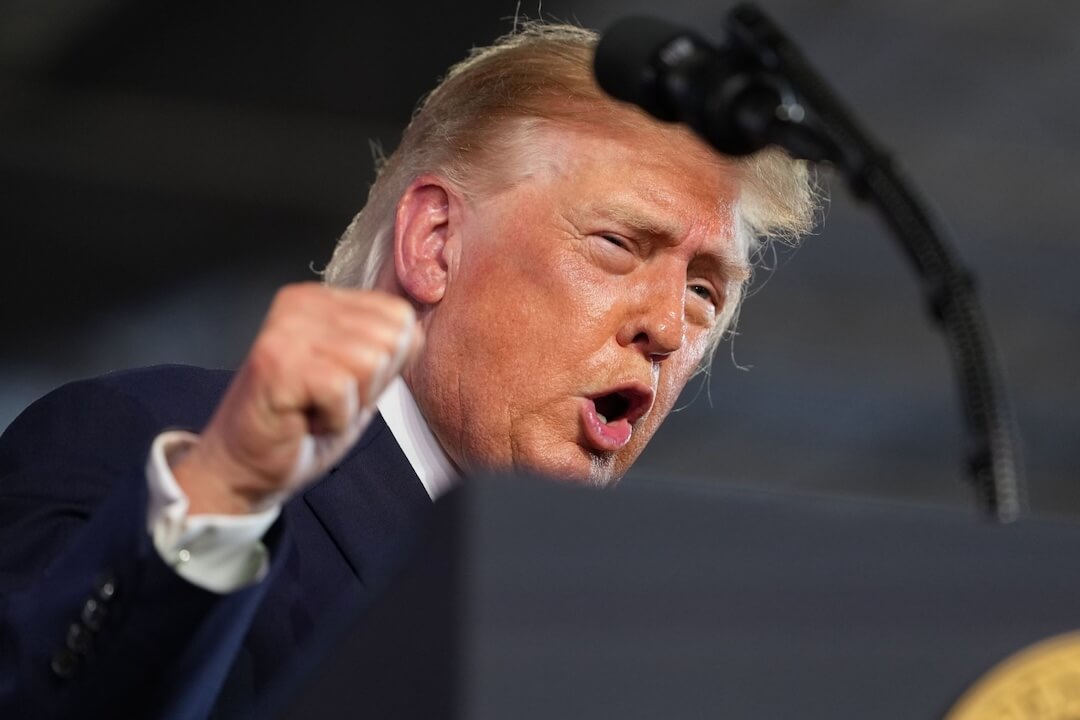
With less than a week remaining before the midterm elections, national anxiety is reaching a fever pitch. Polling data suggests that Democrats hold a viable path toward reclaiming the House of Representatives and potentially retaining or expanding their footprint in the Senate. Recognizing this vulnerability, President Donald Trump and right-wing political influencers have launched a coordinated messaging campaign aimed at undermining public trust in the electoral process.
Investigative reporting from The Washington Post highlights a relentless stream of rhetoric designed to prime Republican supporters to reject potential losses. Court challenges telegraphing preemptive lawsuits, coupled with a barrage of digital media content, have focused heavily on unsubstantiated claims regarding noncitizens casting ballots and mail-in voting vulnerabilities.
When pressed directly on a campaign stop in Texas regarding whether he would respect the election results regardless of the outcome, Trump offered a conditional response: "I will — if they are honest elections, yep." This framing places the ultimate arbiter of electoral honesty squarely in the hands of a candidate and movement with a vested interest in the outcome, amplifying public distrust. According to a joint Washington Post-ABC News-Ipsos survey, roughly 70% of Americans lack confidence that Trump would accept a Republican defeat, even as broad majorities of both Democrats and Republicans express baseline faith in the accuracy of their local votes.
ESPN, Pat McAfee, and the Escalating Safety Crisis
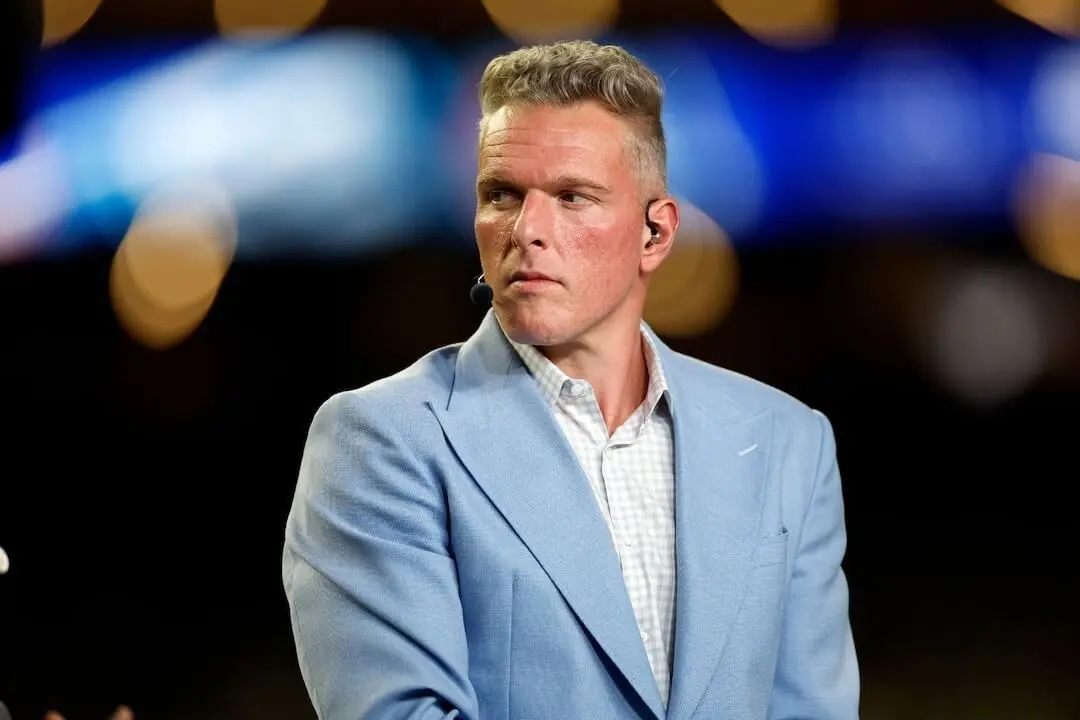
In the realm of sports broadcasting, ESPN’s College GameDay star Pat McAfee found himself at the center of a national media storm following an appearance at the University of Utah. Irked by a lighthearted promotional video released by a student-run social media account that poked fun at his on-screen persona, McAfee launched into an emotional on-air and digital tirade. He openly questioned the wisdom of the university highlighting him given recent violent political incidents in the state, remarking on his show, "I’m getting a lot of shrapnel from a lot of places… It made me feel a little bit weird."
While the University of Utah swiftly issued an apology to appease one of network television’s most bankable stars, media critics zeroed in on the fragility of the College GameDay dynamic. However, deeper reporting from Front Office Sports revealed a far more ominous underlying reality: McAfee is the target of regular, severe threats, including death threats. Sources indicated that following the shooting death of political commentator Charlie Kirk, the FBI advised McAfee to wear a bulletproof vest.
In response to the controversy, ESPN forcefully backed its talent, emphasizing that the physical safety and security of its on-air personalities, crew, and fans remain paramount. Meanwhile, McAfee revealed he had flatly declined an overture from CBS’s 60 Minutes to profile him, cementing his deep skepticism of mainstream journalistic outlets.
Controversies in Independent Journalism and Broadcasting
The media industry faced internal reckonings on multiple fronts. L.A. Taco, a James Beard Award-winning independent publication, terminated one of its premier journalists, Memo Torres—known for his extensive coverage of immigration enforcement actions—citing repeated violations of internal editorial policies and professional standards. Torres countered via a Substack publication, characterizing his firing as part of a targeted smear campaign intended to delegitimize his reporting and personal character, while addressing public scrutiny over his personal life.
Concurrently, traditional network broadcasting continues to face structural headwinds. CBS’s flagship news magazine 60 Minutes registered a shockingly low viewership of just 5.64 million, driven largely by a lack of a competitive lead-in from early NFL window games and stiff late-afternoon competition from Fox Sports. Industry analysts noted it as one of the program’s smallest audiences in recent history, though schedulers anticipate a rebound with a high-profile Kansas City-Denver NFL lead-in.
Supporting Context & Metrics
To fully comprehend the scale of these developments, quantitative metrics underscore the systemic shifts occurring across political and media ecosystems:
Electoral Skepticism Amplification: A comprehensive analysis by The Washington Post revealed that nearly 600 high-profile right-wing social media accounts, podcasts, and digital platforms published upward of 7,000 statements questioning election integrity within a single calendar year—representing a doubling of such messaging compared to the 2024 cycle.
Partisan Divergence on Security: Data from the Pew Research Center indicates a stark partisan divide regarding structural security: only 45% of Republican-leaning voters express confidence that noncitizens will be successfully blocked from voting, compared to 90% of Democratic-leaning respondents.
Ratings Slump: The 5.64 million viewership figure for 60 Minutes illustrates the precarious nature of linear television ratings when decoupled from prime NFL broadcast lead-ins.
WNBA Scheduling Debacle: The WNBA faced severe backlash after scheduling Game 6 of the league finals for a Thursday afternoon at 12:30 p.m. Eastern Time. Forced out of their primary playoff venue due to an NBA scheduling conflict at State Farm Arena, the league bypassed alternative solutions in favor of a weekday afternoon slot—a decision fiercely criticized by journalists and fans alike as catastrophic for league growth and fan engagement.
Official Statements
"President Donald Trump and his allies have spent the final weeks before the midterms showering his supporters with a relentless stream of doubt about the legitimacy of the election, priming them to question results if Republicans lose."
— The Washington Post Investigative Team
"The safety and security of our on-air team, crew and fans is paramount at College GameDay. We are committed to ensuring a safe environment, and given the very real threats that members of our team face, we take issues involving their safety seriously."
— ESPN Spokesperson
"For several years, we’ve had the privilege of working closely with Jay-Z and Roc Nation, and I’ve seen the extraordinary impact he has had on the Super Bowl Halftime Show… I couldn’t be more excited for fans around the world to experience the artistry, creativity and cultural impact he will bring to the Super Bowl stage."
— NFL Commissioner Roger Goodell(Commenting on Jay-Z and Roc Nation’s selection of Jay-Z as the upcoming Super Bowl halftime performer)
"Someone may win a WNBA championship after tipping off at 12:30 p.m. on a weekday, and that someone may be a team from the West Coast whose extremely devoted fans can just about squeeze breakfast in beforehand. Inexcusably obtuse planning, astoundingly bad optics, and most of all a wildly crappy thing to do to the people who consume your product."
— Brian Hamilton, The Athletic
Future Outlook
As the United States moves past the immediate hurdle of the midterm elections, the institutional fallout from pre-election rhetoric will likely cast a long shadow over governance. If projected shifts in legislative power materialize, the degree to which political actors accept certified results will serve as a critical stress test for American democratic resilience.
In the sports and entertainment spheres, high-profile figures like Pat McAfee will continue to navigate the uneasy boundary between hyper-personalized digital media influence and traditional institutional exposure, forcing networks to balance talent appeasement with acute security realities. Meanwhile, cultural properties like the upcoming Super Bowl Halftime Show—steered by Roc Nation—demonstrate that cultural curation remains firmly in the hands of creative moguls, even as traditional sports leagues like the WNBA grapple with foundational logistical failures that threaten to overshadow historic athletic achievements.
Ultimately, the convergence of these events signals an era where public trust—whether in ballot boxes, journalistic integrity, or broadcast institutions—is the most contested and volatile commodity in modern society.