

Executive Overview
In an era defined by hyper-connected digital landscapes and fragmented media ecosystems, local newsrooms face a formidable adversary: the rapid, unchecked proliferation of misinformation and targeted disinformation campaigns. No longer confined to national partisan squabbles or global geopolitical operations, digital deception has localized. Bad actors increasingly deploy manipulated videos, deceptive text-message blasts, and viral social media memes to distort public policy debates, sway local elections, and erode community trust in foundational public institutions.
This evolving crisis is the focal point of the Indianapolis Public Editor project, a pioneering grant-funded pilot initiative administered by the Poynter Institute. Designed to test whether the active presence of an independent public editor can bolster audience trust and elevate media literacy, the project provides a crucial window into the daily operational challenges confronting modern local journalists.
At outlets like Mirror Indy, the mandate for reporters has expanded far beyond traditional beat reporting. Journalists are no longer mere chroniclers of city council meetings and school board votes; they have increasingly become front-line fact-checkers, wading into murky digital ecosystems to correct the public record, debunk viral falsehoods, and demystify the journalistic process itself. This in-depth report examines how Indianapolis newsrooms are confronting deceptive campaigns head-on, the shifting responsibilities of the modern press, and the actionable tools local residents can leverage to navigate an increasingly complex information environment.
Detailed Chronology: Anatomy of a Local Disinformation Campaign
To understand the tactical evolution of local disinformation, one need look no further than an incident that rattled Indianapolis public education circles last year.
The School Board Controversy and Deceptive Text Blasts
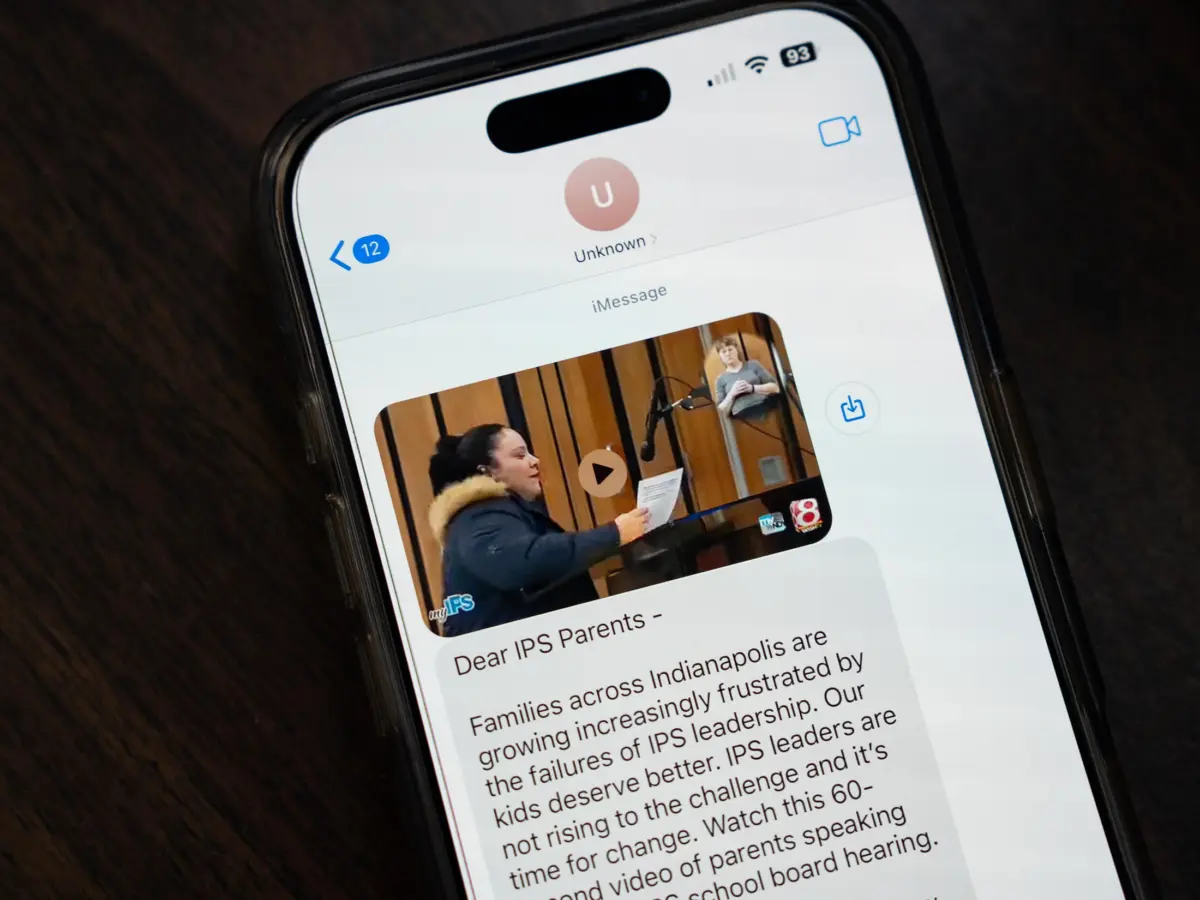
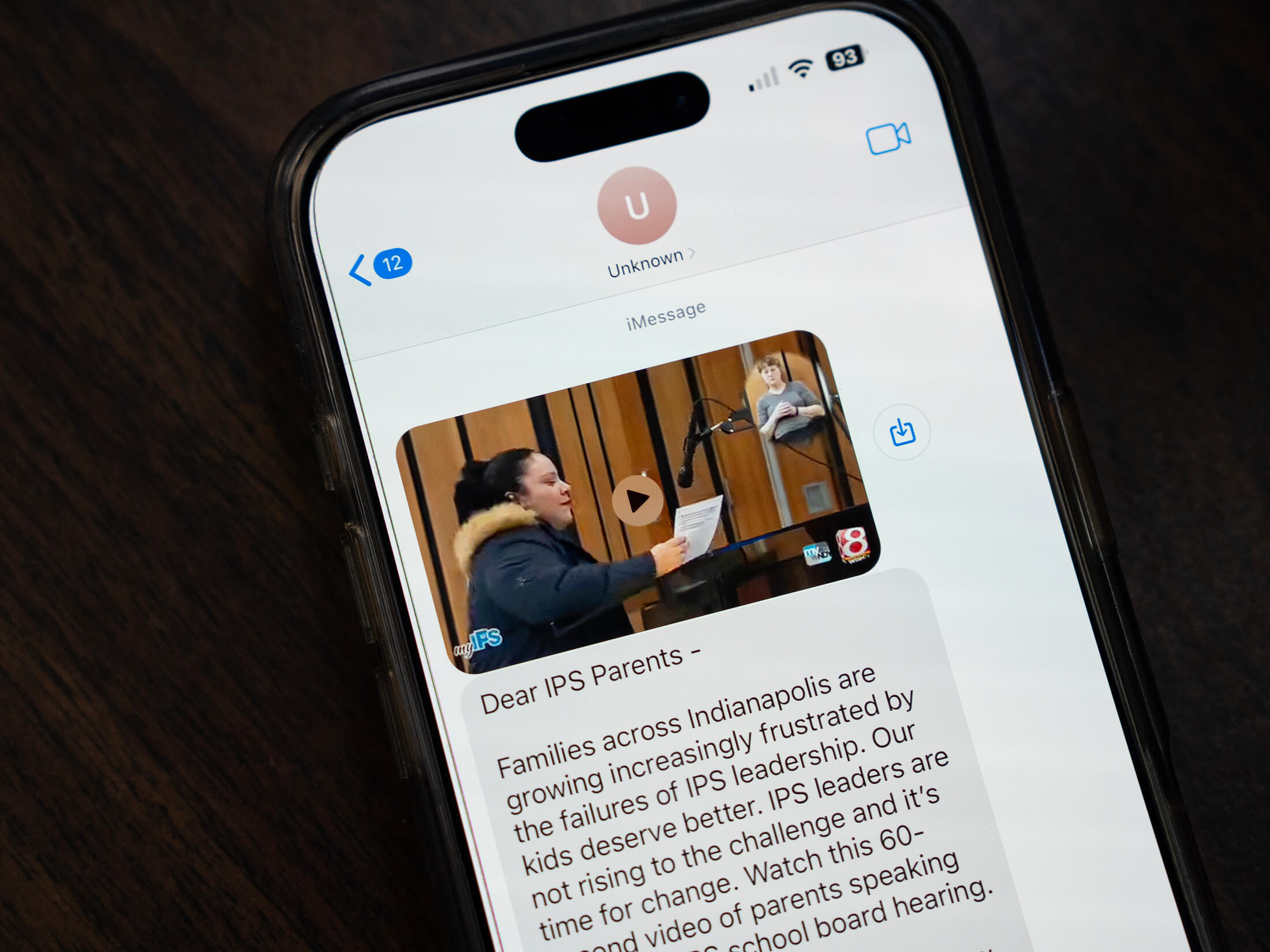
As Indianapolis Public Schools (IPS) leadership prepared to make a high-stakes, comprehensive case to the state legislature for increased funding, parents across the city were suddenly bombarded with unsolicited text messages. These texts featured a sharply critical video targeting the district superintendent.
Upon closer inspection by education watchdogs, the video was revealed to be a deceptively edited compilation of public comments recorded during school board meetings. Snippets of citizens expressing routine governance concerns were spliced together and repackaged to manufacture an artificial narrative of widespread public outrage against school leadership. The timing—coinciding precisely with crucial legislative budget deliberations—signaled a deliberate, coordinated effort to undermine the superintendent’s credibility and weaken the district’s legislative leverage.
The Investigation: Chasing Ghosts in the Digital Undergrowth
Carley Lanich, a veteran K-12 education reporter with Mirror Indy possessing more than eight years of journalistic experience, recognized the text message campaign for what it was: a calculated disinformation operation designed to manipulate public opinion.
Lanich immediately launched an investigative effort to unmask the orchestrators behind the text blasts. She scoured public records, interviewed digital communications experts, and attempted to trace the origin point of the messaging infrastructure. However, operating within an environment of masked phone numbers, shell entities, and encrypted platforms, Lanich ultimately hit a brick wall. She was unable to definitively expose the financial backers or individual operators behind the deceptive campaign.
Reframing the Narrative: Truth Over Attribution
Faced with an attribution dead end, Lanich and her editors confronted a critical journalistic dilemma: Should the story be abandoned because the ultimate culprit could not be named?
Recognizing that leaving the vacuum filled by bad information would actively harm the public, Mirror Indy pivoted its reporting strategy. Instead of focusing exclusively on who sent the messages, Lanich focused on what the messages distorted.
The resulting investigative piece provided essential context regarding the edited video clips, clearly demarcating what was real and what had been fabricated. More importantly, Lanich utilized polling data and interviews with diverse community stakeholders to establish an accurate baseline of public opinion concerning the school district superintendent.
"We wound up with a story that tried to provide context for what was seen in the video texted to Indy residents, but also show that we at least attempted to run down where this had come from and express that we still don’t quite know," Lanich explained. "But we do know what is true and accurate about what people’s opinions are of the school district superintendent."
Supporting Context & Metrics: The Shifting Responsibilities of the Press
The IPS text message incident is not an isolated anomaly; it represents a fundamental structural shift in the daily routines of local newsrooms. Monitoring, evaluating, and neutralizing digital rumors has transformed from an occasional task into a core operational pillar for modern local journalism.
The Rise of Proactive Debunking
Newsrooms across Indianapolis are allocating substantial editorial resources to track viral misinformation across neighborhood groups, messaging apps, and social media platforms. Editors and reporters maintain active surveillance protocols, scanning comment sections and digital forums to gauge where community understanding is being compromised.
This reactive-to-proactive evolution manifests in several ways:
- Real-Time Comment Intervention: Rather than letting misconceptions fester in social media comment sections, reporters are actively engaging with readers. By stepping into comment threads with verified facts derived from their reporting, journalists can halt the spread of misinformation at its inception.
- Radical Process Transparency: To combat declining institutional trust, Mirror Indy has embraced radical transparency. Stories now routinely begin with explicit explanations of why the newsroom is investigating a particular topic. Reporters frequently publish behind-the-scenes videos on Instagram and other platforms detailing how many sources they interviewed, which public records they pulled, and what specific developments triggered their coverage.
- Service Journalism Integration: Service reporters are increasingly tasked with transforming complex public policy and election administration mechanics into accessible, bite-sized public service announcements (PSAs).
Case Study: Safeguarding Democratic Participation
The operational value of this proactive posture was vividly demonstrated during the lead-up to local midterm elections. A viral meme began circulating rapidly across Facebook in Indianapolis, warning residents that if a poll worker marked or initialed their ballot in any way, the vote would automatically be invalidated and discarded.
Recognizing the potential to suppress voter turnout and sow distrust in election administration, Mirror Indy service reporter Sophie Young immediately mobilized. Working in coordination with local election authorities, Young published a targeted PSA on Instagram explicitly debunking the viral claim.
The post clarified a vital procedural truth: Indiana election law explicitly mandates that poll workers must initial official ballots to authenticate them. By intervening swiftly, the newsroom neutralized a potentially damaging falsehood before it could disenfranchise voters or distort public confidence in the electoral process.
Official Statements & Industry Insights
To evaluate the broader implications of these developments, the Indianapolis Public Editor project gathered insights from leading journalists and media ethics scholars regarding the intersection of local press integrity and public media literacy.
Reflecting on the psychological and operational weight carried by modern reporters, Carley Lanich emphasized that media literacy is no longer a peripheral academic subject—it is the bedrock of self-governance.
"Media and information is around us everywhere we turn," Lanich noted. "If we want to be an informed democracy, we need to know where our information is coming from, what the source of that information is, and if those trusted sources are accurate."
Lanich also underscored the delicate editorial calculations required when evaluating unverified claims. Newsrooms must constantly weigh the risk of drawing oxygen to a baseless rumor against the danger of leaving a harmful falsehood entirely unchallenged.
"I feel like it has always been a part of our job to pay attention to social media, to pay attention to, in this case, text messages, but to pay attention to what’s being communicated in our community," Lanich said. "I think it’s always been important for us to use our news judgment about when to elevate rumors and when to step in and correct things, versus when to just let a rumor be a rumor."
Supporting these front-line observations, Tracey Compton, the Indianapolis Public Editor with the Poynter Institute, stresses that building a resilient media ecosystem requires a collaborative pact between journalists and the communities they serve. Compton’s ongoing project aims to bridge the persistent gap between newsrooms and audiences, utilizing structured feedback loops, community speaking engagements, and public education initiatives to demystify how journalism is gathered, vetted, and published.
Future Outlook & Actionable Tools for Media Consumers
As generative artificial intelligence, sophisticated deepfakes, and targeted micro-targeting tools become more accessible to bad actors, the volume of digital deception is projected to accelerate. In this environment, relying solely on newsrooms to police the entire information highway is unsustainable. Cultivating civic resilience demands that every news consumer become an active, critical participant in verifying the information they encounter.
To empower Indianapolis residents to independently verify claims and evaluate digital content, media literacy experts recommend adopting a specialized toolkit grounded in verifiable research methodologies.
1. Leverage Primary Government Records
When encountering sensational claims regarding public policy, government spending, or local officials, citizens should bypass secondary interpretations and consult primary sources directly.
- Channel 16’s Searchable Archive: The City of Indianapolis and Marion County maintain comprehensive, searchable video archives of public meetings spanning the last 60 days via Granicus. This repository includes complete proceedings for the City-County Council, the local Election Board, as well as hospital, library, and airport boards. For records older than 60 days, historical databases remain fully accessible to the public.
2. Practice Lateral Reading
Accepting search engine results or social media feeds at face value is a primary vulnerability exploited by disinformation campaigns. Consumers should utilize lateral reading—leaving the source page to investigate who is behind the information.
- Navigating Search Engines: Be acutely aware that the top results on commercial search engines are frequently paid advertisements designed to mimic legitimate reporting.
- Scrutinizing AI Answers: Exercise extreme caution with AI-generated search summaries. While occasionally accurate, AI tools frequently aggregate and regurgitate the exact unverified rumors or questionable claims circulating on low-credibility websites. Always cross-reference claims against established, historically trustworthy local news institutions.
3. Verify Visuals via Reverse Image Search
Manipulated imagery and out-of-context photographs remain staple tools of digital fabrication.
- Google Lens & Reverse Image Search: Residents can easily copy an image URL or drag and drop a screenshot into Google Lens. This tool instantly traces the digital footprint of a photograph, revealing where it was first published, whether it has been digitally altered, and its original contextual timeline.
4. Engage Directly with Local Journalists
Local newsrooms in Indianapolis are increasingly accessible and eager to engage with community inquiries.
- Direct Channels: Most local outlets publish direct contact information, email directories, and dedicated tip lines in their website’s "About" sections. Mirror Indy, for example, maintains specialized text lines that allow neighborhood and beat reporters to interact directly with citizens.
- Participatory Journalism: Readers are encouraged to continue asking questions, submitting suspicious memes or messages for review, and leaving constructive inquiries in comment sections.
As Tracey Compton emphasizes through the Indianapolis Public Editor project, public input is the ultimate safeguard for local accountability. By combining the rigorous investigative efforts of professional newsrooms with an empowered, media-literate citizenry, Indianapolis can construct a resilient defense against the rising tide of digital deception—ensuring that local democracy remains anchored in verifiable truth.
Do you have questions about Indianapolis’s media ecosystem, or would you like to request a community presentation? Reach out to Indianapolis Public Editor Tracey Compton at [email protected]. Your feedback directly supports the ongoing mission to strengthen independent local journalism.