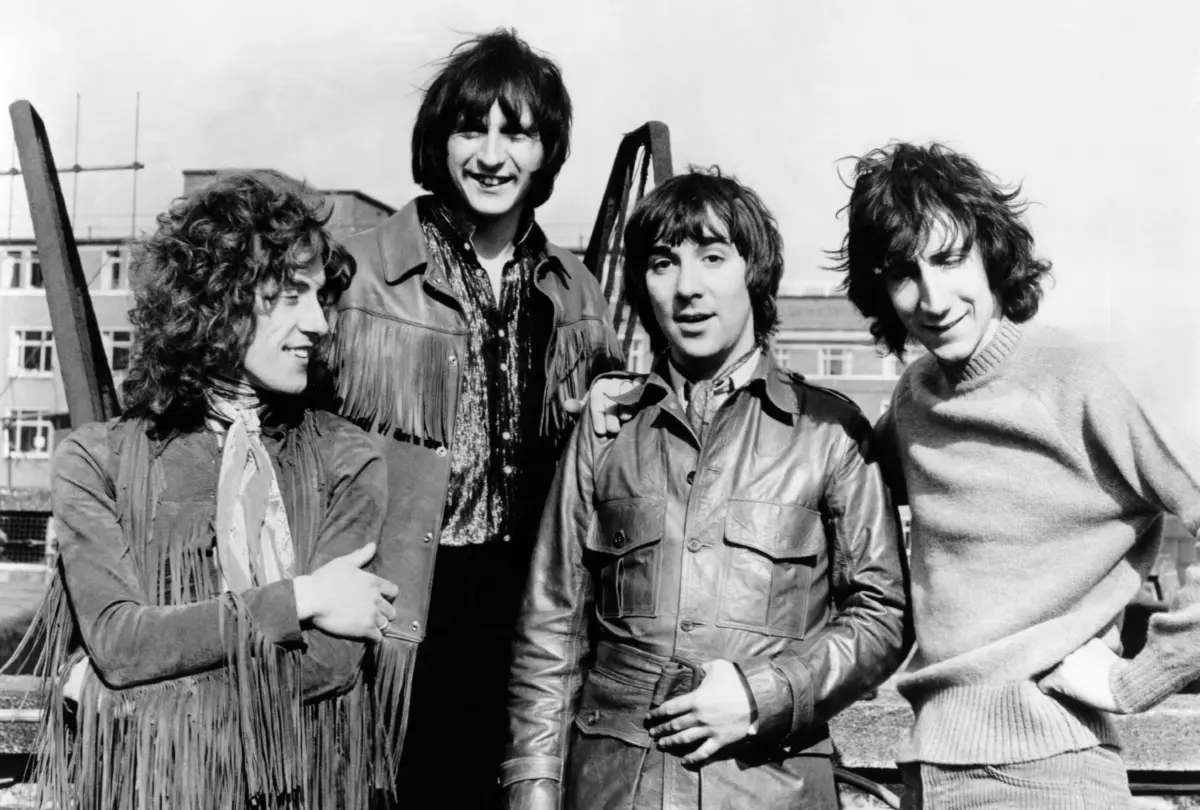
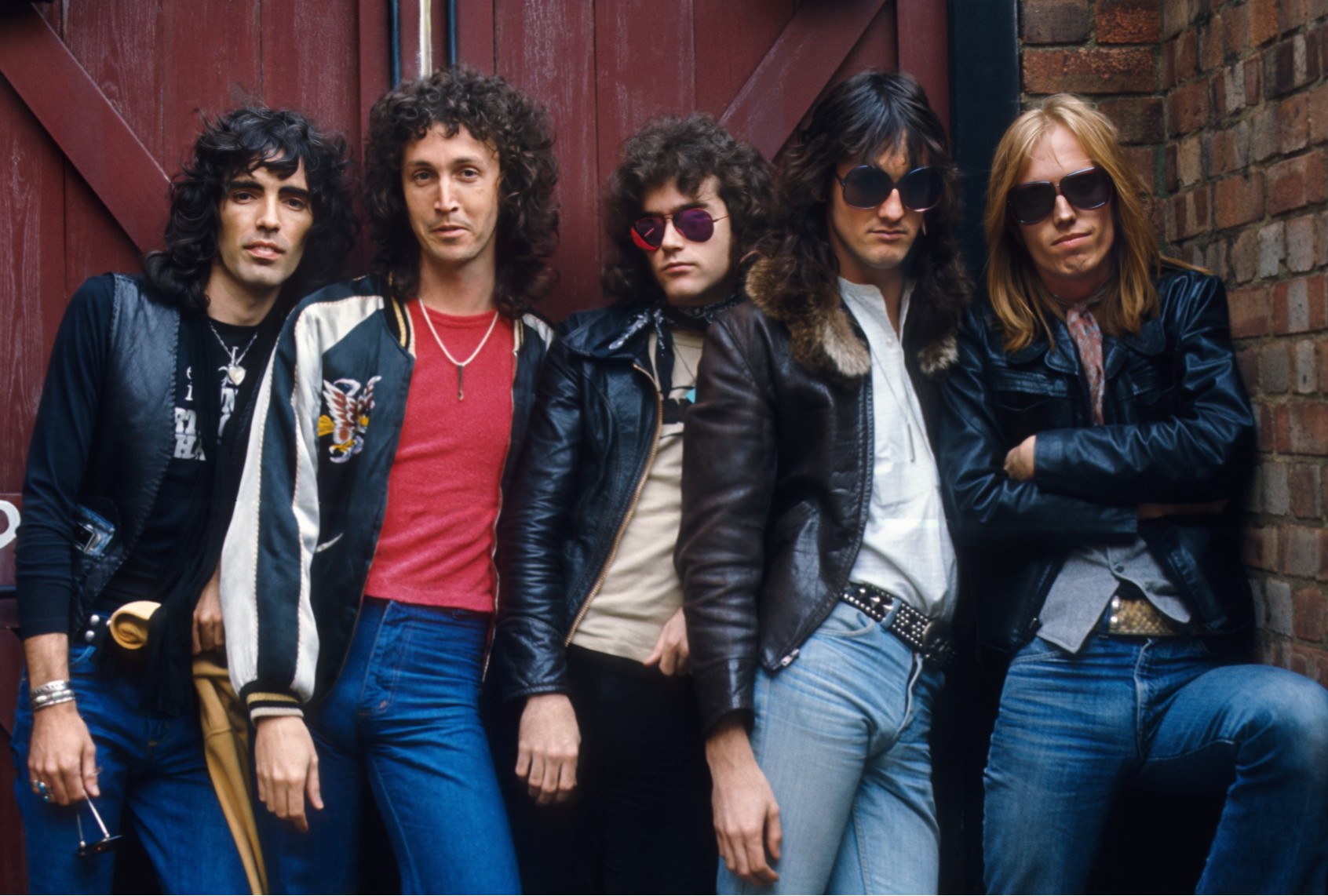
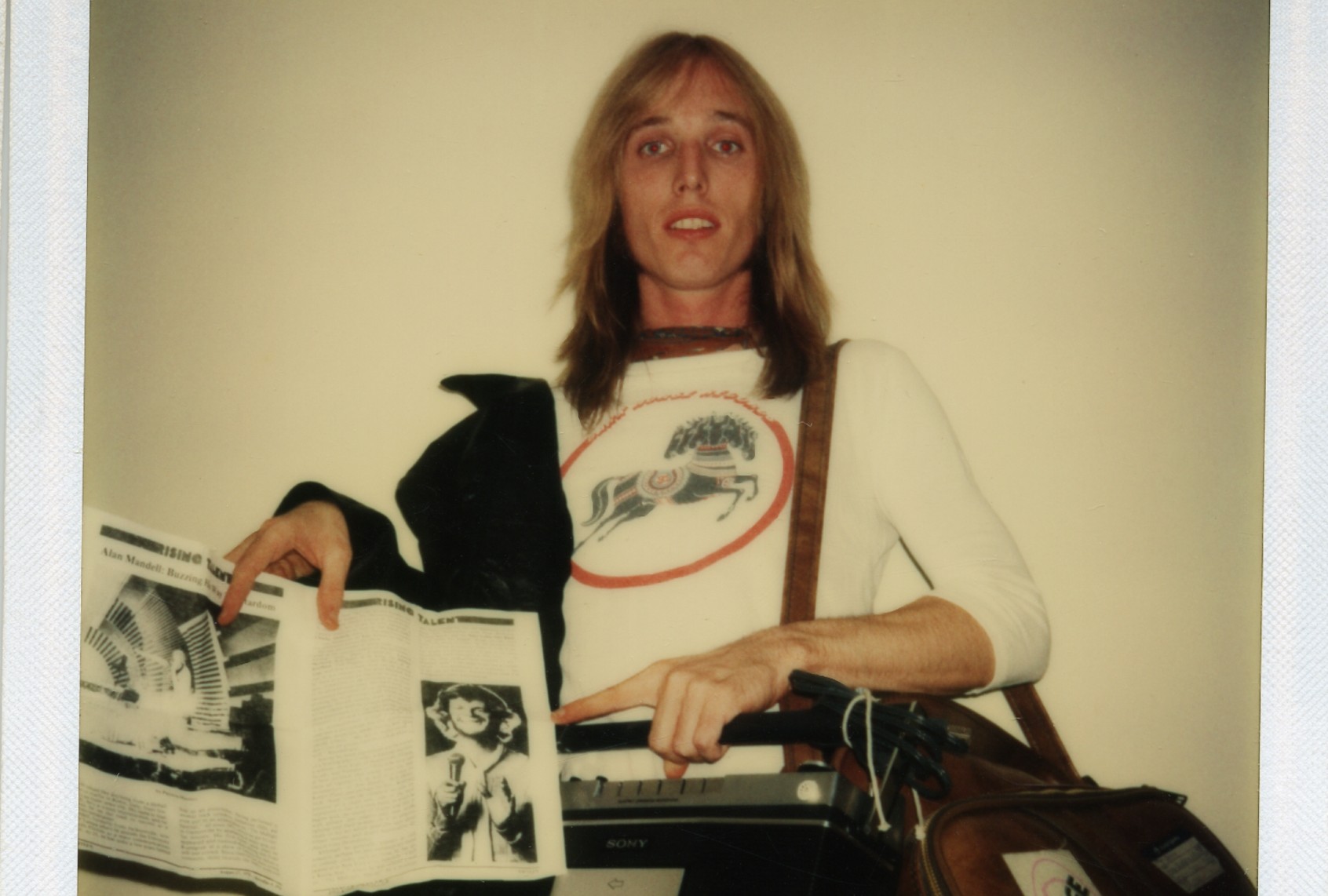
For decades, the classic rock box set has occupied a sacred, if occasionally dusty, corner of the music marketplace. Too often treated as mere packaging exercises designed to fleece nostalgic audiophiles, these multi-disc releases have historically relied on bloated tracklists of repetitive alternate takes, sub-par recordings, and superficial liner notes. However, the holiday season brings a masterclass in how catalog curation should be done. Two monumental releases—Tom Petty and the Heartbreakers’ Origins 1971–1978 and The Who’s The Who By Numbers (50th Anniversary Edition)—demonstrate that archival audio, when handled with rigorous artistic integrity, does not merely revisit history. It brings it back to vibrant, kicking life.
Both releases approach the archeology of rock history from entirely different philosophical vantage points. Tom Petty’s set is an origin story, a meticulously assembled mosaic designed to trace the arduous, brilliant road that led a band of Florida misfits from pre-Heartbreakers obscurity to the Rock and Roll Hall of Fame. Conversely, The Who’s super deluxe edition acts as an exhaustive forensic examination of a single, highly fraught moment in time: 1975, a transitional epoch squeezed directly between the triumphant cinematic cultural wave of Tommy and the band’s impending sunset with legendary drummer Keith Moon.
While their methodologies diverge—Petty’s collection constructs a narrative arc out of raw, previously unreleased sparks, while The Who’s set acts as a complete historical document of an album’s creation and subsequent touring leviathan—both share a common North Star: an unwavering refusal to dilute the artists’ legacies. These are not cynical cash grabs; they are essential masterclasses in sonic preservation.
Detailed Chronology: Tracing the Evolution of Two Rock Titans
Tom Petty and the Heartbreakers: Origins 1971–1978
To understand the scope of Origins 1971–1978, one must understand the stakes. Overseen by Adria Petty through Petty Legacy, the guiding mantra behind the project was simple yet ruthlessly enforced: “It’s not Tom Petty good.” That single benchmark dictated every single inclusion, exclusion, and restoration decision on the outtakes records.
The box set is deliberately structured not as a standard chronological dump, but as an immersive narrative. It opens with unreleased material before funneling the listener into newly mixed and remastered editions of the band’s foundational self-titled 1976 debut and its 1978 follow-up, You’re Gonna Get It!. From there, the journey spirals outward to historical live artifacts, including Live from the Record Plant (broadcast on KSAN-FM in 1977) and a DVD capturing the band’s electrifying appearance on the BBC’s Old Grey Whistle Test.
The real jewel for hardcore fans, however, lies within the discs titled No Sleep Til L.A. and The Cut Out Bin. These tracks are not presented as a dry chronological timeline of demos; instead, they are curated into fully realized, fictionalized album shapes. They capture Petty’s evolution from the Mudcrutch era—his pre-Heartbreakers band featuring future Heartbreakers Mike Campbell and Benmont Tench—starting as early as 1971. They document the grueling, formative days of learning how to write and record in Los Angeles and Tulsa, Oklahoma, where Shelter Records sent them to hone their studio chops without blowing through exorbitant L.A. studio budgets.
Musically, the unreleased cuts shatter the myth that the Heartbreakers arrived fully formed out of nowhere. Tracks like "Parade of Loons" dance on the razor’s edge of new wave, perfectly explaining why the late-70s music industry initially struggled to pigeonhole them. "You’re Gonna Learn" showcases a remarkably assured reggae influence during a period when the genre was barely recognized, let alone embraced, in American rock. Meanwhile, cuts like "Up In Mississippi Tonight" feel like lost outtakes from Exile on Main Street, and "Wild Eyes" and "I Can’t Fight It" pay earnest, successful homage to Bob Dylan—the very artist Petty and the band would find themselves backing on the road a decade later.
The Who: The Who By Numbers (50th Anniversary Edition)
If the Petty box set is an origin story, The Who’s 50th-anniversary treatment of The Who By Numbers is a forensic autopsy of a nervous breakdown. Released originally in 1975, the album arrived as songwriter Pete Townshend approached his 30s, wrestling with deep personal crises, profound alienation, and acute imposter syndrome regarding his place in the rock pantheon.
Archivist Andy Neill has assembled a staggering 92 unreleased audio tracks for this milestone release. The box set follows a traditional, exhaustive architecture: a remastered version of the original album, followed by Townshend’s initial home demos, tracking sessions with the full band, early mixes, and guide vocals. It is rounded out by a riveting 1976 live recording from Swansea—Keith Moon’s final proper show before a U.K. audience—and a complete, digitally cleaned-up video of the band’s legendary concert at the Pontiac Silverdome in December 1975.
Townshend’s demos provide an intimate window into his creative psychology. Hearing him half-speak, half-sing early takes of "Slip Kid" or delicately sketch out "How Many Friends"—a devastating track where Roger Daltrey’s vocal delivery nails an agonizing pathos—reveals an artist wringing art directly out of his own psychological collateral damage.
The "Tracking Sessions" disc offers some of the most golden, fly-on-the-wall moments ever committed to tape. Without the pristine gloss of final production, listeners hear the band members laughing, Glyn Johns offering critical guidance from the control room, and Townshend aggressively complaining about his inability to secure a decent breakfast. It captures a band in flux, transitioning away from the grand rock operas of Tommy and Quadrophenia toward a stripped-down, raw introspection.
Supporting Context & Metrics: The Mechanics of Archival Excellence
Both box sets elevate the physical media experience through exceptional curation, high-fidelity audio engineering, and immersive companion literature.
Feature / Metric
Tom Petty & The Heartbreakers: Origins 1971–1978
The Who: The Who By Numbers (50th Anniversary Edition)
Core Focus
Pre-fame evolution and first two seminal albums (1971–1978).
Forensic examination of the 1975 transitional studio and live era.
Remastered original album, Atmos/Stereo mixes, 92 unreleased audio tracks.
Accompanying Literature
46-page full-color "fanzine" titled Heart Attack.
100-page full-color book featuring liner notes, lyrics, and rare photography.
Key Live Artifacts
Live from the Record Plant (1977) & BBC’s Old Grey Whistle Test DVD.
Swansea live recording (1976) & Pontiac Silverdome complete video (1975).
The audio presentation on both fronts is state-of-the-art. Petty’s box set utilizes modern spatial audio mixes that breathe fresh air into recordings that once sounded compressed by 1970s standards. For The Who, while the Pontiac Silverdome footage relies on a primitive direct-line mono feed captured straight from the PA to accommodate the massive stadium’s 76,896 attendees, the sheer kinetic electricity of the performance effortlessly overrides any technical limitations.
Furthermore, the physical packaging treats the consumer with immense respect. The Who’s inclusion of a lavish, 100-page hardbound book—even within the compact CD configurations—establishes a benchmark for physical media design in an era dominated by ephemeral streaming algorithms.
Official Statements and Industry Insights
The philosophy driving these releases is rooted in protecting and expanding artistic legacies rather than rewriting history. Speaking to cultural journalists, Adria Petty articulated the stringent quality control enforced by Petty Legacy regarding her father’s unreleased vault material:
"Could this be any band? If so, it’s not in there… it’s gotta be something that really adds to the canon or we’re just detracting from the canon."
This sentiment is echoed by keyboardist Benmont Tench in the pages of the Heart Attack fanzine included in the Petty set. Recalling the first time he heard Petty’s pre-Heartbreakers original composition "Unheard Kind of Hero," Tench marveled at the staggering maturity of a teenager’s songwriting:
"I was following Mudcrutch around because they were so good… When I heard ‘Hero,’ I asked a friend who sang it originally. When he was told it was an original, my reaction was, ‘OK, good lord. Because if you listen to that, whether he was 17 or 19 when he wrote it, the storytelling in it is the beginning.’"
On the other side of the Atlantic, Pete Townshend’s candid admissions regarding The Who By Numbers capture the internal friction of an artist grappling with commercial success following the cinematic adaptation of Tommy. Townshend noted his deep-seated reluctance regarding tracks like "Blue Red and Gray"—a ukulele-driven ode to optimism that producer Glyn Johns forced onto the album against the songwriter’s suicidal gloom:
"I find that the hardest thing for me to do as a writer is to express optimism, general warmth and a feeling of good will to all men in a song… It feels trite and I hate it. Here’s me, wanting to commit suicide, and you’re going to put that thing on the record."
Future Outlook: The Enduring Value of Physical Archives
As the music industry continues its relentless march toward frictionless, cloud-based streaming, the market for ultra-deluxe classic rock box sets might initially seem counter-intuitive. Yet, releases like Origins 1971–1978 and The Who By Numbers (50th Anniversary Edition) prove that physical, meticulously curated artifacts offer something algorithms can never replicate: context, narrative weight, and tactile connection.
These box sets serve as vital cultural preservation projects. By resisting the temptation to pad their tracklists with substandard filler, creators and archivists are proving that classic rock acts can still command critical respect and commercial vitality in the 21st century. They invite listeners to step off the fast-paced treadmill of modern trend-chasing and immerse themselves in art engineered to last.
For future generations of music historians and casual fans alike, these collections ensure that the sweat, friction, genius, and humanity behind the music are never lost to the digital ether. Turn them up, open the liner notes, and let history live again.