

Executive Overview
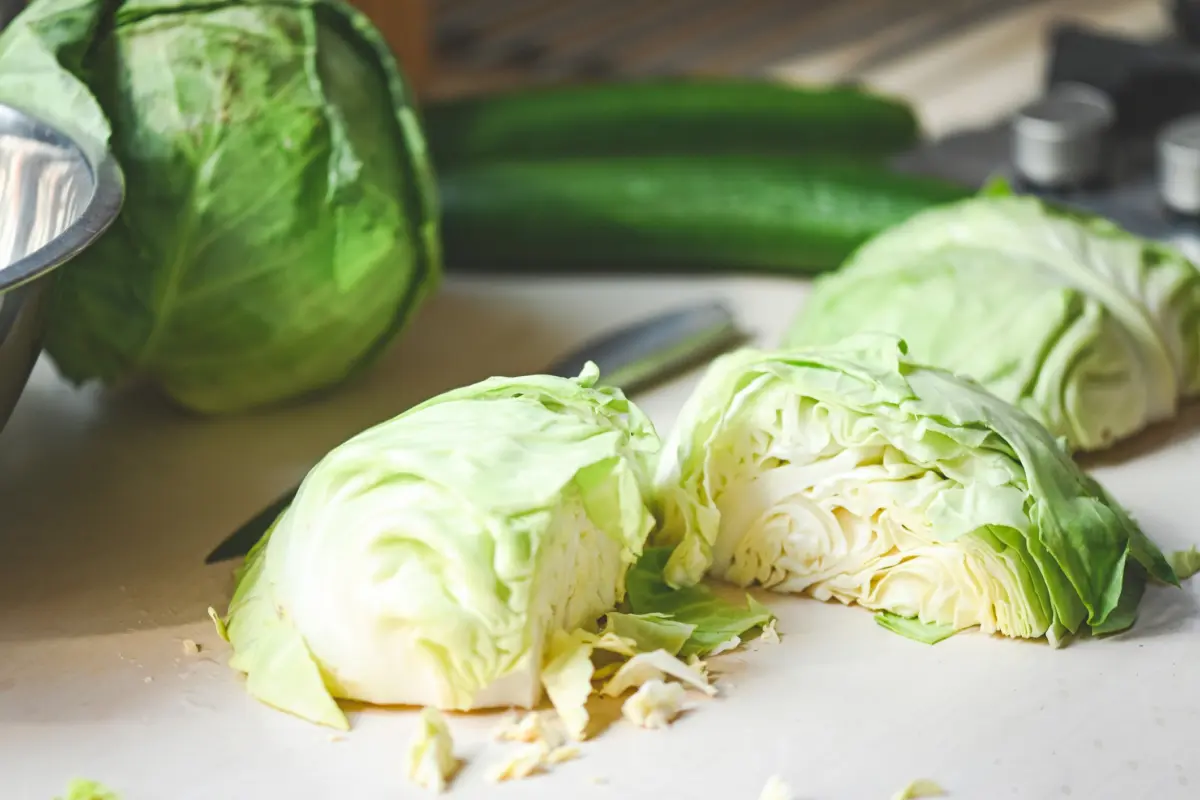
In the modern culinary landscape, the humble green cabbage has long suffered from an identity crisis. Historically relegated to the status of a grim dietary obligation—boiled into submission, coleslaw-bound, or relegated to the side of a corned beef brisket once a year—cabbage has rarely been viewed as the star of the weeknight dinner plate. However, a quiet revolution is taking place in home kitchens across the country, spearheaded by a simple yet transformative culinary pairing: rich, savory miso butter and bright, texturally dynamic lemon-panko breadcrumbs.
This dish bridges the gap between high-concept bistro cooking and the practical demands of a Tuesday night. Requiring just a single head of green cabbage, a handful of pantry staples, and minimal active prep time, this preparation turns an economical vegetable into a luxurious, crave-worthy side dish. By melding the umami-rich depth of Japanese miso with classic French butter-roasting techniques, and crowning the dish with separately toasted, citrus-infused breadcrumbs, home cooks have unlocked a foolproof method for elevating everyday vegetables. This report explores the mechanics of this culinary pairing, the broader trend of low-effort, high-reward vegetable cookery, and why this specific recipe has become a permanent fixture in modern weeknight repertoires.
Detailed Chronology: The Evolution of a Weeknight Staple
The genesis of this culinary favorite did not stem from a formal test kitchen or a corporate product development cycle. Rather, it emerged from the creative daydreaming of a home cook imagining an ideal neighborhood bistro—complete with estate-sale glassware, hand-illustrated menus, and an unapologetically generous bread service.
While the fantasy of running a restaurant comes with notorious financial and operational hurdles, the conceptual R&D yielded a very real, highly practical breakthrough: the realization that green cabbage, when treated with the right flavor profile, could anchor any menu, high or low.
Phase 1: The Matchmaker Approach to Flavor Pairing
The recipe’s development relied on a culinary philosophy akin to introducing guests at a dinner party. If Ingredient A pairs harmoniously with Ingredient B, and Ingredient B loves Ingredient C, a bridge can usually be built between A and C.
The author’s pre-existing adoration for miso butter—a staple known for its salty, deep, and savory umami profile—set the baseline. Paired with cabbage, which naturally softens and sweetens under moderate heat, the baseline experiment was born:
- The Prep: A whole head of green cabbage was chopped and thoroughly coated in rich miso butter.
- The Cook: Roasted at 350°F for approximately 30 minutes, with a single stir halfway through the cooking process.
- The Result: The cabbage softened into silky, yielding folds while developing desirable, caramelized browning at the edges. The butter added unctuous richness, while the miso provided a subtle, complex funk.
Phase 2: Solving the Texture Problem
While the roasted miso cabbage was successful on flavor alone, it lacked a critical gastronomic element: textural contrast.
The initial instinct was to mimic a classic baked mac-and-cheese technique: sprinkling panko breadcrumbs directly over the cabbage during the final minutes of roasting. In theory, this would yield a golden, crunchy crust. In practice, however, the experiment failed. The moisture released by the baking cabbage caused the breadcrumbs to absorb the surrounding fats and liquids, fusing them into a dense, soggy layer over the slick vegetable below. Cutting through it felt heavy rather than delightful.
Phase 3: The Pan-Toasted Breakthrough
The definitive fix required separating the cooking processes. Instead of baking the breadcrumbs, they were crisped separately in a skillet utilizing:
- Olive oil for browning and richness.
- Red pepper flakes for a subtle, warming kick.
- The zest of a whole lemon to provide high-acid brightness.
By spooning these vibrant, separate crumbs over the tender cabbage immediately before serving, every forkful achieved structural harmony: soft, caramelized cabbage juxtaposed with bright citrus flecks and individual, ultra-crispy breadcrumbs that maintained their crunch.
Supporting Context & Metrics: The Economics and Ergonomics of Cabbage
To understand why this dish has cemented itself as a weeknight favorite, one must examine the intersection of economics, food storage, and culinary ergonomics.
Financial and Logistical Metrics
- Cost Efficiency: Green cabbage remains one of the most cost-effective produce items in the global marketplace, typically costing mere cents per pound. A single head can comfortably yield side dishes for a family of four, making the cost-per-serving exceptionally low.
- Shelf Life: Unlike delicate greens such as spinach or arugula, which can wilt and spoil within days, a head of green cabbage possesses a remarkable refrigeration lifespan. It can sit in a crisper drawer for weeks without degrading in quality, making it the ultimate pantry-adjacent fresh vegetable.
- Labor Input: Cabbage requires minimal knife skills. Its dense head can be quickly chopped, wedged, or shredded, and pre-shredded options are widely available for those seeking zero prep time.
The Psychology of Vegetable Consumption
Modern nutritional guidance frequently encourages consumers to incorporate multiple vegetables into daily meals. However, psychological barriers often turn this goal into a chore—a "grim exercise in virtue" rather than an act of culinary pleasure.
Dishes like miso-butter roasted cabbage bypass this psychological resistance. By delivering high-reward flavors with minimal labor, the threshold for adding a vegetable to dinner drops significantly. It transforms the question from "Do I have the energy to prep a side dish?" to an enthusiastic "Oh, hell, why not?"
Culinary Versatility: A Versatile Side for Any Protein
One of the primary metrics of a successful weeknight recipe is its adaptability. A side dish that only pairs with one specific protein quickly cycles out of rotation. Conversely, the miso-butter cabbage has proven remarkably agnostic, seamlessly integrating into a wide variety of meals:
- With Seafood: Served alongside sheet-pan salmon and steamed rice, the savory umami of the miso bridges the rich oils of the fish, while the lemon-panko cuts through the natural weight of the meal.
- With Poultry: Paired with grilled chicken breast and sweet potato coins glazed in maple syrup and orange zest, the cabbage provides a savory anchor that balances sweet and smoky flavor notes.
- With Comfort Food: Eaten alongside a rustic skillet of white beans, sausage, and crusty sourdough bread for dipping, the cabbage acts as a lighter, brighter counterweight to a heavy, hearty dish.
As home cooks test these pairings, the feedback loop remains consistent: the dish easily transitions from a novelty recipe to a weekly default.
Future Outlook: The Trend Toward Low-Labor, High-Impact Home Cooking
As grocery prices fluctuate and busy schedules continue to squeeze the time available for home cooking, culinary trends are shifting away from overly complicated, multi-step weekend projects and toward smart, efficient weeknight wizardry.
The success of dishes like miso-butter cabbage highlights a broader shift in modern food culture:
- Pantry-Powered Global Flavors: Home cooks are increasingly comfortable utilizing pantry ingredients like Japanese miso, gochujang, or harissa to instantly elevate inexpensive, everyday Western vegetables.
- Tactile Contrasts: The culinary emphasis is moving toward textural interplay—pairing soft, braised, or roasted vegetables with aggressively crisp, acidic, or spiced toppings.
- Sustainable Cooking: Utilizing long-lasting, affordable staples reduces food waste and stretches grocery budgets without sacrificing the sensory pleasures of dining out.
While the hypothetical neighborhood bistro with its hand-illustrated menus and thrifted glassware may remain confined to the realm of daydreams, the spirit of that kitchen lives on. On an ordinary weeknight, when dinner is nearly complete and the familiar green head of cabbage is retrieved from the refrigerator, home cooks are recreating a small slice of restaurant luxury right at home—proving that sometimes, the most remarkable meals come from the most unassuming ingredients.