

Executive Overview
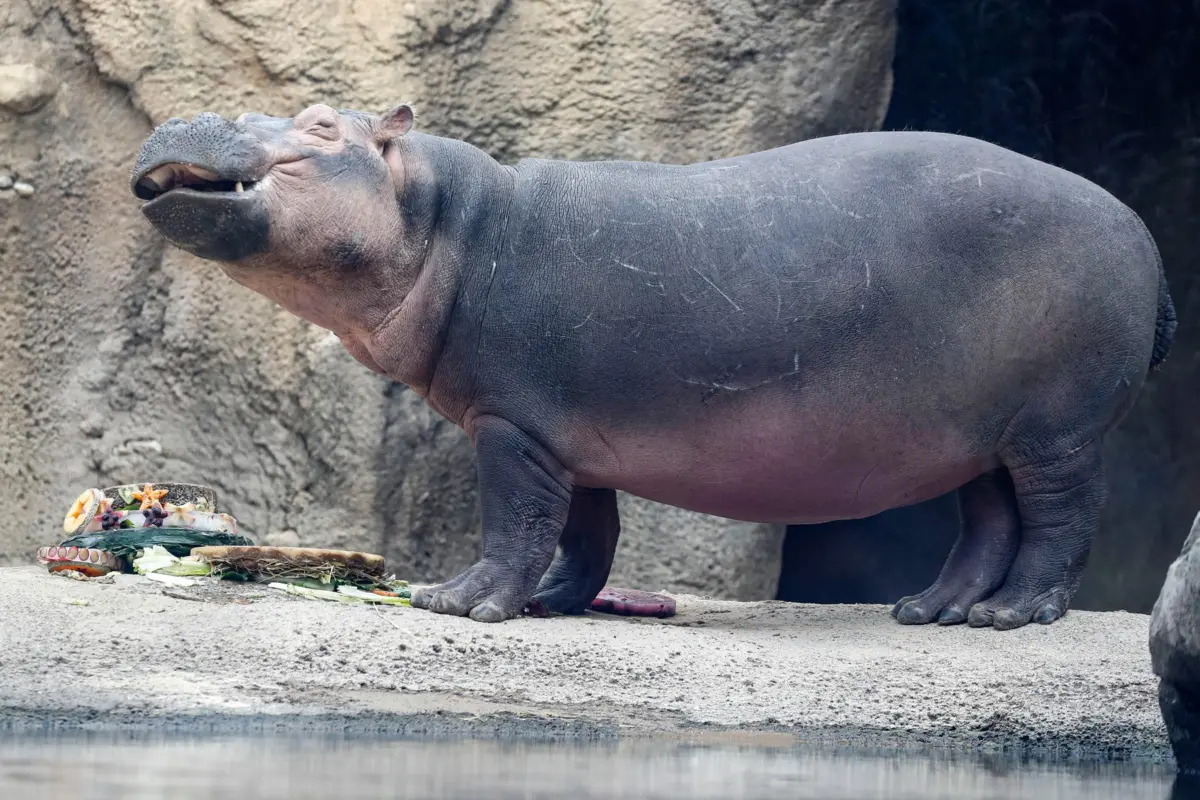
The global animal conservation community and millions of internet users are mourning the loss of Fiona, the Cincinnati Zoo’s internationally celebrated Nile hippopotamus. Fiona, who captured the hearts of millions as a fragile, premature baby in 2017 and grew into a robust internet icon, died Thursday at the age of nine following a sudden and catastrophic medical emergency.
Zoo officials confirmed that Fiona’s rapid decline was triggered by a preventable incident: she swallowed a knit winter hat that had been accidentally or carelessly dropped into her enclosure by a visitor. Despite a multi-day, round-the-clock medical intervention by veterinary specialists and her dedicated animal care team, the obstruction proved insurmountable. Fiona’s passing marks the end of an era for the Cincinnati Zoo and leaves a profound void in the digital spaces where her resilience, playful spirit, and improbable survival story were celebrated for nearly a decade.
The loss of Fiona has reignited urgent conversations surrounding zoo visitor conduct, the dangers of foreign objects in animal exhibits, and the unique medical vulnerabilities of mega-vertebrates in managed care. As tributes pour in from around the world, the Cincinnati Zoo has asked for privacy for its staff, who spent years nurturing the iconic hippopotamus from a 29-pound preemie into a beloved symbol of perseverance.
Detailed Chronology: From Ingestion to Intervention and Loss
The sequence of events that led to Fiona’s untimely death unfolded over the span of several critical days, turning what should have been a routine day at the zoo into a frantic and ultimately heartbreaking medical crisis.
The Ingestion Incident
Approximately one week prior to her death, zookeepers and veterinary staff identified a hazardous foreign object inside Fiona’s habitat: a knit winter hat. Security footage and staff reports indicated the garment had been dropped into the enclosure. While zoo enclosures are engineered with safety barriers to separate the public from the animals, items thrown or dropped from visitor pathways occasionally breach these safety perimeters.
Hippopotamuses are notoriously inquisitive and possess powerful jaws and indiscriminate appetites. Upon encountering the foreign textile, Fiona ingested the knit hat. Because synthetic and wool yarns are entirely indigestible to herbivores, the material immediately presented a severe physiological threat.
The Onset of Symptoms and 24-Hour Care
Days following the ingestion, Fiona’s behavior shifted noticeably. Zookeepers observed a sharp and sustained decline in her appetite—a primary indicator of gastrointestinal distress in large mammals. Recognizing the extreme danger posed by the swallowed foreign body, the zoo’s veterinary team immediately implemented a rigorous protocol.
Fiona was placed under 24-hour observation. Diagnostics, including specialized imaging and monitoring equipment, were deployed to track the movement—or lack thereof—of the obstruction. The veterinary team faced a agonizing medical dilemma: while surgical removal of a foreign object is standard in many species, performing abdominal surgery on an adult Nile hippopotamus carries extraordinarily high mortality risks. The sheer mass of the animal, the complexities of anesthesia in semi-aquatic mega-vertebrates, and the delicate nature of a hippo’s massive gastrointestinal tract made surgery a last-resort option.
Instead, specialists opted for conservative management, hoping that Fiona’s robust digestive system would allow her to pass the knit hat naturally. Fluid therapy and supportive care were administered continuously to maintain her hydration and energy levels.
The Final Hours
Despite the exhaustive efforts of the veterinary staff, Fiona’s condition deteriorated rapidly. The obstruction created a severe gastrointestinal blockage that prevented normal nutrient absorption and fluid regulation.
On Thursday, recognizing that conservative measures had failed and that the animal was slipping away, the veterinary team performed desperate, highly advanced supportive and surgical interventions in a final attempt to save her life. These measures, however, came too late. The physiological trauma caused by the blockage was simply too severe to overcome. Fiona did not recover from the procedure, passing away surrounded by the team that had fought for her survival since the day she was born.
Supporting Context & Metrics: Fiona’s Historic Life and Cultural Legacy
To understand the magnitude of Fiona’s death, one must examine the extraordinary circumstances of her birth and the unique bond she forged with the public. Fiona was not merely a zoo animal; she was a global phenomenon whose life story transcended wildlife conservation and entered the realm of cultural mythology.
A Miracle Birth in 2017
Fiona made history on January 24, 2017, when she was born at the Cincinnati Zoo. She was the first Nile hippopotamus born at the institution in more than 53 years. Her birth was anticipated with scientific interest, but the reality of her arrival quickly turned the delivery room into an emergency ward.
Her mother, Bibi, was 17 years old at the time and went into labor a staggering six weeks premature. In the wild, a premature hippo calf born under such conditions would have had virtually zero chance of survival. Fiona weighed a meager 29 pounds at birth—a fraction of the normal birth weight for a Nile hippo, which typically ranges from 55 to 110 pounds.
Fiona was too small and weak to stand on her own, and she was incapable of nursing from her mother. Left to nature, her story would have ended within hours. Instead, the Cincinnati Zoo’s horticulture, veterinary, and animal care staff made a historic decision to intervene, launching an intensive, round-the-clock neonatal rescue mission.
The Rise of an Internet Icon
Recognizing the public’s fascination with the struggling calf, the zoo began documenting Fiona’s daily life, milestones, and medical hurdles on social media. Named Fiona after the ogre princess in the animated film Shrek—largely due to the distinct, oversized shape of her ears—the baby hippo quickly became a digital darling.
Millions of well-wishers across the globe tuned in daily. They watched as the wobbling, fragile calf learned to swim in shallow therapy pools, took her first steps on wobbly legs, and interacted playfully with her human caregivers. Fiona’s daily updates provided a comforting routine for a global audience, transforming passive zoo-goers into active, emotionally invested stakeholders in her survival.
As she grew older, transitioning from a pint-sized preemie into a multi-ton adult, Fiona shed her baby fat but retained her status as a cultural touchstone. She became a symbol of resilience, strength, and the triumph of life over seemingly insurmountable biological odds. When the world faced collective hardships over the subsequent years, Fiona’s narrative of fighting through adversity remained a steadfast beacon of hope. Her likeness adorned children’s books, local craft beers, ice cream flavors, and murals across Cincinnati, cementing her status as the city’s unofficial mascot.
Official Statements and Institutional Impact
The emotional fallout of Fiona’s death has reverberated through the upper echelons of the Cincinnati Zoo and rippled across the international zoological community.
The Cincinnati Zoo’s Tribute
In an official statement released Thursday afternoon, the Cincinnati Zoo expressed its collective devastation:
"It is with extreme sadness that we share with you the devastating news that Fiona did not make it after multiple attempts from our amazing vets and keeper team to help her through what ended up being a medical emergency. We know everyone in the community will be crushed by this news, as we all are."
The zoo highlighted the immense psychological toll the loss has taken on the staff, many of whom have cared for Fiona every single day of her nine-year life.
"Please keep her keepers and everyone who tried to help her in your thoughts as they try to navigate and come to terms with this shocking news," the statement continued. "They are also, understandably, asking for space at this time."
Broader Industry Reactions
Leaders in the Association of Zoos and Aquariums (AZA) have also weighed in, noting that Fiona’s death underscores the perpetual hazards faced by captive wildlife due to human negligence. Zoos worldwide have long battled the issue of "foreign object ingestion," a phenomenon where visitors drop items—ranging from plastic wrappers and clothing to coins and pacifiers—into animal habitats. While most modern enclosures utilize advanced moat systems, glass viewing panes, and setback barriers, determined or careless actions can still result in hazardous debris entering an animal’s reach.
Conservationists have pointed out that Fiona’s passing should serve as a wake-up call regarding visitor accountability. When animals as iconic and charismatic as Fiona fall victim to preventable human accidents, it forces institutions to re-evaluate guest safety protocols, physical barrier designs, and public education campaigns regarding habitat contamination.
Future Outlook: Legacy, Memorials, and Visitor Protocols
As the Cincinnati Zoo processes the loss of its most famous resident, leadership and community members are already looking toward how Fiona’s legacy will be honored and how future tragedies can be prevented.
Memorializing a Legend
Discussions are already underway within the Cincinnati community to establish a permanent memorial honoring Fiona. Given her deep cultural roots in the city, public art installations, educational scholarships in veterinary medicine, and conservation initiatives are being proposed to ensure her name continues to inspire future generations.
The zoo’s social media channels, which first introduced Fiona to the world, have transformed into digital memorial walls. Hundreds of thousands of fans are sharing photographs, fan art, and personal anecdotes detailing how Fiona impacted their lives during difficult times. This digital outpouring demonstrates that while Fiona’s physical life has ended, her imprint on global internet culture and wildlife advocacy remains indelible.
Enhancing Enclosure Safety and Public Education
In the wake of this tragedy, the Cincinnati Zoo and peer institutions are expected to conduct rigorous reviews of habitat safety measures. Key areas of focus will likely include:
- Enhanced Barrier Audits: Re-evaluating the distance between visitor walkways and animal drop zones to minimize the trajectory of thrown objects.
- Surveillance and Enforcement: Increasing monitoring around high-profile exhibits like the hippo habitat to instantly identify and retrieve dropped foreign items before animals can interact with them.
- Public Awareness Campaigns: Launching targeted educational initiatives that explicitly warn visitors of the lethal dangers associated with dropping items into animal enclosures.
The Path Forward for Bibi and the Hippo Habitat
Beyond the human staff, institutional focus will also turn toward Fiona’s mother, Bibi, and the remaining hippopotamus pod at the zoo. Hippos are social, sentient animals capable of experiencing stress and grief. Zoo behaviorists and veterinarians will closely monitor Bibi and her cohort in the days and weeks following Fiona’s passing.
Ultimately, Fiona’s story remains a complex tapestry of scientific triumph and tragic loss. She proved that human dedication and veterinary innovation could pull a creature back from the absolute brink of death, giving the world nine extra years of joy, inspiration, and wonder. Yet, her end serves as a sobering reminder of our profound responsibility toward the wildlife we place in our care. Fiona was a fighter until the very end, and her remarkable journey will forever remain etched in the annals of modern conservation history.
