

Executive Overview
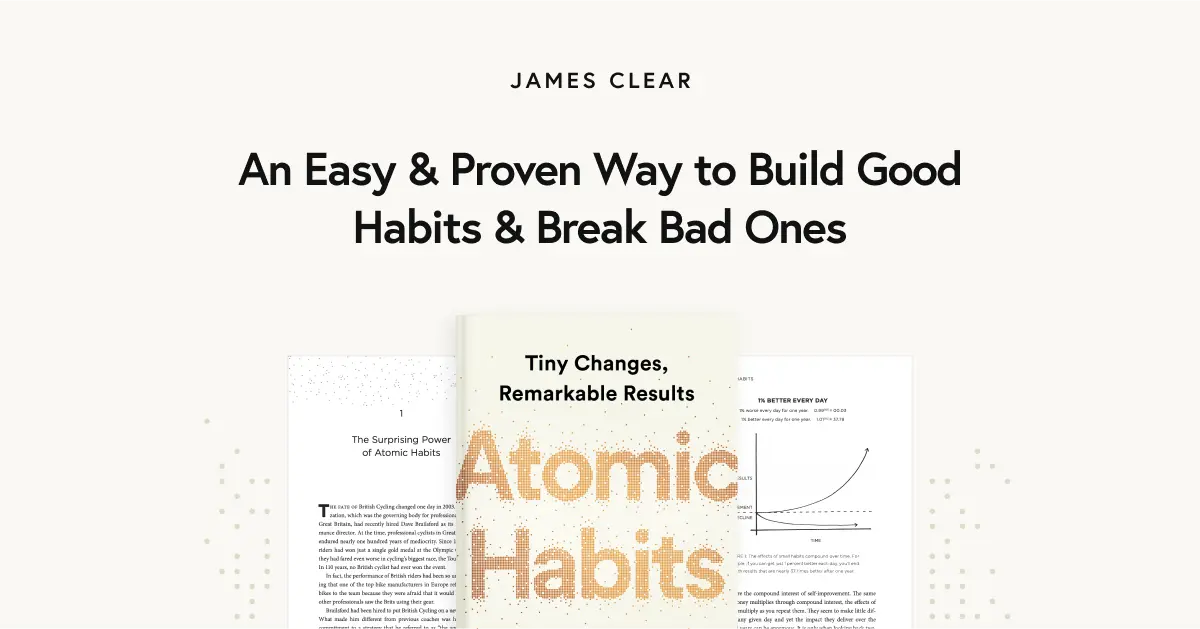
In the realm of personal development, the chasm between theoretical knowledge and practical execution is often wide. Millions of readers devour literature on productivity and behavioral psychology, yet struggle to translate abstract concepts into sustainable, daily routines. However, a fascinating window into applied behavioral science has emerged through reader testimonials collected by James Clear, author of the seminal bestselling book Atomic Habits.
Rather than relying on clinical trials or sterile laboratory settings, a comprehensive review of thirty real-world case studies reveals how everyday individuals leverage core psychological principles—ranging from identity-based habit formation to strategic environment design and habit stacking. These accounts demonstrate that massive lifestyle overhauls are rarely the result of Herculean bursts of willpower. Instead, they stem from micro-adjustments, architectural friction, and a fundamental shift in how individuals perceive themselves. This report synthesizes these firsthand accounts, categorizing them through an investigative journalistic lens to examine the mechanics of behavioral change, the structural modifications required to sustain it, and the broader implications for public wellness and productivity.
Detailed Chronology & Behavioral Frameworks
To understand how these transformations occurred, it is necessary to examine the tactical frameworks deployed by readers. The transition from erratic behavioral patterns to rock-solid routines follows distinct chronological and psychological phases, mirroring the core tenets outlined in Atomic Habits.
Phase 1: Identity-Based Restructuring
Traditional goal-setting focuses heavily on outcomes: I want to lose ten pounds or I want to quit smoking. Behavioral science, however, suggests that true change is identity-driven.
- The Dietary Shift: A reader named Roland spent years unsuccessfully attempting to eliminate junk food through outcome-oriented goals. The paradigm shifted only when he adopted a new internal narrative. By abandoning the directive "I want to stop eating bad food" in favor of "I am someone who eats healthy and lives a healthy life," the psychological resistance dissolved. The diet ceased to be a temporary sacrifice and became an expression of self.
- Reframing Addiction: Similarly, Robert tackled nicotine dependency by altering his linguistic framing. Distinguishing between "I can’t smoke" (implying deprivation) and "I don’t smoke" (implying autonomy) transformed the cessation process. Rather than feeling as though he was giving up a pleasure, Robert framed the choice as an investment in his future well-being.
- Financial Reinforcement of Identity: Taking identity reinforcement a step further, another reader utilized monetary incentives to cement a new sobriety milestone. By adopting the mantra "I am no longer a drinker" and transferring $10 into a discretionary fund for clothes and household items after every successful alcohol-free day, external rewards successfully bridged the gap until the identity solidified. Six years later, the financial allowance is gone, but the sober identity remains permanent.
Phase 2: Cue Alteration and Environmental Architecture
Human behavior does not occur in a vacuum; it is constantly prompted by environmental triggers. Readers successfully modified their trajectories by either amplifying positive cues or engineering friction to eliminate negative ones.
- Visual Prompts for Positive Habits: Heather sought to increase her daily water intake. By utilizing color psychology and strategic placement—pouring water into a bright aqua bottle (her favorite color) and resting it directly on her nightstand—she ensured the cue was impossible to miss upon waking. Likewise, Lisa maintained a voracious reading habit by keeping 20 to 30 books perpetually on hold at the library, creating an automated conveyor belt of literature that bypassed the friction of browsing.
- Digital Friction and Physical Barriers: Conversely, breaking bad habits required intentionally increasing friction. Max eliminated his e-cigarette dependency by simultaneously removing coffee from his morning routine, severing the linked trigger. In the digital sphere, Viet deleted the Facebook app from his phone. Requiring an extra manual step—opening a browser and logging in—created just enough psychological friction to curb mindless scrolling. Matthew experienced similar success simply by logging out of Instagram after every session.
- Extreme Environmental Design: To combat nocturnal snacking, a reader named Cyd instituted a radical environmental barrier: keeping family-sized bags of Pringles locked inside a cold car parked outside. Meanwhile, J. Money, a prominent personal finance blogger, utilized an ingenious evening routine to eliminate late-night caloric and alcohol consumption: he brushes his teeth immediately after putting his children to bed at 8:00 PM. The psychological barrier of having to re-brush his teeth serves as an infallible deterrent against midnight kitchen raids.
Phase 3: Habit Stacking and Behavioral Substitution
When attempting to forge new pathways in the brain, tying a novel behavior to an existing automatic action—a process known as "habit stacking"—proves exceptionally potent.
- Anchoring New Behaviors: David successfully integrated a twenty-minute meditation practice directly after his morning tooth-brushing routine. By anchoring the meditation to a deeply ingrained keystone habit, compliance rates soared. On a grander scale, a reader relocating to China committed to initiating a conversation in Mandarin with every taxi driver they encountered (often five times daily). This relentless stacking of language practice onto mandatory daily transit yielded complete fluency within two years.
- Habit Substitution: Rather than attempting to extinguish a bad habit entirely—which often creates a psychological void—successful practitioners frequently substituted the routine while retaining the underlying reward. One reader replaced backyard smoking breaks with a set of repetitions on a newly installed weight bench, rapidly diminishing the physiological craving. Similarly, Mark systematically tapered his post-work stress-drinking by transitioning through a sequence of substitutes: sparkling water, flavored teas, and eventually seltzers, stretching the tapering process over nine months until cravings vanished entirely.
Supporting Context & Metrics
The qualitative data gathered from these real-world anecdotes align closely with quantitative metrics observed in behavioral psychology research. Studies consistently show that environmental design yields higher success rates in habit formation than sheer willpower alone.
| Strategy Implemented | Primary Target Behavior | Mechanism of Action | Reported Success Metric / Outcome |
|---|---|---|---|
| Identity Shift | Smoking Cessation | Linguistic reframing ("I don’t smoke") | Long-term abstinence without perceived sacrifice |
| Environmental Friction | Late-Night Snacking | Physical separation (Locked car in cold) | Complete elimination of post-dinner snacking |
| Habit Stacking | Language Acquisition | Anchoring practice to transit routines | Full fluency achieved within a 24-month window |
| Digital Barriers | Social Media Addiction | Removing apps / forced manual logins | Dramatic reduction in daily screen-time metrics |
| Habit Tracking | Multi-domain self-improvement | Visual chains on wall calendars | Sustained routines, 30-pound weight loss, and multi-skill acquisition |
Furthermore, the data highlights the efficacy of visual habit trackers. Cindy, who instituted a large wall calendar to track multiple self-improvement goals, reported six uninterrupted months of red "X" marks. This simple analog data-logging system catalyzed broader physiological and professional transformations, including a 30-pound weight loss, improved physical strength, active gardening, consistent reading, small-business development, and foreign language practice.
Expert Perspectives & Official Commentary
Behavioral psychologists and habit researchers have long advocated for the structural principles highlighted in these reader narratives. Dr. B.J. Fogg, a pioneering researcher at Stanford University who originally coined the methodology behind "anchoring" (or habit stacking), has repeatedly emphasized that humans are heavily influenced by the path of least resistance.
When evaluating the transition from outcome-oriented goals to identity-driven processes, industry analysts note a parallel in organizational behavior. Corporations that successfully pivot their company culture do so not by setting arbitrary quarterly revenue targets (outcomes), but by redefining what the company is and how its employees identify their professional roles.
James Clear’s synthesis of these reader stories underscores a fundamental truth of human neuroplasticity:
"None of these stories are mine. They were sent to me by readers… My hope is that these examples will illustrate how real people are putting the book into practice. They will show you what people are actually doing to build good habits and break bad ones."
Experts emphasize that the democratization of these tactics—moving them from academic journals into the hands of consumers via accessible literature and personal journals—has empowered a grassroots movement of self-optimization. The focus has shifted away from moral failings (e.g., lacking willpower) toward structural mechanics (e.g., poor cue management and excessive environmental friction).
Future Outlook
As society navigates an increasingly complex digital landscape filled with engineered distractions, the necessity for robust behavioral frameworks will only intensify. The future of habit formation lies at the intersection of intentional environmental design and cognitive self-awareness.
Looking ahead, we can anticipate several trends in how individuals and organizations approach behavioral change:
- Digital Minimalism as Environmental Design: As hyper-connected devices continue to hijack attention spans, future habit strategies will heavily prioritize digital architecture—such as automated app blockers, grayscale phone displays, and radical separation from communication hardware—as standard preventive medicine.
- Micro-Habit Integration in Corporate Wellness: Forward-thinking organizations are beginning to move away from intensive, unsustainable corporate wellness bootcamps. Instead, they are integrating habit-stacking methodologies into daily workflow designs, encouraging micro-breaks, physical movement triggers, and continuous learning loops.
- Data-Driven Analog Tracking: Despite the proliferation of wearable fitness tech and digital productivity apps, the tactile resurgence of analog tracking—such as physical wall calendars and paper habit journals—demonstrates that physical interaction with one’s progress data provides a deeper psychological anchor than algorithmic notifications.
Ultimately, the thirty micro-stories collected from everyday practitioners serve as a testament to human adaptability. By recognizing that behavior is a product of environment, identity, and structured cues, individuals can systematically engineer their surroundings to foster enduring self-improvement. The path forward does not require radical reinvention overnight; it demands small, compounding actions taken consistently day after day.