

EXECUTIVE SUMMARY
In the modern digital landscape, user behavior has undergone a profound psychological shift. Driven by the proliferation of conversational interfaces, smart speakers, and mobile voice search, digital consumers no longer hunt for fragmented, high-level terms; instead, they interrogate search engines with complex, intent-driven queries.
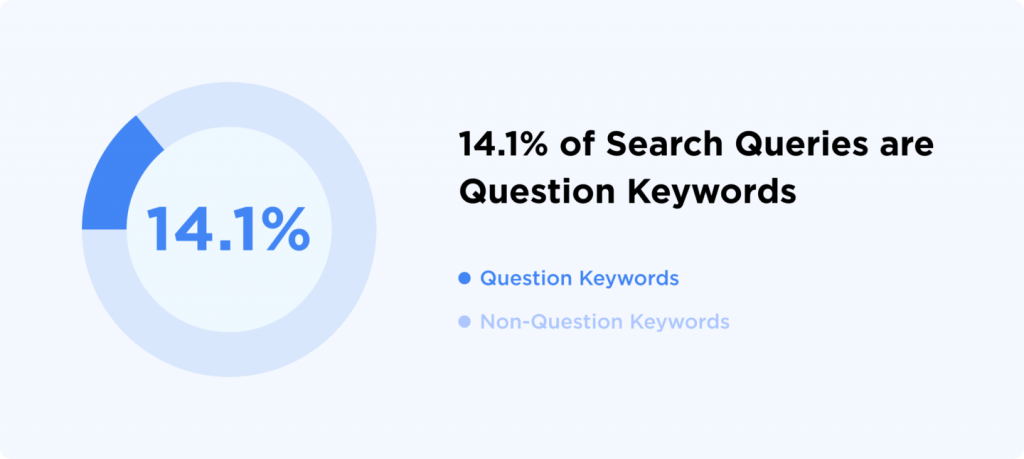
Industry data indicates that roughly 14.1% of all Google searches are explicitly phrased as questions. When scaled against a staggering daily baseline of 3.5 billion searches, this amounts to nearly 490 million questions processed daily across the globe. For digital marketers, search engine optimization (SEO) strategists, and content entrepreneurs, this massive volume represents an unprecedented commercial opportunity. Question-based keywords are inherently rich in buyer intent and frequently overlooked by legacy enterprise competitors due to their long-tail nature. Consequently, they offer an accessible, low-competition pathway to the first page of search engine results pages (SERPs).
This investigative report explores the mechanics of question-based search behavior and outlines four scalable, tactical frameworks to unearth high-converting, low-competition question keywords. By leveraging dedicated SEO software suites like Semrush alongside community mining techniques, content creators can systematically build resilient content hubs that directly capture high-intent organic traffic.
1. The Anatomy of Modern Search: Why Questions Drive High-Intent Traffic
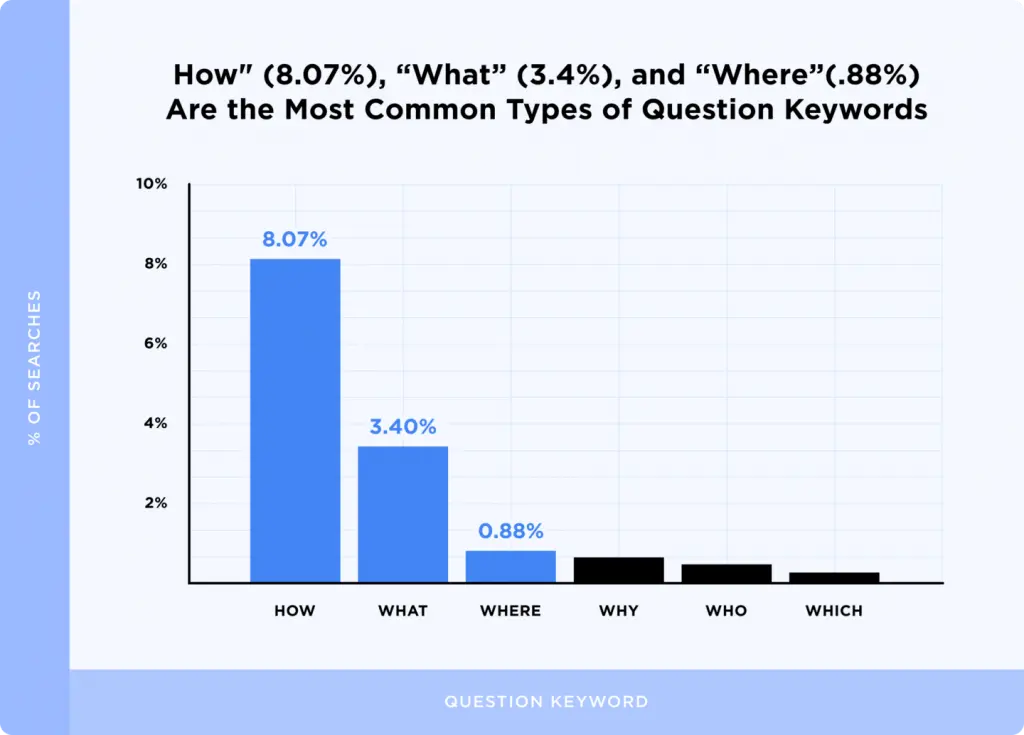
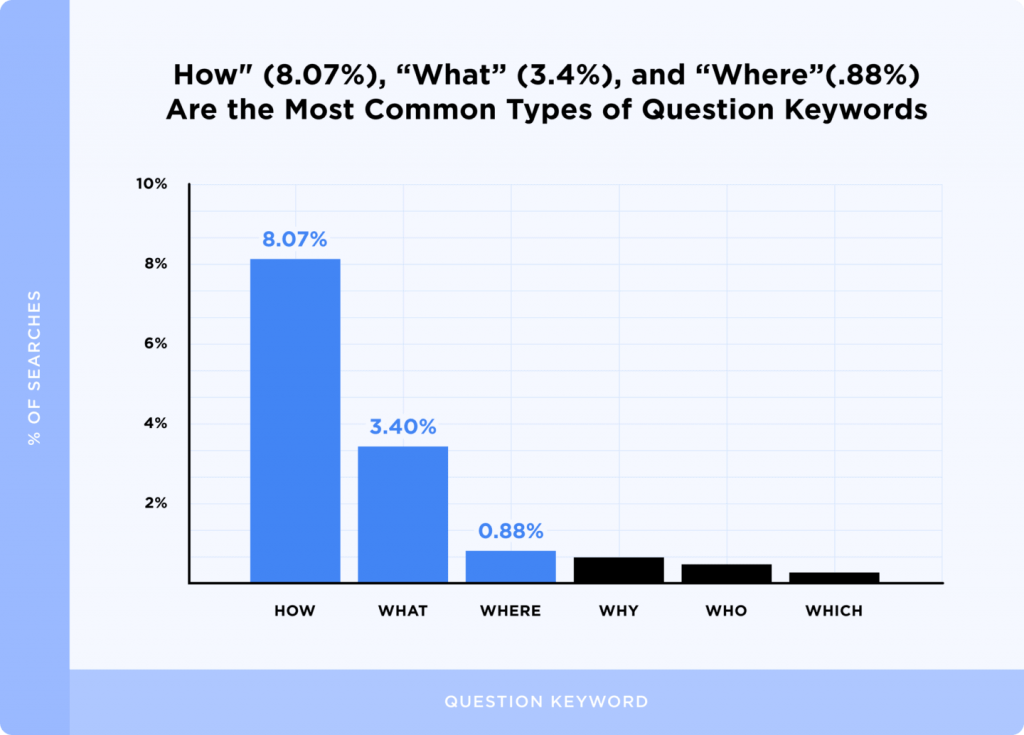
To understand the strategic value of question keywords, one must first analyze the data governing modern search queries. Analytical studies from platforms like Backlinko highlight that interrogative phrasing commands a substantial double-digit percentage of global search volume. Within this category, specific interrogatives dominate: "how" queries account for approximately 8.07% of all searches, while "what" queries represent another 3.4%.
[Total Daily Google Searches: ~3.5 Billion]
   │
   ├── [Non-Question Queries (~85.9%)]
   │
   └── [Question Keywords (14.1%)] ──> [~490 Million Daily Queries]
          │
          ├── "How" Queries (8.07%)
          ├── "What" Queries (3.4%)
          └── Other Interrogatives (Where, Why, Who, When)
The underlying characteristic uniting these queries is their long-tail structure. Whether a user is typing a rapid query about optimal coffee bean grinding techniques or executing deep research on the implementation logistics of enterprise resource planning (ERP) software, they are actively hunting for a resolution to a specific friction point.
Targeting these queries offers two distinct strategic advantages:
High Commercial Intent
Users framing their queries as questions are rarely browsing casually; they are experiencing an immediate pain point and seeking an immediate answer. By positioning your brand, service, or affiliate product directly within the narrative framework of that answer, you shorten the buyer’s journey. You transition seamlessly from educator to solution provider.
Low Keyword Difficulty (KD)
Because question queries are hyper-specific and span the long-tail spectrum, legacy publishers often ignore them in favor of high-volume, head terms. As a result, many question-based keywords feature remarkably low competition metrics. In optimal scenarios, publishers can rank on the first page of Google for these terms without requiring massive, exhaustive long-form content architectures or aggressive backlink campaigns.
2. Framework 1: Leveraging Dedicated Question-Based Keyword Reports
The most direct method for scaling question keyword research involves utilizing professional SEO platforms equipped with automated filtering architectures, such as Semrush or Ahrefs.

The Methodology
- Enter Seed Topics: Input your primary product, service category, or core niche terminology into the software’s keyword research module.
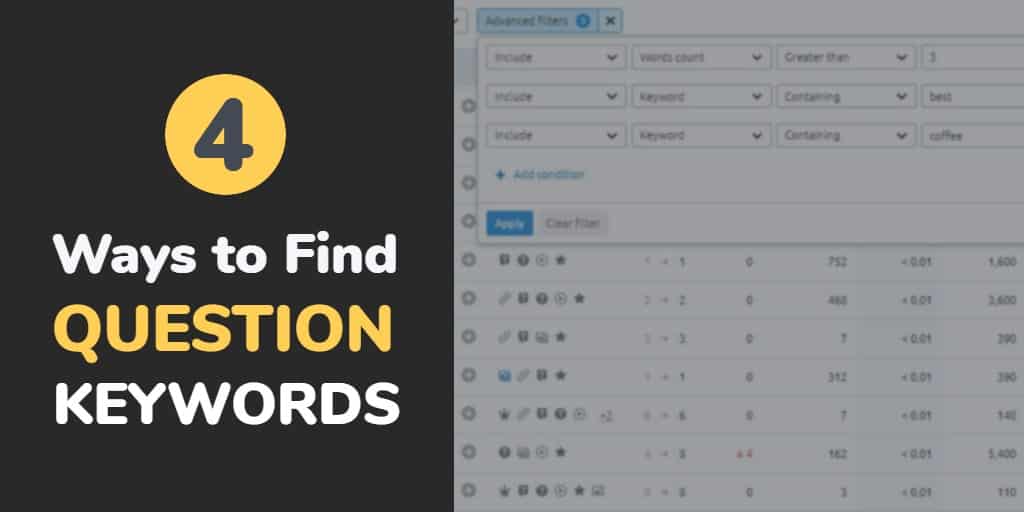
- Navigate to Question Reports: Filter the output data specifically by question modifiers ("how," "what," "why," "where," "who," "which").
- Analyze the Hierarchy of Specificity: Observe how question reports naturally stratify data based on user intent and specificity.
Example Scenario: Customer Relationship Management (CRM)
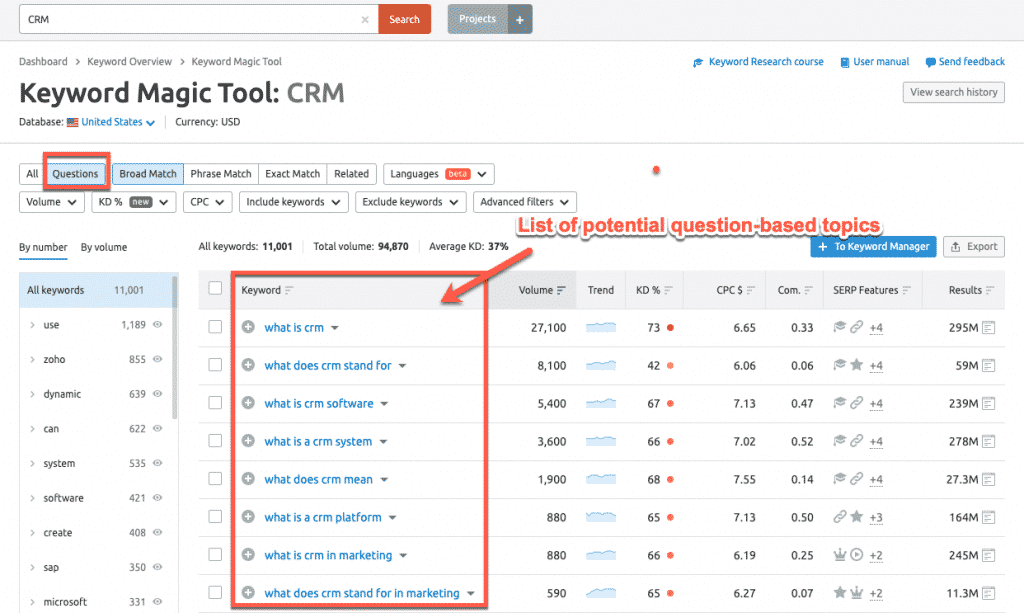
If an enterprise enters the seed term "CRM" into Semrush, the upper echelons of the resulting report will display predictable, high-level queries such as "What is a CRM?" or "How to use a CRM." While these are valuable, they often carry heavier competition.
However, as an analyst scrolls deeper into the report, the keywords evolve into ultra-specific, low-competition opportunities:

- "What is the business case for using a CRM?" (Enables content focused on operational efficiency and ROI).
- "Can a CRM be integrated with an ERP?" (Allows software vendors to showcase technical integrations).
- "How to maintain a CRM database." (Opens avenues for tactical, how-to user guides and product tutorials).
Advanced Filtering Techniques
Modern SEO platforms allow publishers to optimize their workflow by applying custom keyword difficulty (KD) thresholds and intent filters. By isolating keywords classified as "Easy" or "Possible" (typically visualized with green or light-yellow indicators) and sorting by commercial or informational intent, marketers can curate a refined list of high-yielding content topics in minutes.
3. Framework 2: Mining the "People Also Ask" (PAA) Ecosystem
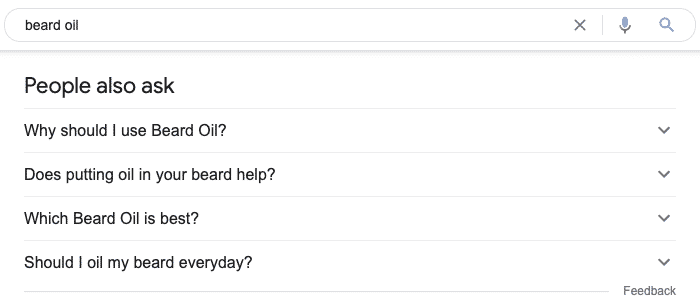
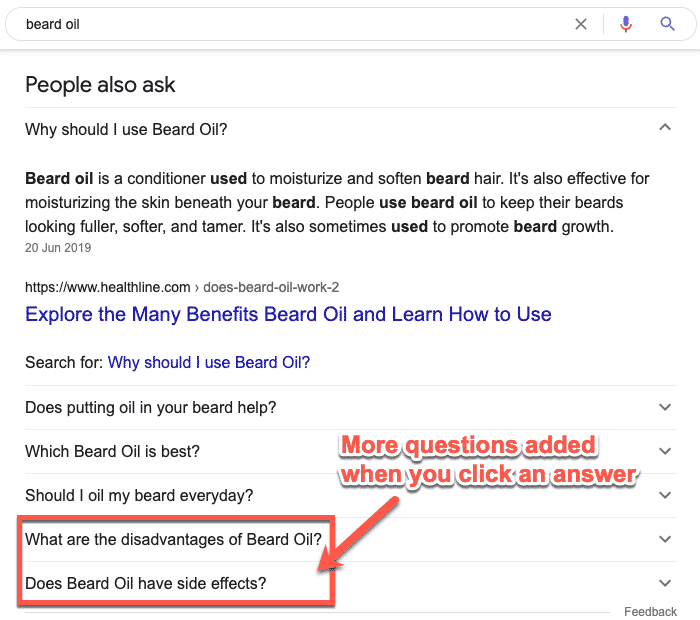
Google’s SERP features have evolved far beyond simple blue links. Among the most prominent real estate on modern search pages is the People Also Ask (PAA) box—a dynamic accordion menu displaying real questions submitted by live users.

[Google Search Query] ──> [SERP Results] ──> [People Also Ask Box]
                                                  │
                                                  ▼
                                       (Expanded via SEO Minion)
                                                  │
                                                  ▼
                                       [CSV Export to Semrush]
                                                  │
                                                  ▼
                                      [Volume & KD Metrics Filter]
Automating the PAA Extraction Process
Manually clicking through PAA boxes, expanding recursive results, and copy-pasting queries into spreadsheets is unscalable. To streamline this process, search strategists employ specialized browser extensions like SEO Minion.
- Install and Activate: Download the SEO Minion Chrome extension.
- Execute Searches: Enter target seed topics directly into Google.
- Export SERP Data: Open the SEO Minion interface on the SERP, select the "All Organic Results" or PAA export feature, and define your record limit (e.g., extracting the top 100 to 200 PAA entries).
- Data Enrichment: Export the resulting CSV file containing the PAA titles, text strings, and associated URLs.
- Bulk Analysis: Copy the column of extracted questions, paste them into the Semrush Keyword Overview batch analysis tool, and execute.
Within seconds, the software aggregates critical metrics, including monthly search volume and exact keyword difficulty scores, across all extracted questions. While conversion rates from raw PAA lists to viable content briefs typically hover around 1-2%, scaling this process across dozens of seed terms yields a continuous stream of low-competition topics.

4. Framework 3: Tapping into Niche Communities via Subreddits
Online communities represent unfiltered repositories of consumer pain points, complaints, and direct inquiries. Among these, Reddit stands out as an invaluable asset for keyword discovery due to its deep indexation in search engine results.
The Methodology
- Identify Relevant Subreddits: Search Reddit for forums dedicated to your industry, target audience personas, or direct competitor ecosystems (e.g.,
r/CRMfor software solutions). - Analyze via Organic Research: Input the specific subreddit URL into Semrush’s Organic Research tool, ensuring the subfolder parameter is selected.
- Layer Advanced Filters: Apply rigorous filter criteria to extract meaningful data:
- Minimum Search Volume: Set a threshold (e.g., volume $ge$ 20).
- Word Count: Restrict results to include word counts greater than two to filter out broad, single-word navigational terms.
Uncovering Differentiating Angles
Analyzing filtered subreddit data often exposes highly specific niche queries that traditional keyword tools miss. For instance, within a CRM subreddit analysis, a strategist might uncover queries like "HIPAA compliant CRM" or "Is HubSpot HIPAA compliant?"

For a competing software provider operating within the healthcare tech sector, these queries present strategic opportunities. They allow the brand to construct targeted comparison pages or educational resources highlighting their compliance status, effectively positioning their product as a superior alternative for regulated industries.
5. Framework 4: Extracting High-Traffic Threads from Quora
Similar to Reddit, Quora functions as a massive peer-to-peer knowledge exchange that frequently claims top-ranking positions for long-tail, interrogative search queries.
The Strategy
Instead of manually browsing thousands of threads, marketers can use SEO tools to reverse-engineer Quora’s organic footprint:
- Access the Organic Research report in Semrush.
- Enter the domain
quora.comalongside advanced URL filters targeting specific niche keywords and interrogative modifiers (e.g., combining "beard oil" with "how" or "best"). - Scroll through the filtered output to isolate low-competition questions carrying favorable green KD scores.
Workflow Integration
By clicking the addition (+) icon next to high-potential queries directly inside the SEO interface, researchers can auto-populate a master keyword list. This list can then be exported into centralized project management software, transformed into detailed content briefs, and distributed to writing teams for production.
6. Future Outlook: The Evolution of Question-Based Optimization
As artificial intelligence integration redefines search engine result pages through conversational search summaries and generative experiences, the prominence of question-based keywords will only accelerate. Users increasingly expect direct, synthesized answers rather than unstructured links.
For digital strategists, mastering the integration of automated reporting tools, PAA scraping utilities, and community-driven forum mining creates a distinct competitive moat. By systematically harvesting the 490 million daily questions voiced by global searchers and answering them with precision and authority, brands can capture high-intent traffic, build resilient content ecosystems, and future-proof their organic visibility.