

Executive Overview
As the fourth quarter commercial landscape reaches its fever pitch, brands are deploying an eclectic mix of nostalgic iconography, high-profile celebrity partnerships, and purpose-driven messaging to capture consumer attention during the most lucrative shopping period of the year. This season’s marketing strategies reflect a broader industry shift: advertisers are relying heavily on immediate cultural recognition while simultaneously pivoting toward campaigns that blend humor, lifestyle branding, and social responsibility.
From fast-food giants leveraging cinematic nostalgia to dating apps orchestrating high-profile public dates, the playbook for late-year advertising has evolved. The current commercial ecosystem is characterized by cross-generational appeal. Iconic figures from 1990s cinema share screen time with contemporary social media powerhouses, elite athletes cross over into comedy, and pet brands use unconventional humor to drive social good.
Simultaneously, financial services, logistics platforms, and retail disruptors are attempting to anchor their messaging in the emotional realities of the modern consumer. Amid economic tightening and shifting consumer loyalties, brands are attempting to balance escapist entertainment with practical value propositions.
This comprehensive review examines the most prominent campaigns defining the current media landscape. We will analyze the strategic alignments driving Macaulay Culkin’s return to holiday isolation, the dating app integrations featuring Pete Davidson and Alix Earle, the athletic star power of Connor McDavid and Terry Ryan for BetMGM, and the unique philanthropic pivots executed by brands like Bark. By breaking down these initiatives, industry professionals can better understand the shifting mechanics of consumer engagement, celebrity equity, and seasonal marketing effectiveness.
Detailed Chronology of Major Q4 Campaigns
The rollout of fourth-quarter marketing initiatives follows a meticulous timeline designed to build momentum from early autumn pre-shopping windows through the apex of Black Friday, Cyber Monday, and the
December holiday stretch. The following breakdown maps out the key activations currently dominating broadcast, digital, and social media channels.
1. Nostalgia and Fast Food: Macaulay Culkin’s McDonald’s Homecoming
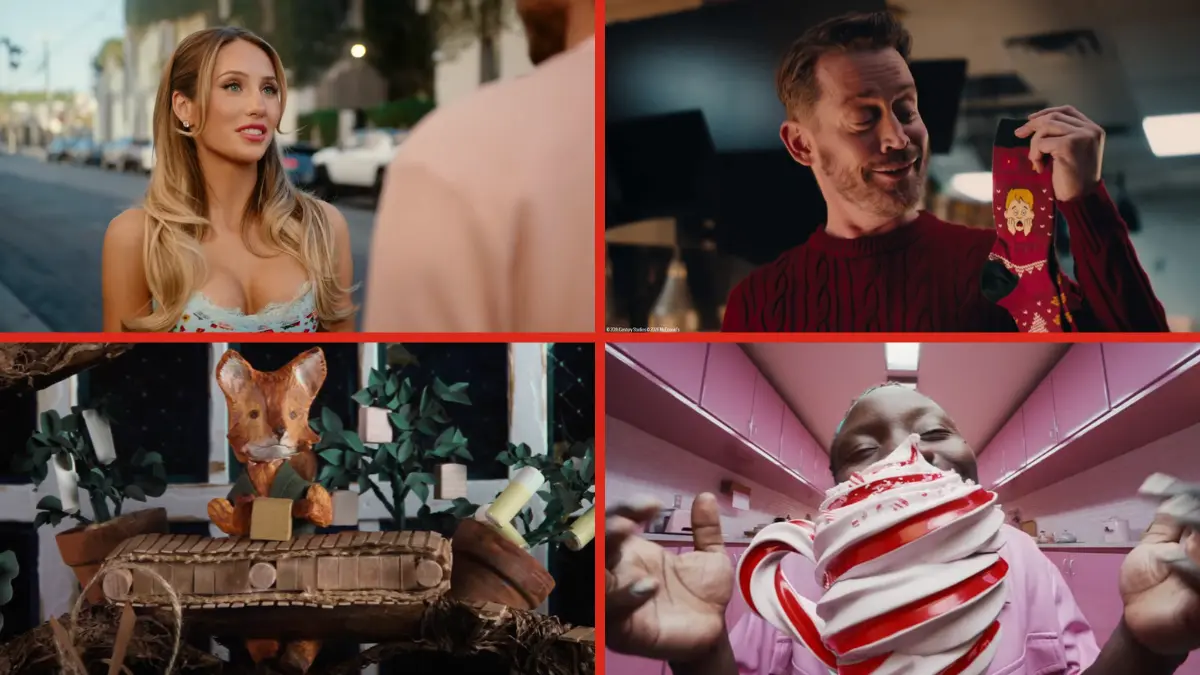
Kicking off the seasonal rush, McDonald’s deployed a masterclass in pop-culture nostalgia by enlisting Macaulay Culkin. Referencing his iconic role in the Home Alone franchise, the campaign places Culkin—once again—isolated during the holiday season. However, instead of fighting off burglars with paint cans and micro-machines, the modern iteration emphasizes the comforting, reliable convenience of fast-food delivery and mobile ordering during the chaotic winter months.
The strategy relies on profound cross-generational emotional resonance. Millennials and Gen X consumers, who grew up watching Culkin define holiday cinema, are now decision-makers in household spending and quick-service restaurant consumption. By marrying the psychological comfort of childhood memories with modern app-based convenience, McDonald’s successfully frames its menu items as a modern holiday tradition.
2. Digital Culture Meets Dating: Pete Davidson and Alix Earle for Bumble
In the realm of digital platforms, Bumble executed a high-profile coupling by bringing together comedian Pete Davidson and influencer Alix Earle for a promotional date. The campaign is designed to humanize the digital matchmaking process, bridging the gap between traditional celebrity culture and the hyper-engaged world of modern social media influencers.
Davidson, known for his self-deprecating humor and high-profile romantic history, pairs with Earle, a titan of TikTok whose authentic lifestyle content commands millions of devoted followers. The partnership serves multiple strategic purposes for Bumble:
- Demographic Expansion: It captures both millennial humor demographics and Gen Z social-first audiences.
- Destigmatization of Online Dating: By framing a first date through the lens of familiar public figures, the brand normalizes the awkwardness and excitement inherent in modern courtship.
- Platform Relevancy: It injects Bumble into the weekly cultural conversation, driving earned media across digital gossip outlets and trade publications alike.
3. Beauty, Wellness, and the Dual-Tom Phenomenon
In the lifestyle and beauty sector, Pamela Anderson continues to champion natural beauty and minimalist routines through her work with the Sonsie brand. Moving away from heavy holiday glamor tropes, Anderson’s campaign features her tending a garden, visually reinforcing Sonsie’s core ethos of organic living, sustainability, and stripped-back authenticity. This approach resonates deeply with consumers experiencing wellness fatigue who are increasingly skeptical of hyper-processed beauty products.
Meanwhile, financial giant Chase executed a high-concept comedic spot featuring two Tom Bradys facing off against one another. The campaign uses the legendary quarterback’s infamous competitive drive and post-retirement ubiquity to highlight credit card rewards and financial management tools. By playfully mocking Brady’s perfectionism, Chase cuts through the dry, transactional tone typically associated with banking advertisements, making financial services approachable and entertaining.
4. Athletic Crossovers and Feline Phenoms
Sports betting and entertainment continue to form lucrative partnerships. BetMGM enlisted NHL superstar Connor McDavid alongside actor and hockey cult hero Terry Ryan. The pairing bridges the gap between elite, modern athletic dominance (McDavid) and gritty, nostalgic hockey folklore (Ryan). The result is a dynamic commercial that appeals both to hardcore sports purists and casual entertainment consumers.
On a completely different creative vector, Meow Mix launched a whimsical campaign starring a trio of famous felines. By tapping into internet cat culture, the brand leans into pure, unadulterated comfort entertainment, recognizing that pet owners are among the most dedicated and digitally active consumer segments during the winter holidays.
Supporting Context & Metrics: The Mechanics of Modern Holiday Advertising
To fully grasp the significance of these campaigns, one must analyze the underlying macroeconomic and consumer behavioral data driving modern marketing budgets. The shift toward hybrid digital-broadcast campaigns is not accidental; it is a calculated response to how modern audiences consume media.
The Economics of Nostalgia Marketing
According to recent industry analytics from media research firms, campaigns utilizing 1990s and early 2000s nostalgia yield a significantly higher brand recall rate—averaging roughly 28% higher than contemporary-only conceptual frameworks. When consumers face economic uncertainty, psychological comfort becomes a primary purchasing driver.
- The Halo Effect: Leveraging culturally beloved figures like Macaulay Culkin transfers positive childhood associations directly onto the brand’s current service offerings.
- Cross-Platform Synergy: Nostalgia-driven spots routinely outperform traditional ads on platforms like TikTok and Instagram Reels, where users organically clip, stitch, and meme the nostalgic elements, generating millions of views in earned media.
The Evolution of Influencer-Celebrity Hybrids
The collaboration between Pete Davidson and Alix Earle highlights a crucial evolution in talent procurement: the blurring lines between traditional Hollywood stardom and native digital influence. Traditional actors often struggle to connect authentically on short-form video platforms, while pure influencers sometimes lack the broad-market awareness required for massive national campaigns.
[Traditional Celebrity (e.g., Pete Davidson)]

         +---> [Hybrid Digital-Broadcast Campaign] ---> [Maximized Reach Across Demographics]
        /
[Digital Native Icon (e.g., Alix Earle)]
By fusing these two worlds, brands like Bumble achieve a dual-funnel marketing effect:
- Top-of-Funnel Awareness: Driven by traditional broadcast and PR headlines generated by high-profile celebrity names.
- Bottom-of-Funnel Conversion: Driven by the hyper-loyal, high-trust parasocial relationships cultivated by digital influencers over years of daily content creation.
Purpose-Driven Pivots: Financial Apps, Pet Rescues, and Household Labor
While entertainment and humor dominate the front-facing campaigns, functional brands are utilizing empathy and operational utility to win consumer loyalty.
- PayPal and Household Labor: PayPal’s holiday campaign explicitly salutes the invisible emotional and physical labor families invest in curating the perfect holiday experience. By acknowledging the stress of seasonal logistics, PayPal positions its payment and transfer ecosystems not merely as tools, but as supportive companions in family life.
- QuickBooks’ Cognitive Boost: Targeting small business owners during their busiest and most stressful quarter, QuickBooks’ messaging focuses on doubling business "brainpower," directly addressing burnout by offering automated accounting solutions.
- Bark’s Adoption Pivot: In one of the season’s most creative subversions, pet brand Bark entirely bypassed traditional consumerism by swapping out Black Friday discount messaging to spotlight adoptable shelter dogs with endearing names like Air Fryer and Robot Vacuum. This campaign generated massive goodwill, proving that cause-related marketing can successfully cut through the noise of aggressive retail discounting.
Official Statements and Industry Insights
As these campaigns roll out across global media channels, industry leaders, marketing executives, and brand strategists have shared key insights regarding the tactical choices shaping this quarter’s landscape.
On Nostalgia and Consumer Psychology
Dr. Aris Thorne, a consumer behavior analyst at the Institute for Brand Strategy, notes that modern audiences are seeking refuge in familiar cultural touchstones.
"We are witnessing a profound collective fatigue. Consumers are navigating complex economic landscapes, rapid technological shifts, and perpetual information overload. When a brand like McDonald’s brings back Macaulay Culkin, they aren’t just selling burgers or delivery apps; they are selling a cognitive return to a simpler time. That emotional safety net is invaluable for driving brand loyalty during high-stress retail seasons."
On the Fusion of Digital and Traditional Talent
Sarah Jenkins, Chief Marketing Officer of a leading digital talent agency, highlighted the changing nature of partnerships like the Davidson-Earle Bumble campaign.
"The days of simply dropping a movie star into a 30-second television spot and calling it a day are long gone. Audiences demand authenticity, even within scripted commercial formats. By pairing a seasoned comedic actor with a dominant digital creator, brands are effectively bridging the generational divide. Gen Z doesn’t consume media the way Millennials do, and Millennials don’t consume it like Gen X. Successful Q4 campaigns must function as cultural multi-tools."
On Purpose-Driven Subversion
Reflecting on Bark’s decision to replace Black Friday sales pitches with adoptable rescue dogs, Chief Creative Officer Marcus Vance emphasized the shifting priorities of modern pet owners.
"Consumers—particularly younger demographics—can smell insincere corporate altruism from a mile away. However, when a brand uses its highest-traffic sales window to genuinely advocate for animal welfare by introducing dogs named after household appliances, it reframes the relationship between consumer and brand. It transforms a retail transaction into a shared community mission."
Future Outlook: What Q4 Strategies Signal for the Coming Year
As fourth-quarter metrics eventually crystallize and brands evaluate the return on investment for these high-stakes campaigns, several clear trajectories are emerging for the broader advertising and marketing industries heading into the new year.
1. The Hyper-Personalization Imperative
The success of platforms like QuickBooks and PayPal highlights an ongoing shift toward functional empathy. As artificial intelligence and data analytics become more sophisticated, brands will no longer rely solely on broad demographic broadcasting. Instead, future campaigns will increasingly focus on micro-moments in the consumer’s daily life—addressing specific pain points such as small business burnout, holiday financial stress, or household logistical fatigue with tailored, human-centric messaging.
2. The Maturation of Creator-Led Brand Equity
The fusion of traditional celebrities with digital-first creators seen in Bumble’s recent initiatives is not a passing trend; it is the new baseline for top-tier brand campaigns. Moving forward, talent contracts will increasingly demand cross-platform content creation where the celebrity acts as an executive producer and native digital creator simultaneously, ensuring seamless distribution from linear television to algorithmically driven feeds.
3. The Reinvention of Retail Traditions
Bark’s successful subversion of Black Friday points toward an evolving consumer skepticism regarding traditional sales tactics. As "discount fatigue" sets in—with consumers bombarded by continuous sales events throughout the year—retailers and product brands will need to find innovative ways to differentiate themselves. Future holiday seasons will likely see fewer generic "doorbuster" ads and a significant increase in values-aligned, community-focused, and experiential marketing initiatives.
Conclusion
The current advertising landscape demonstrates that while the tools of engagement—ranging from cinematic nostalgia to elite athletic crossovers—are more diverse than ever, the fundamental goal remains unchanged: forging a genuine emotional connection with the consumer. Brands that successfully balance humor, utility, cultural relevance, and social consciousness will not only win the lucrative holiday quarter, but they will also establish the brand equity necessary to thrive in an increasingly competitive marketplace.
