

Executive Overview
As organizations globally rush to integrate artificial intelligence into their daily workflows, a troubling phenomenon is unfolding: the collective amnesia of the corporate world. According to digital strategist and author Paul Boag, the current wave of enterprise AI adoption feels less like a calculated strategic rollout and more like an avoidable farce.
In a searing critique drawing parallels to the digital transformation era of the 2010s, Boag argues that business leaders are making the exact same foundational errors they made a decade ago. Chief among these mistakes is treating a profound cultural and operational shift as a mere IT upgrade.
By pushing out blanket enterprise licenses—such as company-wide deployments of Copilot Studio—without addressing the underlying anxieties, incentives, and operational realities of their workforce, leadership teams are engineering widespread resistance. Worse, heavy-handed governance and rigid tech stacks are driving employees toward "Shadow AI," creating unprecedented data security risks.
To successfully navigate the AI era, organizations must pivot away from top-down technological mandates. Instead, they need to prioritize human-centric change management, cultivate grassroots adoption through internal pioneers, establish fail-safe environments for experimentation, and deploy agile, responsive tech governance.
Detailed Chronology: From CMS to Copilot
To understand where enterprise AI adoption is failing, one must look backward. The patterns currently paralyzing AI integration are direct descendants of the missteps made during the digital transformation boom.
The 2014 Playbook: The CMS and CRM Delusion
Back in 2014, when Boag published his seminal book Digital Adaptation through Smashing Magazine, organizations were frantic to "go digital." The strategy, dictated largely by IT departments, consisted of rolling out Content Management Systems (CMS), Customer Relationship Management (CRM) platforms, and internal intranets. On the customer-facing side, companies hastily pushed out apps and websites with little thought to user experience.
The fatal flaw of that era was a complete disregard for the human element. Internal systems were notoriously clunky and difficult to navigate, while customer-facing apps were built based on corporate ego rather than genuine user research. IT teams ticked the boxes on their project management dashboards, declared victory, and wondered why adoption lagged.
The 2024–2025 AI Parallels
Fast forward a decade, and the playbook remains virtually unchanged. Senior management, captivated by relentless media hype, mandates enterprise-wide AI adoption. IT departments respond by purchasing broad licenses—such as Microsoft’s Copilot Studio—and scheduling a few generic, company-wide training webinars.
The box is ticked. The job is supposedly done.
However, just as internal staff members struggled to find value in obtuse intranets in 2014, today’s employees are staring at raw AI toolsets, wondering how these platforms fit into their specific daily workflows. Under immense pressure to deliver immediate productivity gains, workers are left stranded between corporate mandates and a lack of practical, role-specific guidance.
Supporting Context & Metrics: The Human Cost of AI Rollouts
Treating AI adoption as a plug-and-play technological exercise ignores the complex psychological, cultural, and procedural shifts required of the modern workforce.
Why Workers Are Resisting AI
From an employee’s perspective, corporate enthusiasm for AI rarely translates to personal benefit. The primary driver for leadership is productivity—the promise that people can accomplish more in less time.
However, in a standard 9-to-5 corporate structure, increased productivity does not automatically equate to shorter working hours, lighter workloads, or higher compensation. Instead, it frequently translates to a heavier workload squeezed into the same timeframe. Workers are asked to master complex new tools while simultaneously managing their existing, overwhelming to-do lists, often with the nagging fear that these very tools are being optimized to replace their jobs.
Furthermore, adopting AI requires dismantling procedural knowledge built up over years, or even decades. Rebuilding workflows takes time, deep concentration, and safety to experiment—luxuries that overworked staff rarely possess.
The Danger of "Shadow AI"
When official enterprise tools fail to meet the specific needs of niche departments—such as a UX research team needing specialized AI-powered repositories—bureaucratic steering groups often step in to block alternative solutions.
This friction inevitably gives birth to Shadow AI. Just as employees bypassed slow IT approval processes in the 2010s by using personal Dropbox or Google Docs accounts, today’s workers are opening personal ChatGPT or Claude accounts on their mobile phones and personal laptops.
This behavior introduces severe data security risks:
- Company intellectual property and sensitive data are uploaded to external tools outside corporate oversight.
- Organizations lose visibility over what proprietary information has been exposed.
- Rather than addressing the root cause—inflexible and inadequate official tooling—management often reacts with draconian bans and disciplinary threats, pushing employee experimentation further underground.
Official Perspectives & Strategic Frameworks
Addressing the systemic failures of AI adoption requires a complete overhaul of how leadership views governance, culture, and experimentation. Industry experts and adaptive organizations are beginning to champion several core shifts in strategy.

1. Shift from Top-Down Enforcement to Grassroots Communities
Formal training programs have limited reach. According to organizational change experts, the most effective support networks are peer-led.
- Leverage Enthusiasts: Every organization features a cohort of self-starter employees already experimenting with AI independently.
- Create Spaces for Sharing: Rather than trying to convert the most resistant staff members first, leaders should bring internal enthusiasts together, grant them time to share their successes, and let social proof drive organic adoption.
As historical precedent from digital transformation internal conferences proved, employees are far more likely to embrace a new tool when they see a peer in a similar role using it successfully, rather than when ordered to do so via an executive memo.
2. Establish a Culture That Is "Safe to Fail"
Innovation requires experimentation, and experimentation inherently involves mistakes. Yet, many organizations maintain a culture of fear where errors are treated as signs of incompetence.
When management demands AI adoption while simultaneously holding employees to legacy Key Performance Indicators (KPIs) and penalizing minor missteps in annual reviews, they send mixed messages. To foster real adoption, organizations must:
- Adjust KPIs to account for the learning curve.
- Modify performance review frameworks to reward exploration.
- Create psychologically safe environments where making errors while testing new capabilities is normalized.
3. Streamline Governance with Lightweight Principles
Rigid governance kills innovation, while the total absence of governance invites chaos. To strike the right balance, organizations should abandon multi-page rulebooks that breed employee hesitation.
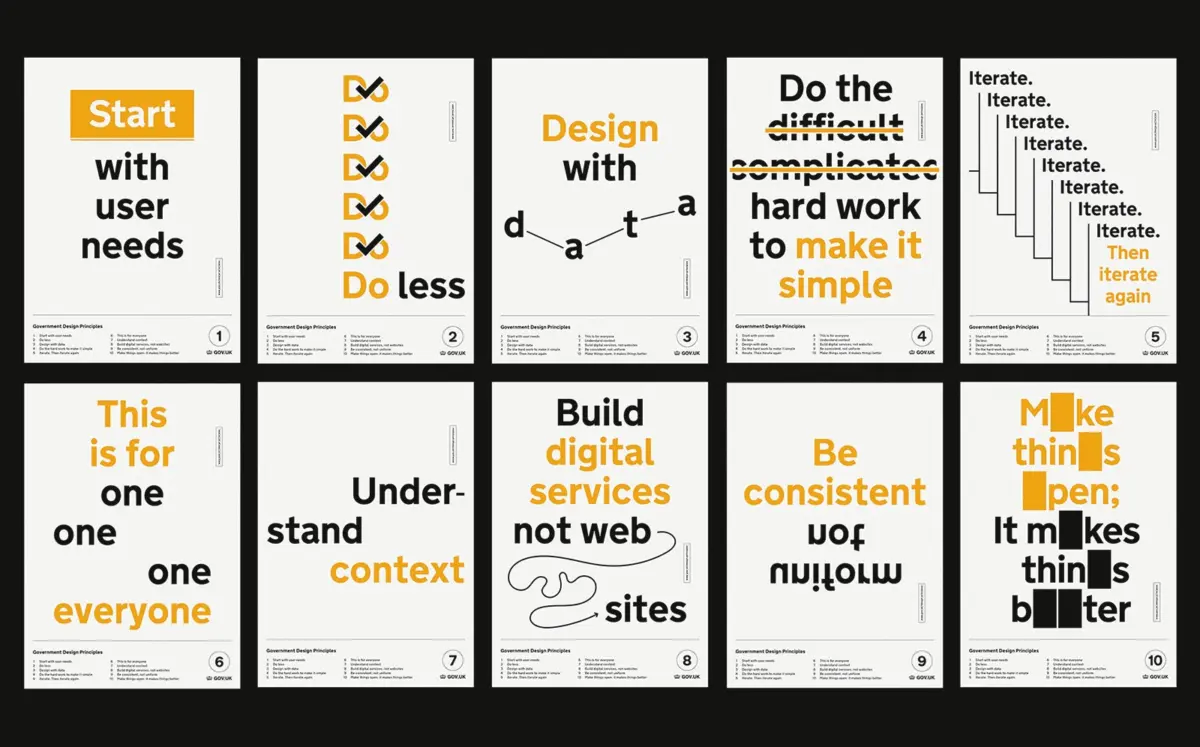
Instead, leadership should follow models inspired by public sector frameworks (such as the GOV.UK design principles): distill core compliance rules down to a short, highly visible set of principles that fit on a single poster, and trust employees to apply common sense within those clear guardrails.
Future Outlook: The Imperative of Adaptive Change Management
The roadmap for the future of enterprise AI is clear: organizations must stop viewing artificial intelligence as an IT deployment project and start treating it as a profound human and cultural evolution.
The risks of moving too slowly—being outpaced by agile competitors, cultivating deep employee resentment, and proliferating unmonitored Shadow AI—far outweigh the risks of temporary operational messiness. Leaders must accept a degree of initial chaos as teams explore the boundaries of what AI can achieve in their specific domains.
Ultimately, the organizations that thrive in the AI era will be those that prioritize empathy, incentivize meaningful transformation rather than superficial productivity metrics, and empower their workforce to learn through guided, safe experimentation. The lessons of the digital transformation era were painful and expensive; repeating them in the age of AI is a luxury no enterprise can afford.
