

Executive Overview
The intersection of media, politics, and corporate governance in the United States has reached a critical inflection point. Recent developments underscore a rapidly transforming media ecosystem where traditional broadcast regulations are increasingly tested by political alignments, high-profile ethical lapses shake the foundations of major literary and journalistic institutions, and the economic models supporting linear news are undergoing seismic shifts.
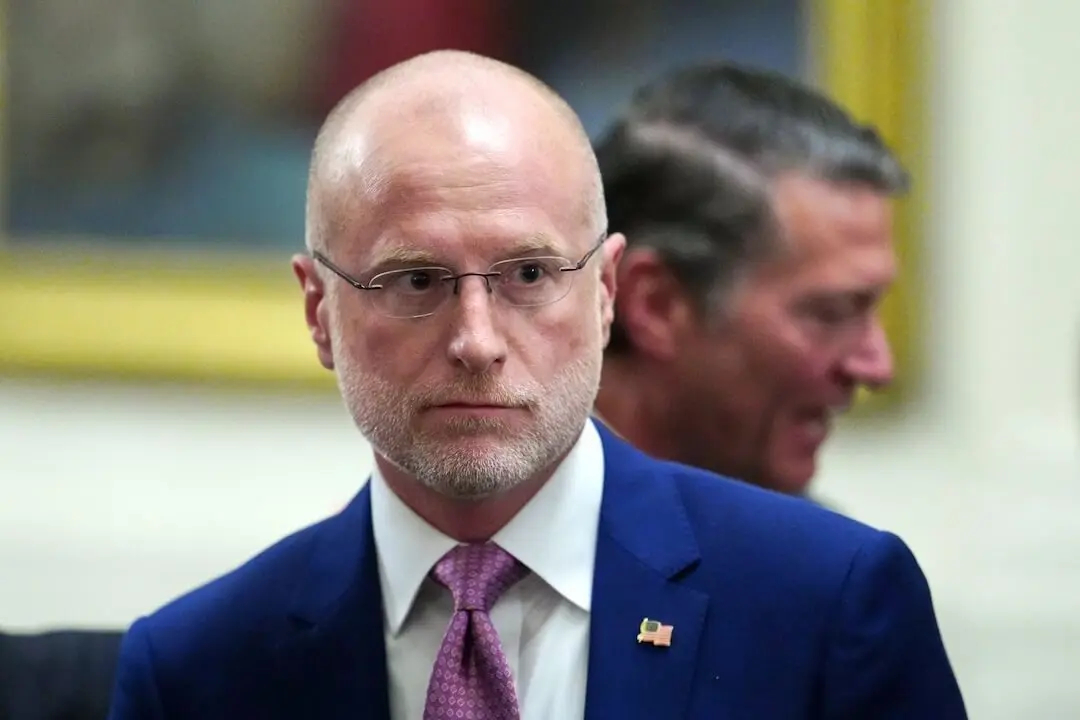
At the center of this turbulence is the Federal Communications Commission (FCC), led by Chair Brendan Carr. Newly uncovered documents obtained via Freedom of Information Act (FOIA) requests reveal deep, consistent coordination between the top regulatory body and the Trump administration, intensifying concerns over the weaponization of government agencies against legacy media networks. Simultaneously, the industry continues to grapple with internal crises—exemplified by the massive plagiarism scandal surrounding writer Ross Barkan—and the aggressive posture of political figures toward female journalists. As media companies pivot toward direct-to-consumer models like MS NOW’s upcoming membership program and continue to navigate high-stakes corporate mergers, the role of journalism in holding power to account faces unprecedented stress tests.
Detailed Chronology
The FCC, the White House, and ABC News
The Federal Communications Commission is statutorily mandated to operate as an independent agency regulating interstate and international communications. However, under the tenure of Chair Brendan Carr, the agency has faced intense scrutiny over its actions regarding network programming criticized by President Donald Trump.
The friction escalated significantly when Carr threatened ABC over comments made by Jimmy Kimmel during a monologue concerning the late conservative activist Charlie Kirk. Following this, the FCC initiated inquiries into whether ABC’s daytime talk show The View was subject to the equal-time rule for political candidates. Most notably, the FCC took the unusual regulatory step of compelling ABC to apply early to renew eight of its local broadcast licenses, a move that legal experts and media advocates argue places undue economic and operational pressure on the network.
When questioned about his communications with the White House by Politico’s Dasha Burns, Carr demurred, stating, "As a general matter, I don’t speak publicly about conversations with the White House, or whether they happen or don’t happen."
However, newly uncovered documents—secured via a FOIA request and a subsequent lawsuit filed by the advocacy group Democracy Forward on behalf of The Guardian—tell a different story. Reporting by Jeremy Barr reveals that between March 12, 2025, and February 11, 2026, Carr attended at least eight meetings at the White House and participated in multiple scheduled calls with administration officials, including White House Chief of Staff Susie Wiles and Health Secretary Robert F. Kennedy Jr.
The Plagiarism Scandal: Ross Barkan and Industry Fallout
While regulatory battles play out in Washington, the print and digital journalism sectors have been rocked by significant ethical breaches. In May, Washington Post reporter Drew Harwell flagged striking similarities between the lead of a New York magazine profile on conservative commentator Ben Shapiro, written by contract contributor Ross Barkan, and his own previously published reporting. Barkan had failed to attribute Harwell’s work.
Subsequent investigations by NPR’s Bobby Allyn uncovered additional instances of uncredited paraphrasing and structural similarities in Barkan’s work across multiple publications. Barkan initially pushed back aggressively on social media and criticized reporters seeking comment.
By August, following an internal review, New York magazine severed ties with Barkan after finding that 67 columns violated its publication standards. The fallout rippled across the literary and academic communities:
- Penguin Random House suspended promotion and sales of Barkan’s forthcoming book, The Revolutionary: Zohran Mamdani and the Remaking of American Politics.
- Gothamist removed several of Barkan’s articles, replacing them with editorial notes regarding standards compliance.
- New York University confirmed that Barkan would no longer teach as an adjunct faculty member in its journalism school for the upcoming fall semester.
Following these developments, Barkan issued a public apology via social media, acknowledging his failure to properly cite and paraphrase sources amidst a high-output publishing schedule.
Escalating Rhetoric Against the Press
Tensions between the Trump administration and the White House press corps have also intensified. Veteran journalists have noted a distinct escalation in hostility, particularly directed at female correspondents.
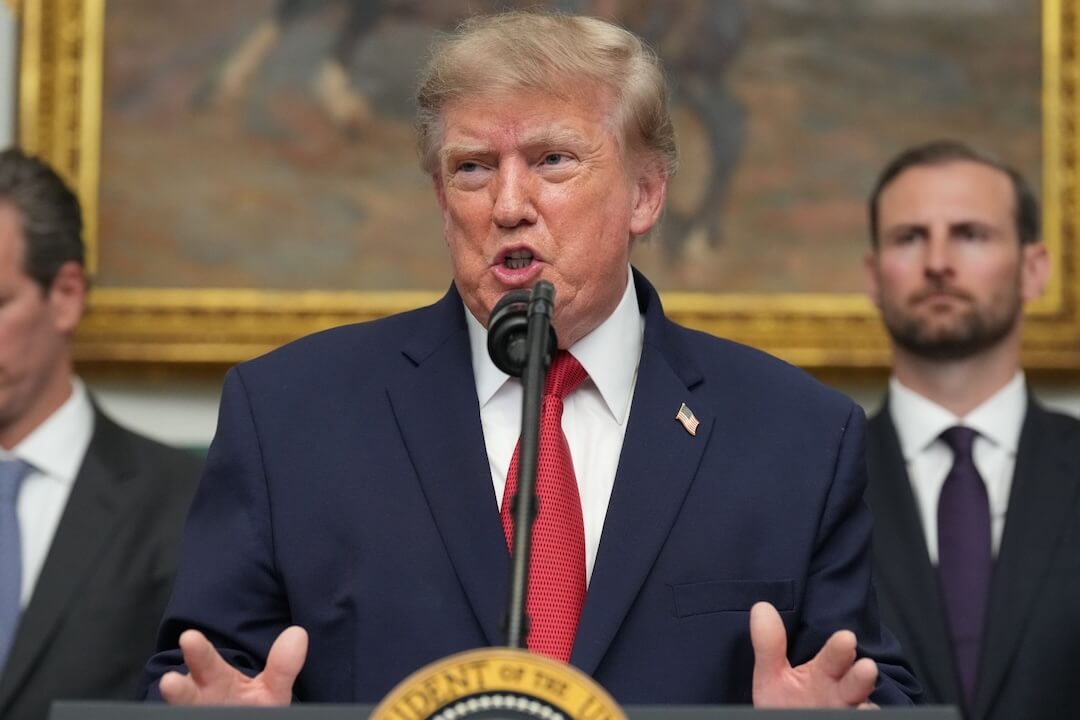
Earlier in the week, CNN correspondent Kristen Holmes questioned President Trump regarding conditions aboard the USS Lincoln. Trump interrupted the questioning, telling Holmes to be quiet and labeling her "disrespectful." The exchange prompted CNN to issue a public statement defending its correspondent.
Appearing on Christiane Amanpour’s The Ex Files podcast, New York Times White House correspondent Maggie Haberman remarked that attacks on female reporters have grown significantly more aggressive and personal than during Trump’s first term. Haberman observed that such insults often serve as a tactical maneuver to deflect from substantive policy questions and pivot media narratives away from difficult topics.
Supporting Context & Metrics
Regulatory Scrutiny and Industry Relationships
The documents obtained by Democracy Forward shed light not only on Carr’s interactions with the executive branch but also on his media strategy and engagement with industry figures. The files detail communications with producers at Fox News and previously undisclosed meetings with media executives, including Fox Corp. CEO Lachlan Murdoch and Sinclair Broadcast Group Chair David Smith.
Dan McGrath, special counsel for oversight at Democracy Forward, noted the implications of these findings: "This raises serious questions about whether the FCC is operating as an independent regulator, or whether political relationships and industry influence have become too intertwined with its decision-making."
While meetings between an FCC chair and media executives are not inherently unusual, media analysts have pointed out a distinct ideological pattern: the vast majority of Carr’s documented media meetings involve entities that cater to conservative audiences, including former Republican Representative and One America News host Matt Gaetz.
Financial Shifts in Cable News
Facing structural declines in linear television subscriptions, major news networks are aggressively expanding their digital footprints. While established brands like Fox News and MS NOW continue to generate substantial revenues—with Kagan data projecting MS NOW to pull in approximately $1 billion in 2026—networks are looking toward direct-to-consumer monetization models to future-proof their operations.
MS NOW’s upcoming launch of its Membership program, priced at $7.99 monthly or $79.99 annually, represents a direct effort to capture dedicated audiences through exclusive verticals, community interaction features, and 24/7 network feeds. This mirrors broader industry efforts to diversify revenue streams away from traditional cable bundle declines.
Official Statements and Legal Actions
Disney-ABC’s First Amendment Lawsuit
In response to the FCC’s early license review demands, ABC’s parent company, Disney, filed a federal lawsuit in Washington, D.C., alleging that the regulatory agency violated its First Amendment rights. The lawsuit characterizes the FCC’s actions as a retaliatory campaign designed to coerce the network into altering its editorial programming.
Legal filings argue that even if licenses are ultimately renewed, the review process subjects the network to years of costly litigation and a persistent threat of adverse regulatory action.
When interviewed by NPR’s David Folkenflik, FCC Chair Brendan Carr dismissed the lawsuit as meritless: "Perhaps Disney is concerned or worried about how the record is developing. But again, ultimately, they’re going to get a fair shake before the agency."
Legal scholars and editorial boards, including The Wall Street Journal, have largely sided with the network’s free-speech arguments, drawing contrast with Carr’s past criticisms of progressive attempts to petition the agency against political broadcasts.
The Paramount-Warner Bros. Discovery Merger Battle
Legal friction is also defining the corporate entertainment landscape. California Attorney General Rob Bonta, leading a multistate antitrust effort to halt the proposed Paramount acquisition of Warner Bros. Discovery, addressed threats made by Paramount CEO David Ellison regarding corporate relocation.
In an interview with The Hollywood Reporter, Bonta dismissed the threats as a sign of weakness in the courtroom: "What it reveals is that they’re on the back foot, they’re reeling. They’re losing in court. And David Ellison has to explain why he’s talking out of two sides of his mouth."
Future Outlook
The media landscape heading into the final quarters of 2026 is defined by high-stakes institutional friction across multiple fronts:
- The Boundaries of Regulatory Independence: The outcome of the Disney-ABC lawsuit against the FCC will set a vital judicial precedent regarding the extent to which executive branch priorities can influence independent regulatory commission decisions concerning broadcast licensing.
- The Digital Membership Economy: As linear cable viewership continues its gradual contraction, the success or failure of direct-to-consumer platforms like MS NOW’s new membership tier will likely influence how other major news organizations restructure their digital offerings.
- Journalistic Integrity and Accountability: The swift institutional consequences faced by Ross Barkan—spanning magazine termination, book suspension, and academic removal—signal a low tolerance for attribution failures across major media outlets, prompting newsrooms to tighten internal verification standards.
- On-Air Talent Expansion: Despite ongoing debates over cross-platform exposure and political friction—such as Pat McAfee’s expanded role on ESPN’s Monday Night Countdown alongside his high-profile public appearances—networks continue to lean into personality-driven programming to secure viewer engagement.
As these legal, regulatory, and cultural battles unfold, the structural integrity of independent journalism and its regulatory overseers will remain under intense public and judicial scrutiny.