

Executive Overview
The landscape of American journalism and media regulation is undergoing a seismic and contentious transformation. With the midterm elections looming just weeks away, federal oversight of news reporting has thrust the Federal Communications Commission (COMMISSION) into unprecedented territory. Spearheaded by Chair Brendan Carr, the FCC has issued stark warnings to broadcasters regarding the dissemination of what it classifies as "Fake Polls and Suppression Polls," invoking arcane regulations on news distortion and broadcast hoaxes. This regulatory pivot has triggered intense debate across the media ecosystem, raising critical First Amendment questions about government overreach, censorship, and the structural independence of regulatory bodies.
Simultaneously, the broader media industry faces compounding pressures: monumental legal actions, such as a staggering $25 billion privacy penalty levied against Meta; deep structural and editorial crises at historic publications like Christianity Today; and an inspiring paradigm of journalistic collaboration emerging from remote outposts like Alaska. This report provides a comprehensive examination of these interconnected developments, exploring how regulatory pressure, financial instability, and shifting technological frontiers are reshaping the fifth estate.
Detailed Chronology: Regulatory Escalation and Legal Battles
The FCC’s Polling Warning and the Wedgewood Controversy
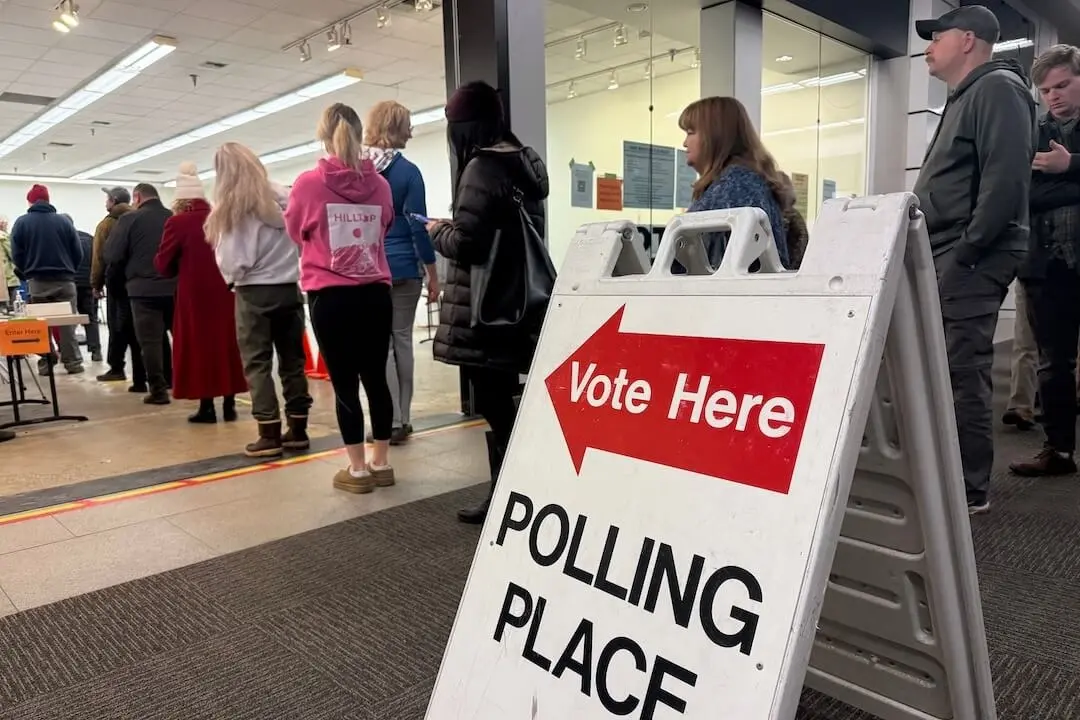
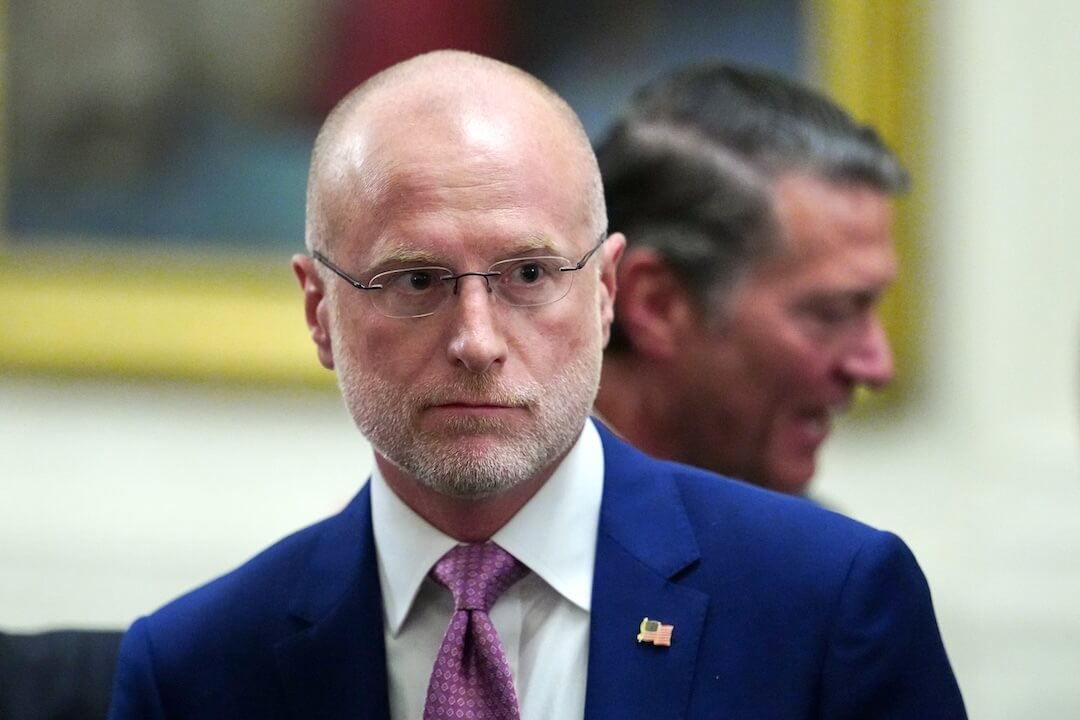
The friction between federal regulators and broadcast networks intensified when FCC Chair Brendan Carr took to social media to issue a sweeping warning to broadcasters. Carr cautioned that airing unverified or intentionally fabricated political surveys could directly violate the public interest obligations tied to their federal broadcast licenses.
While Carr did not name specific outlets or polls in his initial directive, the warning closely followed an admission by Wedgewood Polls. The newly launched polling firm acknowledged that it had entirely fabricated a series of political surveys as a "social experiment" designed to expose vulnerabilities within the polling industry. These fraudulent datasets had successfully bypassed initial editorial checks, finding their way into major news reports and prominent polling aggregators before being quietly retracted.
Carr argued that these incidents represent a "significant surge" in manipulative polling engineered to alter voter enthusiasm and turnout. Invoking strict prohibitions against news distortion and broadcast hoaxes, the FCC chair urged networks to critically review their past polling coverage and provide retroactive context to viewers.
The Escalation of Legal Actions: ABC, Disney, and Meta
The FCC’s aggressive stance on content and licensing is not occurring in a vacuum. In August, ABC and its corporate parent, The Walt Disney Co., filed a landmark federal lawsuit against the FCC. The legal challenge alleges that the commission violated the First Amendment by weaponizing the licensing renewal process—specifically targeting eight ABC-owned local stations for early review years ahead of schedule—to pressure the network into altering its news coverage, late-night comedy, and political commentary.
Reflecting on these extraordinary developments during a New York appearance at Media Trends Live, FCC Commissioner Anna Gomez—the lone Democrat on the five-member commission—did not mince words. Gomez predicted that ABC would likely prevail in its constitutional lawsuit.
"I can tell you that I’m very glad Disney found its courage because I’ve said this time and time again: capitulation breeds capitulation, but courage inspires courage," Gomez stated, characterizing the FCC’s maneuverings as an unprecedented attempt to bring a major media network to heel. "I have never seen an FCC that’s less independent than this FCC. Clearly, everything is at the direction of the White House, and that’s really problematic."
Outside the Beltway, the legal reckoning for Big Tech reached a historic milestone when a New Mexico state judge ordered Meta to pay a staggering $25 billion penalty. The ruling stems from a jury finding that the tech giant committed 43 million violations of state consumer protection laws in connection with the Cambridge Analytica data privacy scandal. Described by legal scholars as a "systematic pattern of deception at the core of Facebook’s business model," the penalty dwarfs previous regulatory fines and establishes a formidable new precedent for state-level enforcement against corporate data practices.
Supporting Context & Metrics: The Crisis in Print and the Alaska Collaborative Blueprint
Christianity Today and the Erosion of Editorial Independence
While broadcast media and tech conglomerates battle federal regulators and courts, print journalism is weathering its own profound internal crises. Over the past 14 months, Christianity Today—the flagship evangelical magazine founded in 1956 by Billy Graham—has lost more than half of its editorial staff through a wave of layoffs and high-profile resignations.
Former journalists and editors describe a publication buckling under financial strain and retreating from investigative rigor. With subscriber numbers falling from roughly 80,000 a decade ago to just over 50,000, leadership under CEO Nicole Massie Martin and COO Thomas Addington allegedly sought to soften reporting to avoid alienating donors and professional networks.
In a searing essay published on her Substack, former deputy editor Bonnie Kristian detailed an organizational culture driven by fear and reputational anxiety. Kristian noted that with her departure and the exit of editor-in-chief Marvin Olasky, the magazine is left with zero dedicated writers and only six "point editors," marking a tragic dilution of institutional independence and journalistic integrity.
The Alaska Media Coalition: A Survival Model for Regional News
In stark contrast to the contraction seen elsewhere, media outlets in Alaska have pioneered an extraordinary model of cooperative survival. Facing vast geographical challenges—where roughly 80% of communities lack road connections and reporting trips require expensive bush-plane travel—competing newsrooms have largely abandoned cutthroat rivalry in favor of structural collaboration.
Led by platforms like the nonprofit Alaska News Coalition, roughly eight newspapers and various public media entities actively share reporting resources, coordinate coverage schedules, and co-host political debates. Outlets like the Alaska Beacon have seen thousands of their articles republished across partner platforms.

This cooperative framework has become essential as Alaska plays host to one of the most closely watched and eccentric midterm Senate races in the nation. Featuring high-stakes visits from national party leadership and a unique electoral quirk involving a secondary candidate sharing the name of incumbent Senator Dan Sullivan—jokingly dubbed "Decoy Dan" by critics—the state’s collaborative press corps ensures that voters receive comprehensive, unfettered access to critical electoral information despite severe resource limitations.
Official Statements and Industry Reactions
The collision between federal oversight and journalistic autonomy has drawn sharp lines across the political and legal spectrum:
- Brendan Carr (FCC Chair): Defending the commission’s warnings on polling, Carr emphasized the sanctity of public interest obligations, stating, "Broadcasters are prohibited by the terms of their federal licenses from engaging in News Distortion or promoting Broadcast Hoaxes. It is important that broadcasters comply with their public interest obligations."
- Seth Stern (Chief of Advocacy, Freedom of the Press Foundation): Strongly condemning the FCC’s rhetoric, Stern highlighted the constitutional dangers of government interference in newsrooms: "FCC policies about hoaxes and distortions must be applied narrowly to avoid clashing with the Constitution, if they can be constitutionally applied at all… The law under which the FCC operates expressly prohibits censorship and meddling with free speech."
- Anna Gomez (FCC Commissioner): Underscoring the unprecedented nature of the commission’s actions against broadcasters, Gomez noted that establishing a violation of news distortion policies requires "a deliberate misrepresentation of something of significant importance," a threshold that standard polling inaccuracies simply cannot meet.
- Donald Trump (President of the United States): Voicing skepticism over mainstream polling and media reporting amid low approval ratings in recent Reuters/Ipsos surveys, the president remarked to reporters outside the White House: "A lot of the polls are rigged. Just like the journalists are rigged."
Future Outlook
As the American media ecosystem navigates the final weeks leading into the midterm elections, the intersection of regulatory enforcement, constitutional law, and technological disruption will undoubtedly define the immediate future of journalism.
The outcome of ABC and Disney’s federal lawsuit against the FCC will serve as a crucial bellwether for the limits of executive power over broadcast licensing. A ruling in favor of the network could reestablish robust legal firewalls protecting editorial freedom, whereas a defeat would permanently alter the relationship between federal regulators and newsrooms.
Concurrently, the fallout from the Wedgewood polling controversy and Chair Carr’s warnings will likely force news organizations to implement much more rigorous verification protocols for statistical and survey-based reporting. Yet, as demonstrated by the resilient collaborative networks in Alaska and the ongoing struggles for financial and editorial survival in publications nationwide, the enduring vitality of the press will depend less on regulatory strictures and more on the unyielding commitment of journalists to seek truth, verify facts, and protect their institutional independence.