

Executive Overview
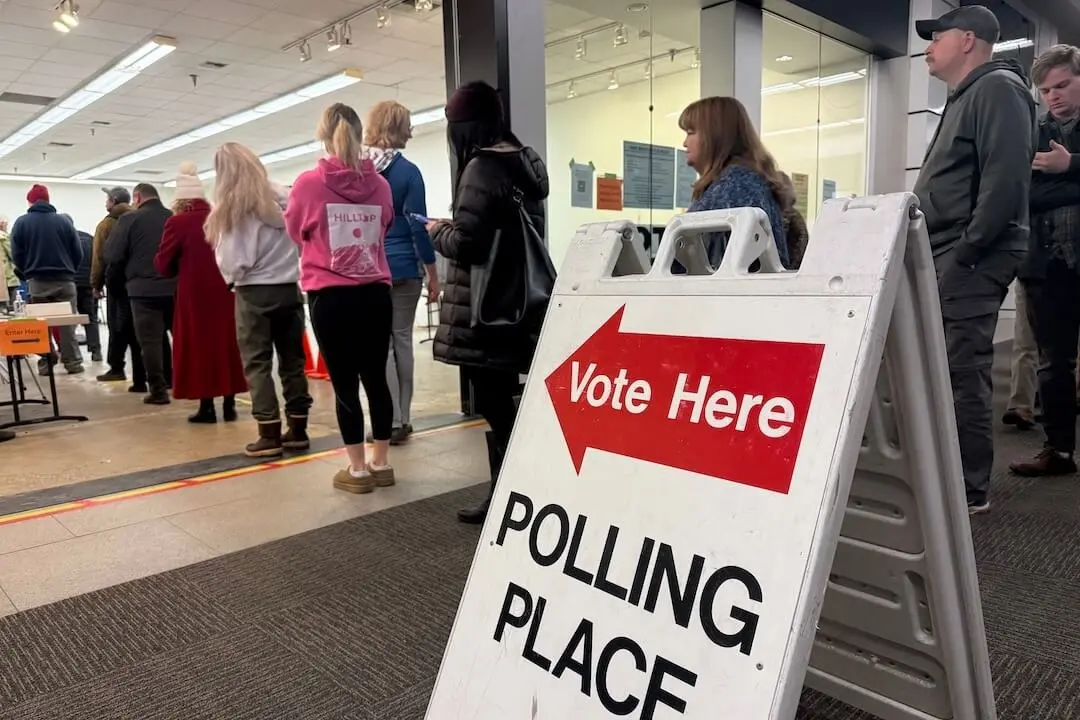
The intersection of media regulation, electoral politics, and constitutional protections has reached a volatile flashpoint. As the United States barrels toward high-stakes midterm elections, federal regulators have thrust themselves into the mechanics of political news coverage. Led by Federal Communications Commission (FCC) Chair Brendan Carr, the agency has issued stern warnings to broadcasters regarding the airing of what it terms "Fake Polls and Suppression Polls," invoking rules against news distortion and broadcast hoaxes. This regulatory posture has ignited a fierce national debate, pitting the commission’s statutory authority against unyielding First Amendment protections.
Simultaneously, the broader media landscape is weathering profound systemic shocks. Across the country, newsrooms are confronting unprecedented economic contractions, existential crises of editorial independence, and massive legal reckonings. From a historic $25 billion privacy penalty levied against Meta in New Mexico, to the gutting of legacy evangelical publication Christianity Today amid executive overreach, to pioneering collaborative reporting models in the vast wilderness of Alaska, the fourth estate is simultaneously fighting external political pressure and internal structural decay.
This report provides a comprehensive, deep-dive examination of the multi-front battleground shaping American journalism, media accountability, and free expression today.
Detailed Chronology
The unfolding crisis across the media and regulatory ecosystem can be traced through a rapid succession of recent events:
- Early August: ABC and its corporate parent, The Walt Disney Co., file a landmark federal lawsuit against the FCC. The legal action alleges that the agency violated the company’s First Amendment rights by weaponizing broadcast license reviews—calling up stations for early renewal years ahead of schedule—to coerce and alter the network’s news reporting, comedy, and political commentary in a bid to appease the White House.
- Early October: A widely cited Reuters/Ipsos poll reveals that public approval of the sitting president has plummeted to 31%, the lowest level of either of his presidential terms. In response, the administration steps up its attacks on mainstream media, with the president declaring public polling and journalists alike to be "rigged."
- Mid-October: The polling industry is rocked when Wedgewood Polls—a firm established earlier in the year—acknowledges that it entirely fabricated political surveys. These manufactured datasets had been aggressively amplified by various news organizations and incorporated into major polling aggregators before investigative scrutiny forced their removal.
- Wednesday, October 21:
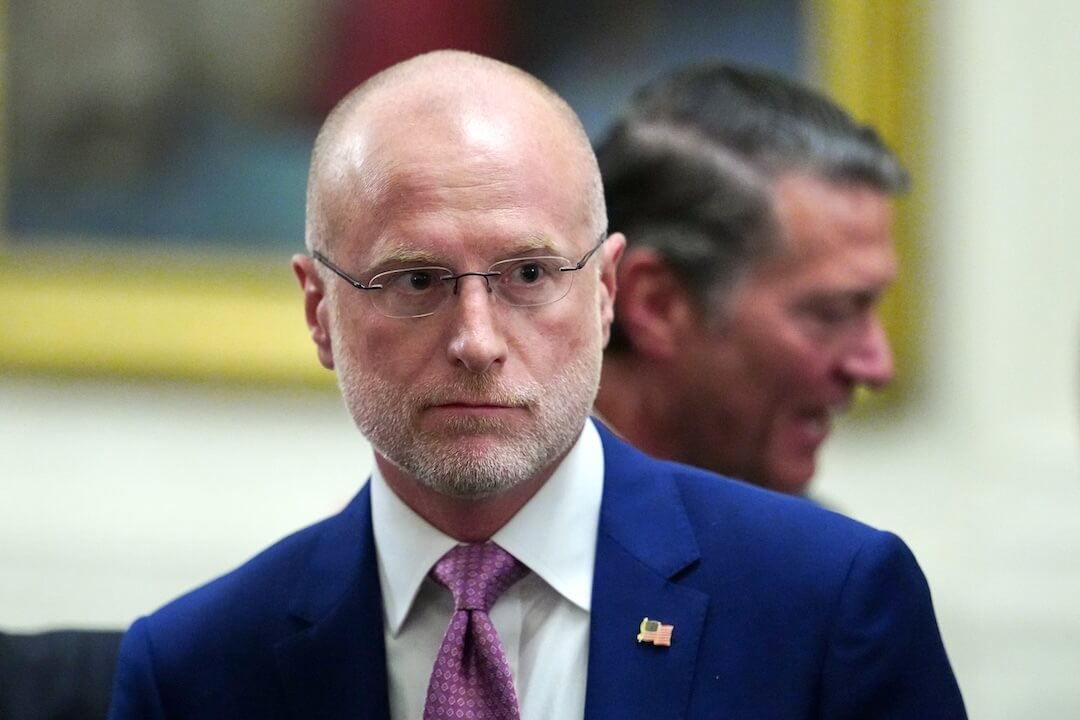
- FCC Warning: FCC Chair Brendan Carr takes to social media platform X to warn broadcasters that airing unverified, fake, or suppression polls violates their federal licensing obligations under news distortion and broadcast hoax prohibitions.
- Meta Penalized: A New Mexico state judge orders Meta to pay a staggering $25 billion following a jury verdict finding 43 million violations of state consumer protection laws tied to the Cambridge Analytica data privacy scandal.
- Christianity Today Exodus: The New York Times reveals that Christianity Today has lost more than half its staff over the preceding 14 months due to layoffs and resignations, with departing journalists accusing executive leadership of undermining editorial independence to protect financial and social interests.
- Alaska Collaboration: Facing immense logistical and budgetary hurdles ahead of a critical Senate midterm race, Alaska newsrooms formalize unprecedented cross-outlet reporting cooperatives, defying historic competitive impulses to ensure remote voters receive vital information.
- Late October: Democratic FCC Commissioner Anna Gomez speaks at a New York media event, predicting that ABC will successfully prevail in its First Amendment lawsuit against the agency and condemning the current FCC as the least independent in modern history. Meanwhile, CNN anchor Jake Tapper announces a surprising graphic novel debut detailing the decades-long hunt for Nazi war criminal Klaus Barbie.
Supporting Context & Metrics
To fully understand the gravity of these developments, one must examine the quantitative and qualitative pressures acting upon modern media organizations.
Regulatory Reach vs. Constitutional Boundaries
The FCC’s renewed focus on political polling leverages obscure administrative levers—specifically, the doctrines governing "news distortion" and "broadcast hoaxes." Historically, these policies have been applied under an exceptionally high legal threshold. As Democratic Commissioner Anna Gomez noted, proving a violation requires demonstrating a deliberate, malicious misrepresentation of a matter of profound significance. Mere journalistic error or reliance on an unverified poll does not meet this standard. Yet, by dangling the existential threat of broadcast license non-renewal over networks, the regulatory body introduces a chilling effect that bypasses traditional judicial review.
The Economics of Trust and Collapse
The economic fragility of the press continues to accelerate institutional decay. At Christianity Today, once a towering intellectual voice in American evangelicalism, plunging subscriber counts—down from 80,000 a decade ago to just over 50,000—created a fertile environment for corporate anxiety. According to former staffers, this financial precarity empowered executives Nicole Massie Martin and Thomas Addington to steer reporting away from institutional controversies, resulting in an exodus that leaves the publication with zero dedicated writers and only six "point editors."
Similarly, Big Tech faces historic accountability measures. The $25 billion judgment handed down against Meta in New Mexico dwarfs previous penalties, such as Facebook’s 2019 $5 billion settlement with the Federal Trade Commission. Legal scholars suggest this ruling could establish a powerful blueprint for state-level enforcement of consumer protection statutes against platform monopolies.

Collaborative Journalism in Extreme Geographies
Conversely, resilience is emerging in unexpected places. In Alaska—a state whose geographic expanse dwarfs California, Texas, and Montana combined—traditional newsroom competition has become a luxury of the past. With roughly 80% of communities entirely disconnected from the road network, the cost of covering remote campaigns is prohibitive. Through initiatives like the Alaska News Coalition and direct peer-to-peer sharing led by outlets like the Alaska Beacon, The Anchorage Press, and the Anchorage Daily News, regional journalists have pooled resources, republished thousands of stories, and co-hosted debates to ensure voters remain informed ahead of a pivotal Senate contest.
Official Statements & Stakeholder Perspectives
The ideological battle lines over media freedom and government oversight are clearly drawn through the public statements of key figures:
- Brendan Carr, FCC Chair: Defending his warning against unverified polling on X, Carr asserted that journalists and broadcasters bear an ethical duty to vet information. “Many journalists and broadcasters have been amplifying or airing these Polls without regard to basic journalistic ethics and without informing the public that those Polls lack a scientific, accurate, or even real basis… Broadcasters are prohibited by the terms of their federal licenses from engaging in News Distortion or promoting Broadcast Hoaxes.”
- Anna Gomez, FCC Commissioner: Speaking bluntly about the weaponization of regulatory authority at an industry event in New York, Gomez sharply rebuked the commission’s direction: “I have never seen an FCC that’s less independent than this FCC. Clearly everything is at the direction of the White House, and that’s really problematic.” She added her support for Disney’s legal posture, noting, “Capitulation breeds capitulation, but courage inspires courage.”
- Seth Stern, Chief of Advocacy, Freedom of the Press Foundation: Criticizing the regulatory overreach of Carr’s statements, Stern emphasized the absolute constitutional protections afforded to newsgatherers: “Broadcasters have a First Amendment right to report polling data, even if that data ultimately proves to be inaccurate… The law under which the FCC operates expressly prohibits censorship and meddling with free speech.”
- Bonnie Kristian, Former Deputy Editor, Christianity Today: In a reflective essay detailing her departure from the magazine, Kristian diagnosed the root causes of the outlet’s institutional decline: “Christianity Today has an increasingly muddled sense of its place within American evangelicalism and a C-suite that exhibits discomfort with, disinterest in, and sometimes even distaste for journalists and our work… leadership increasingly driven by fear, by the kind of anxiety about reputational and financial loss that makes bold, interesting, principled journalism very difficult.”
Future Outlook
As the United States approaches the midterm elections, the media ecosystem stands at a precarious crossroads. The outcome of ongoing federal litigation—particularly ABC and Disney’s First Amendment challenge against the FCC—will likely set a defining constitutional precedent for decades regarding whether administrative agencies can weaponize broadcast licensing to police editorial content.
At the same time, the fallout from the Wedgewood Polls fabrication scandal underscores the critical necessity of rigorous data verification within newsrooms, even as financial cutbacks strain reporting resources. Whether through the bold defensive posture of corporate media legal teams, the innovative survival tactics of collaborative regional networks like those in Alaska, or the steadfast refusal of individual journalists to compromise their independence, the fourth estate faces an existential test of its resilience against both political intimidation and market forces.