

Executive Overview
In the current cinematic landscape, studio executives and indie financiers alike are locked in a relentless pursuit to bottle the elusive lightning of Generation Z culture. Throughout the summer slate of 2026, genre entries like “Obsession” and “Backrooms” generated substantial internet-driven discourse, though often relying on the pre-established digital footprints of their YouTube-native creators. Yet, quietly rising above the noise of viral marketing and hollowed-out horror tropes is a far more resonant, formally daring picture: It Ends, the feature-length directorial debut of writer-director Alexander Ullom.
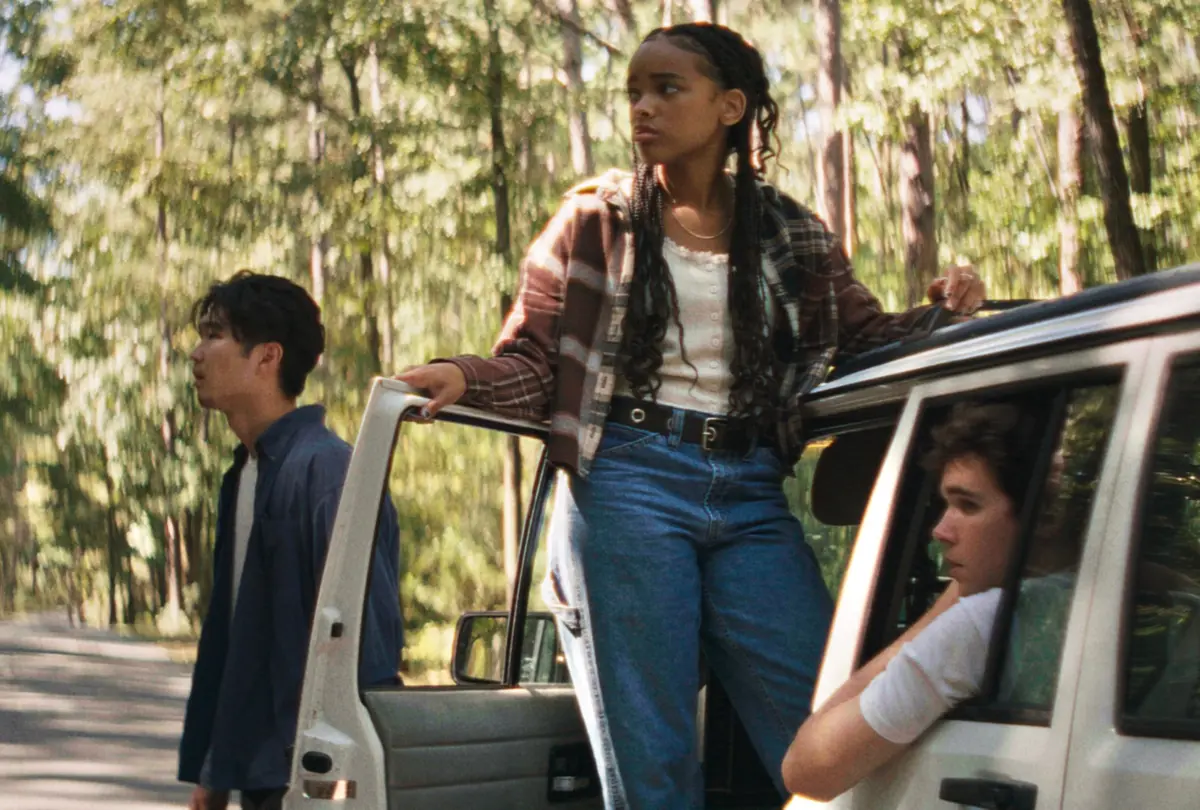
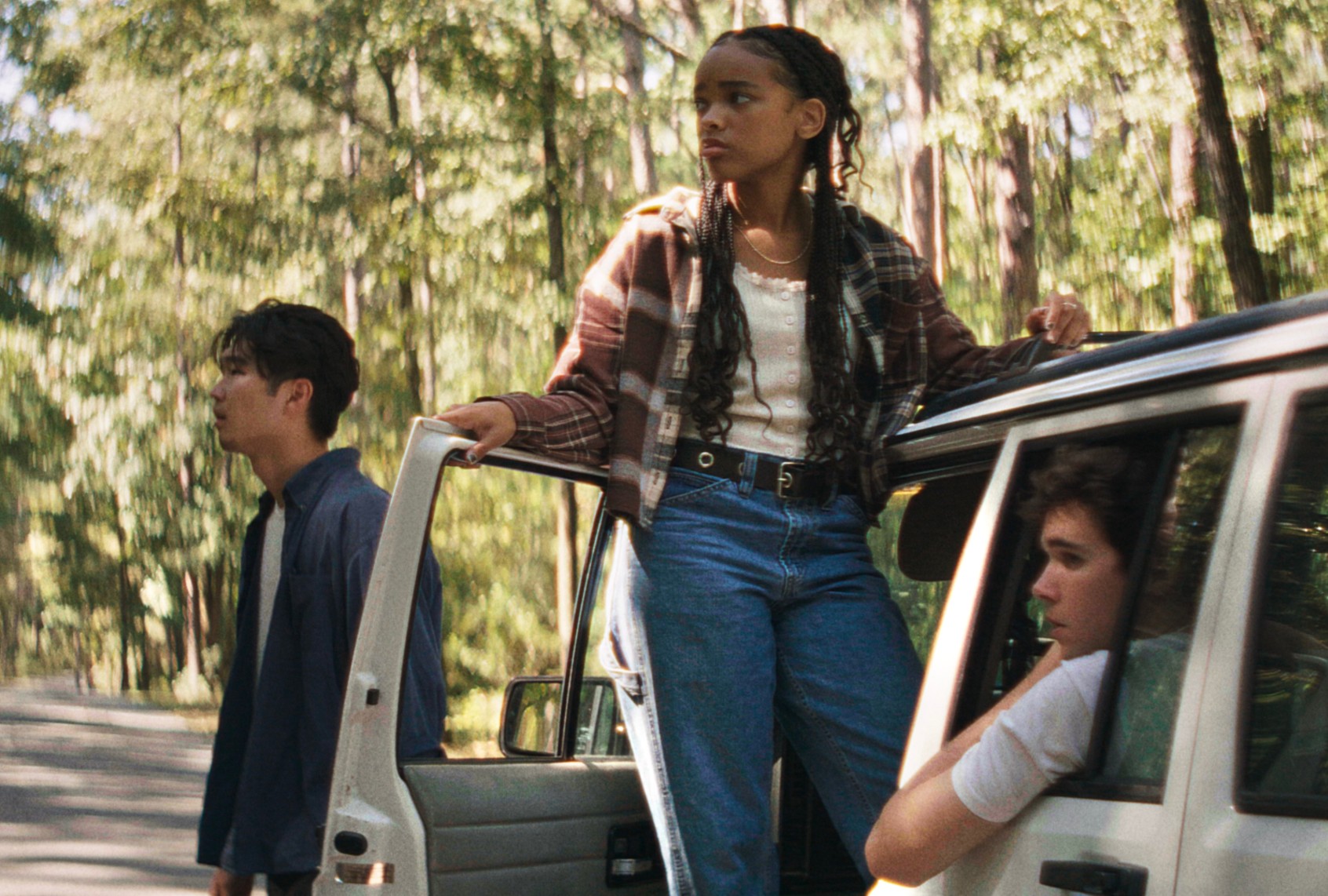
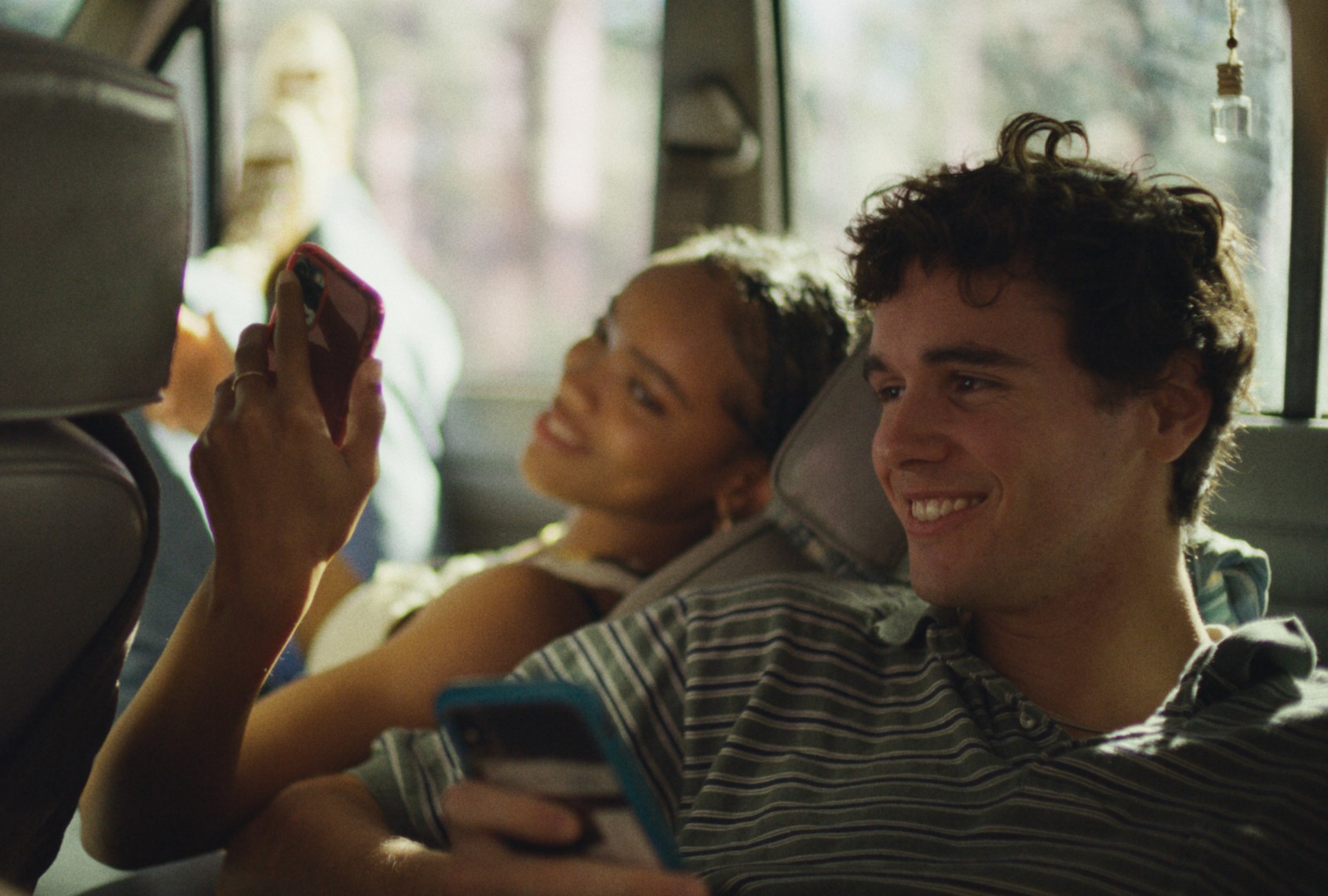
Clocking in at a brisk, purposeful 89 minutes, It Ends follows four early-20-somethings—Day (Akira Jackson), James (Phinehas Yoon), Tyler (Mitchell Cole), and Fisher (Noah Toth)—who pile into a car for a final road trip before the crushing obligations of real life set in. When they turn onto an endless, two-lane highway flanked by impenetrable dark forests and blocked behind them by thick wilderness, the journey transforms into an existential purgatory. Every 90 seconds, stepping out of the vehicle unleashes blood-curdling screams from unseen figures begging for help from the tree line.
More than just an inventive psychological thriller, It Ends has emerged as a defining artifact of contemporary youth cinema. Its unconventional, grassroots road to commercial distribution—transitioning from a quiet premiere at the 2025 South by Southwest (SXSW) Film Festival to a revolutionary launch via Letterboxd’s digital storefront, and finally to a wide theatrical acquisition by NEON—mirrors the tenacious spirit of its protagonists. Moving past the superficial affectations that plagued its seasonal peers, Ullom’s film offers a biting, hauntingly accurate commentary on digital disaffection, desensitization, and the quiet resilience required to retain one’s humanity in a world that feels increasingly terminal.
Detailed Chronology: From Festival Obscurity to NEON’s Big Screen
The journey of It Ends from an under-the-radar microbudget experiment to a critical darling championed by major arthouse distributors is a masterclass in modern cinematic perseverance.
March 2025: The SXSW Premiere
When It Ends premiered at the South by Southwest Film Festival, it was met with a respectful, albeit muted, critical reception. Early reviews frequently pigeonholed the picture as yet another straightforward indie coming-of-age allegory, focusing narrowly on the universal anxieties of transitioning into adulthood. While this thematic layer is undeniably present, the broader implications of Ullom’s blistering societal commentary were largely overlooked by festivalgoers accustomed to flashier festival fare. Lacking an immediate distribution deal, the film faced the dreaded purgatory that swallows countless microbudget indies whole: festival acclaim with no guarantee of a public release.
April–November 2025: The Distribution Wilderness
For the better part of a year, the team behind It Ends navigated the frustrating bureaucratic landscape of independent film distribution. In an era where major studios heavily favor properties with built-in internet fandoms—such as the YouTube-forged followings of Obsession and Backrooms—Ullom entered the arena at a distinct disadvantage. Aside from a handful of sketch comedy videos and partial crowd-sourced funding from a solitary YouTube subscriber, Ullom had been dormant on digital platforms for over five years. He possessed no massive digital empire to leverage. However, this absence of pre-existing internet hype ultimately insulated the film, allowing it to function as a pure, unadulterated reflection of Gen Z realities rather than a calculated piece of content creator branding.
December 2025: The Letterboxd Breakthrough
Salvation arrived from an unexpected digital pioneer. Social cataloging platform Letterboxd announced that It Ends would serve as a launch title for its newly minted Letterboxd Video Store—an innovative initiative designed to showcase overlooked independent features and festival first-runs that lacked traditional distribution.
Beginning in December 2025, It Ends was made available for digital rental to Letterboxd users for a modest fee over a one-month window. The response was immediate and overwhelming. Cinephiles swarmed the platform to log, review, and evangelize the film, turning word-of-mouth momentum into a digital tidal wave.
Early 2026: The NEON Acquisition and Theatrical Run
Within a week of its Letterboxd Video Store debut, the film’s undeniable cultural resonance caught the attention of NEON, the prestige distributor behind some of contemporary cinema’s most daring and awarded features. Recognizing both its commercial viability and its razor-sharp cultural insights, NEON acquired the film for wide theatrical distribution. In less than eighteen months, Alexander Ullom’s tiny, self-funded indie completed an astonishing trajectory: from a quiet festival screening to a major cinematic release backed by one of the industry’s most influential independent powerhouses.
Supporting Context & Metrics: Defining Gen Z Cinema
To understand the cultural weight of It Ends, one must examine the specific cinematic climate of 2026. Studios have spent millions trying to decode Gen Z despair, resulting in a wave of horror and thriller projects that lean heavily on digital aesthetics while sacrificing structural depth.
- The YouTube Creator Pipeline: Unlike peer projects such as Obsession (directed by Curry Barker) and Backrooms, which relied heavily on their creators’ years of building foundational subscriber bases on YouTube, It Ends debuted organically. Where Obsession often relied on thin characterizations masking as high-concept horror, and Backrooms occasionally lost its footing within the labyrinth of its own internet-lore metaphors, Ullom’s film maintained razor-sharp narrative control.
- Microbudget Efficiency: Operating on a shoestring budget, It Ends maximized its minimalist premise. Rather than deploying expensive computer-generated effects, the film utilizes psychological claustrophobia, sharp dialogue, and brilliant pacing across its 89-minute runtime.
- The Letterboxd Effect: The film’s unprecedented run through the Letterboxd Video Store highlights a monumental shift in film distribution. As digital-first communities grow in power, direct-to-consumer festival micro-releases via social film platforms are rapidly challenging traditional gatekeeping models, offering a viable new pipeline for undiscovered auteurs.
Official Statements and Critical Perspectives
Industry analysts and cultural critics have increasingly pointed to It Ends as a watershed moment for generational storytelling.
In comprehensive reviews tracking the summer box office, critics have favorably contrasted Ullom’s measured approach with the more sensationalized horror trends of the mid-2020s. Commentators noted that while films like Obsession traded on gussied-up surface aesthetics, It Ends deployed a deceptively simple premise to tackle the profound emotional numbness plaguing contemporary youth.
"Here is a writer and director with not just plenty on his mind, but the preternatural proficiency to execute those ideas in haunting, humorous and really quite moving ways," noted culture critics evaluating the film’s thematic depth.
Furthermore, the film’s handling of absurdism—drawing direct comparisons to Sartre-esque existentialism—has been praised for its authenticity. Ullom establishes a set of unyielding rules for his characters’ reality: the car never runs out of gas, cellphones retain a signal, and biological necessities like food and sleep become obsolete. Within this framework, the characters transition from sheer terror to a dark, comedic acceptance of their infinite agony, reflecting how modern generations process systemic exhaustion.
Future Outlook: The New Frontier of Indie Filmmaking
As It Ends completes its theatrical run and cements its legacy, its ripple effects across the film industry are already being felt. The success of Alexander Ullom’s debut has proven several vital axioms for the future of independent cinema:
- The Death of the Pre-Fabricated Audience: While studio marketing departments will continue to chase creators with pre-built social media followings, It Ends demonstrates that raw artistic merit, organic word-of-mouth, and sharp thematic resonance can break through the noise entirely on their own terms.
- Alternative Distribution Models are Here to Stay: The viability of platforms like the Letterboxd Video Store as a launchpad for un-distributed festival films has been definitively validated. Traditional studios will likely monitor peer-to-peer film communities much more closely to poach underground hits before they hit wide markets.
- Gen Z Cinema is Maturing: Audiences under thirty are increasingly fatigued by hollow genre pastiche that merely references internet culture. As demonstrated by Ullom’s nuanced critique of desensitization—exemplified in the film when characters casually brush off screams for help as white noise—the next generation of moviegoers demands art that honestly confronts the numbness of living through continuous global crises.
Ultimately, It Ends succeeds because it refuses to offer easy answers. It acknowledges that while the road ahead may be endless and the psychological toll heavy, the smallest seed of hope—and the refusal to brave the journey entirely alone—is what preserves our humanity. For Alexander Ullom and the future of youth-driven cinema, the road has only just begun.