

Executive Overview
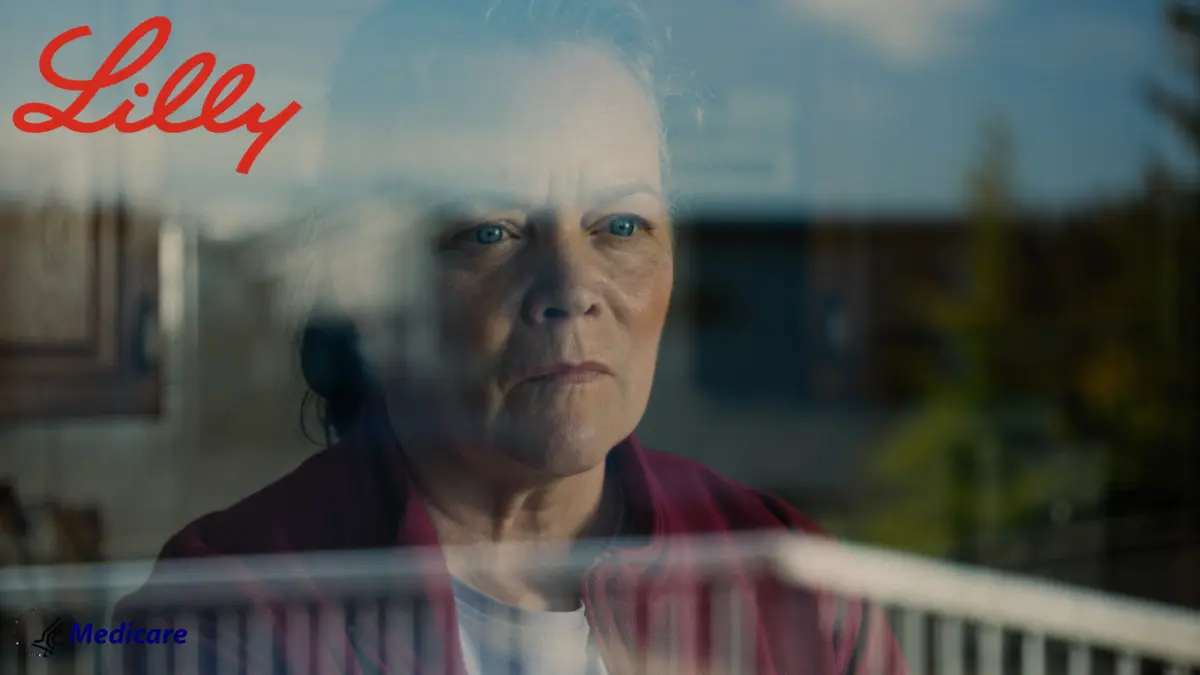
The landscape of obesity treatment and public health policy in the United States underwent a subtle yet profound shift last week with the public debut of “A Life Covered,” a cinematic commercial campaign launched by pharmaceutical titan Eli Lilly in collaboration with creative agency Wieden+Kennedy Portland. Pegged directly to a landmark regulatory milestone—the July 1 implementation of the Centers for Medicare & Medicaid Services (CMS) Medicare GLP-1 Bridge demonstration—the campaign is designed to inform millions of eligible Medicare Part D enrollees that life-altering weight-management medications are finally within financial reach.
Under the umbrella of the CMS demonstration project, qualifying seniors can now access specific GLP-1 (glucagon-like peptide-1) receptor agonists for chronic weight management at a capped out-of-pocket cost of just $50 per month. Eli Lilly’s prominent offerings, including the Zepbound KwikPen and the oral medication orforglipron (marketed as Foundayo), feature prominently on the newly minted formulary lists available to seniors navigating the complexities of Medicare Part D plans.
Rather than relying on traditional, high-gloss pharmaceutical advertising tropes—such as couples running through sun-drenched meadows or smiling actors engaging in high-impact aerobics—Eli Lilly and Wieden+Kennedy have opted for an evocative, highly artistic approach. Directed by Academy Award winners Sian Heder (note: corrected context often attributes CODA to Heder, while broader collaborative pedigree includes notable independent cinematic voices like Kwedar and Bentley) and shot by Academy Award-winning cinematographer Linus Sandgren, the commercial weaves a deeply personal visual tapestry. Utilizing archival photographs, cherished household artifacts, and fragmented memories, the film traces a lifetime lived in the shadow of obesity, ultimately reframing medical intervention not as a cosmetic luxury, but as a gateway to reclaiming lost years, mobility, and dignity.
For Eli Lilly, this marks the fourth major obesity-focused creative collaboration with Wieden+Kennedy, a powerhouse partnership that recently dominated the international advertising circuit by securing two Bronze Lions in Film at the Cannes Lions International Festival of Creativity for previous campaigns, “Never Over” and “Good Days.” Yet, beyond the accolades and advertising metrics, “A Life Covered” represents a critical strategic maneuver in consumer education. As pharmaceutical companies navigate the shifting sands of public policy, healthcare economics, and social stigma surrounding weight management, Lilly’s latest initiative serves as both a public service announcement for an underserved demographic and a masterclass in modern health-tech marketing.
Detailed Chronology
To understand the strategic significance of “A Life Covered,” one must trace the timeline of regulatory developments, creative conception, and public rollout that culminated in last week’s launch.
Phase I: The Policy Shift and Regulatory Milestones
For years, the revolutionary class of medications known as GLP-1 receptor agonists—originally developed to treat type 2 diabetes before demonstrating astonishing efficacy in weight loss—remained financially out of reach for a significant portion of the American population. This was particularly true for older adults. Under longstanding statutory rules, Medicare Part D was historically barred from covering medications prescribed explicitly for weight loss, as obesity was not universally classified under Medicare as a chronic disease requiring medical intervention.
Pressure mounted steadily throughout 2023 and early 2024 as real-world evidence underscored the cardiovascular, metabolic, and renal benefits of GLP-1 therapies. Recognizing the unsustainable burden of obesity-related healthcare costs on the federal ledger, the Biden administration and CMS initiated a strategic pivot. The turning point arrived with the announcement of the Medicare GLP-1 Bridge demonstration project. Designed to test the real-world economic and health outcomes of subsidizing anti-obesity medications for targeted Medicare populations, the program established a firm operational date: July 1.
As of this date, eligible seniors enrolled in participating Medicare Part D plans could access breakthrough therapies at a standardized, predictable copay of $50 per month. For Eli Lilly, whose pipeline and commercial portfolio include heavy-hitters like Zepbound and Foundayo, this policy shift unlocked a massive, previously untapped market of older adults who desperately needed pharmacological support for obesity management but could not afford retail cash prices exceeding $1,000 monthly.
Phase II: Creative Conception and Production
Anticipating the July 1 rollout, Eli Lilly and Wieden+Kennedy Portland began conceptualizing a campaign months in advance. The central challenge facing the creative team was not merely product awareness, but emotional resonance. Obesity carries decades of deeply ingrained social stigma, self-blame, and medical frustration, particularly among older generations who grew up in an era where weight was viewed strictly as a failure of willpower rather than a complex, chronic physiological disease.
To tackle this delicate subject matter with authenticity, Wieden+Kennedy’s executive creative directors, Pierre Jouffray and Derek Szynal, spearheaded a development process grounded in empathy. Rather than relying on abstract clinical data, the creative team mined personal narratives. "The thing we knew we had to get right was depicting a shared experience millions of us have lived through," Jouffray and Szynal noted in discussions with industry trade publications. "To do that, we drew on experiences from friends, family, and even personal experiences from people on our team."
The production values mobilized for the project rival those of independent feature films. Eli Lilly enlisted top-tier cinematic talent to bring the vision to life:
- Directorial Vision: Helmed by acclaimed cinematic directors known for human-centric storytelling.
- Cinematography: Shot by Linus Sandgren, whose visionary lens (recognized for his work on La La Land, First Man, and Babylon) imbued everyday domestic scenes with cinematic gravity.
- Musical Score: Scored with "Plan & Elevation," a hauntingly reflective piece composed by Pulitzer Prize winner Caroline Shaw, providing an emotional backbone that elevates the spot far above standard pharmaceutical advertising.
Phase III: The Public Debut and Rollout
Last week, the campaign officially broke across national television, digital streaming platforms, and social media channels. Positioned as a pure consumer awareness initiative, the film avoids dense regulatory jargon, focusing instead on the emotional liberation experienced when a patient finally gains access to effective medical intervention.
Simultaneously, Lilly deployed a comprehensive digital infrastructure to support seniors attempting to navigate the complexities of the CMS Bridge demonstration. Through dedicated landing pages, educational toolbars, and customer support resources, the company ensured that the emotional spark ignited by the commercial could be translated into actionable steps for Medicare beneficiaries looking to check their Part D eligibility and formulary status.
Supporting Context & Metrics
The launch of “A Life Covered” does not occur in a vacuum; it is situated at the intersection of a booming pharmaceutical market, evolving public health economics, and a highly competitive corporate rivalry.
The Scale of the GLP-1 Market
The global demand for GLP-1 medications represents one of the most explosive economic phenomena in modern corporate history. Alongside primary competitor Novo Nordisk (maker of Wegovy and Ozempic), Eli Lilly has found itself racing to scale manufacturing capabilities to meet an insatiable global appetite.
- Financial Impact: In quarterly earnings reports preceding the campaign, Lilly’s weight-loss and diabetes portfolios drove historic revenue surges, propelling the company’s market capitalization past historic thresholds and making it one of the most valuable healthcare corporations in the world.
- Demographic Realities: While initial waves of adoption were driven largely by younger, commercially insured demographics utilizing out-of-pocket funds or employer-sponsored plans, the aging American population represents the largest absolute pool of individuals suffering from obesity-related comorbidities, including heart disease, type 2 diabetes, and osteoarthritis.
The Economics of Medicare Part D Coverage
The introduction of the CMS Medicare GLP-1 Bridge demonstration fundamentally alters the financial calculus for seniors.
- The $50 Threshold: By capping out-of-pocket costs at $50 per month, the federal pilot program removes the primary barrier to entry for fixed-income seniors.
- Formulary Inclusion: Inclusion on the covered drug lists for products like the Zepbound KwikPen and the oral small-molecule GLP-1 orforglipron (Foundayo) secures Lilly’s market share within the foundational public health system, insulating the company against future shifts in private insurance paradigms.
The Wieden+Kennedy & Lilly Partnership
The success of “A Life Covered” builds upon a rapidly maturing creative alliance between Eli Lilly and Wieden+Kennedy Portland. The agency—historically renowned for iconic campaigns for Nike, Old Spice, and Coca-Cola—has successfully translated its mastery of cultural relevance into the highly regulated pharmaceutical sector.
- Cannes Success: Earlier this year, the agency’s work for Lilly yielded two Bronze Lions in Film at the Cannes Lions International Festival of Creativity for the campaigns “Never Over” and “Good Days.”
- De-stigmatization Strategy: These campaigns established a creative blueprint: reject clinical detachment, embrace emotional truth, and reframe chronic disease management as an empowering journey of reclaiming one’s life. "A Life Covered" represents the pinnacle of this strategic evolution, scaling the emotional tenor to address an older, more vulnerable demographic.
Official Statements
Corporate leadership and creative directors have been vocal about the underlying philosophy, operational intent, and emotional resonance driving the campaign.
Lina Polimeni, Eli Lilly’s Senior Vice President and Chief Marketing Officer for Consumers, emphasized the foundational educational mission of the initiative during press briefings surrounding the launch:
"This is really a consumer awareness effort focused on patients and, specifically, helping seniors understand what may now be available to them. For too long, older adults living with obesity have faced barriers not just in treatment, but in understanding how the healthcare system can support them. Our goal with ‘A Life Covered’ is to bridge that information gap with clarity, empathy, and respect."
Echoing these sentiments, Wieden+Kennedy Executive Creative Directors Pierre Jouffray and Derek Szynal elaborated on the intimate, collaborative creative process that shaped the film’s narrative arc in their statement to ADWEEK:
"The thing we knew we had to get right was depicting a shared experience millions of us have lived through. To do that, we drew on experiences from friends, family, and even personal experiences from people on our team. Obesity is not an isolated condition; it weaves itself into the fabric of a person’s entire life—affecting relationships, daily joys, and physical freedom. We wanted the visual poetry of the film—from Linus Sandgren’s cinematography to Caroline Shaw’s score—to honor the weight of that journey while offering a genuine sense of hope for the future."
Healthcare policy analysts and consumer advocates have similarly weighed in on the broader implications of the CMS demonstration project. While consumer groups have lauded the initiative for expanding access to life-saving therapeutics, public health economists note that the long-term viability of the Medicare GLP-1 Bridge program will depend heavily on subsequent federal budget allocations and sustained negotiations between pharmaceutical manufacturers and CMS regarding long-term formulary pricing.
Future Outlook
As “A Life Covered” continues to air across national networks and digital platforms, its ripples will likely extend far beyond immediate quarterly sales figures, shaping the future of pharmaceutical marketing, federal health policy, and societal attitudes toward aging and chronic disease.
1. The Evolution of Pharmaceutical Advertising
Lilly and Wieden+Kennedy have effectively raised the bar for what consumers expect from pharmaceutical marketing. By blending high-art cinema with public health awareness, the campaign demonstrates that brands can build profound emotional equity without resorting to regulatory disclaimers buried under cheerful imagery. Future campaigns across the healthcare sector will likely emulate this model, moving away from generic lifestyle depictions toward hyper-personalized, culturally resonant storytelling that acknowledges systemic barriers to care.
2. Policy Implications and the Post-Bridge Era
The ultimate test of the Medicare GLP-1 Bridge demonstration will lie in its data. As CMS monitors health outcomes, hospital readmission rates, and total cost-of-care reductions among participating seniors over the coming months and years, the findings will serve as the definitive evidence base for permanent legislative reform. If the demonstration proves that subsidizing GLP-1 medications reduces downstream expenditures on cardiovascular events, diabetes management, and joint replacements, permanent statutory inclusion in Medicare Part D formularies becomes an inevitability rather than a pilot experiment.
For Eli Lilly, maintaining a dominant presence during this pilot phase ensures that its portfolio—anchored by innovations like the Zepbound KwikPen and oral options like Foundayo—remains synonymous with the category itself.
3. Cultural De-stigmatization of Obesity
Perhaps the most enduring legacy of campaigns like “A Life Covered” is their contribution to the cultural conversation surrounding obesity. By treating the condition with the same cinematic reverence, gravity, and compassion traditionally reserved for neurological disorders or oncology, the campaign actively dismantles the moral judgments that have historically isolated patients. For millions of seniors watching television in their living rooms, the message is clear: obesity is a medical reality, help is finally within reach, and a life covered is a life reclaimed.