

Executive Overview
In an advertising landscape historically dominated by polished aspiration, earnest messaging, and high-gloss emotional appeals, this week marked a definitive, sharp pivot toward raw, unadulterated satire. Brands across diverse sectors—ranging from legacy department stores and telecommunications giants to fast-moving consumer goods (FMCG) and beverage startups—collectively leaned into irony, self-deprecation, and outright absurdity. Rather than taking themselves too seriously, marketing executives embraced deadpan humor, weaponized pop-culture irony, and blurred the lines between high-art commercialism and internet shitposting.
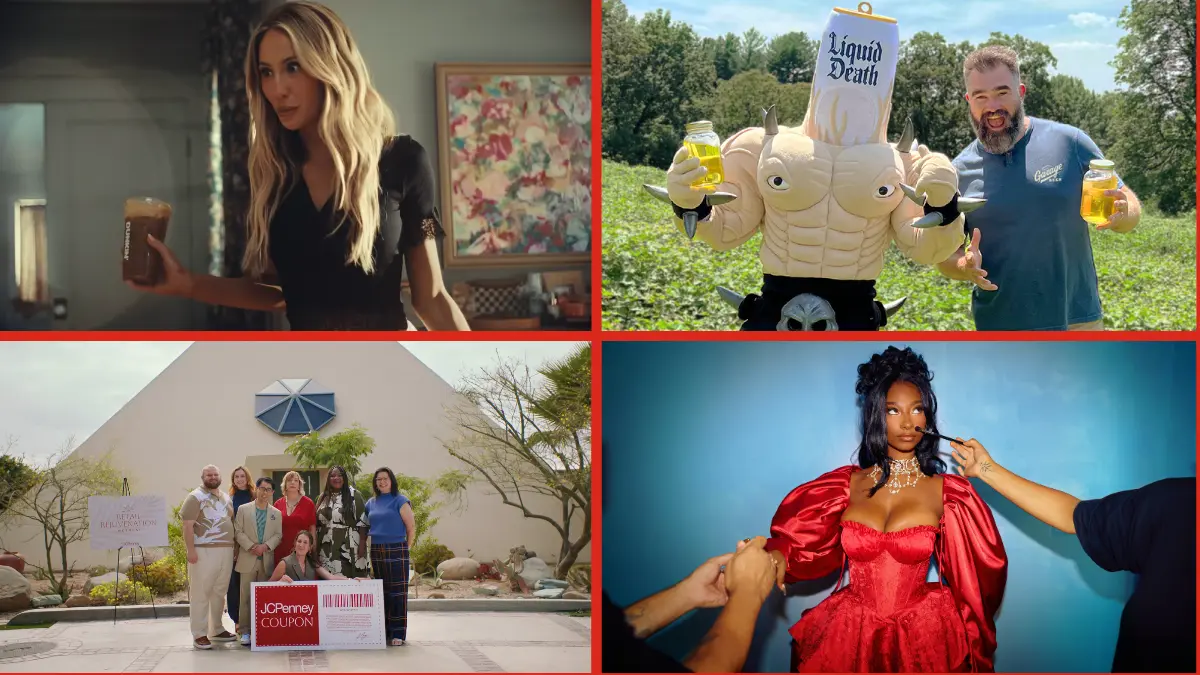
This satirical wave was not merely a stylistic choice; it represents a calculated reaction against consumer cynicism. Modern audiences, particularly Millennials and Gen Z, possess an acute fatigue regarding traditional advertising tropes. They reject corporate pretense and instantly tune out sterile brand messaging. Consequently, the most successful campaigns of the week opted for radical transparency through comedy. JCPenney mocked the wellness industrial complex; Alix Earle subverted influencer-brand synergy for Dunkin’; and canned-water disruptor Liquid Death teamed up with Garage Beer to deliver an unforgettably crass, attention-grabbing pitch centered around human waste.
Simultaneously, the broader creative ecosystem demonstrated a mastery of platform-native storytelling and world-building. Apple reclaimed corporate anthropomorphism with a brilliantly executed TikTok series told strictly from the point of view of a MacBook. DoorDash pivoted toward human-centric narrative filmmaking, unpacking the intimate backstories hidden behind mundane convenience-economy deliveries. Coca-Cola geared up for the return of the Premier League with high-octane fan fervor, while Disney reinforced its timeless intellectual property by celebrating princesses through a contemporary lens.
Topping out the week’s creative output, our Most Effective Ad of the Week—determined in partnership with TV attribution and engagement analytics leader EDO—transported viewers to the fjords and peaks of Norway, proving that jaw-dropping natural beauty, when paired with precise media placement, remains an unassailable conversion engine.
This report provides a comprehensive, investigative breakdown of the week’s most notable campaigns, dissecting the strategic motivations, platform dynamics, and audience receptions that defined a watershed moment in modern marketing.
Detailed Chronology: A Week of Irony, Intimacy, and Absurdity
JCPenney’s Wellness Retreat: Parodying Corporate Health Culture
Opening the week’s parade of satire, legacy retailer JCPenney turned its lens toward the multi-billion-dollar wellness industry. In a stroke of brilliant counter-programming for a department store traditionally associated with back-to-school clothing and home goods, JCPenney established a tongue-in-cheek "retail wellness retreat."
Targeting consumers exhausted by crystal healing, overpriced matcha lattes, and esoteric mindfulness seminars, the brand positioned its store aisles as a legitimate path to inner peace. The creative execution blended deadpan corporate speak with ridiculous visual gags, suggesting that finding inner balance doesn’t require a spiritual guru in Bali—it requires browsing discounted cookware and athleisure wear. By poking fun at wellness culture, JCPenney successfully modernized its brand image, proving that a century-old institution can still master contemporary cultural satire.
Trinity Tatum and Verizon: Capitalizing on Reality TV Heat
In the fast-paced ecosystem of influencer marketing, timing is everything. Following her explosive victory on Love Island, reality star Trinity Tatum wasted no time monetizing her newfound cultural capital. However, rather than settling for a standard, uninspired sponsored post, Tatum partnered with telecommunications giant Verizon for a campaign that seamlessly integrated her reality TV persona with high-speed connectivity.
The collaboration leveraged the immediate, white-hot momentum of the show’s finale, tapping into a deeply engaged demographic that demands real-time authenticity from its idols. Verizon’s strategy underscored a broader shift in media buying: brands are no longer waiting months to sign traditional brand ambassadors; they are reacting to cultural micro-moments within hours, deploying agile production schedules to capture fleeting spikes in public attention.
Alix Earle and Dunkin’: The Anti-Influencer Awakening
Few creators command the cultural gravity of Alix Earle, whose "Get Ready With Me" (GRWM) videos routinely pull millions of views within hours. This week, Earle delivered what can only be described as a "rude awakening" for coffee powerhouse Dunkin’.
Subverting the typical glossy influencer sponsorship, the campaign leaned into Earle’s signature messy, unfiltered aesthetic. Instead of a scripted, overly enthusiastic endorsement of a new beverage, the content played with the raw realities of morning grogginess and the chaotic lifestyle of a top-tier creator. By allowing Earle to maintain absolute creative control—even at the expense of traditional brand polishing—Dunkin’ tapped into a level of consumer trust that money alone cannot buy. The spot resonated precisely because it rejected the sanitized perfection of traditional advertising.
Liquid Death and Garage Beer: The Ultimate Test of Absurdity
Never one to shy away from shock value, canned water disruptor Liquid Death joined forces with Garage Beer to deliver the week’s most talked-about—and polarizing—concept. In a campaign that pushed the boundaries of taste and regulatory comfort, the brands called on viewers to "utilize their urine" in a satirical masterclass of gross-out marketing.
While the premise sounds repellent on paper, the execution was pure, calculated provocation. Liquid Death has built an empire on subverting the bottled water industry through heavy metal aesthetics, environmental messaging, and absurd humor. By looping Garage Beer into the fold, the companies challenged traditional advertising taboos, generating massive earned media value through sheer shock and viral curiosity. It was a stark reminder that in an oversaturated market, being hated by some is infinitely more valuable than being ignored by everyone.
Apple’s MacBook POV: Platform-Native Genius on TikTok
Shifting from gross-out humor to high-concept digital design, Apple launched a groundbreaking TikTok series told entirely from the point of view (POV) of a MacBook. Abandoning traditional product demo videos that focus solely on specs and sleek hardware angles, Apple placed the viewer inside the screen, documenting the chaotic, multi-tabbed, late-night reality of modern digital life.
The series brilliantly mirrored Gen Z’s digital habits: endless scrolling, frantic essay writing at 3 AM, awkward Zoom calls, and Spotify playlist curation. By adopting a natively vertical, unpretentious video format on TikTok, Apple managed to humanize a trillion-dollar technology company, proving that even the world’s most sophisticated hardware brands win when they speak the native language of the platform.
DoorDash: The Human Stories Behind the Deliveries
In an era where convenience apps are frequently criticized for dehumanizing labor and reducing human interaction to algorithmic transactions, DoorDash pushed back with a powerful narrative campaign. Rather than focusing on speed, discounts, or food variety, the brand told the intimate, untold stories behind everyday deliveries.
The campaign highlighted the emotional connections facilitated by a delivery driver—from sending comfort food to a grieving friend to delivering a surprise birthday cake across state lines. By anchoring its value proposition in human empathy rather than transactional utility, DoorDash elevated its brand narrative from a logistics utility to an emotional facilitator of human connection.
Coca-Cola and Disney: Heritage Brands Play to Their Strengths
Rounding out the major brand pushes of the week, Coca-Cola and Disney doubled down on their respective equity strongholds.
Coca-Cola ignited fan anticipation ahead of the Premier League’s return, deploying high-energy creative that captured the communal rituals of football fandom. The campaign understood that for millions of supporters, football is not merely a sport, but a religion—and Coca-Cola positioned itself as the sacramental beverage of matchday.
Meanwhile, Disney launched a sweeping campaign praising princesses everywhere. Moving beyond traditional animated nostalgia, the initiative re-contextualized the Disney princess archetype for a modern, empowered generation of young girls, emphasizing resilience, leadership, and independence over passive romance.
Supporting Context & Metrics: The Science of Satire and Engagement
Why Satire Works in a Cynical Market
The overwhelming tilt toward satire this week is not a random coincidence; it is a structural response to deep-seated consumer sentiment shifts. According to recent media consumption studies, over 64% of consumers under the age of 35 actively distrust corporate advertising. When brands attempt to project moral authority or emotional sincerity without underlying proof, they are instantly met with accusations of "purpose-washing" or corporate cynicism.
Satire bypasses this defense mechanism. By openly mocking themselves, the tropes of their respective industries, or the absurdities of modern life, brands disarm the consumer. Humor lowers cognitive resistance, increases message retention, and fosters a sense of shared, in-group camaraderie between the brand and the buyer. When JCPenney mocks wellness retreats or Liquid Death pitches bodily absurdity, they are saying to the consumer: "We know this is ridiculous, you know this is ridiculous, let’s laugh about it together."
Most Effective Ad of the Week: The Norway Campaign via EDO
While humor dominated cultural conversations, conversion metrics told a different story regarding bottom-line effectiveness. In partnership with EDO—a TV attribution and cross-platform measurement company that tracks consumer engagement behaviors in real-time—our Most Effective Ad of the Week honor goes to the latest tourism campaign inviting travelers to Norway.
EDO’s metrics revealed that the Norway spot generated an immediate, statistically significant spike in consumer search intent and direct web engagement following its broadcast airings. Unlike fast-moving consumer goods that rely on impulse purchases, tourism campaigns require profound emotional resonance and long-term consideration.
The ad succeeded by shunning clichéd travelogue formulas in favor of immersive, cinematic storytelling that highlighted the profound silence, untouched landscapes, and sustainable travel ethos of the Nordic nation. By pairing stunning visual execution with precise media placement during high-intent viewing windows, the campaign proved that traditional beauty and high-production values, when executed flawlessly, remain exceptionally potent conversion drivers.
Official Statements and Industry Insights
The week’s unprecedented creative swings generated significant commentary from industry leaders, agency executives, and marketing researchers.
On the Rise of Radical Humor:
"We have reached peak saturation with earnest brand messaging," noted Dr. Aris Thorne, professor of consumer psychology at the London School of Marketing. "Consumers are navigating economic uncertainty, political polarization, and digital burnout. They do not want a conglomerate lecturing them on wellness or purpose. They want entertainment, relief, and authenticity. Brands that possess the courage to laugh at themselves are capturing disproportionate shares of cultural attention."
On Platform-Native Storytelling (Apple & TikTok):
"Gone are the days when you can take a 30-second TV spot and slap it vertical on TikTok," remarked Elena Rostova, Chief Creative Officer at a leading digital-first agency. "Apple’s MacBook POV series is a watershed example of native platform integration. They didn’t just show the product; they inhabited the psychological space of the user. That requires immense creative confidence."
On the EDO Effectiveness Metrics for Norway:
"In performance marketing, we constantly look for the delta between passive viewership and active engagement," explained a senior data analyst at EDO. "The Norway tourism campaign outperformed category benchmarks by a wide margin because it didn’t just look pretty—it triggered immediate curiosity. Viewers weren’t just watching a commercial; they were actively pulling out their phones to look up flights and itineraries while the spot was still on air."
Future Outlook: What This Week Means for the Rest of Q3 and Beyond
As the advertising industry looks toward the remainder of the third quarter and prepares for the critical fourth-quarter holiday spending window, the events of this week offer clear signposts regarding where creative strategies are heading.
1. The Death of the Sterile Corporate Tone
The success of JCPenney’s retail retreat, Alix Earle’s unfiltered Dunkin’ partnership, and Liquid Death’s unhinged antics signals that corporate risk aversion is actively damaging brand growth. In an attention economy where consumers scroll at lightning speed, blandness is the ultimate sin. Moving forward, marketing boards will likely grant creative teams a wider latitude to experiment with irony, self-deprecation, and edgier humor.
2. The Acceleration of Real-Time Cultural Agility
The lightning-fast turnaround of the Trinity Tatum-Verizon collaboration proves that long planning cycles are increasingly inadequate for capturing top-of-funnel cultural relevance. Brands are building agile, modular production units capable of deploying high-production-value campaigns within 24 to 48 hours of a major pop-culture event. Expect to see decentralized marketing budgets specifically earmarked for real-time reactive advertising.
3. Platform-Native World-Building Over Ad Units
Apple’s MacBook campaign establishes a new benchmark for device marketing. Future campaigns will rely less on traditional feature-benefit rundowns and more on immersive, narrative-driven world-building that places the consumer’s emotional and digital lifestyle at the absolute center of the frame.
4. The Data-Driven Validation of Creative Risk
Finally, the juxtaposition between viral satirical shock (Liquid Death) and high-conversion aesthetic beauty (Norway via EDO) highlights the dual pillars of modern marketing success: you must either shock the culture to win attention or mesmerize the audience to drive conversion. Brands that attempt to live safely in the middle—relying on polite, middle-of-the-road messaging—will continue to bleed market share to bolder, sharper competitors.
Ultimately, this week demonstrated that advertising is at its best when it drops the corporate mask. Whether through the deadpan absurdity of a wellness parody, the raw chaos of an influencer collaboration, or the cinematic allure of a Norwegian fjord, the winning brands were those bold enough to make their audiences feel something profound, unexpected, and undeniably human.