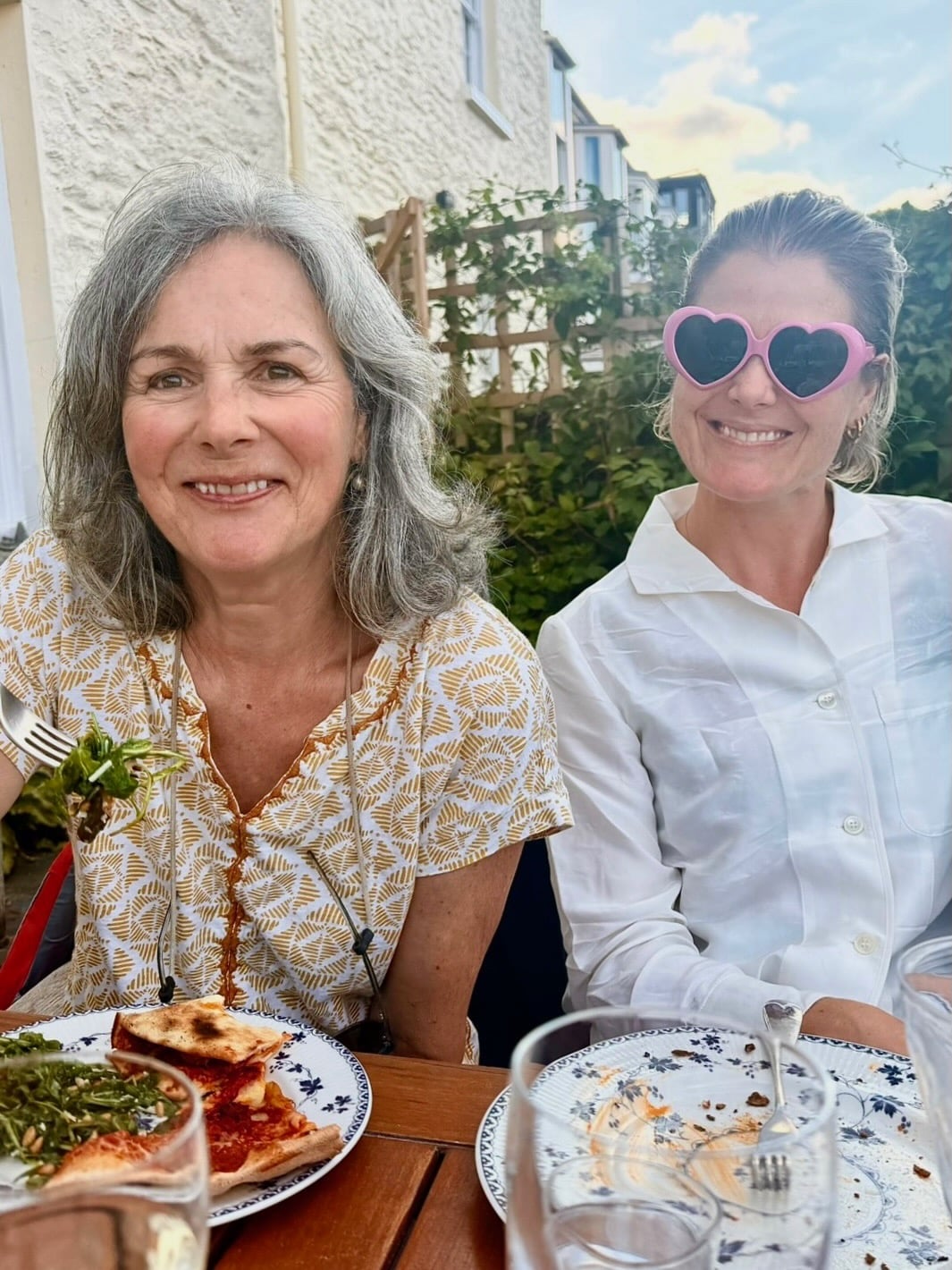
For generations, the rugged and picturesque coastline of Cornwall, England, has served as an anchor for families seeking refuge from the relentless pace of modern life. In an era marked by shifting economic landscapes, soaring real estate pressures, and the diaspora of modern families across continents, maintaining a multi-generational holiday home is increasingly becoming an anomaly.
This deep dive examines the logistical realities, emotional resonance, and recent milestone preservation of a family sanctuary in rural Cornwall. Following a period of profound uncertainty—sparked by the passing of the family matriarch and subsequent financial viability concerns—the estate has officially secured its future. This development ensures that a lineage of memories, spanning decades and bridging Brooklyn apartments with British seaside villages, will continue uninterrupted.
Through an exploration of the arduous trans-Atlantic journey, the delicate economics of heritage preservation, and the subtle sociology of extended family travel, this report unpacks what it truly takes to sustain a century-old transatlantic family tradition in the twenty-first century.
Detailed Chronology: The Transatlantic Pilgrimage
The Journey from Brooklyn to the British Seaboard
The physical relocation from an urban center like Brooklyn, New York, to a remote coastal village in Cornwall demands a logistical orchestration reminiscent of a classic storybook. The expedition characteristically begins with an urban taxi ride to a metropolitan airport, followed by an overnight transatlantic flight. Upon touching down at Heathrow or Gatwick, travelers navigate the commuter corridors leading into London’s Paddington Station.
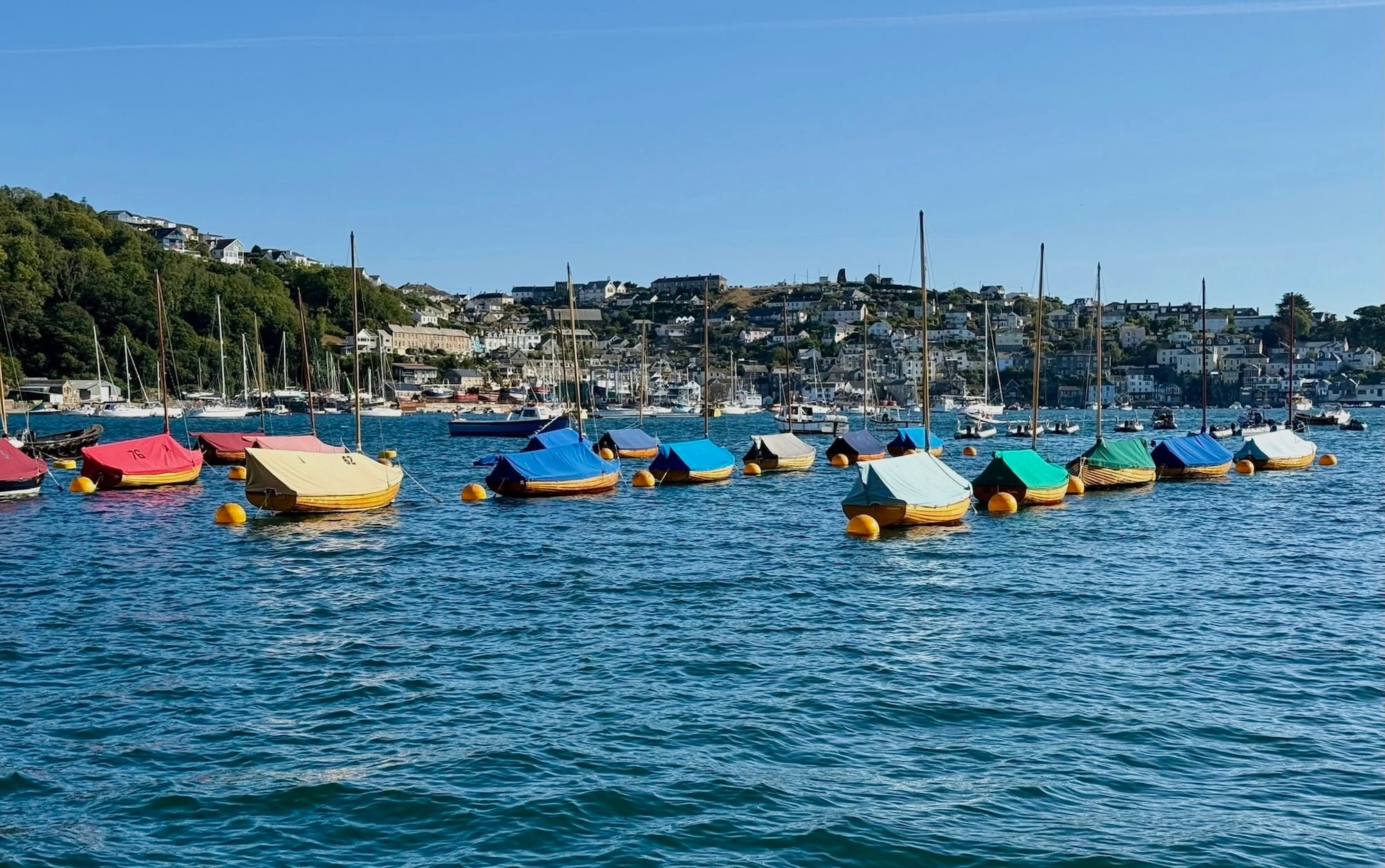
From Paddington, a five-hour intercity train ride carries passengers deep into the English countryside, culminating in a localized taxi transit and, finally, a short voyage aboard an orange passenger ferry that docks in the grandparents’ historic harbor town.
Despite the taxing transit time—often exceeding twenty-four hours door-to-door—family members consistently report that the arduous nature of the journey acts as a necessary psychological buffer. It is precisely this geographical isolation that has kept the village largely insulated from over-commercialization, allowing it to remain virtually unchanged since the eldest contemporary family members visited as small children.
Arrival and Immediate Traditions
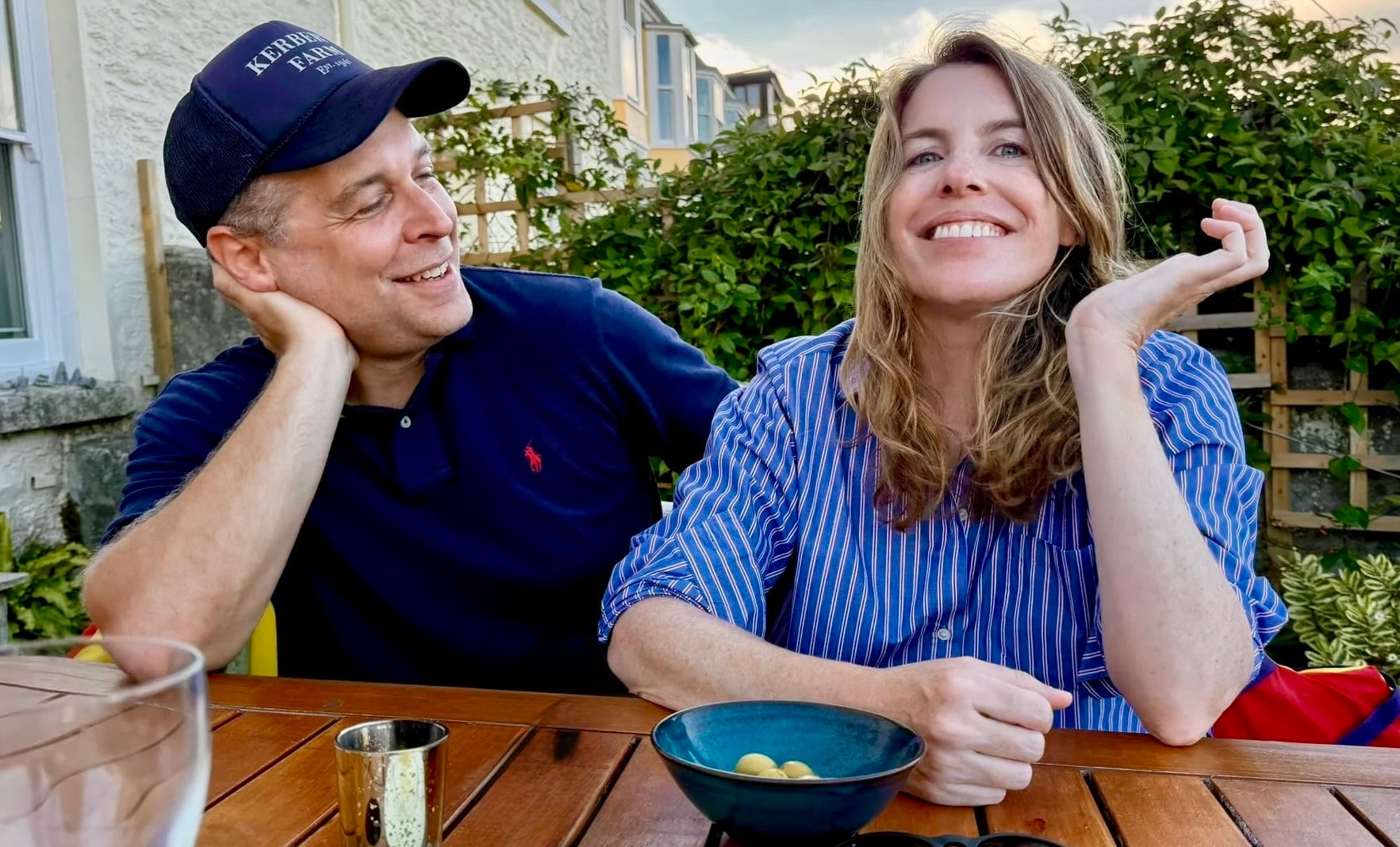
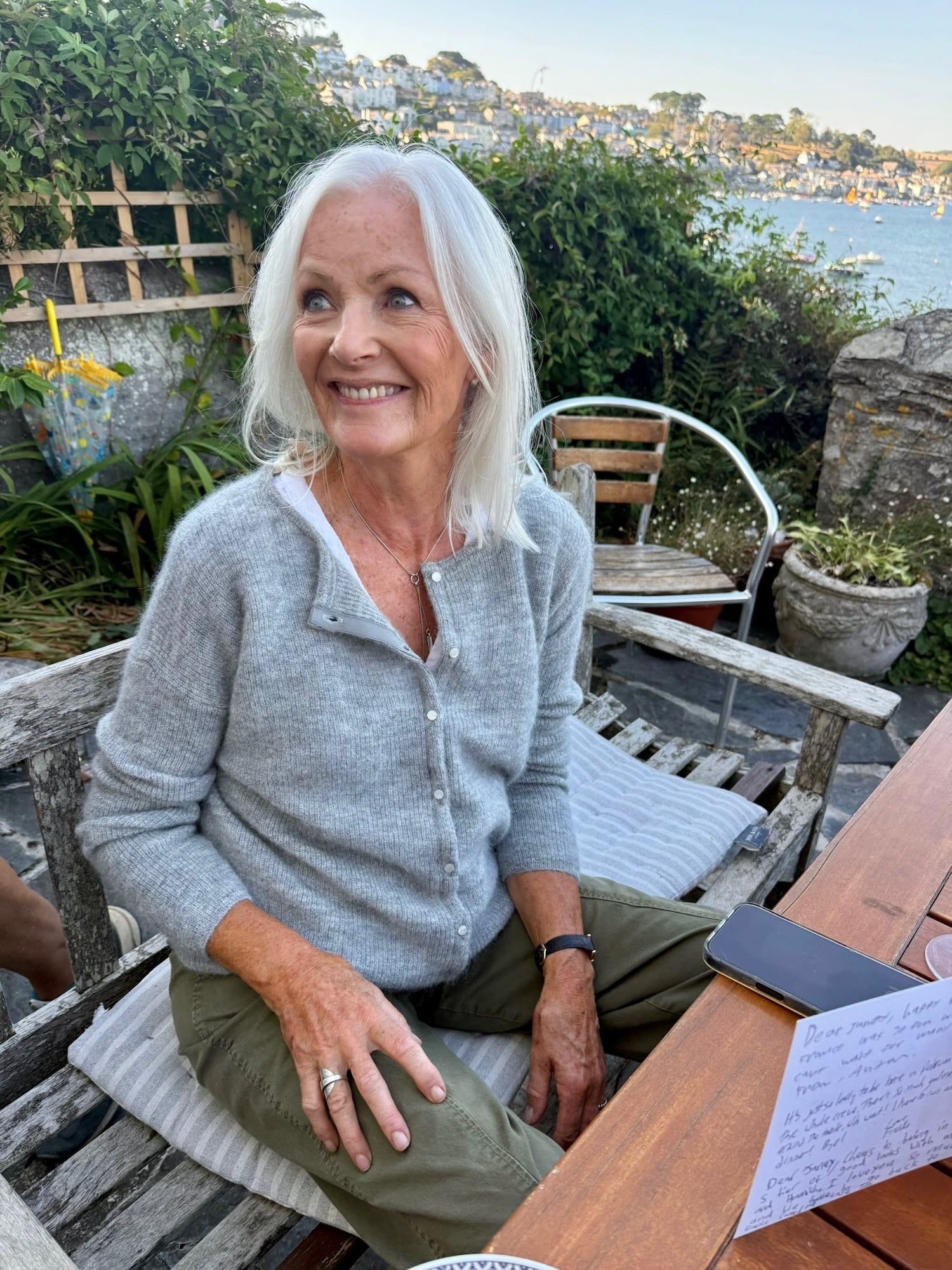
Upon arrival, the rhythm of the trip follows a meticulously established protocol. Aunties Lulu and Janey traditionally greet incoming travelers with welcome refreshments of cake and Prosecco, setting an immediate tone of celebration and reunion. Recent arrivals frequently coincide with milestone celebrations, prompting thoughtful gift exchanges, such as signature knitwear from European design houses, underscoring the blend of rustic coastal living and contemporary style.
Domestic Artifacts and Domesticated History
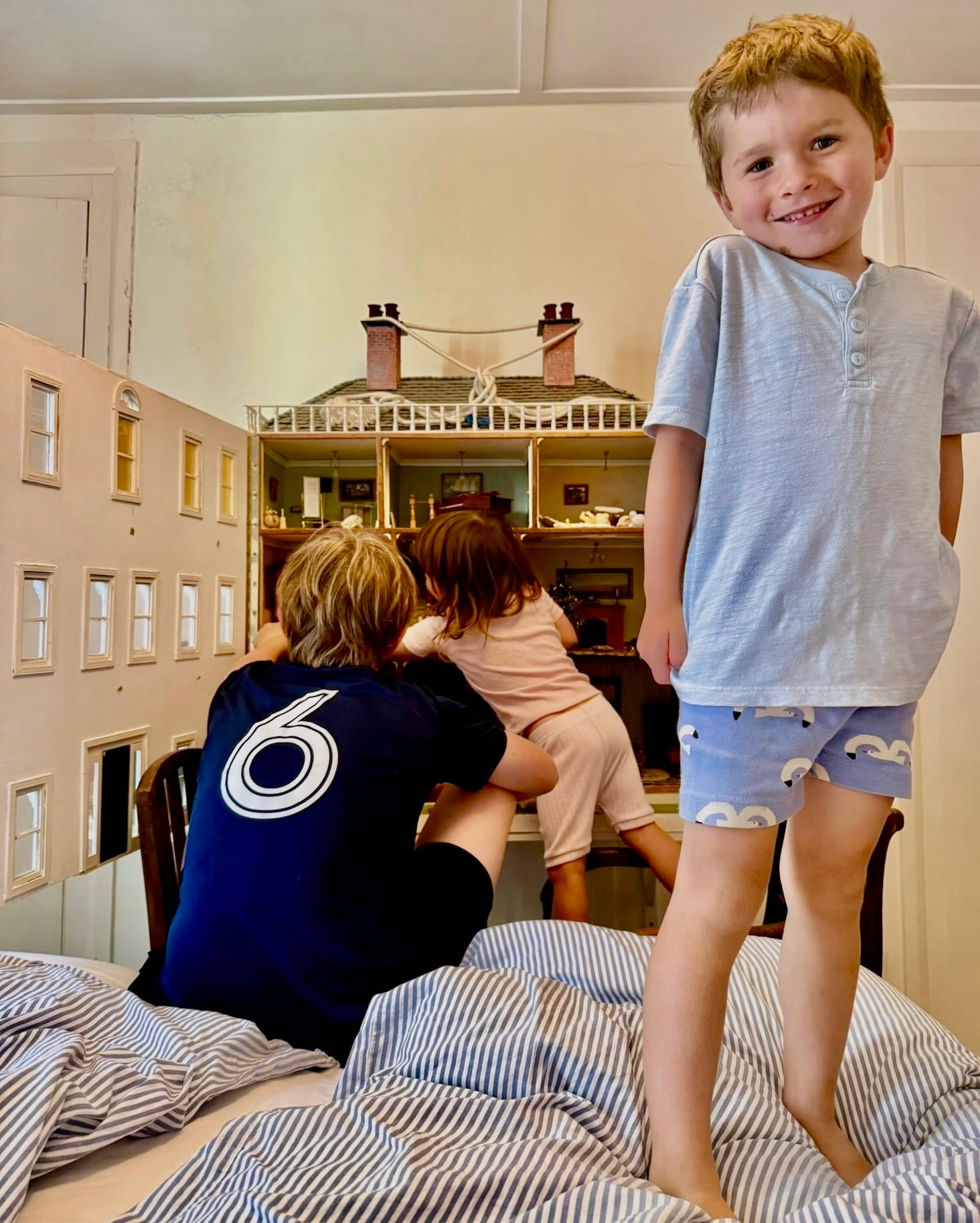
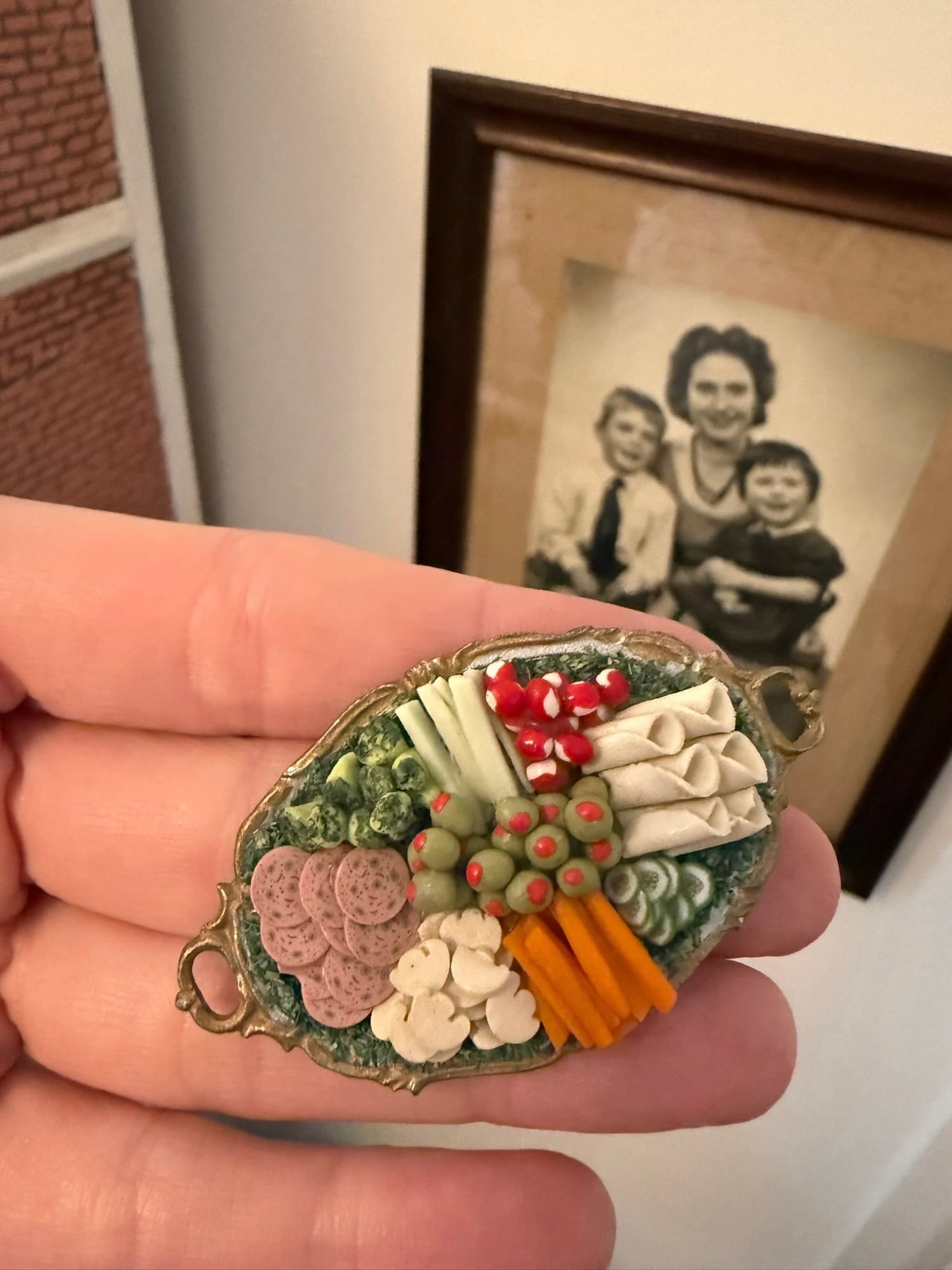
Once settled, family rituals rapidly take over. A focal point of the ancestral home remains the handcrafted dollhouse constructed decades ago by the family grandfather. Complete with meticulous architectural details—including period-appropriate floral wallpaper, functioning domestic electrical lighting, hand-quilted miniature bedding, and impossibly detailed provisions like a tiny, artisanal charcuterie board—the dollhouse functions as a physical archive of domestic craftsmanship.
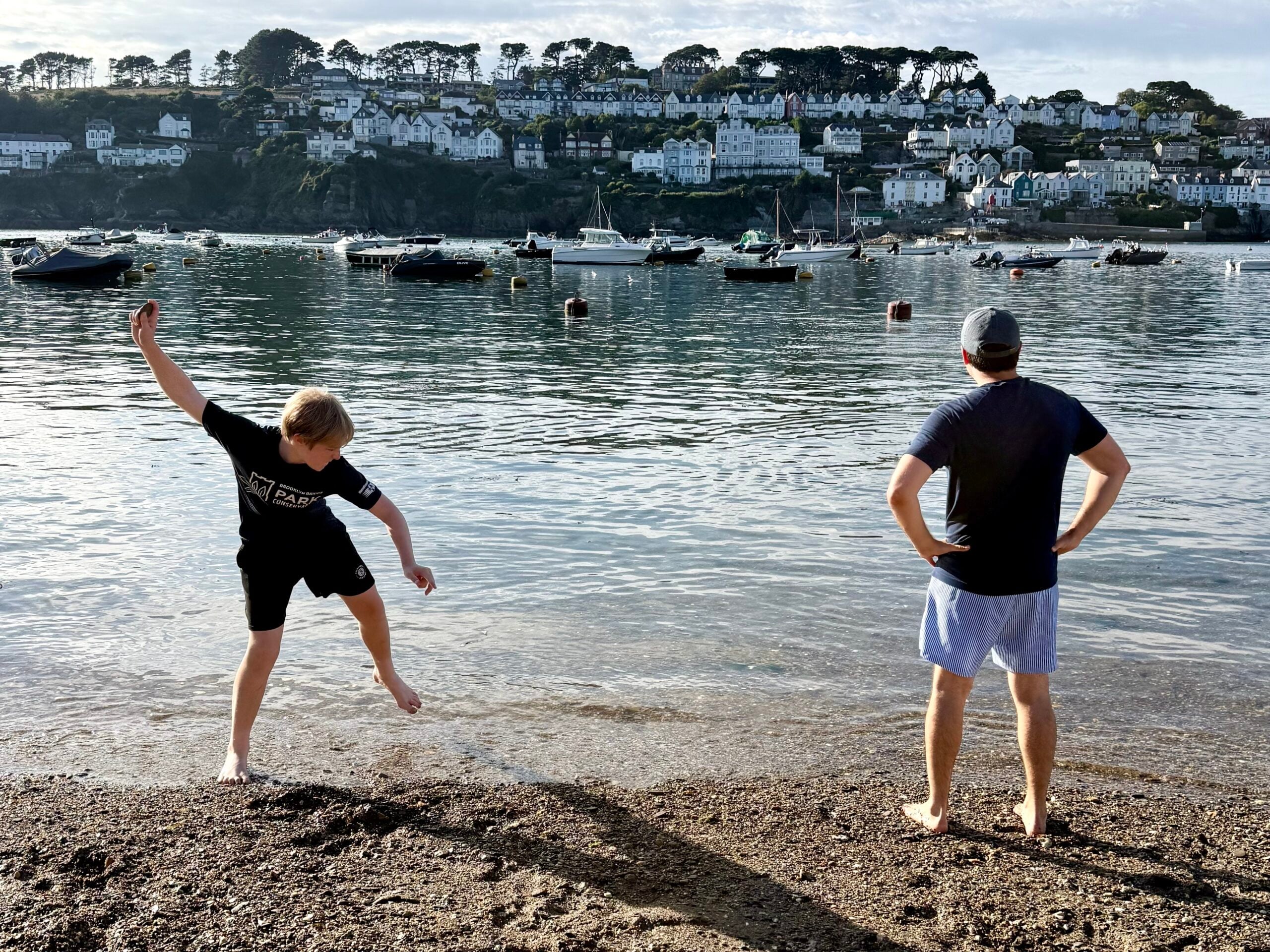
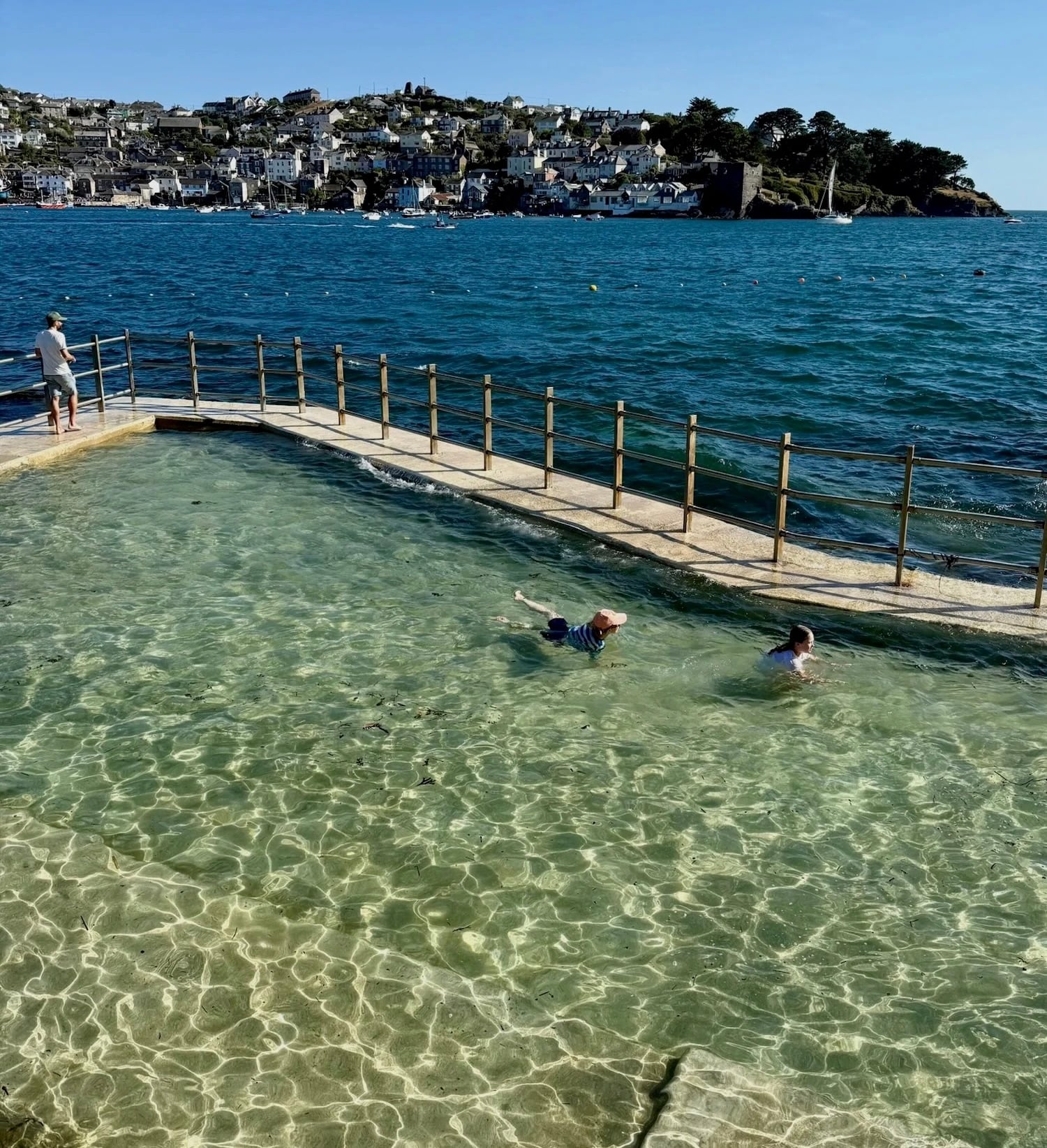
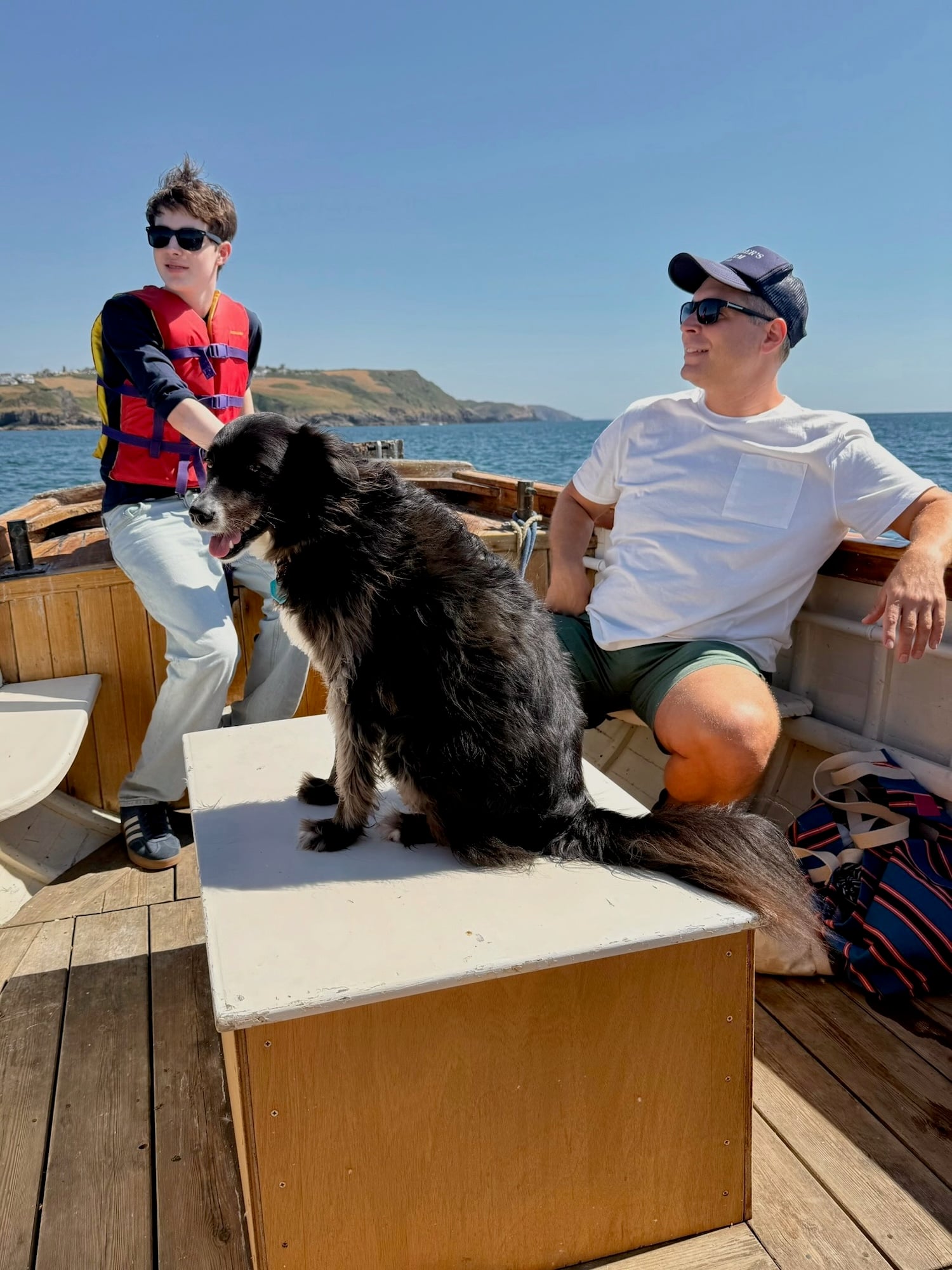
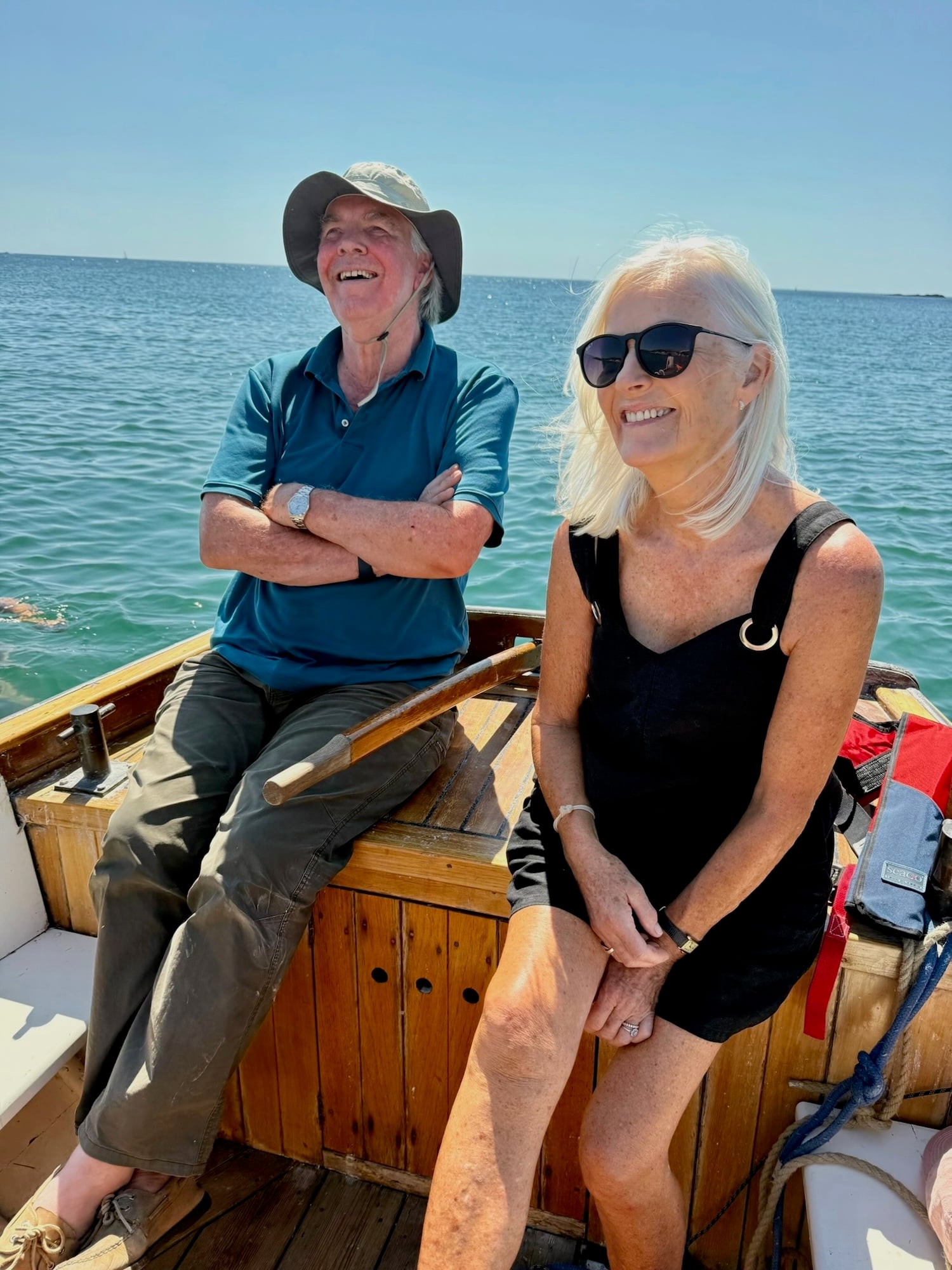
Mid-week arrivals of younger family members shift the dynamic toward outdoor exploration. Trips across the harbor to local cafes overlook boat ponds where successive generations—from parents in their youth to teenagers today—have spent their formative summers launching model boats, skipping stones, and testing the limits of childhood patience.
Supporting Context & Metrics: The Logistics and Realities of Extended Family Travel
The Economics of Multi-Generational Real Estate Preservation
The financial architecture required to maintain heritage properties within a single family unit is complex. Following the death of the family matriarch, the estate faced severe headwinds. Industry analysts note that rural coastal properties in southwest England have experienced exponential valuation spikes over the past two decades, driven by demand for holiday lets and second homes.
Valuation Pressures: Cornish property markets have seen average price surges exceeding 40% over a ten-year trailing period, placing severe inheritance tax and maintenance burdens on families holding properties across generations.
Maintenance Overhead: Saltwater exposure, high humidity, and stone-masonry upkeep demand continuous capital expenditure.
The Resolution: Through careful financial restructuring and collective family investment, the stakeholders successfully navigated the post-probate transition this year, guaranteeing that the property will bypass commercial sale and remain within the bloodline.
The Psychology of Cold Plunging and Coastal Activities
Physical activities along the Cornish coast remain anchored in tradition, though modern wellness trends have added new vocabulary to classic pastimes.
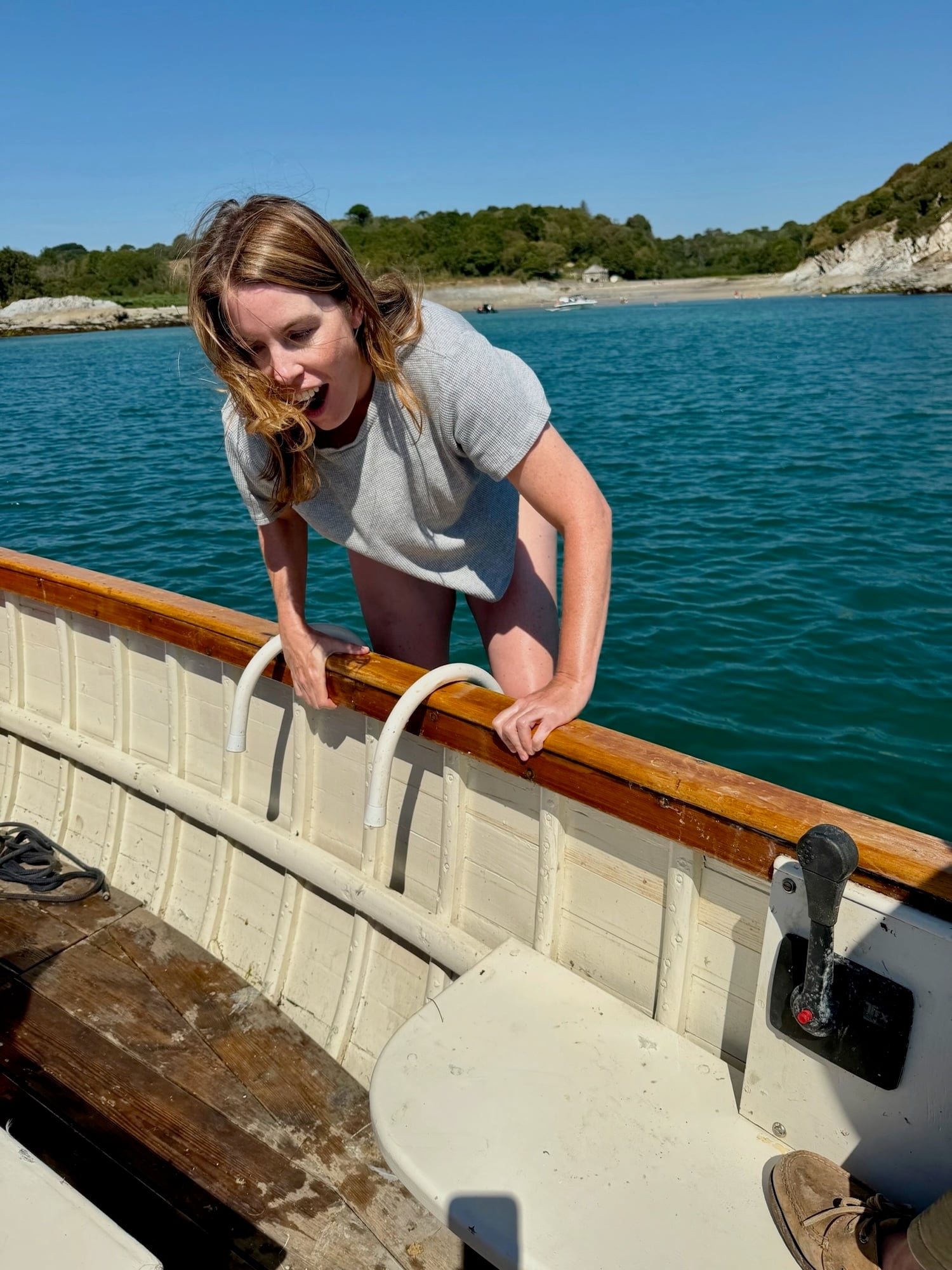
Ocean swimming, once viewed merely as a bracing seasonal rite of passage, is now contextualized within the broader cultural phenomenon of cold-water therapy. While younger family members routinely make unhesitant leaps from anchored watercraft into the Atlantic, older cohorts employ measured psychological pacing—typified by repeated internal affirmations ("This is refreshing")—to combat the bracing water temperatures.
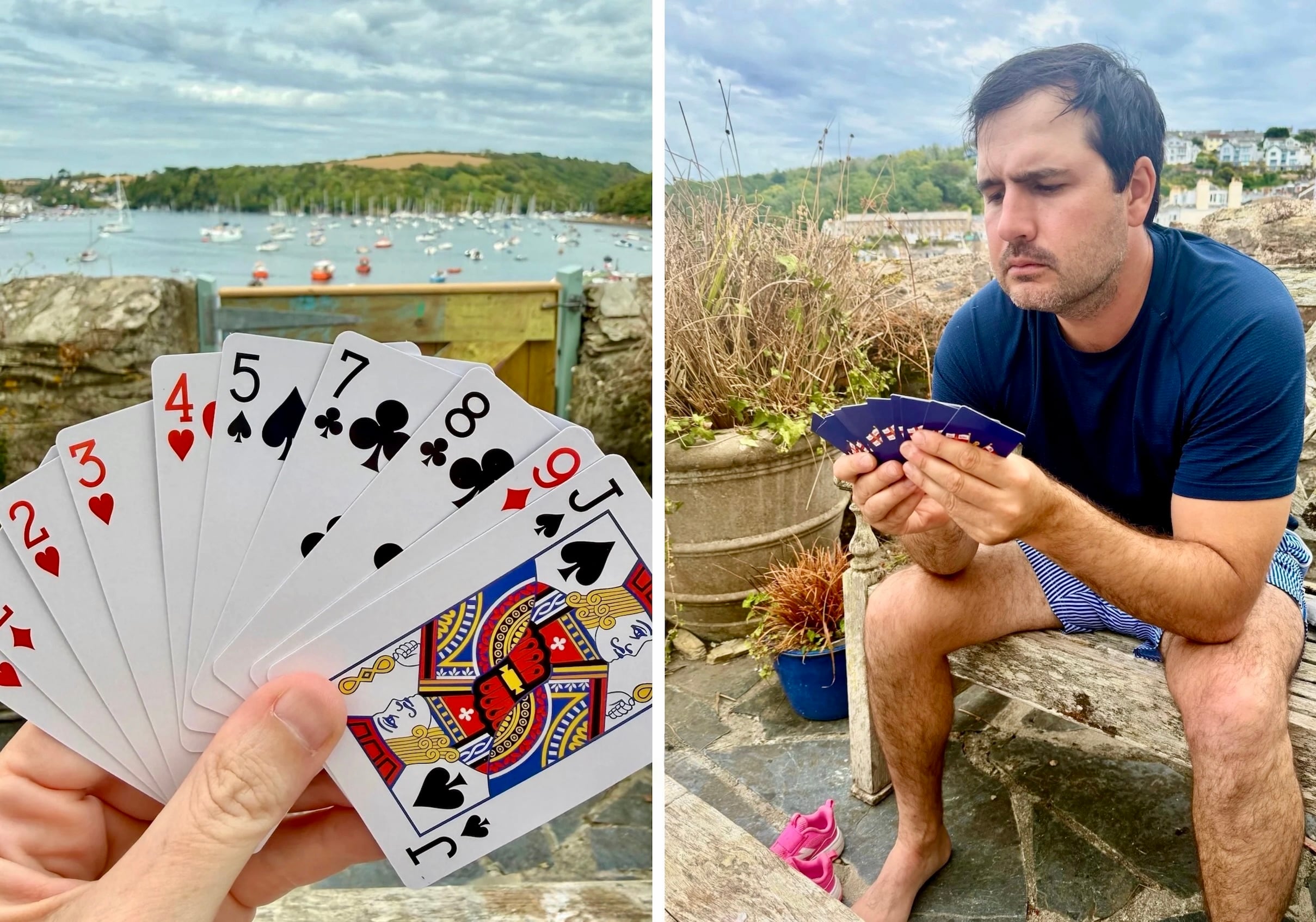
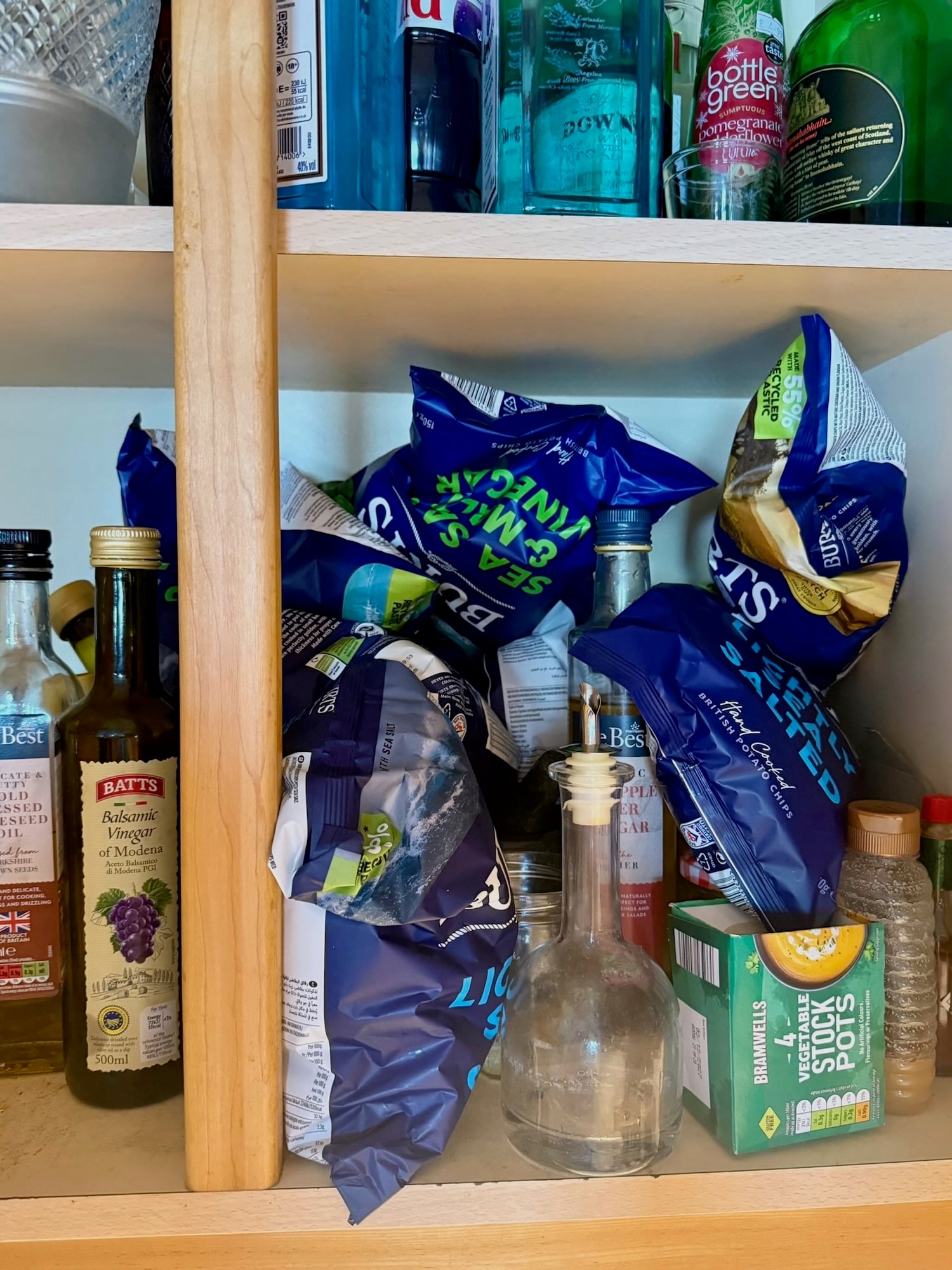
Complementing these physical exertions are quieter domestic pursuits: afternoon card games (principally gin rummy) played on sheltered terraces, oral histories shared over tea, and foraging for regional snack foods (crisps) that serve as a staple of coastal relaxation.
Official Statements and Personal Reflections
The emotional core of the preservation effort is rooted in continuity and memory. Speaking on the successful retention of the homestead, family representatives emphasized the profound relief accompanying the financial clearance of the property.
"After our grandmother passed away, we genuinely worried we wouldn’t be able to keep the house for various financial reasons. Finding out this year that we could secure it makes my heart explode with happiness and relief," shared family chronicler Joanna Goddard. "I love imagining bringing future grandchildren here and adding them to the trusty height wall."
While travelogues and public photo albums highlight the idyllic elements of the excursion—glistening ocean views, sun-drenched cliffs, and joyful reunions—organizers are quick to acknowledge the unvarnished realities inherent in extended family travel.
"Not pictured, as always: jet lag, sibling squabbles, early mornings, mountains of dishes, and younger family members grappling with bouts of homesickness," notes the family archive. These friction points, however, are viewed by behavioral sociologists as essential components of authentic family bonding, serving to ground idealized vacation narratives in the shared work of daily living.
Future Outlook
Looking ahead, the successful securing of the Cornish estate establishes a sustainable blueprint for other families grappling with the cross-border management of heritage properties.
Long-Term Capital Planning: The family has instituted a multi-party maintenance fund designed to preemptively address structural repairs, insulating the property from sudden market shocks.
Environmental Adaptation: Given Cornwall’s vulnerability to coastal erosion and shifting weather patterns, future infrastructure investments will focus on sustainable shoreline protection and energy-efficient retrofitting of the historic home.
Lineage Integration: With confirmation that future generations—including prospective great-grandchildren—will have access to the property, plans are underway to digitize the family archives, matching physical artifacts like the grandfather’s dollhouse and the kitchen height-chart with a secure digital repository of oral histories.
Ultimately, the Cornwall enterprise transcends mere real estate management. It stands as a testament to the deliberate effort required to keep family roots anchored in a hyper-mobile world. By successfully navigating financial hurdles and logistical mazes, the family has ensured that the oral histories, the coastal walks, and the simple joy of a fish finger sandwich by the harbor will endure for generations to come.