

Executive Overview
For years, the political iconography of the American right has been inextricably bound to an ethos of conspicuous consumption. Within the MAGA movement, the traditional markers of manhood—hailed by right-wing media and high-profile administration figures alike—have been publicly measured in heavy-gauge steel, high-emission combustion engines, and oversized portions of red meat.
Yet, as the economic realities of the mid-2020s take shape under President Donald Trump, a profound irony has materialized. The very policies championed by the administration—ranging from aggressive, self-defeating tariffs and geopolitical conflicts to the severe defunding of public health and agricultural oversight bodies—have pushed the cost of these cultural signifiers to historic highs.
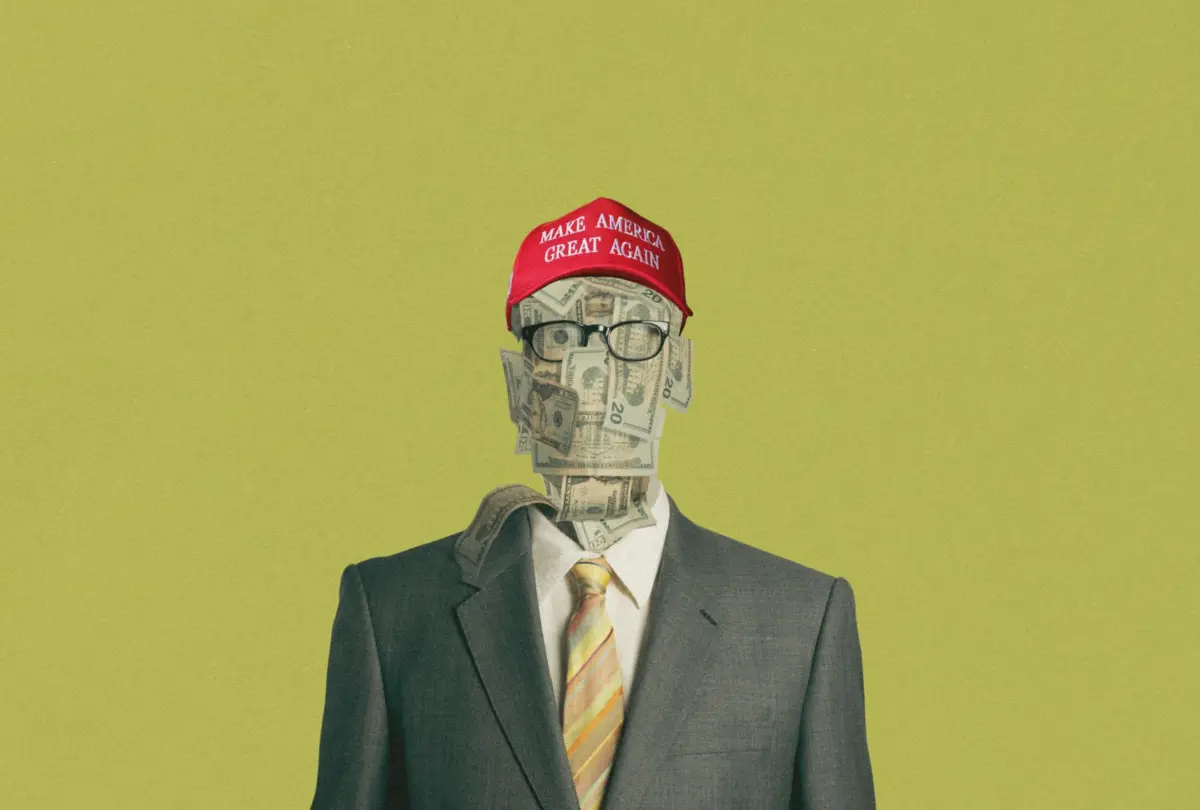
Far from safeguarding the traditionalist lifestyle, the White House’s macroeconomic mismanagement has priced the hallmarks of right-wing masculinity out of the reach of the very working-class voters who embraced them. The intersection of economic strain, identity politics, and consumerist self-expression reveals a systemic vulnerability: when manhood is commodified, inflation becomes a direct threat to dignity.
Detailed Chronology: The Intersection of Policy, Price, and Posturing
The symbiosis between right-wing political identity and resource-heavy consumption did not emerge overnight; rather, it has been deliberately cultivated through decades of cultural grievance politics and accelerated sharply during the political ascendance of Donald Trump.
- The Pre-2024 Foundations of Consumer Conservatism: For decades, conservative media outlets weaponized everyday commodities as proxies in the culture wars. The consumption of red meat, driving gas-guzzling pickup trucks, and rejecting energy-efficient alternatives were cast not merely as personal choices, but as acts of political resistance against progressive environmentalism and what the right framed as an "effeminate" cultural shift.
- Early 2025 – The Return to Office and Policy Shifts: Upon reclaiming the White House, the Trump administration immediately instituted sweeping protectionist tariffs and pursued aggressive foreign policies, notably escalating tensions with Iran. Simultaneously, key cabinet appointments—including Defense Secretary Pete Hegseth and Health and Human Services Secretary Robert F. Kennedy Jr.—began championing pseudo-scientific rhetoric linking high-fat diets and heavy consumption directly to male vitality, reinforcing cultural orthodoxies through state-level platforming.
- Mid-2025 to Early 2026 – The Agricultural and Energy Crises: Domestic agriculture and energy sectors began absorbing the shockwaves of federal budget cuts. Crucial federal agencies tasked with combating livestock plagues were systematically downsized. By mid-2026, a severe New World screwworm infestation crippled the cattle industry, compounding the price pressures generated by import tariffs on key trading partners like Canada.
- August 2026 – The Breaking Point at the State Fair: The cultural dissonance reached a boiling point in late August 2026, when a viral clip from the Iowa State Fair captured a three-time Trump voter named Shane Foot openly cursing the administration. Wearing the quintessential visual uniform of the aggrieved populist—tattoos, sunglasses, and a muscle shirt—Foot voiced a widespread working-class frustration: despite years of political loyalty, the cost of living had made foundational markers of their lifestyle economically unsustainable.
Supporting Context & Metrics: The Inflationary Toll on Cultural Totems
The economic squeeze on right-wing cultural identity is easily tracked across multiple consumer sectors. In an economy where wages in red states historically lag behind national averages and poverty rates remain elevated, the compounding inflation of core identity markers creates acute financial stress.
The Beef and Protein Market
In the worldview popularized by conservative influencers and officials like RFK Jr., a diet rich in red meat is framed as an essential component of high testosterone levels—despite an overwhelming consensus in peer-reviewed nutritional science debunking the claim. However, the price of beef has skyrocketed far beyond standard food inflation metrics.
[Federal Oversight Cuts] + [Screwworm Infestation] + [Trade Tariffs]
       │
       ▼
[Catastrophic Cattle Supply Shock]
       │
       ▼
[Exorbitant Red Meat Prices in Red States]
This supply-side crisis has been severely exacerbated by the Trump administration’s decision to gut federal agricultural protection agencies, leaving ranchers ill-equipped to combat biological threats like the screwworm outbreak.
Automotive and Fuel Markets
The preference for large-displacement, internal-combustion vehicles—long championed by right-wing media figures like Greg Gutfeld and Jesse Watters as the ultimate symbols of personal liberty—has become an economic liability.
- Gasoline Prices: Spurred upward by the administration’s unnecessary geopolitical friction and military posturing in the Middle East, fuel costs have placed a heavy burden on commuters in sprawling, car-dependent rural and exurban districts.
- Vehicle Tariffs: Trade wars, particularly antagonistic policies targeting Canadian manufacturing supply chains, have pushed the price of pickup trucks and SUVs upward, isolating buyers who view these vehicles as indispensable to their personal and professional self-image.
The Broader Basket of Cultural Goods
Beyond trucks and steaks, virtually every peripheral item associated with the traditionalist aesthetic has faced steep price escalations under the weight of broad-based tariff regimes:
- Spirits and Leisure: The cost of domestic beer and whiskey has climbed due to retaliatory trade tariffs.
- Construction and Tools: Lumber and building materials—essential for DIY home improvement, woodworking, and the traditional rural homeownership ideal—have seen prices inflated by protectionist import levies.
Official Statements and Political Discourse
The rhetorical defense of overconsumption has long served as a cornerstone of conservative media programming. Figures across the media-political complex have consistently framed efforts to curb resource consumption as an existential attack on traditional masculinity.
During congressional and media debates surrounding tailpipe emissions and electric vehicle (EV) adoption, prominent commentators have drawn direct lines between resource conservation and the erosion of manhood. Jesse Watters famously characterized drivers of electric vehicles as "house husbands," while other network personalities have asserted that green energy initiatives are equivalent to stripping away foundational elements of American cultural heritage.
Conversely, the political fallout from these ideological stances has left the administration scrambling to deflect blame. Despite leaving office more than a year and a half prior, Joe Biden remains a frequent scapegoat for administration officials attempting to explain away inflationary pressures that economists trace directly to the White House’s own protectionist measures and foreign policy miscalculations.
Independent economic analysts, however, paint a starkly different picture. As economist Paul Krugman noted in recent commentary, the right-wing crusade against green energy was always fundamentally defensive—an attempt to use political muscle to shield a fragile, consumption-dependent definition of masculinity from the inevitable transition toward sustainable, lower-cost energy paradigms.
Future Outlook: The Inevitable Pivot to Green Economics
The long-term trajectory of American consumer culture suggests that the political right’s reliance on high-consumption identity markers is reaching a structural dead end.
As renewable energy sources demonstrate long-term cost efficiencies that outpace traditional fossil fuels, and as inflation permanently alters the affordability of gas-guzzling vehicles and industrially produced beef, the economic landscape is forcing a reckoning. The administration’s aggressive promotion of legacy energy systems—encapsulated by the enduring, if increasingly hollow, chant of "drill, baby, drill"—has inadvertently accelerated the transition it sought to prevent.
In the long run, the green energy transition will likely have the last laugh, driven not by progressive cultural victory, but by sheer economic necessity. As working-class men find themselves priced out of the traditionalist consumer lifestyle through the compounding failures of inflationary governance, the mythos of "high-T consumption" may quietly give way to a pragmatic acceptance of more sustainable, less financially punishing alternatives.
Ultimately, when identity is built on the sand of disposable abundance, any policy that makes life unaffordable dismantles not just the household budget, but the very mythology of the movement itself.
