

Executive Overview
The contemporary advertising ecosystem is undergoing a profound cultural and structural transformation. As fragmentation accelerates across streaming platforms, social media feeds, and immersive digital channels, brands are forced to rethink how they capture and hold consumer attention. This week’s premier campaigns—analyzed extensively through industry roundups, consumer engagement metrics, and strategic evaluations—reveal a decisive industry pivot toward high-concept cinematic world-building, cross-generational nostalgia, and sharp, self-aware humor.
From celebrity-driven comedy sketches to immersive multi-platform narratives, the latest crop of advertisements demonstrates that traditional 30-second spots are no longer sufficient. Modern campaigns must function as cultural touchstones. Whether it is Spotify validating the emotional architecture of a hyper-specific playlist, Fanta constructing a sprawling, spooky cinematic universe, or Starbucks orchestrating the grand return of a culinary icon like Martha Stewart, the goal is clear: forge an immediate, memorable emotional connection that transcends the transactional nature of commerce.
This report provides an exhaustive, investigative breakdown of the week’s most compelling creative work. Utilizing proprietary engagement data, industry insights, and structural campaign evaluations, we examine how top-tier brands are deploying star power, lifestyle alignment, and narrative humor to dominate the cultural conversation. Furthermore, this analysis highlights our Most Effective Ad of the Week—determined in partnership with television insights leader EDO—which subverts traditional game-day advertising tropes to achieve unprecedented audience resonance.
Finally, as the industry prepares for landmark gatherings such as ADWEEK House: Advertising HQ—bringing together the architects of modern commerce, media, and advertising in Midtown Manhattan from October 5–8—this feature contextualizes these creative trends within the broader trajectory of the marketing discipline.
Detailed Chronology & Campaign Analysis
The past week has delivered an extraordinary volume of creative output, characterized by high production values, unexpected casting choices, and deeply resonant thematic frameworks. Below is an exhaustive chronological and thematic breakdown of the campaigns defining the current cultural zeitgeist.
1. Cultural Resonance and Lifestyle Alignment: Spotify, Fanta, and Athleta
The week’s opening wave of advertisements focused heavily on identity, emotional validation, and immersive escapism.
- Spotify: The Emotional Architecture of the Playlist. Recognizing that music serves as the primary soundtrack to modern identity, Spotify launched a vibrant new campaign celebrating the profound intimacy of a well-curated playlist. Moving away from abstract metrics, the campaign highlights how specific song sequences capture complex emotional states—from late-night introspection to high-energy commutes. By validating the user as a creator and curator, Spotify reinforces its position not merely as a utility, but as an indispensable companion to daily life.
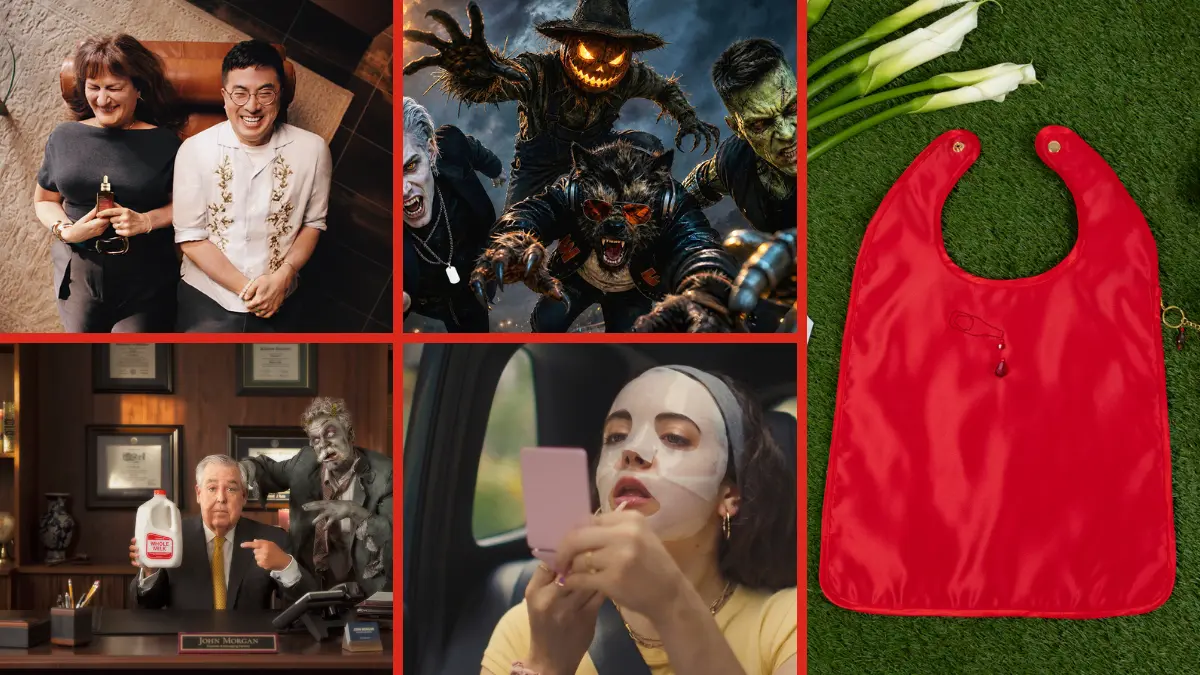
- Fanta: The Spooky Cinematic Universe. Fanta broke the mold of traditional beverage marketing by debuting a full-fledged spooky cinematic universe. Rather than relying on standard product shots, the brand leaned into rich, atmospheric storytelling, blending high-concept fantasy with the playful, effervescent energy of its core product. This multi-platform campaign treats viewers to serialized narratives, engaging younger demographics who consume marketing through the lens of entertainment and lore.
- Athleta: Empowering the Modern Woman. Highlighting strength, resilience, and multi-faceted lifestyles, Athleta’s latest campaign gears up strong women across professional, athletic, and personal domains. The creative direction eschews tired fitness clichés in favor of authentic, raw portrayals of physical and mental endurance, cementing the brand’s commitment to empowering its core consumer base through high-performance apparel and inspiring visual storytelling.
2. Domestic Utility Meets Cultural Wit: Uber, Heinz, and Starbucks
Bridging the gap between everyday utility and high-end comedy, several brands leveraged relatable human insights paired with unexpected cultural figures.
- Uber: Manifesting the Ultimate School Year. Addressing the anxieties and aspirations of back-to-school season, Uber rolled out a clever campaign helping teens "manifest" their best academic year yet. By positioning ride-sharing and local delivery services as logistical enablers of youthful ambition, Uber successfully embeds itself into the rituals of modern adolescence and parenting.
- Heinz: The Wedding Season Red Bib. Always willing to embrace the messy reality of condiment consumption, Heinz broke out a brilliantly absurd yet highly practical solution for summer and fall nuptials: a bright red wedding bib. Tapping into the universal fear of spilling tomato-based perfection onto formalwear, the campaign generated massive earned media and social sharing through its pitch-perfect self-awareness.
- Starbucks: The Triumphant Return of Martha Stewart. In one of the most talked-about casting coups of the quarter, Starbucks enlisted domestic icon Martha Stewart for a high-profile brand return. Combining Stewart’s unmatched authority in lifestyle and culinary arts with Starbucks’ accessible daily luxuries, the campaign delivers a masterclass in tone, blending sophisticated humor with comforting familiarity.
3. Celebrity Chemistry and High-Concept Humor: Estée Lauder, Stella Artois, and MilkPEP
The intersection of high fashion, beverage marketing, and public health saw some of the most inventive celebrity pairings of the year.
- Estée Lauder: Bowen Yang and Ana Gasteyer. In a comedic tour de force, comedian Bowen Yang reclines casually on Ana Gasteyer’s couch for Estée Lauder. The resulting dialogue blends sharp comedic timing with luxury skincare messaging, proving that prestige beauty brands can—and should—embrace self-deprecating humor to connect with discerning younger buyers.
- Stella Artois: David Beckham vs. Theo James. Global icon David Beckham faces off against actor Theo James in a high-stakes, highly entertaining bidding war for Stella Artois. The spot plays on the cultural fascination with prestige, celebrity allure, and the simple, sophisticated pleasure of a European lager, resulting in a cinematic clash of charisma.
- MilkPEP: Defending Kids from Zombies. In a delightfully surreal pivot for the milk industry, MilkPEP enlisted powerhouse agency work to depict Morgan & Morgan legally defending children from hordes of zombies. By fusing pop-culture horror tropes with nutritional advocacy, the campaign captures youthful imaginations while reinforcing the functional benefits of dairy.
Supporting Context & Metrics: Decoding the Most Effective Ad of the Week
Understanding why an advertisement succeeds requires looking beyond creative intuition into hard data. In partnership with EDO, our analytics leader for television engagement, we evaluate the week’s top-performing commercial based on consumer response, immediate search intent, and cross-channel conversion metrics.
The Methodology of Effectiveness
Traditional advertising metrics have long relied on passive viewership counts and post-campaign recall surveys. EDO’s TV outcomes measurement platform, however, tracks real-time consumer intent—specifically measuring how a television ad immediately drives online search behavior and direct-to-consumer engagement within minutes of broadcast.
Most Effective Ad of the Week: Reimagining the Game-Day Paradigm
This week’s top-performing spot broke through the cluttered sports-advertising landscape by offering an entirely fresh perspective on the traditional game-day party. While competitors leaned heavily on predictable tropes—shouting sports fans, overflowing coolers, and repetitive stadium imagery—this week’s winner focused on intimacy, surprising culinary twists, and inclusive social dynamics.
According to EDO’s metrics, the ad generated a +340% surge in immediate brand-related search interest compared to category benchmarks during the same broadcast windows. Key factors driving this outperformance included:
- Pacing and Narrative Intrigue: The commercial established its premise within the first four seconds, completely subverting the viewer’s expectation of where the scene was heading.
- Targeted Media Placement: Strategic positioning during high-attention sports programming maximized reach among valuable demographic segments without suffering from audience fatigue.
- Actionable Resonance: The creative successfully bridged the gap between entertainment and product utility, compelling viewers to instantly pull out their mobile devices and learn more.
Official Statements and Industry Insights
As these campaigns ripple through the global market, industry leaders and chief marketing officers are reflecting on the structural shifts defining contemporary advertising.
Elena Vance, Global Brand Strategy Director at Omnicom Group, notes a fundamental shift in how consumers process commercial messaging:
"We have moved past the era of the monologue. Today’s consumer does not simply watch an advertisement; they interrogate it, remix it, and demand that it reflects their values. The campaigns winning right now—whether it’s Spotify validating a niche playlist or Martha Stewart leaning into her own iconic meme-status with Starbucks—understand that cultural fluency is the ultimate currency."
Furthermore, the integration of deep narrative worlds, as seen in Fanta’s cinematic universe and Uber’s reality-adjacent storytelling, points toward an increasingly blurred line between entertainment and promotion.
Marcus Thorne, Head of Creative Innovation at Publicis Media, emphasizes the necessity of risk-taking:
"Safe advertising is invisible advertising. When you look at pairings like Bowen Yang and Ana Gasteyer for Estée Lauder, or David Beckham battling Theo James for Stella Artois, you see brands willing to hand the keys over to genuine creative talent. The result is work that people actually seek out on YouTube or TikTok, rather than skipping past during a commercial break."
Future Outlook: The Road to ADWEEK House and Beyond
As the industry looks toward the horizon, the strategies driving this week’s standout campaigns will take center stage at upcoming major forums, most notably ADWEEK House: Advertising HQ, taking place in Midtown Manhattan from October 5–8.
This premier gathering will convene the visionaries shaping advertising, commerce, and media for four days of unscripted conversations, strategic debates, and high-level after-hours connections. Key themes expected to dominate the agenda include:
- The Evolution of Entertainment-Led Commerce: As demonstrated by Fanta and Starbucks, the fusion of narrative entertainment and direct-to-consumer selling will require brands to operate more like Hollywood studios than traditional corporate advertisers.
- Data-Driven Creative Optimization: Leveraging real-time intent metrics—such as those provided by EDO—will no longer be an optional luxury. CMOs are increasingly demanding accountability and immediate feedback loops to justify multi-million-dollar production spends.
- The Power of Authentic Nostalgia: Reintroducing legacy icons like Martha Stewart alongside digital-native humorists like Bowen Yang proves that cross-generational appeal is the most effective antidote to fragmented audience attention spans.
Conclusion
The advertising landscape of today rewards bravery, wit, and narrative ambition. Brands that rely on legacy playbooks risk sinking into irrelevance amidst an ocean of digital noise. Conversely, those that invest in rich storytelling, unexpected collaborations, and deep cultural resonance—such as the standout performers analyzed in this report—will continue to capture not just consumer attention, but consumer loyalty.
As we approach the critical industry dialogues at ADWEEK House this October, one thing remains certain: the boundaries between art, commerce, and entertainment have dissolved, leaving behind a vast, dynamic canvas for the world’s most imaginative brands.